


 EN
 ไทย



Customers Also Purchased
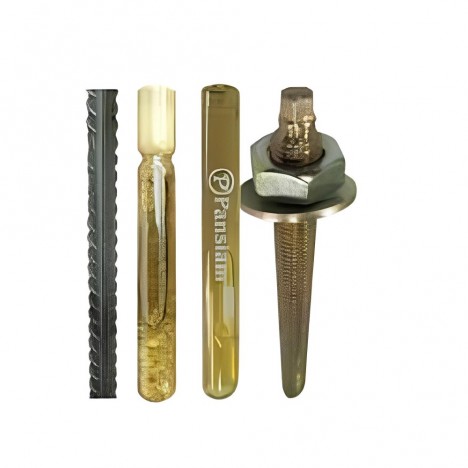
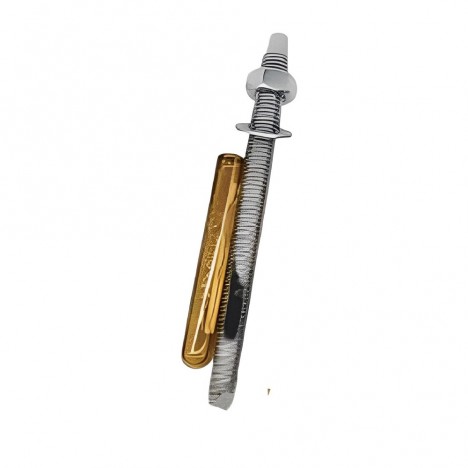
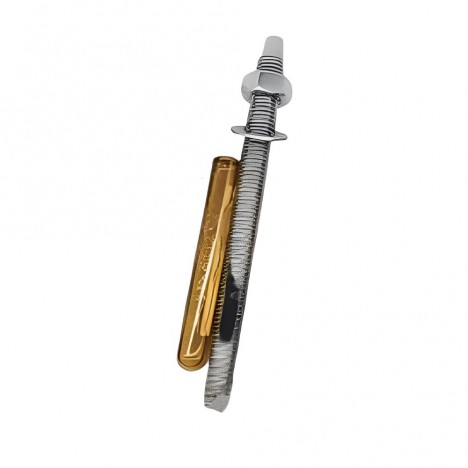
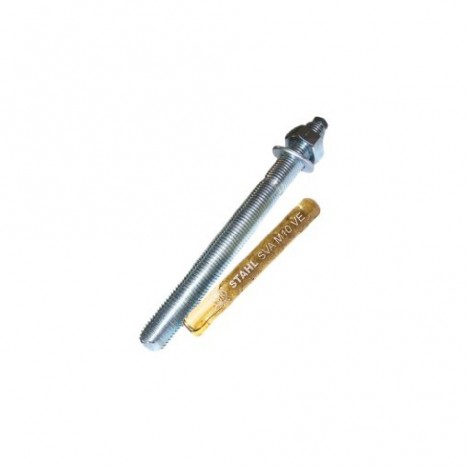
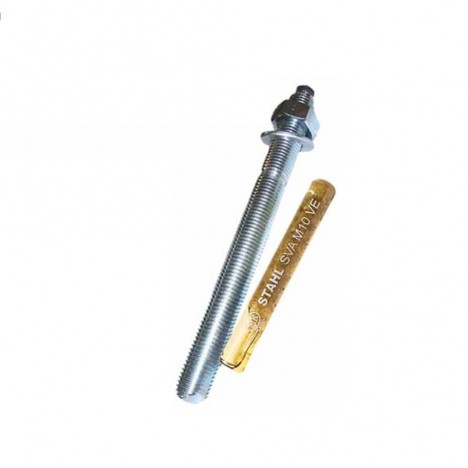
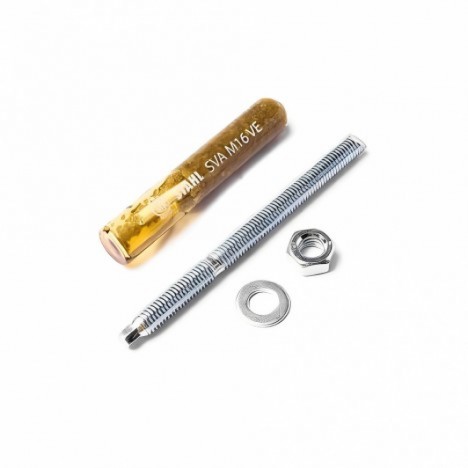
In all types of construction and installation work, there is one element that is often overlooked yet determines the strength and safety of the entire structure: the "anchor point." No matter how well a project is designed, what high-quality materials are used, or how meticulously the structure is calculated, if the anchor point is not sufficiently secure, damage can range from loosening and settling to accidents that directly impact user safety.
In the past, steel anchors and plastic wall plugs may have been sufficient for general installation work. However, as construction practices evolved—involving heavier loads, installations closer to edges or in confined spaces, and stricter safety standards—traditional anchoring devices began to show clear limitations.
For this reason, “Chemical anchor (Chemical Anchor)” has stepped up as the alternative for modern structural work. Not only because it supports higher load capacities, but because it meets the demands of strength, application versatility, and long-term safety, making it the primary choice trusted by professional contractors and numerous construction projects.
What is a Chemical Anchor?
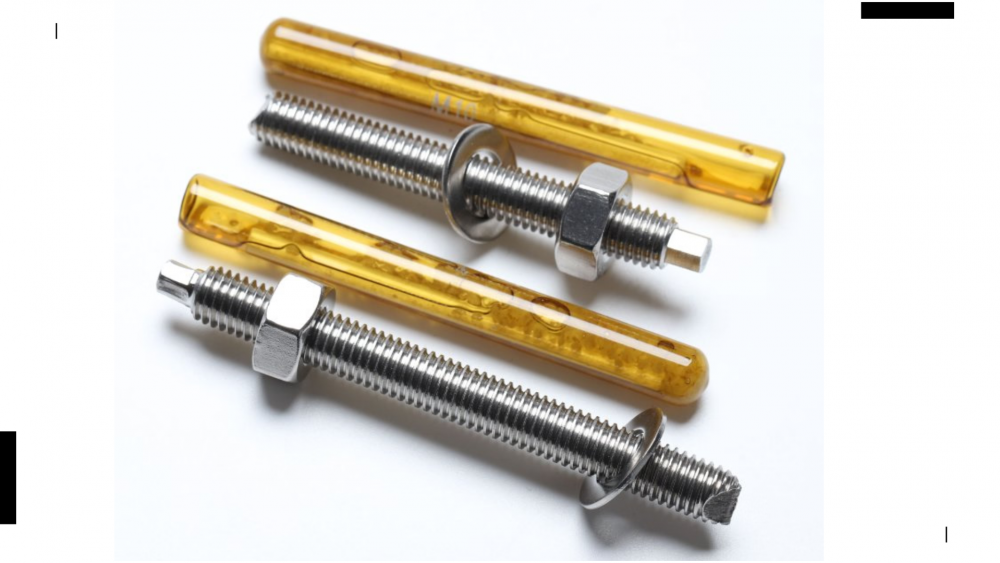
A chemical anchor is a fastening system that uses resin-based chemicals as a medium to bond steel rebar, studs, or threaded rods to structural materials such as concrete, masonry, or various types of walls, without relying on mechanical expansion forces like conventional anchors.
The core essence of a chemical anchor lies in the "chemical bonding" between
- the drilled hole wall,
- the chemical (resin), and
- the steel bar or stud.
When the chemical is injected into the drilled hole and the steel rod is inserted, the chemical flows to fill all voids completely before hardening and bonding all three components into a single unit along the entire depth of the drilled hole. The result is a tight, strong anchoring point with uniform holding power.
Due to this working mechanism that focuses on bonding rather than expansion, it is called a "Chemical Anchor" and is widely used in structural applications requiring high strength and safety.
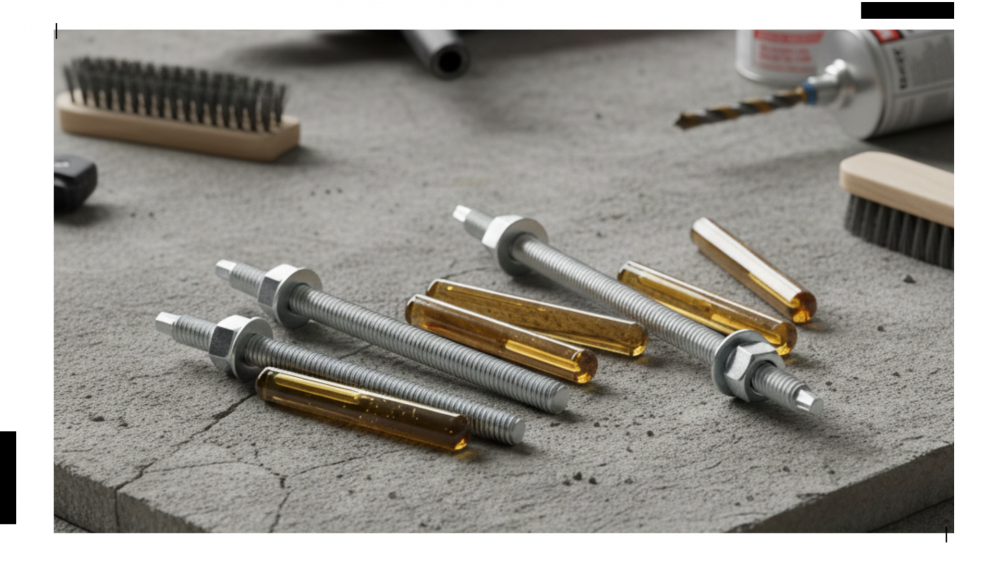
Working Principle of Chemical Anchors
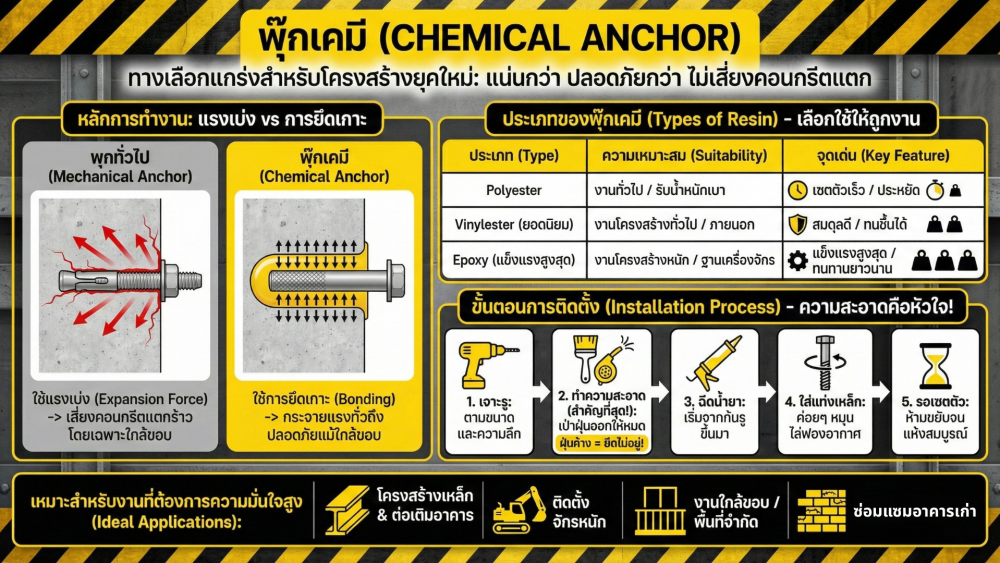
The key principle of a chemical anchor lies in "Bonding," rather than generating expansion force like conventional anchors. This principle makes chemical anchors stand out and excel in structural applications that demand high strength and safety.
Once a hole is drilled into concrete or the base material and the resin chemical is injected, the chemical acts like a structural adhesive, penetrating into the pores and contact surfaces inside the drilled hole, and then bonding the rebar or stud to become an integral part of the existing structure.
When the chemical cures, it creates a continuous bond along the entire depth of the drilled hole, allowing the anchor point to transfer loads efficiently, with the following key features:
- Tensile Load is evenly transferred into the concrete body, without concentrating at a single point.
- Shear Load is distributed throughout the anchoring area, helping to enhance structural stability,
- reducing the risk of concrete cracking, especially in locations near edges or with limited space.
Due to this working principle of focusing on load distribution and not creating expansion pressure within the concrete, chemical anchors are widely used in structural work, extensions, and installations that require long-term strength and safety.
How Chemical Anchors Differ from Conventional Anchors
Although the primary function of both conventional anchors and chemical anchors is the same—serving as an "anchor point" between the structure and the installed material—in reality, the working principles of both systems are distinctly different. And it is this difference that affects performance, safety, and suitability for various applications.
Conventional Anchors (Mechanical Anchors)
Conventional anchors rely primarily on the mechanical expansion of metal or plastic. When a bolt or stud is tightened, force expands outward against the sides, causing the anchor to grip directly against the drilled hole's walls. The holding force is thus generated by friction and outward pressure within the concrete.
However, this anchoring method concentrates forces near the surface of the drilled hole, subjecting the concrete to localized stress and risking cracking, especially when installed close to edges or in restricted spaces.
Chemical Anchors
In contrast, chemical anchors do not rely on expansion forces, but rather use chemical bonding agents as a medium. The chemical compound bonds the steel rod continuously along the entire depth of the drilled hole's walls, generating no outward expansion pressure in the concrete.
The result is an anchor point that distributes loads evenly, reduces the risk of cracking, and can be used even in locations where conventional anchors face limitations.
Differences That Impact Real-World Use
The difference in fastening principles directly impacts:
- Long-term strength: The anchor point is more secure and stable.
- Suitability for heavy-duty and structural work: Withstands higher tensile and shear loads.
- Safety in confined spaces or near edges: Reduces the risk of concrete cracking.
For this reason, chemical anchors are chosen for structural work, building extensions, and installations that require greater reliability than conventional anchors.
Types of Chemical Anchors
Chemical anchors can be categorized by the type of chemical or resin used as the bonding agent, with each type offering different properties, strengths, and application suitability. Choosing the right type of chemical anchor for the specific job is therefore a critical factor affecting both safety and the lifespan of the structure.
Polyester Resin
Chemical anchor type Polyester Resin considered an entry-level chemical anchor, suitable for general installations that do not carry heavy loads. Highlights include affordable pricing, ease of use, and a relatively fast curing time, making it ideal for jobs that require speed.
However, this type of chemical anchor has limitations regarding strength and durability; it is not suitable for heavy structural work, applications subject to high sustained loads, or environments with moisture, heat, or harsh chemicals.
Suitable for:
- General installation work
- Decorative work
- Lightweight structures
Vinylester Resin
Vinylester Resin is a highly popular chemical anchor due to its balance of strength, cost, and durability. It can bear more load than polyester and provides good resistance to moisture and environmental conditions.
This type of chemical anchor can be used both indoors and outdoors, making it a primary choice for general construction projects that demand greater confidence while still keeping costs under control.
Suitable for:
- General structural work
- Building extensions
- Outdoor installation work
Epoxy Resin
Epoxy Resin is a structural-grade chemical anchor with the highest strength in its class, offering high load-bearing capacity and excellent bonding performance. It is suitable for engineering projects requiring high safety and strict standard compliance.
Although it has a longer curing time and a higher cost, it delivers long-term strength and durability, making it ideal for primary structural work and zero-risk applications.
Suitable for:
- Machinery bases
- Large steel structures
- Engineering works and buildings with special requirements
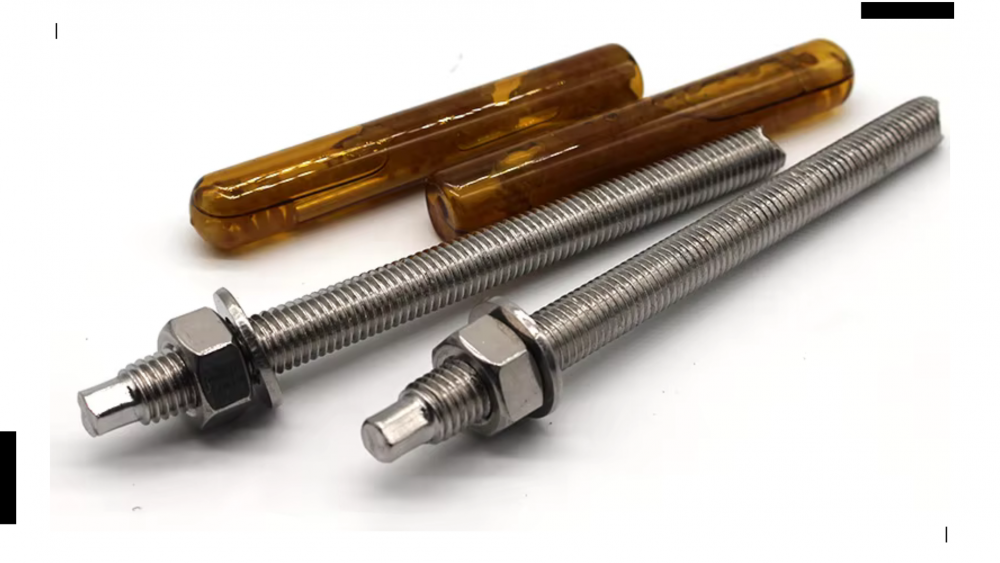
What materials can chemical anchors be used with?
One of the key advantages of chemical anchors is flexibility in use across a wide variety of structural materials Not limited to any single type of concrete, making them suitable for new construction, extensions, and building renovations.
Materials that can use chemical anchors include:
- Cast-in-place concrete which offers high strength and serves as the most ideal base material
- Precast concrete that requires additional anchor points during installation
- Cracked concrete which certain types of chemical anchors can accommodate
- Clay brick / Red brick for installations requiring higher strength than conventional anchors
- Cinder blocks / concrete blocks which requires selecting the appropriate chemical anchor type and rebar/stud size
- Hollow walls or materials with internal voids which require accessories such as mesh sleeves to help control the chemical distribution
Although chemical anchors can be used with a wide variety of materials, it is important to understand that each material possesses different strength capacities and internal structures. Therefore, the selection of the chemical anchor type, steel size, and installation method must be considered according to the base material to achieve anchor points that are strong and safe as engineered.
Hole drill size and embedment depth of chemical anchors
Choosing Hole drill size and embedment depth of chemical anchors is one of the factors that most affects the strength of the fixing point. If chosen inappropriately, even high-quality chemical anchors may fail to support the intended load.
Basic principles to consider include:
- Hole drilled too large Wastes chemical adhesive unnecessarily and may reduce bonding performance.
- Hole drilled too small Prevents the chemical adhesive from spreading evenly, resulting in reduced holding power.
- Embedment too shallow Causes the anchor point to hold less load, making it unsuitable for heavy-duty applications.
- Deeper embedment Helps increase bonding surface area and enhances load-bearing capacity.
In structural work requiring high safety standards, it is common to refer to data from the chemical anchor manufacturer, engineering standards, or design manualsto determine the appropriate drill hole size and depth. This ensures that the anchor point can support the designed load and remain stable over the long term.
Chemical Anchor Installation Steps
Although chemical anchors are high-performance fastening solutions, the strength of the fixing point can only be achieved when installed properly. Every step is therefore crucial and should not be overlooked.
The general installation steps for chemical anchors are as follows:
1. Drill the hole Drill a hole to the specified diameter and depth, using a drill bit suitable for the base material to ensure a smooth hole surface and accurate dimensions.
2. Clean the drilled hole Use a cleaning brush combined with blowing air to remove dust and concrete debris from the drilled hole. This step is crucial, as residual dust significantly reduces the bonding performance of the chemical.
3. Inject the chemical Inject the chemical into the drilled hole starting from the bottom, allowing it to flow upward and evenly fill the void.
4. Insert the steel rod or stud Insert the steel rod by slowly twisting it in to help distribute the chemical evenly around the rod and reduce air bubble formation.
5. Wait for curing Allow the chemical to cure for the duration specified by the manufacturer before subjecting the anchor point to use or load.
Proper installation of chemical anchors can increase anchoring strength several times over compared to improper installation or skipping steps.
Advantages of Chemical Anchors
Chemical anchors are widely favored in modern structural work due to numerous advantages that meet the demands of high-reliability installations, including:
- High load-bearing capacity Suitable for structural and installation work requiring high tensile and shear strength
- reducing the risk of concrete cracking, Since they do not rely on expansion forces within the base material
- Can be used close to the edges of structures Suitable for confined spaces or installation points where conventional anchors have limitations
- Size and depth can be adjusted according to site conditions Provides flexibility in design and installation
- Suitable for both new construction and building renovation work Especially for jobs requiring additional anchor points in existing structures
Limitations and Precautions When Using Chemical Anchors
Although chemical anchors offer high performance, they are not the solution for every job. Understanding their limitations will help you choose them more appropriately and safely.
- Higher price than conventional anchors Especially structural-grade chemical anchors
- Requires knowledge and expertise for installation If installed incorrectly, performance will be significantly reduced.
- Chemicals have an expiration date Must be checked before every use
- Temperature and environmental conditions affect curing time Which may impact project schedules and installation quality
Therefore, before choosing chemical anchors, you should consider the job characteristics, on-site conditions, and safety requirements together to achieve the best results.
What types of work are suitable for chemical anchors?
Chemical anchors are ideal for:
- Steel Structural Work
- Machinery installation work
- Canopies and stair railing installations
- Building extensions
- Old building renovation work
Chemical Anchors: An Essential Asset for Modern Structural Work
A chemical anchor is not just a fastening device, but a system that elevates safety standards in construction work. With an understanding of the principles, proper selection, and appropriate installation, chemical anchors ensure your work is strong, stable, and durable over the long term.
What types of work are suitable for chemical anchors?
With advantages in strength, flexibility, and operational safety, chemical anchors are exceptionally suited for many types of installation and structural work—especially where conventional anchors cannot fully meet performance demands.
Steel Structural Work
Chemical anchors are widely used in steel structure installations, such as steel columns, steel beams, or structural base plates, because they can support heavy loads and distribute forces effectively, making them ideal for applications requiring long-term stability.
Machinery and Heavy Equipment Installation
In industrial and MEP systems, chemical anchors are used to secure machine bases, equipment, and support frames to withstand the vibration and tensile loads generated during operation.
Awnings, Railings, and Exterior Installation Works
For installations close to concrete edges or with limited space, such as awnings, handrails, or exterior steel structures, chemical anchors help reduce the risk of concrete cracking and enhance operational safety.
Building extensions
In building renovation or extension works where standard drilling or conventional anchors cannot be freely used, chemical anchors serve as an ideal alternative that creates new fixing points without excessively affecting the existing structure.
Repair and Renovation of Old Buildings
Chemical anchors are ideal for strengthening existing structures, such as adding beams, reinforcing steel, or securing new structures to old buildings where exceptional strength and reliability are required.
Chemical Anchors: An Essential Asset for Modern Structural Work
Chemical anchor It is not just a typical fastener, but an anchoring system that elevates safety standards in construction from design to installation and actual use. When you understand its working principle, select the right type of chemical anchor for the job, and install it properly, chemical anchors will provide strength, stability, and long-lasting durability, meeting the needs of modern construction and building renovations that require high confidence.