


 EN
 ไทย



Customers Also Purchased



Believe it or not, in the storage rooms of many homes, there's often a Aluminum Ladders ladder gathering dust, rarely ever touched—not because it's broken, but because it was the "wrong purchase." Some people buy a multi-position folding model thinking it's great value, but when it's time to actually use it, they find it's "incredibly heavy," hard to carry, and a hassle to set up. In the end, they go right back to climbing on a plastic chair (which is far more dangerous!) Or some buy a cute, compact model hoping to save storage space, but when the ceiling light goes out in the living room... it turns out that even on the top step, they still can't reach it!
Choosing a ladder isn't just about pointing at one and paying for it; it's about "matching" the person + the job + the location.
Today, Nong Chang will take you through the "3 Major Mistakes" most people make when buying a ladder, along with how to choose correctly so you won't have to say later, "If only I'd known before buying!"
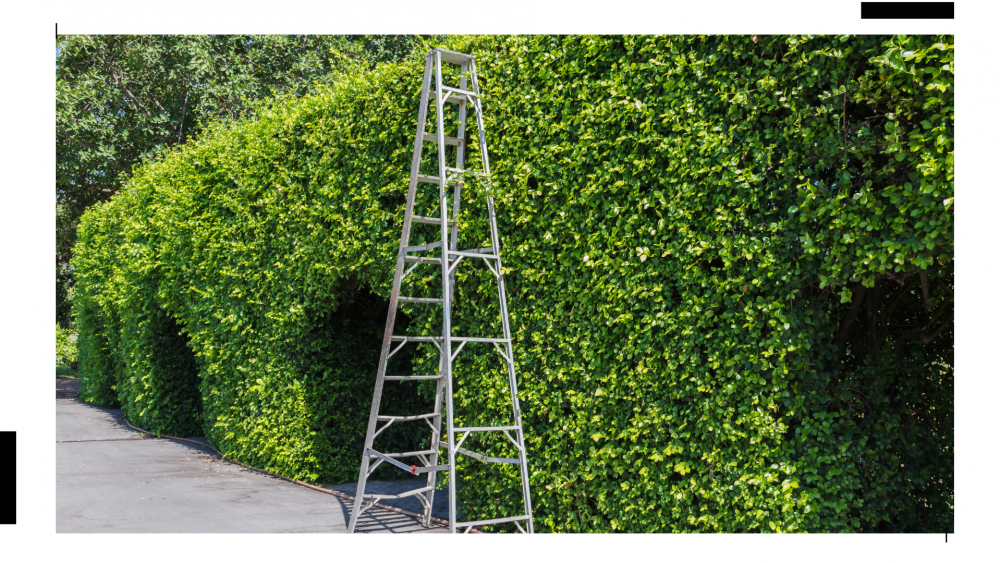
1. Being "Obsessed with Functions"
This is the #1 trap that men or handymen often fall into! When seeing ads for multi-purpose folding ladders that convert to an A-frame, extend straight, turn into a scaffold, and fold up to fit into a sedan... our eyes light up and we think, "All-in-one, totally worth it!"
The Harsh Reality
A ladder that can do everything often comes at the cost of "weight" which is massive.
- Standard A-frame ladder (5 steps): Weighs around 3 - 4 kg (easy to carry with one hand)
- Multi-purpose folding ladder (same height): Weight starts at 12 - 15 kg! (3-4 times heavier)
Real-world scenario: Suppose you just want to wipe dust off the top of the refrigerator or change a bathroom light bulb.
- If you have an A-frame ladder: You grab it, unfold it in a snap, and you're done in 2 minutes.
- If you have a multi-purpose ladder: You have to haul it out of the storage room (super heavy), unlock 4 hinges to unfold it, adjust the angle, climb up, finish, then fold and lock all 4 hinges again, and lug it back to store it... Tiring just thinking about it, right? In the end, you'll be too lazy to ever take it out.
The solution: Choose to match the user's "lifestyle/preferences"
If the main user is a homemaker / elderly person / for general household chores:
- We definitely do not recommend buying a multi-purpose folding ladder under any circumstances!
- Instead, buy A standard A-frame ladder or a step stool that is lightweight and easy to unfold, prioritizing agility.
If you are a technician / heavy-duty user / own a pickup truck:
- Go for a multi-purpose folding ladder right away. It is definitely worth it because you have the strength to lift it and can make use of its versatile functions, such as climbing onto the roof or pruning tall tree branches.
Summary: More functions = heavy and complicated / Fewer functions = light and agile. Choose what your actual life demands!
2. Calculating height by "eyeballing it"
"The ceiling is 3 meters high, so just buy a 3-meter ladder and call it a day" ... That's completely wrong! Or some people think, "Buying a 4-step ladder is enough; I can just stand on the top step and tiptoe to reach" ... That is life-threatening.
The truth about the "Safety Zone"
In safety engineering, there is a golden rule: "Never stand on the top 2-3 steps of an A-frame ladder"
- Reason: If you stand at the very top, you have nothing for your shins to lean against for balance, and there is no handrail. Your center of gravity (CG) will be very high; just reaching forward could cause the ladder to flip over immediately.
Therefore, "Ladder Height" is not equal to "Working Height".
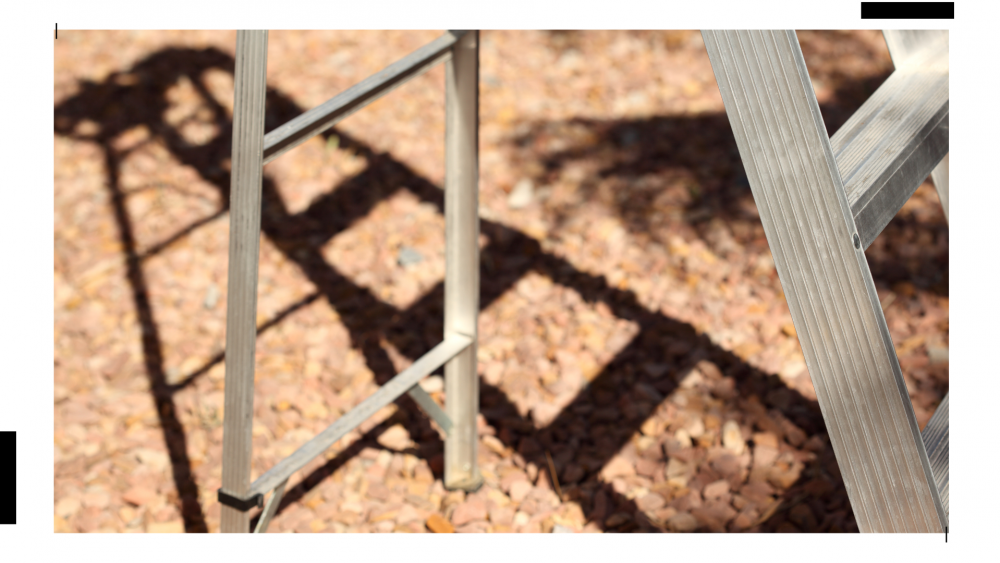
Solution: The "Reach Distance" Calculation Formula
Don't eyeball it. Use this formula to calculate before buying:
(Ceiling height - Your height) + 1 meter = Ladder height to purchase
Calculation Example:
- Ceiling height: 2.8 meters (typical detached house)
- Your height: 1.7 meters
- Remaining distance needed: 2.8 - 1.7 = 1.1 meters
- Must add a safe standing allowance of 1 meter: therefore, you need a standing platform approximately 1 meter above the floor
Comparing specifications
- 1 meter standing height = 5 - 6 step A-frame ladder
- (If you buy a 3-step ladder, you can only stand at a height of 60-70 cm, which will be out of reach or force you to tiptoe until your legs shake)
Standard size recommendations:
- Condo (ceiling 2.4 - 2.6 m): use 4 - 5 steps (more than enough)
- Townhome/Single-family house (ceiling 2.8 - 3.0 m): use 6 - 7 steps
- Stairwell/Factory (ceiling 3.5 m and above): forget about A-frame ladders; you must use an extension ladder or scaffolding only
3. Overlooking "step tread width"
Has this ever happened to you? Climbing a ladder to hang curtains or drill holes, and after just 5 minutes, your legs start trembling and your soles ache so much you can hardly stand it and have to quickly climb down to rest?
The reason isn't because you're out of shape, but because "the ladder steps are too narrow"
The truth about "Pressure Points":
Budget aluminum ladders or older models often have steps shaped like "narrow square boxes" or sometimes just "aluminum strips" only 3-4 cm wide.
- When you put your body weight of 60-80 kg onto that narrow surface, the pressure is immense, restricting blood circulation and quickly causing foot pain.
- resulting in poorer balance and a higher risk of accidents.
Solution: Choose a "Wide Step / Platform ladder"
Nowadays, newer ladders are specifically designed to solve this issue, known as Platform Ladders or step stool ladders.
- Features: The steps are wide enough to support the entire foot (13 - 20 cm or more), just like standing on flat ground.
- Pros: You can stand and work for hours without fatigue. Extremely stable, ideal for the elderly or homemakers who are afraid of heights.
Observation Tip: When shopping, try asking the staff to let you "climb without shoes" (if permitted).
- If stepping on it feels like a foot massage roller digging in -> We definitely do not recommend buying
- If it feels full underfoot and stable -> buy it, it's definitely worth it.
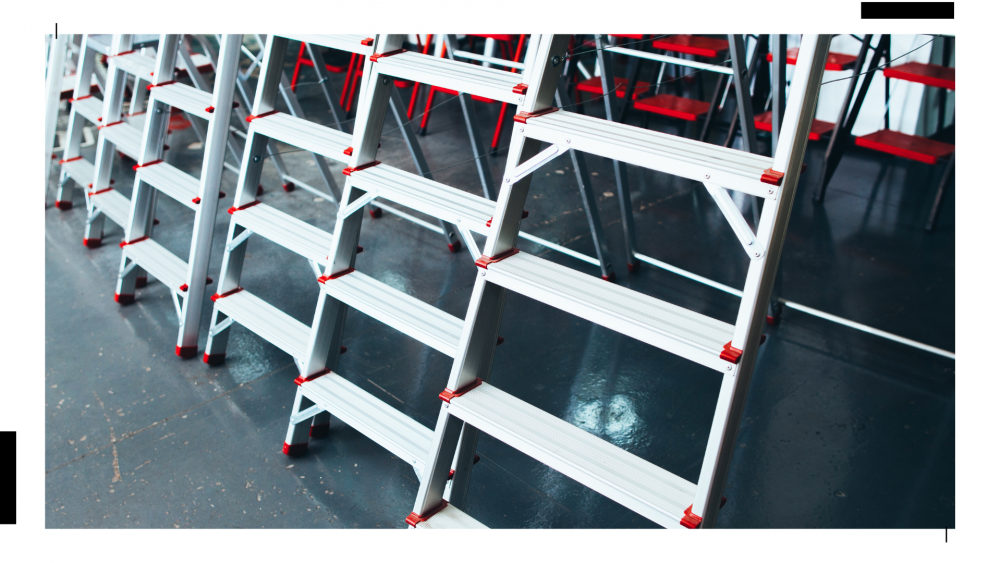
3-Point Checklist Before Opening Your Wallet
Before paying for your next aluminum ladder, ask yourself these 3 questions:
1. Who is the primary user? : If it's for a homemaker -> absolutely avoid heavy multi-purpose folding models.
2. How high is the ceiling? : Calculate using the formula; never buy too short—always go for 1 step higher just in case.
3. Do you need to stand for a long time? : If you need to use it for long periods, such as hanging curtains or cleaning windows -> just pay extra for a "wide step" model. Foot comfort and health are really important.
Buying a ladder is just like buying life insurance... "Better to spend a little time choosing the right one than buying something you leave behind for termites to nest in, or ending up having an accident."
Best wishes from Nong Chang—may you find a ladder you love that keeps you safe!