


 EN
 ไทย


Customers Also Purchased


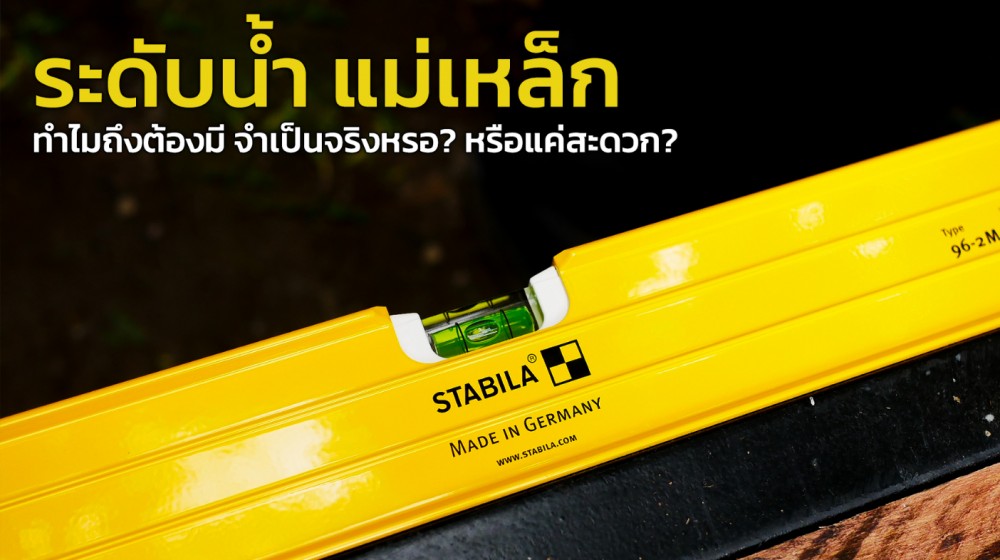
A spirit level is one of those tools that I'm sure many of us are very familiar with, right? It's practically in everyone's toolbox—from electricians and metalworkers to DIYers who like doing small repairs or projects around the house. But whenever a "magnetic spirit level" is mentioned, the question inevitably follows: Is it really necessary, or is it just an optional accessory that makes things more convenient, yet you can still get the job done just fine without it?
I used to think that way too, until one day I had to install a small steel frame. A job that initially didn't seem complicated at all, but it made me start looking at magnetic spirit levels in a completely different light.
In this article, I'd like to invite you to have a relaxed chat about what a magnetic spirit level actually does for us. We'll look at the conveniences, the points to watch out for, and ultimately, how necessary it really is for your work.
What Is a Magnetic Spirit Level? How Does It Differ from a Standard Spirit Level?
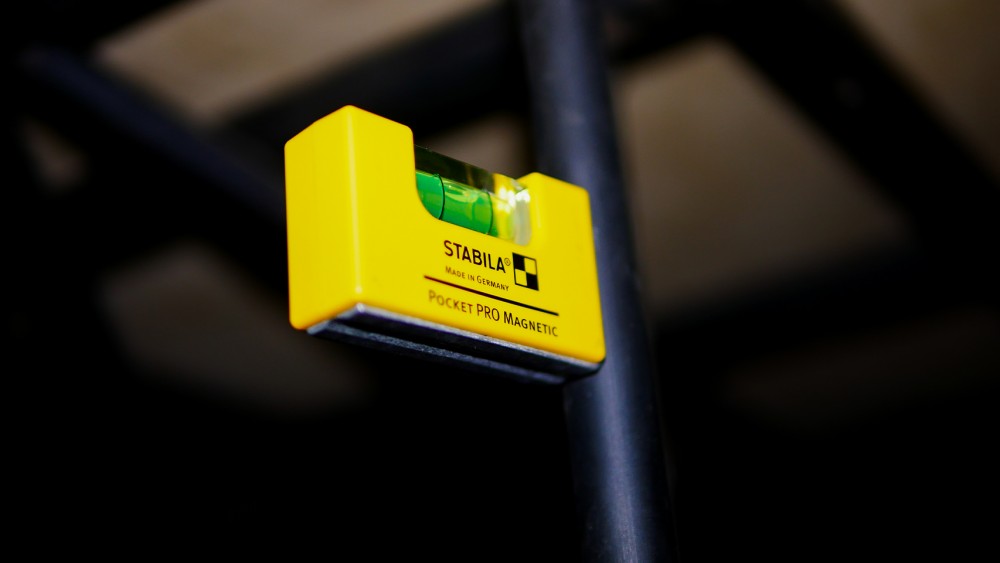
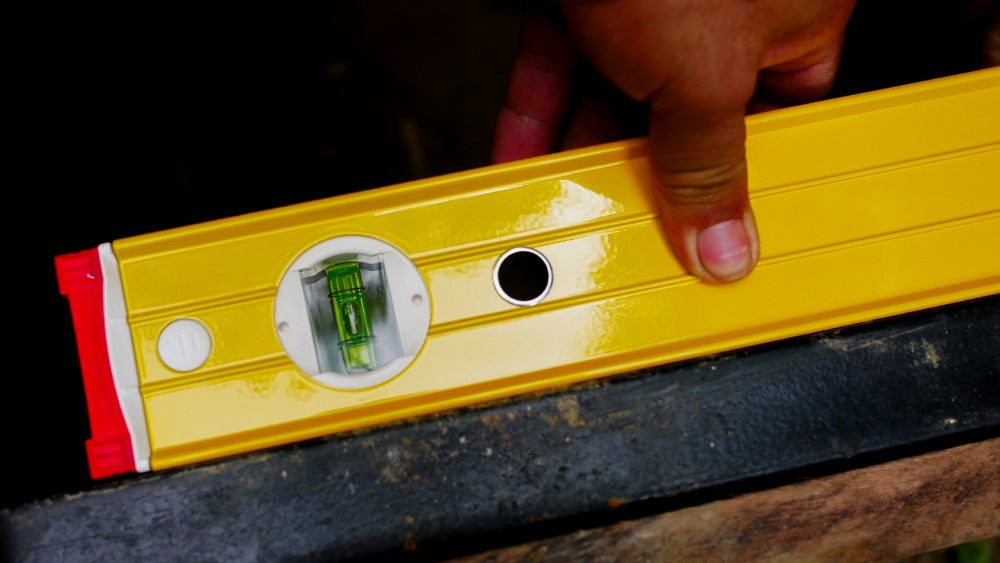
A magnetic spirit level: the pro's helper that makes work much more "precise" and "easy"! To put it in the simplest terms: a "magnetic spirit level" looks just like the standard spirit level we all know, but its secret weapon is the built-in magnetic strip embedded in its base. This feature allows it to "snap on and stick!"—firmly gripping steel surfaces or metal pipes without you having to hold and support it the entire time, just like having an extra pair of hands helping you out.
In terms of function, it still plays the same starring role: helping check horizontal, vertical, or angled alignment via the bubble in the vial. But what truly sets it apart from a standard model isn't greater accuracy (since a good standard model is just as accurate); it's purely about making "life so much easier."
Picture this... when you're climbing a tall ladder or squeezing into tight spaces to install pipes, being able to take your hands off the spirit level and have both hands free to tighten bolts or grab other tools on-site... that kind of agility is absolute heaven for any worker!
The Origin of "Convenience" That Metalworkers Understand Well
From Firsthand Experience: When the "Magnetic Spirit Level" Transformed Life on the Job. Speaking from real experience, I distinctly remember the first time I seriously used a magnetic spirit level—it was during the installation of a square tube steel frame.
Back then, I can tell you my "hands were all tied up." Picture this: your left hand has to support the steel, your right hand has to adjust the position, and your eyes have to keep aiming for the bubble to stay centered... At that moment, I thought to myself, "It would be great if I had a third hand sprout out," because a standard spirit level does nothing to help hold itself in place.
But once I switched to using a "magnetic spirit level"... wow, life changed instantly!
The difference was night and day. Simply snapping the spirit level onto the steel surface, and it "stuck firmly" right there, without worrying about it falling off. It turned out I had both hands completely free to align the steel precisely or comfortably grab a drill to drive screws.
This is the true definition of "convenience." It's not just a cool feature; it's a "small detail that makes work immensely faster and easier" on the actual job site!
What Kind of Work Is a Magnetic Spirit Level Best Suited For?
From real-world experience, we believe a magnetic spirit level isn't meant for every single task. But when used at the right moment and for the right type of job, it becomes a tool that noticeably streamlines workflow—especially for jobs where you need to "align while doing something else," rather than just place, measure, and put away.
Often, the problem on-site isn't that we don't know how to measure, but that we run out of hands: one hand to hold the workpiece, another to adjust its position, while trying to find a spare hand to place the level—which, in the real world, isn't always possible. A magnetic spirit level bridges this gap brilliantly. The tasks where it makes the clearest difference include:
- Steel Framing and Welding Work. In steel welding, before a weld bead can be neat, the first prerequisite is that "the workpiece must be straight." If it's tilted from the start, no matter how beautiful the weld is, the finished piece will still end up crooked. A magnetic spirit level helps immensely here because you can attach it to square tubing, angle iron, or steel pipes and immediately let go. Your other hand is free to hold the workpiece, set clearances, or prepare tack welds, giving you time to calmly monitor the bubble without rushing or worrying about the spirit level slipping off. We once tried using a standard spirit level for this kind of welding work: while it worked, it was more exhausting and required multiple checks. Once we switched to a magnetic one, the work became noticeably faster.
- Track and Metal Structure Installation. Whether it's door tracks, metal drawer slides, steel shelving, or light-gauge steel framing, these jobs require repeated level checks while driving screws or securing bolts. If you constantly have to hold the spirit level, work slows down without you realizing it. A magnetic spirit level lets you attach it directly to the track or frame, then slowly tighten and adjust while glancing at the bubble. As soon as the bubble starts to drift, you immediately know where to make adjustments without having to stop work to remeasure every time.
- MEP Systems and Installation in Confined Spaces. Many utility and mechanical installations—especially those close to walls, under framing, or in blind corners—offer very little room to move. Sometimes just raising your arm causes you to bump into things. In situations like this, a magnetic spirit level eliminates a lot of hassle. Just attach it securely to the metal surface, take your hands off, and you can immediately move on to other tasks without worrying about the level falling or shifting.
Limitations to Know Before Choosing a Magnetic Spirit Level
Every coin has two sides—an (open) secret that magnetic spirit level users need to know! While praised a lot for its convenience, a magnetic spirit level isn't without weaknesses. From our on-site experience, we've encountered little "pitfalls" that, if you're not careful, can throw your work off. Let's take a look at what they are.
- An overly hardworking magnet... picking up (debris) everywhere! This is a classic problem. On job sites with steel cutting and drilling, metal shavings or iron filings tend to fly all over the place. And that magnetic strip on the base is just too eager to attract them! As a result, with metal dust stuck in between, the base won't sit flush against the work surface. This leads to inaccurate readings and your work ending up slanted without you even realizing it.
- Beware of being misled... if the surface isn't truly flat. Sometimes the spot you want to measure has a rough metal surface, protruding weld beads, or uneven chipped paint. When you stick the magnet on, it may hold firmly, but at a slightly "tilted" angle following the surface flaws. This makes the bubble trick your eyes into thinking it's plumb, even though the structure might actually still be crooked.
- Slightly increased weight. Because of the built-in magnets, it feels noticeably heavier in hand than standard models. If you have to hold it in place for long periods or carry it on your tool belt all day, you might feel that extra bit of heft.
In clear summary! So, who is a "Magnetic Spirit Level" really for?
To put it in plain tradie terms so you can pick the best "sidearm" for the job, here is the breakdown:
Teams that should get a "Magnetic Spirit Level" (A must-have!): If your primary work involves "working with metal," this is your soulmate.
- Ironworkers & Welders: Structural work, hollow steel section fabrication
- MEP Technicians: Cable tray installation, conduit runs, air duct work
- Solo Workers: Anyone working alone who needs to check levels while reaching for a drill to drive screws with the other hand... this tool is a total lifesaver!
Teams where a "Standard Spirit Level" does the job: If your work doesn't require sticking to steel, a good quality standard model is "more than enough"—and easier on the budget too.
- Carpenters: Because magnets don't stick to wood.
- Masons & Bricklayers: Mortar and sand debris are much easier to clean off when there isn't a magnet attracting metallic dust.
- General DIYers: Home repairs, hanging picture frames, or general-purpose tasks.
Choose tools that "match" your actual job site. You don't always need the top-of-the-line model—just get the one that best "meets the needs" of your work!
In the end, the answer doesn't lie in the Water level magnet itself, but in the nature of your work and what best fits your hands and your job site.