


 EN
 ไทย


Customers Also Purchased
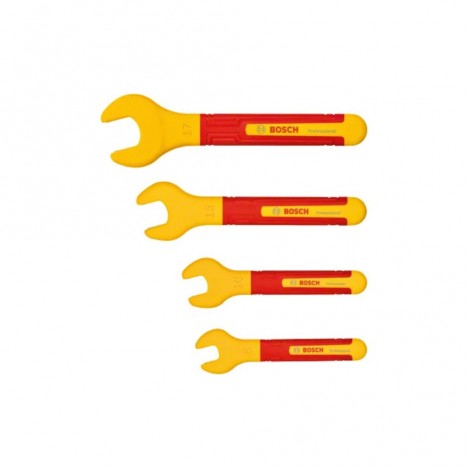


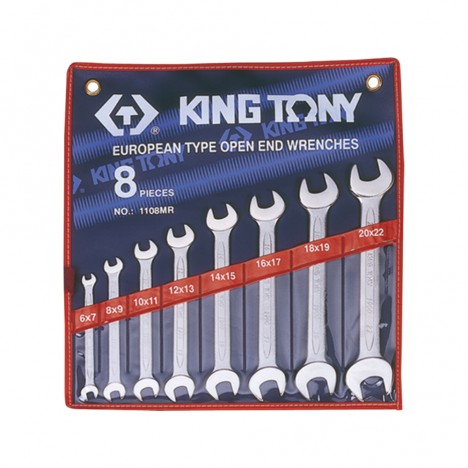
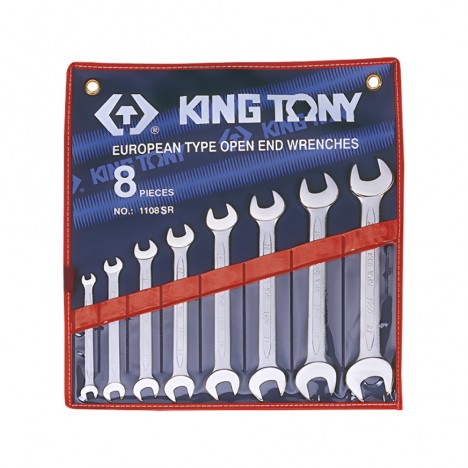
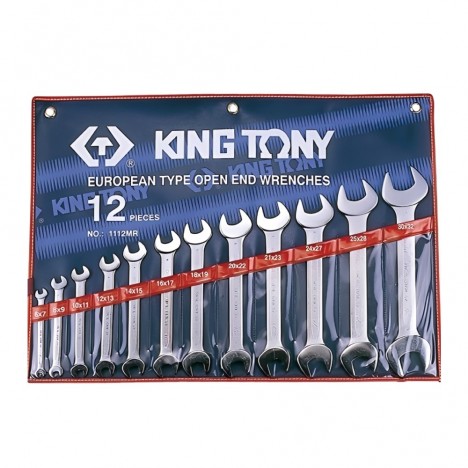
Believe it or not, if you look into any mechanic's or tradesperson's toolbox—whether an auto mechanic, carpenter, or system installer—one tool that almost never goes missing is the open-end wrench. In reality, we all know very well that open-end wrenches have plenty of weaknesses! They slip easily, pop off, and if you apply force at the wrong angle, they're much more likely to round off or strip bolt heads compared to box-end wrenches or sockets.
The interesting question is: "If they know full well about its flaws, why do pros still keep it Open End Wrenches in their tool kit at all times?"
In this article, we'll draw from real hands-on job site experience to uncover why this seemingly inferior tool still holds its ground (and remains indispensable) in the world of craftsmanship.
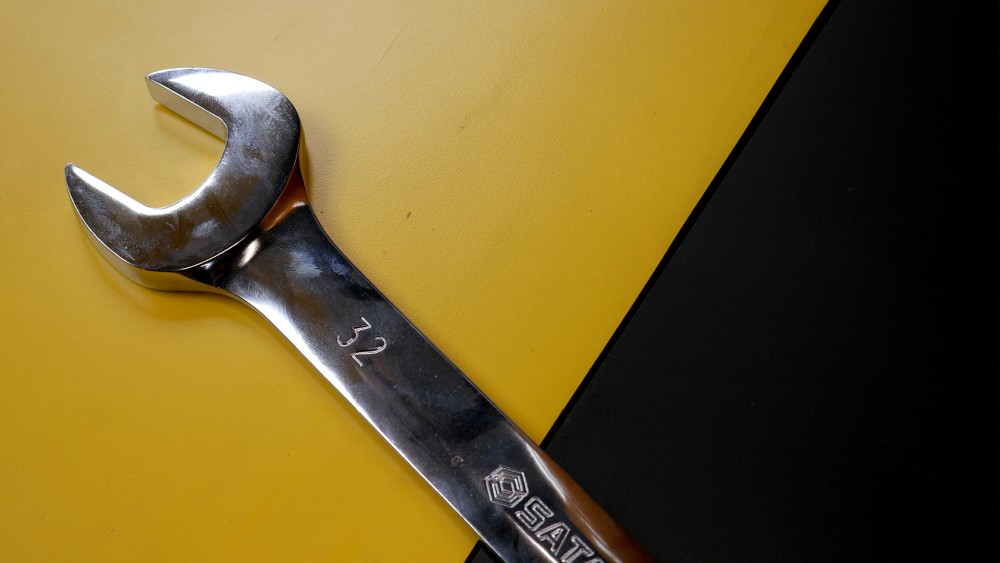
Open-End Wrenches Do Slip Easily, but They Weren't Designed to Replace Everything
Before diving into why we still need open-end wrenches, we must admit the truth: "Open-end wrenches really do slip more easily." This isn't about bias or a mechanic's skill level; it's purely a matter of physics and tool design. While a box-end wrench encloses the bolt head from all sides and a socket contacts all 6 sides, an open-end wrench grips the bolt head on only "two sides."
With less contact area, immense pressure is concentrated on just small points. Furthermore, by the very nature of the open-jaw profile, applying heavy torque tends to "push itself" away from the bolt head. This is the cause of that sudden "slip" or heart-wrenching "crunch" sound when tightening stubborn bolts—a red alert signaling that the bolt head is about to strip or round off, an experience every mechanic dreads.
Because in Real Life, There Are Tight Spaces Where Box-End Wrenches Cannot Reach
Real job sites aren't like instruction manuals, and this is where professional tradespeople learn from experience rather than textbooks. In reality, many fasteners aren't conveniently placed for easy access by all kinds of tools. Some sit flush against walls, tight against steel frames, behind cylinders, under bases, or hidden behind other components, leaving barely enough clearance for a thin piece of metal to slide in.
In such situations, no matter how good your box-end wrench is or how complete your socket set may be, you'll rarely get a chance to use them because they simply can't reach in the first place—not because the tools are bad, but because the space doesn't allow them to work.
This is precisely where the open-end wrench proves its worth. With its open-jaw design, thin profile, and minimal clearance required to slide onto fasteners, it becomes the only viable option that can "actually get the job done," even if it requires working slower and with greater caution.
We once encountered a machinery installation job where a bolt sat right against a steel beam with less than a centimeter of clearance. A box-end wrench couldn't slip over it, a socket wouldn't fit, and there wasn't even room to angle any tool in. Ultimately, the entire job at that point was resolved using an ordinary open-end wrench, turning it bit by bit, just a few degrees at a time, until the task was complete. It may not have been the fastest or prettiest method, and certainly not the first choice anyone would want, but on real job sites, the method that "actually works" is always more important than the method that looks best on paper.
And this is the primary reason why open-end wrenches still hold a spot in professional mechanics' toolboxes. It's not because they outperform other tools, but because they reach places other tools simply cannot. And for their role, that is more than enough.
Open-End Wrenches Are More of a "Starter" Tool Than a "Finisher"
Many professional mechanics don't see open-end wrenches as tools meant for final, heavy torquing. Instead, they typically use them as "openers" or "aligners."
Picture this: a bolt tightened rock-solid from the factory, or seized after years of use. In breaking it free, the approach angle is just as crucial as brute force. An open-end wrench lets you slip onto the target as fast as possible. Just a single "click" or nudge to break the bolt free, and once it starts turning, it's time to pass the baton to a box-end wrench or socket to quickly and safely spin it the rest of the way.
From this perspective, an open-end wrench may not be the star carrying the scene to the end, but it's an indispensable "opener." Because if no one gets things moving... the job simply can't go on.
Some Jobs Don't Need Brute Force—They Need Speed
"Did you know... in certain maintenance or installation jobs, 'speed' matters more than 'tightness'? This is where the open-end wrench truly shines. Its standout advantage—often overlooked—is agility. It can slip on and off bolt heads instantly, without needing to aim, slide over, or hunt for an angle like a box wrench."
"For pros who tighten hundreds of bolts repeatedly each day, saving a few seconds per spot adds up to massive time savings across a full workday. I've seen piping technicians alternate tightening and loosening in rapid succession with open-end wrenches. Work like this doesn't need tremendous torque; it demands continuity. And an open-end wrench is hands down the best answer."
Pros Know Its Limits and Never Force It
"The fine line between a novice and a professional isn't measured by tool brand—it's measured by the instinct of knowing when to stop. Novices often make the mistake of muscling an open-end wrench to overtighten a bolt, thinking 'it's still turning.' But for a pro, the moment they feel firm resistance or need to lean into it, they immediately know the open-end wrench's job is done."
"They put it down and switch right away to a more suitable tool to preserve the bolt's flats and save the wrench's jaws. The reason open-end wrenches remain a staple in top-tier toolboxes worldwide isn't because they're magical tools—it's because the users know their duties and limitations well."

High-Quality Open-End Wrenches Slip Far Less Than You Think
"A truth often overlooked: they may look identical, but quality is a whole different story." Frankly speaking, not all open-end wrenches are made equal. Even if they share the exact same external shape and size, the core construction differs vastly.
Cheap open-end wrenches hide flaws you won't notice on day one: inaccurate jaw tolerances and steel that is softer than standard. After a period of use, the jaws subtly begin to splay open unnoticed. As a result, the force that should be transferred to the bolt head gets misdirected, significantly increasing the risk of the wrench slipping off.
This issue is what built the false reputation that 'open-end wrenches strip bolt heads.' In reality, the problem isn't the type of tool, but its quality. In contrast, high-end open-end wrenches crafted with precision manufacturing and proper hardening offer a completely different feel. They fit snugly onto fastener heads, delivering steady and stable force transfer so you can control tightening or loosening with absolute confidence.
This is why professionals are willing to pay more for a quality set. It's not so it can replace box wrenches or sockets for every job, but so that when an open-end wrench is called for, they can trust it will do its job flawlessly without causing extra headaches on the jobsite.
The Open-End Wrench: Simple Yet Dependable
An open-end wrench has no moving parts, no gears, no springs, and no complicated mechanisms to maintain or worry about failing on the job. It's a simplicity many overlook, but professional mechanics value immensely.
In field work, outdoors, or maintenance environments filled with dust, mud, oil, moisture, or extreme heat, complex tools always come with failure points to worry about. An open-end wrench, however, gives you virtually nothing to second-guess. Grab it and use it right away without worrying about stiff mechanisms, worn gears, or internal components malfunctioning from dirt and debris.
Drop it on the floor? Pick it up and keep going. Covered in oil? Just wipe it off and carry on. No downtime, no waiting for repairs, and no special procedures required. This level of durability may not be flashy, but when deadlines are tight, workloads are heavy, and the jobsite is high-pressure, a tool that causes zero added hassle is exactly what a technician needs most.
This is another key reason why an open-end wrench is still always carried around. It's not because it's cutting-edge or superior to everything else, but because it is a simple, reliable tool ready for use in any situation where the job site leaves no room for error.
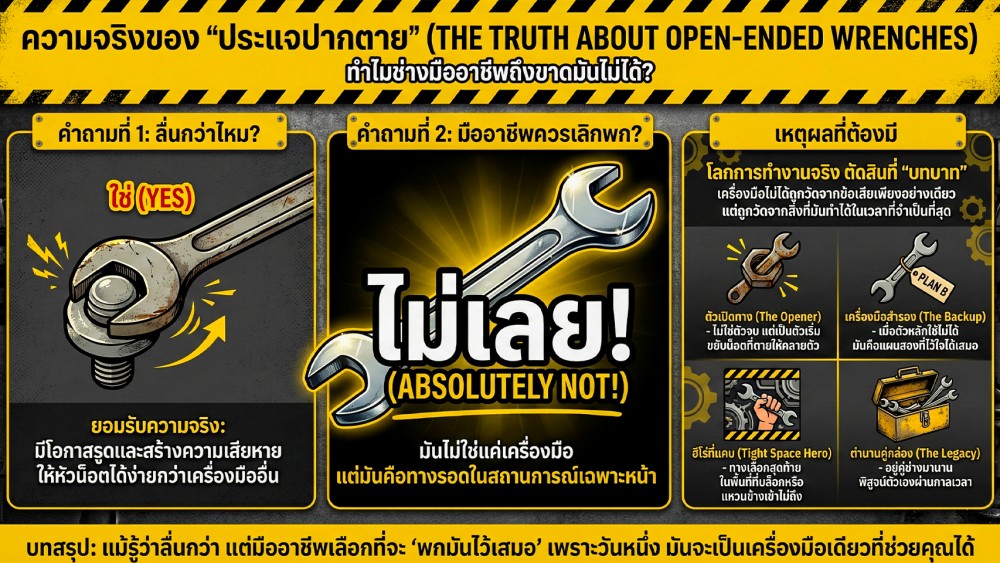
Summary
If you ask whether an open-end wrench slips more easily, the answer is yes. But if you ask whether professional tradesmen should stop carrying it, the answer is not at all. In the real working world, tools aren't judged solely by their drawbacks; they're judged by the role they play in specific situations.
An open-end wrench might not be the finisher, but it clears the way, serves as a backup, stands as the last resort in tight spaces, and has been a staple in toolboxes longer than many think. And that, in fact, is why professionals still always choose to carry it, even knowing it slips more easily.
Select Open End Wrenches here