


 EN
 ไทย


Customers Also Purchased

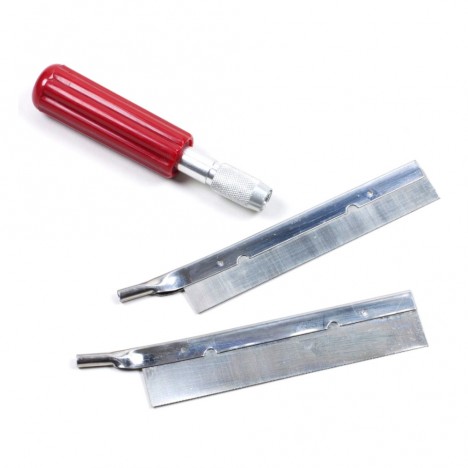


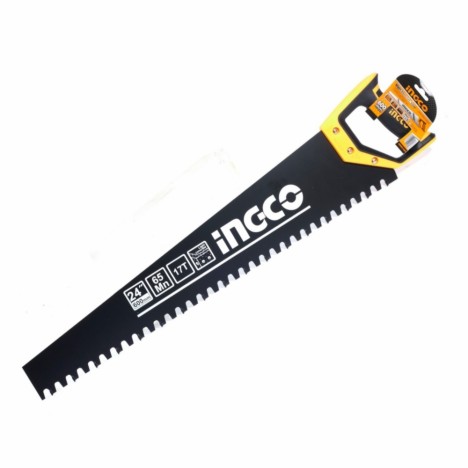

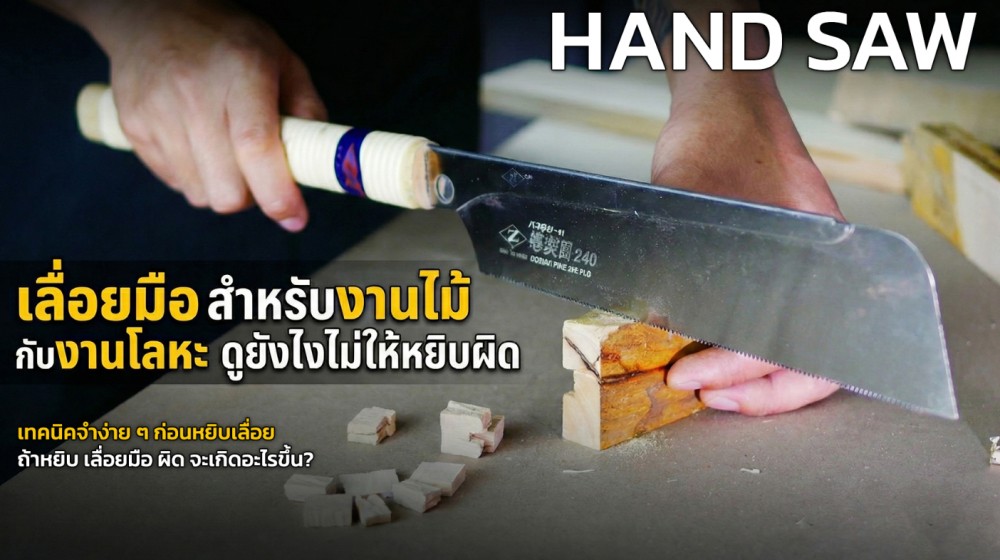
If you're a beginner who picks up hand saws two or three of them, wondering, "Can this handsaw cut wood? Or is it for cutting steel?" We can assure you that you're not alone. Even experienced tradespeople often grab the wrong one, especially during rushed jobs on-site, emergency repairs, or in workshops where various handsaws are mixed together. Some look remarkably similar with only slight differences in the teeth, yet the resulting performance is completely different.
From our hands-on experience, handsaws may seem simple, but they are equally tricky for both beginners and veterans. Many people judge them merely by "shape" or "familiar appearance" rather than the actual nature of the work. Grab the wrong one, and the cut starts binding, requiring much more effort, while the teeth begin wearing down unnoticed. Some people even blame the saw for being low quality, when in reality, it was just the wrong tool for the job from the start. So how do you identify the right one from the beginning—before your handsaw gets ruined, work slows down, or frustration sets in unnecessarily?
Handsaws: A Basic Tool, But Far From Basic
Many people see handsaws as basic tools that anyone can use. But in our experience, a handsaw is one of the tools where "choosing wrong ruins the job fastest." Especially when cutting the wrong material—whether using a wood saw to cut steel or forcing a metal saw through thick wood—the result is wasted effort, wasted time, and sometimes a completely ruined saw.
The interesting thing is that handsaws aren't designed just to "cut," but to "cut specific materials efficiently." The teeth design, tooth pitch, tooth angle, blade hardness, and even blade flexibility all affect the materials they are meant to cut.
Handsaws for Wood vs. Metal: Different Material Characteristics
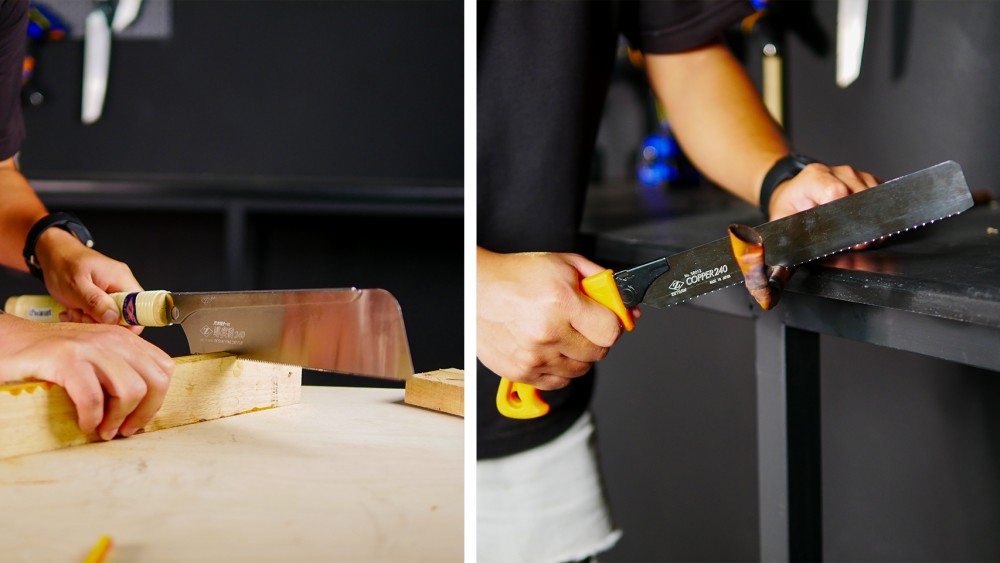
Handsaws for Woodworking
Wood is a fibrous, flexible material whose density varies by species, from softwoods like pine to hardwoods like red balau or teakhwood. When cutting wood, we don't snap or fracture it; rather, we continuously slice through the fibers along the saw teeth.
This means teeth for woodworking saws must be sharp enough to shear through grain, angled to bite into the material, and spaced with gullets to clear sawdust from the cut. If the teeth are spaced too closely together, sawdust packs into the gullets, causing the saw to bind, requiring more effort, and wandering off the cut line.
In our experience, a smooth, effortless wood cut isn't because you pushed hard, but because the saw teeth did their job correctly. The saw clears chips or curls of wood on every push or pull stroke, which is a clear sign you're using the right saw.
- Large, widely spaced, and clearly defined teeth: A wide tooth pitch is a clear sign of a wood saw. These teeth are designed to remove wood rapidly and, crucially, provide ample space for sawdust to clear continuously from the kerf.
- Steeper tooth angles: Wood saw teeth feature an aggressive angle that bites into the material, much like the teeth of herbivores designed to tear fibers rather than grind surfaces. This profile enables the saw to cut cleanly into the wood right from the initial stroke.
- Relatively flexible blade: Try holding the tip of a woodworking handsaw blade and gently flexing it; you will feel that the blade has some flexibility rather than being overly rigid. Many people overlook this point, but it is truly the heart of woodworking.
- Variety of saw shapes: Woodworking handsaws come in a wide range of shapes, from traditional panel saws for general cutting, Japanese pull saws focused on pulling action, coping saws for curved work, to miter saws for frame making and joinery.
Handsaws for Metalworking
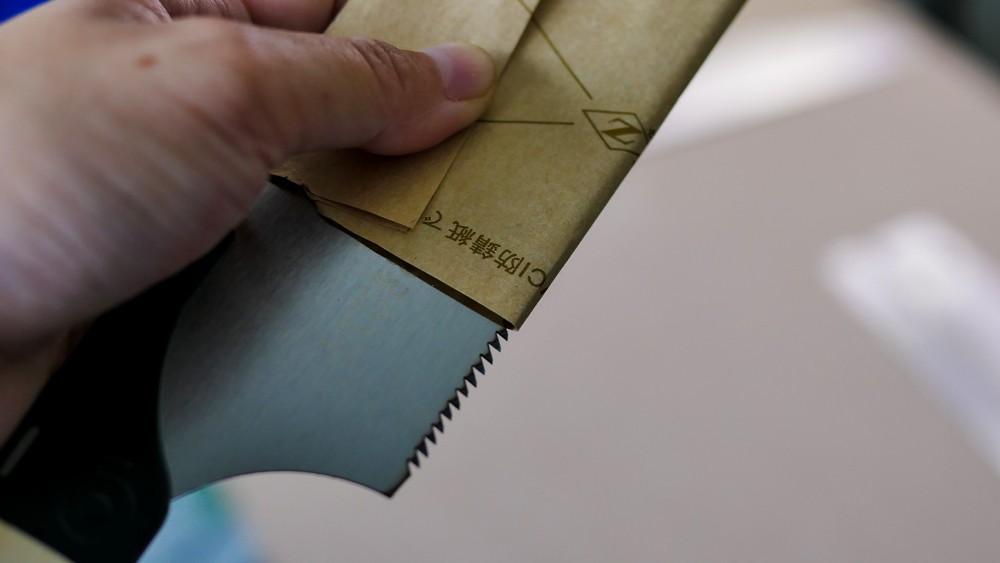
- Very small and fine teeth: These teeth are designed to distribute cutting force across multiple teeth simultaneously, reducing the direct load on each individual tooth—which is essential when working with hard materials like steel or stainless steel. In practice, fine teeth help provide a steady cut without catching or binding. Each tooth gradually bites into the metal surface, resulting in a consistent cut. Although the process appears slower than woodworking, it is a controlled slowness that is much safer for the blade.
- Rigid and thin blade: Blades are thin, rigid, and must be tensioned tightly, especially on familiar frame-style hacksaws. The purpose is not just to keep the blade looking taut, but to allow it to withstand high resistance from the metal without bending or vibrating excessively during the cut.
- Unidirectional teeth: Most metal saws are designed to cut on the "push" stroke rather than the pull stroke. The teeth therefore point in one direction to bite into the metal as forward force is applied and release pressure on the return stroke.
- Simple design focused on straightforward use: Metal saws typically feature a straightforward shape without complex curves or gimmicks. The frame primarily serves just two purposes: providing a comfortable grip and maintaining consistent tension on the blade.
What happens if you pick the wrong handsaw?
From our hands-on experience, we can straightforwardly conclude that picking the wrong type of saw doesn't just slow down your work, but often triggers a chain reaction of problems many people overlook—ranging from tool wear and damage to the workpiece to worker safety itself.
- Using a woodworking handsaw to cut metal: The teeth will wear down, chip, or break very quickly because they are designed to slice through wood, not to withstand friction and heat from metal. In some cases, the blade will bend or deform, causing the cut to wander and making it unsafe to continue using.
- Using a metal saw to cut wood: The work will slow down noticeably, requiring much more pushing force. The wood may splinter, tear, or leave a rough surface along the cut line—especially on long-grain or softwood, which should be cut with coarser, sharper teeth.
More importantly, both scenarios often force the user to apply excessive effort. Once you start forcing it and your hands tire, control over the cut line diminishes. The risk of the blade jumping, slipping from the groove, or striking your hands increases accordingly. A task that should have been straightforward ends up becoming unnecessarily exhausting and hazardous.
Simple tips to remember before picking a saw
Here is a simple rule of thumb that works great on the job, especially when you are in a rush or various saws are mixed together.
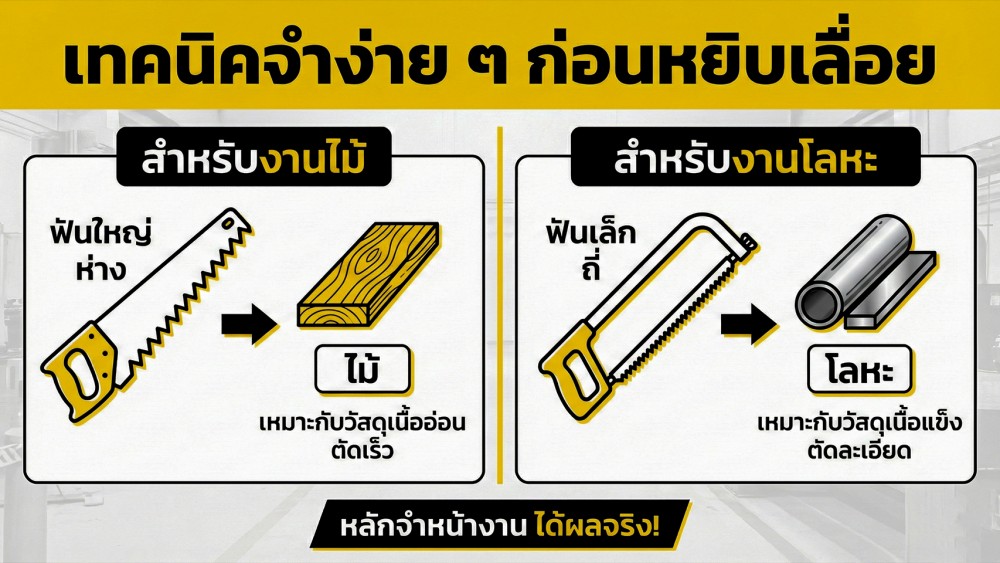
- Large, coarse teeth = Wood
- Small, fine teeth = Metal
However, if you want an extra level of confidence, we usually recommend checking a few more details before making the actual cut.
- Consider the expected debris: Wood should produce fine shavings or flakes, not fine powder.
- Try gently flexing the blade: A wood saw is more flexible, while a metal saw is noticeably stiffer and under higher tension.
- Check the tooth direction: Metal hacksaw blades must always be installed with the teeth pointing in the direction of the push stroke.
These quick rules of thumb combined with a little extra observation will greatly reduce the chances of picking the wrong saw, allowing you to start your work with confidence right from the first stroke.
Conclusion
Handsaws for woodworking and metalworking differ not just in name, but in their structure, teeth, and overall design philosophy. Knowing how to tell them apart from the start will make your work faster, neater, and safer. If you can simply remember that “wood uses coarse teeth, metal uses fine teeth,” you've already eliminated most mistakes.
Select hand saws to suit the application