


 EN
 ไทย


Customers Also Purchased
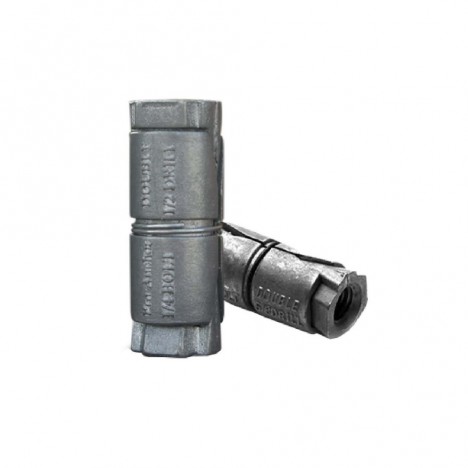
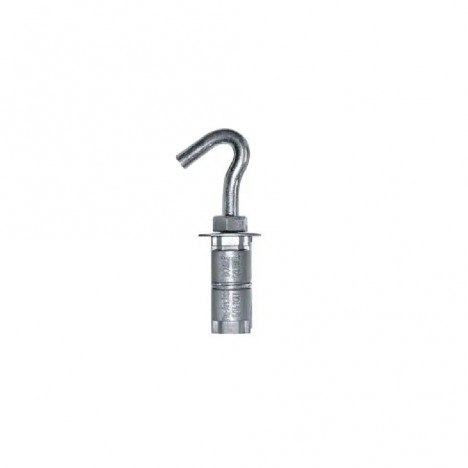
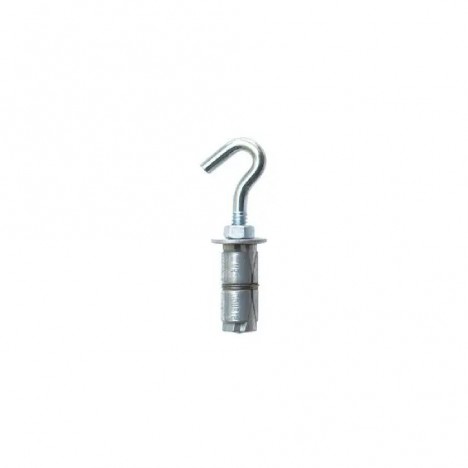
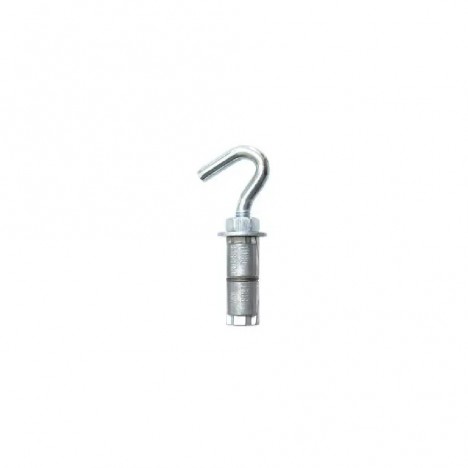
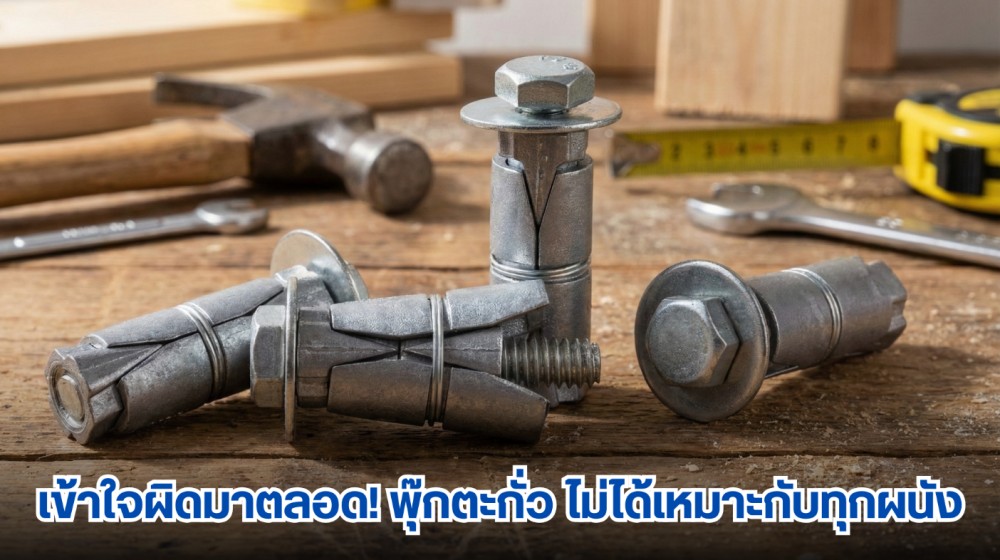
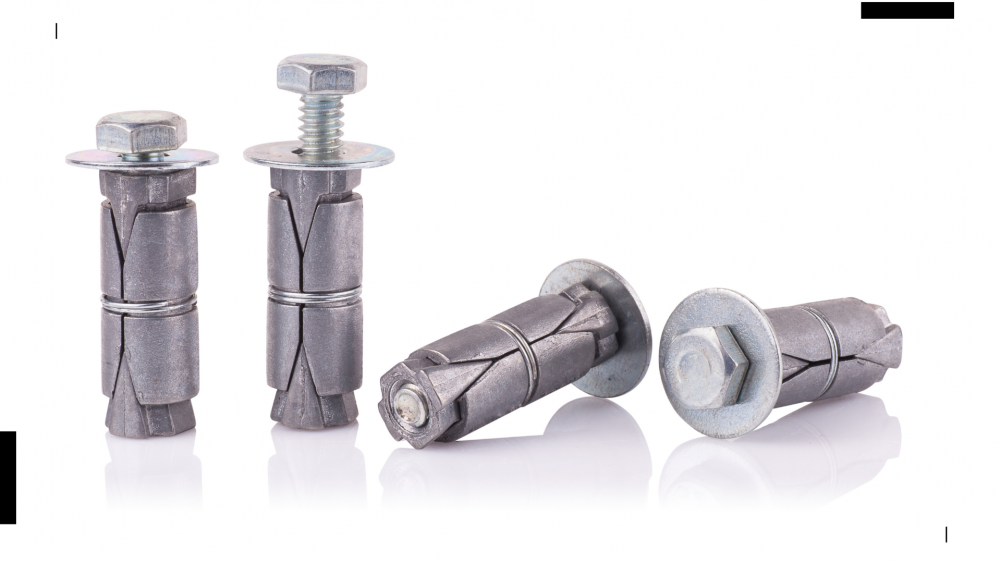
When it comes to drilling, fastening, and hanging—whether for professional trades or general DIY—there's one piece of hardware that many reach for almost without thinking: the "Lead anchor" With its reputation for strength, solid holding, and dependability, it's no surprise that it's often the first choice for hanging tasks, from shelves and rails to large, heavy equipment.
In practice, however, many have faced a similar issue: initially, everything seems fine, solid, and secure. But after some time in use, the mounted item begins to wobble or tilt slightly, and in some cases, eventually pulls out completely. This is a real-world problem that often gets blamed on the lead anchor "failing to hold."
In reality, the cause isn't always the quality of the anchor itself, but rather a misconception about strength—material strength does not mean it will perform well in every wall or under all conditions.
This article explores the often-overlooked reasons why lead anchors aren't designed for every type of wall, and why a job that should have been straightforward the first time can turn into a time-consuming and frustrating repair job if the wrong fastener is chosen from the start.
How Do Lead Anchors Work? The Crucial Detail Many Overlook
Before discussing which walls lead anchors are or aren't suitable for, the first step is to clearly understand how they function. Most problems stem not just from choosing the wrong wall, but from failing to understand "how this fastener actually holds."
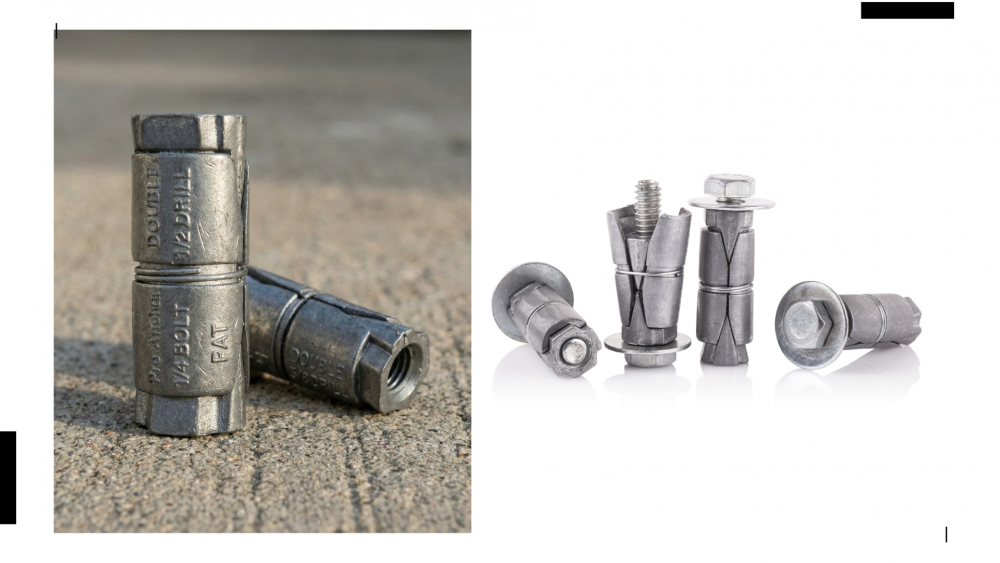
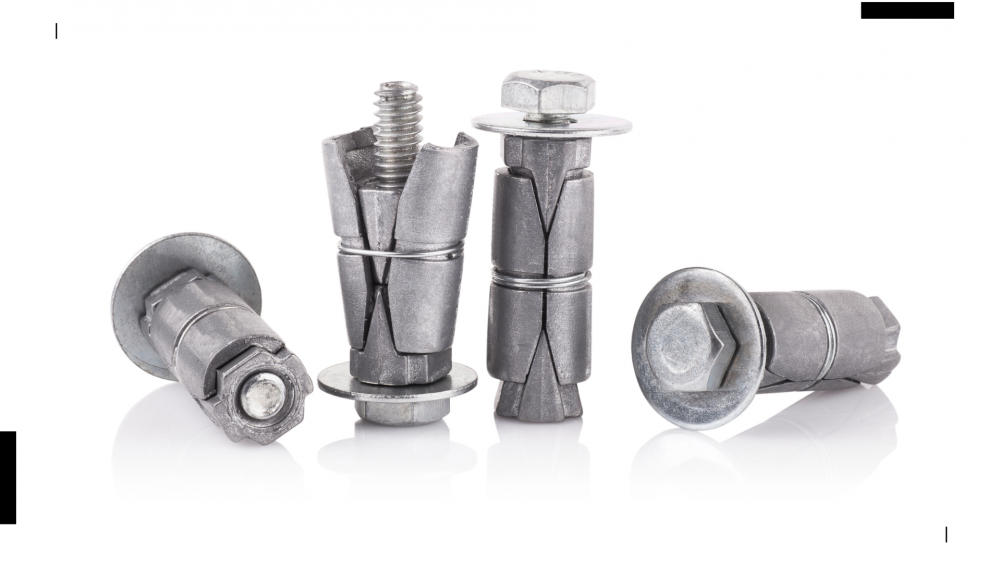
Lead anchors don't grip with teeth or threads like a screw driven directly into the material. Instead, they operate on the principle of "expansion." As the screw is driven in, the anchor body expands inside, exerting lateral pressure against the walls of the drilled hole. This outward pressure generates the friction that creates all of the holding power.
The crucial point is that the lead anchor hardly holds directly onto the screw itself. The tightness felt while driving the screw doesn't come from thread bite, but from the wall material being compressed by the anchor's expansion. Therefore, if the wall is solid, dense, and non-yielding, the anchor can fully expand and hold as securely as intended.
Conversely, if the wall material is crumbly, hollow, porous, or unable to withstand lateral pressure, the expansion of the anchor won't generate holding power. Instead, it will crack or crush the wall from the inside. That is the root cause of the common scenario: it feels tight during installation, but during actual use, the holding power gradually disappears.
From this perspective, it becomes clear that the issue isn't a weak lead anchor, but the fact that it relies entirely on the strength of the wall. If the wall is unsuitable, the anchor cannot perform at its best. This is why lead anchors are not suitable for all wall types, regardless of how strong and dependable the hardware itself may appear.
What type of wall does a lead anchor "actually work well" on?
1) Dense solid concrete walls (drilling hits solid concrete throughout)
If it is a dense concrete wall where drilling hits solid concrete throughout, this is the most ideal environment for a lead anchor. The expansion force exerted by the anchor is firmly supported by the wall material without causing it to easily give way or collapse.
When tightening a screw into this type of wall, the feeling is usually "progressively tighter," rather than being tight only initially and then loosening. The anchor rarely spins with the screw and does not easily deform. If the hole is drilled to the correct size, sufficiently deep, and tightened without rushing, most jobs are relatively simple and predictable.
Applications that typically work well with lead anchors on dense concrete walls include:
- General shelving
- Hanging rails / towel racks (not subject to heavy jerking or shock loads)
- Toolboxes / small cabinets
- Wall-mounted fixtures with repetitive operational loads, but no severe prying force
Note: "How much weight it can support" depends on the anchor size, screw, embedment depth, concrete quality, and installation location (e.g., near edges or cracks). Therefore, do not judge based solely on the anchor itself.
2) Walls that are "truly dense and solid" (found in some homes, but must be judged while drilling)
Some types of walls may look solid from the outside, but the inside can be a completely different story. The most direct way is to "judge while drilling." If you feel firm resistance while drilling, the material is dense, the dust does not billow abnormally, and the hole does not widen easily, then the lead anchor is much more likely to perform well.
However, if the drill bit bites unusually easily, an excessive amount of dust comes out, the material feels soft or crumbly, or the hole appears loose before inserting the anchor, consider it a "risk." The wall may not be suitable for the expansion pressure of an anchor.
What types of walls do people commonly misuse lead anchors on?
1) Clay brick / porous brick walls
This is a classic case of "tight at first, fails later." Clay bricks are porous and lack the dense structural integrity of concrete. When the lead anchor expands, the expansion force easily cracks, crushes, or crumbles the interior brick material.
When tightening the screw, some people might feel it's tight at first because the anchor has started pressing against the wall. But once it bears actual weight over time, the continuously stressed brick material gradually yields, and the holding power slowly degrades. Eventually, the mounted object begins to wobble.
What frustrates people is that it often doesn't fail immediately; it loosens "gradually." This leads us to mistakenly assume it's working fine—until one day it falls off at the worst possible moment.
2) Autoclaved aerated concrete (AAC) walls
AAC walls are widely used in many homes because they are lightweight and easy to work with. However, in terms of anchoring, the surface and structural composition are much "softer" than concrete. Using lead anchors, which rely on high expansion pressure, is rarely a reliable choice—especially for applications subjected to repetitive loads or leverage forces.
It's not completely unusable in every scenario, but if you expect "long-term firmness" without taking chances, you should look for anchors designed specifically for this type of wall instead.
3) Drywall / Gypsum board
To be completely honest, you really shouldn't force it. Gypsum boards have no solid base for lead anchors to expand and grip into. No matter how tightly you fasten them, it's essentially anchoring into a thin board; once an item is hung, its weight will deform the board or easily pull it loose.
For drywall work, the "anchoring principle" is completely different; you must use anchors or hardware specifically designed for drywall.
4) Thin-plastered walls / Plaster over soft, unstable materials
A very common trap is drilling in and having the anchor expand within the "plaster layer" instead of the main structure. Once an actual load is hung, the anchor pulls off the entire chunk of plaster, resulting in a gouged hole and costly repairs.
5) Thin concrete / Hollow-core slabs
Some areas may look like solid concrete, but they are actually thin slabs or contain hollow voids. If you drill and do not hit solid, dense material throughout, lead anchors might not expand fully, resulting in a hold that isn't as secure as expected. The danger here is that many people see concrete and become overconfident, even though the internal structure isn't like a solid concrete block.
Why it's "tight when tightened" but "becomes loose with use" (The truth behind almost every case)
During installation, tightening the screw feels firm because it creates short-term pressure. In real-world use, however, repetitive daily forces occur, such as:
- Tension from the continuously hanging load
- Vibration from regular operation and use
- Minor prying forces from grabbing, handling, or bumps
- Sudden jerk loads (in some cases), like pulling hard on a rail or hanging and swinging an object
These forces gradually degrade the "wall material around the hole," especially in porous or easily crushed walls. The anchor may remain in the hole, but the wall material that should provide resistance begins to give way. Ultimately, what you notice first is "looseness," and if left unattended, it will eventually "fall out."
Pre-drilling checklist (greatly reduces the chance of failure)
Nong Chang has compiled a quick, practical checklist of questions to ask before deciding to pick up a lead anchor.
1) Is the wall solid? "Observe while drilling"
- Drilling gives strong resistance = More reliable
- Drill bit penetrates very easily with excessive airborne dust = Risky
- Feels soft when drilling, or the hole widens easily = Very risky
2) Is the drilling spot near the wall edge?
Working near edges is usually riskier because the wall material is more prone to cracking or chipping, especially porous materials.
3) Does the application involve "prying" or "jerking" forces?
Some loads aren't very heavy, but involve leverage—such as brackets that extend far out, or objects frequently grabbed/pulled. These loosen the hole more easily than static hanging loads.
4) Does the wall have cracks or chipped plaster?
In spots with existing cracks or crumbling plaster, no matter how good the anchor is, it risks loosening quickly because the wall is not structurally sound to begin with.
How to use lead expansion anchors on "suitable walls" for worry-free results
This section isn't about overblown tricks; these are practical steps that make a real difference on-site, because with lead anchors, a tiny mistake can lead to loosening that is hard to diagnose.
1) Drill to the "correct size": Lead expansion anchors require an exact hole size. If the hole is too large, the anchor expands without gripping firmly; if too small, the anchor won't go in fully or deforms upon insertion.
2) Drill to "sufficient depth": If the hole is not deep enough, the anchor won't seat completely. It might seem tight, but it won't be gripping over its full contact area.
3) Clean out the hole (more important than you think): Dust in the hole prevents the anchor from gripping the wall fully. In some cases, it feels tight during tightening, but it's just compressed dust; once in use, the dust shifts and holding strength drops.
4) Tighten without "overforcing": Overtightening causes some wall materials to compress or fracture internally, even if you think it's getting tighter. Good workmanship means securely snug—not crushing the wall until it breaks.
Warning signs that things are going wrong (stop immediately if seen)
- The anchor spins when tightening the screw
- Tight at first, then the wall seems to crumble or give way
- A lot of concrete dust or brick debris comes out while tightening.
- The hung item starts tilting, even though it looked straight during installation.
- Shaking it gently reveals play or looseness.
If you experience this and "force it tighter anyway," in most cases the hole will become looser and suffer worse damage.
Why some technicians "avoid lead anchors" even though they look strong
Because here is how technicians think: being strong alone isn't enough; it must also "suit the wall." Lead anchors provide exceptional holding power in solid concrete walls, but in unsuitable walls, their expansion force quickly turns into destructive force against the wall. Technicians handling a wide variety of jobs often choose other types of anchors or fixing methods right from the start to ensure reliable, worry-free results.
Choose lead anchors right the first time
Here is a brief, easy-to-understand 2-line summary from our technician team:
- If the wall is completely solid and handles outward pressure well → Lead anchors have a high chance of success.
- If the wall is crumbly, porous, hollow, or thin → Do not force lead anchors, as they usually lead to repair jobs.
And if you must trust anything before starting, trust "the feel while drilling" rather than guessing from the wall's surface. If drilling meets resistance and feels dense, it is more reliable. If it drills too easily, produces excessive dust, or feels soft, be cautious.
Lead anchors are not at fault; they just need to be used on the right wall
Double Expansion Anchor It is a great product that works exceptionally well on solid concrete walls where drilling hits solid concrete all the way through. But the reason many people end up disappointed isn't always because lead anchors are bad; it's often because we use a "strong fastener" on a "wall that cannot withstand that kind of expansion force." If you can remember only one sentence from this article, remember that Lead anchors truly hold tight... but only on walls capable of withstanding their expansion force. Choose the right wall from the start, and the job will be done easily, the wall won't be ruined, and you won't have to waste time redoing it.