


 EN
 ไทย


Customers Also Purchased


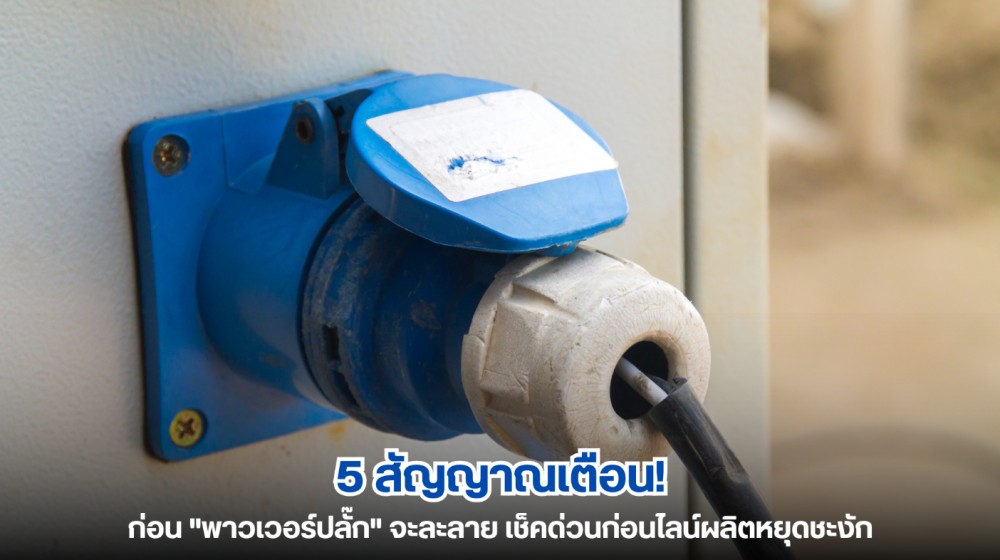
In the industrial world, "Time is Money" is no exaggeration. Imagine this: while heavy machinery is running at full capacity to meet client deadlines, the entire production line suddenly goes dead! Sirens blare, maintenance teams scramble to find the root cause—the control panels look fine, the breakers haven't tripped, and the motors aren't burnt. So what happened? By the time technicians trace the wiring back to find the culprit is a "Power Plug" (Power Plug) costing just a few hundred THB, tucked away behind a machine, which melted and suffered damaged contact surfaces, hours have already passed. The resulting downtime damage can easily run into hundreds of thousands or even millions of baht.
Many people overlook power plugs or industrial plugs, viewing them merely as passive electrical pass-through components that are done once installed. In reality, they are the "front line" that must carry massive electrical currents, withstand vibrations, dust, water droplets, and chemicals. In this article, Nong Chang will put on a safety helmet, grab a flashlight, and shine a light on the "secrets" of power plugs, diving deep into 5 critical warning signs they give us so you can prevent disaster in time before it strikes your factory.
Understanding the Silent Enemy: "Why Do Power Plugs Melt?"
Before we look at the warning signs, let's understand a little bit of the scientific mechanism: where does the heat come from?
Electrically, heat generated at connection points follows Joule's Law, which is directly proportional to electrical resistance. The looser the connection or the dirtier the contacts, the higher the contact resistance climbs. When electrical current flows through a point of high resistance, it converts electrical energy into "heat". The higher the current, the more the heat multiplies. Once accumulated heat exceeds the plastic insulation's melting point, disaster strikes.
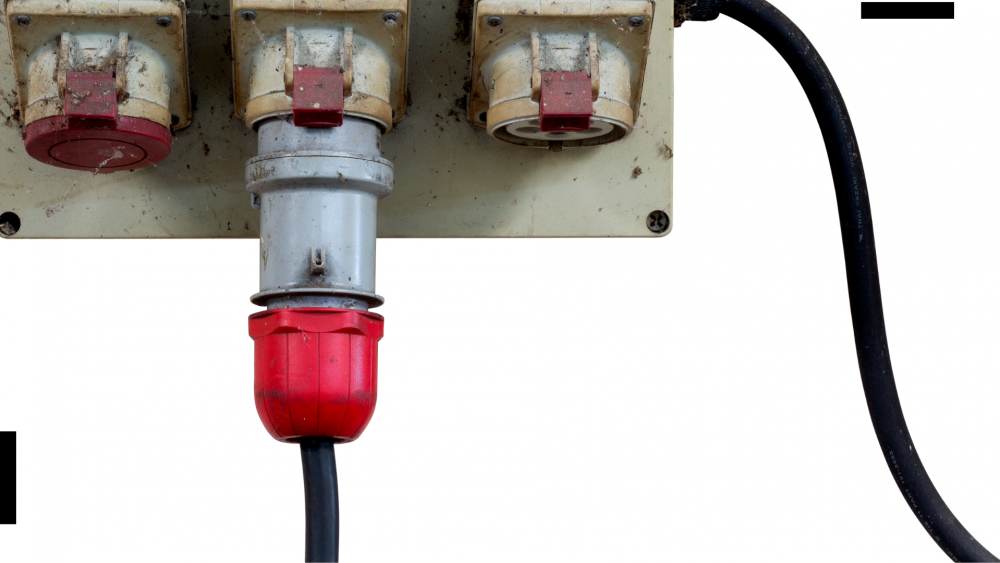
In-Depth Look at 5 Warning Signs! Before Your Power Plug Gives Up the Ghost
These signs don't happen out of nowhere; they develop gradually. If we know what to look for, we can resolve the issue in time.
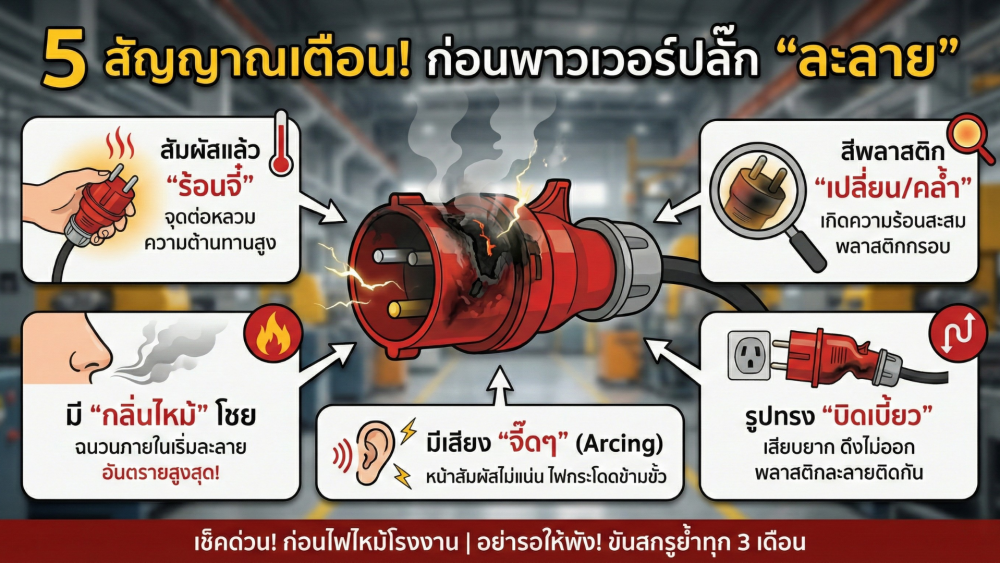
1. Touch Signal: "Abnormal Heat Buildup"
This is the earliest and easiest sign to check, yet it is the most neglected!
Symptoms: When you touch the body of the power plug (preferably using the back of your hand for safety, or wearing appropriate gloves) while the machine is operating normally, a quality and properly installed plug should be near room temperature or only slightly warm from current flow.
Critical Point: If it feels "scalding hot", makes you recoil, or feels like holding a hot cup of coffee (temperatures exceeding 50-60°C), assume immediately that something is wrong.
The Cause: This is often caused by a "loosened screw" inside the socket or plug, preventing the brass contact surfaces from making full 100% contact. Impeded current flow generates heat.
Pro Inspection Tip: For factories with standard maintenance protocols, we recommend using a thermal imaging camera to scan power plug connections monthly. You will see red hotspots clearly displayed even before hands can feel them.
2. Visual Signal: "Plastic Discoloration"
Plastic never lies to us!
Symptoms: Observe the base of the pins or the circular receptacles of the female connector. If you start seeing color changes—such as bright red turning dark red, white turning pale yellow, or dark brown burn marks—take notice.
The Cause: This is evidence of micro-arcing (tiny internal sparks occurring repeatedly over a long period) or accumulated heat gradually baking the plastic until brittle. Discoloration indicates that the insulation's molecular structure has begun to degrade.
Risks: Brittle, discolored plastic becomes fragile, easily cracked, and loses its dielectric properties, posing a high risk of electrical short circuits.
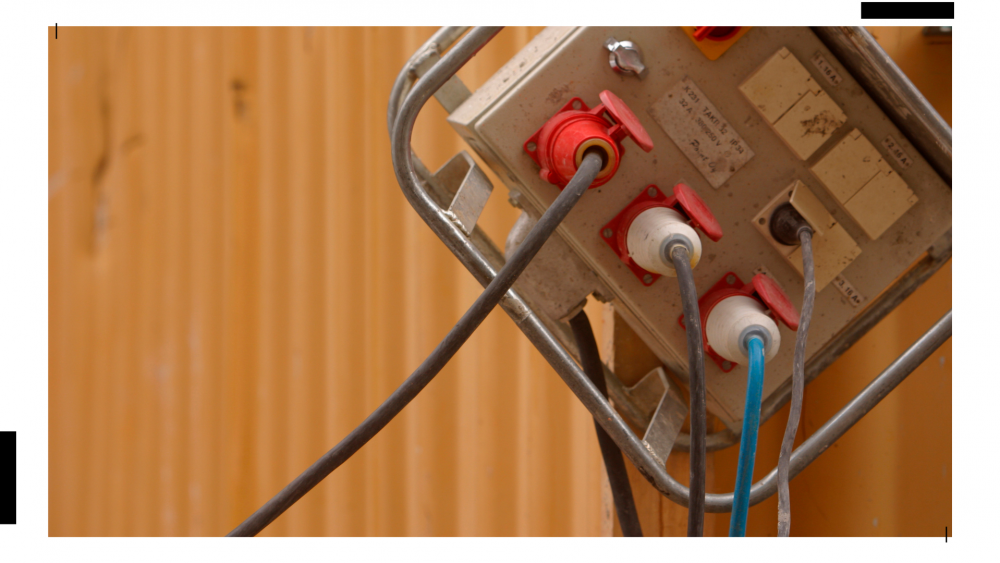
3. Olfactory Signal: "A striking burning smell" (Burning Smell)
Whenever your nose catches this smell, it's a "Red Alert" level warning.
Symptoms: While walking past a production line or electrical panel installation point, you detect the burning stench of plastic or a sharp chemical odor (Acrid Smell).
Cause: Most industrial power plugs are made from engineering plastics such as Polyamide 6 (PA6) or Polycarbonate. When exposed to high heat until they begin melting, they emit a distinct odor. This smell indicates that "the insulation is melting and could catch fire."
What to do: Do not sniff repeatedly to verify! Quickly locate the source, immediately cut off the electrical circuit (Cut-off), and keep a CO2 or dry chemical fire extinguisher nearby, as a fire could break out at any second.
4. Physical Signal: "Deformed shape, difficult to plug in or pull out" (Deformation)
This symptom is often encountered during maintenance or when unplugging at the end of a shift.
Symptoms: Normally, standard IEC 60309 power plugs are designed to be inserted and removed with a reasonable amount of force. But if one day you feel that "why won't the plug come out today?" or "it barely fits" and requires forceful pushing,
Cause: Heat accumulated inside causes plastic deformation, swelling, or melting to the point where the male and female connectors fuse together (Weld together).
Cautions: Never hit it with a hammer or pry it open with a screwdriver, as this may break internal contacts or cause an electric shock. The only solution is to "cut it off and replace the entire set."
5. Auditory Signal: "Hissing or buzzing noise" (Buzzing or Crackling Sound)
Electricity... actually makes sound, if you listen carefully.
Symptoms: In a quiet area, try bringing your ear close to the connection point (maintaining a safe distance). If you hear continuous "crackling... popping" sounds or a "humming" buzz,
The Cause: this sound is caused by Arcing. Electricity is jumping across air gaps between loose contact points. It's a sign that the current flow is discontinuous; the louder the sound, the more dangerous it is.
Impact: Besides damaging the plug, electrical noise from this arcing also adversely affects other electronic devices in the system or can cause machine control boards (PLCs) to malfunction.
What is truly the culprit destroying power plugs?
Once you know the warning signs, we must understand the causes to fix the root problems. The main causes that make power plugs melt are as follows:
1. Loose Connection - The #1 Cause
This is the most common cause, accounting for over 80% of cases. Some technicians may tighten the screws securely at first, but factories have "vibration" from machinery. This vibration gradually loosens the screws bit by bit until gaps form.
Solution: Re-tightening or retorquing screws must be performed according to the preventive maintenance (PM) schedule every 3-6 months.
2. Improper Wire Stripping
Stripping the wire too short results in incomplete contact area, while stripping it too long leaves exposed copper risking short circuits. Furthermore, not using cord end terminals with stranded wires can cause the copper strands to break when tightening the screws, resulting in poor electrical conductivity.
3. Harsh Environment
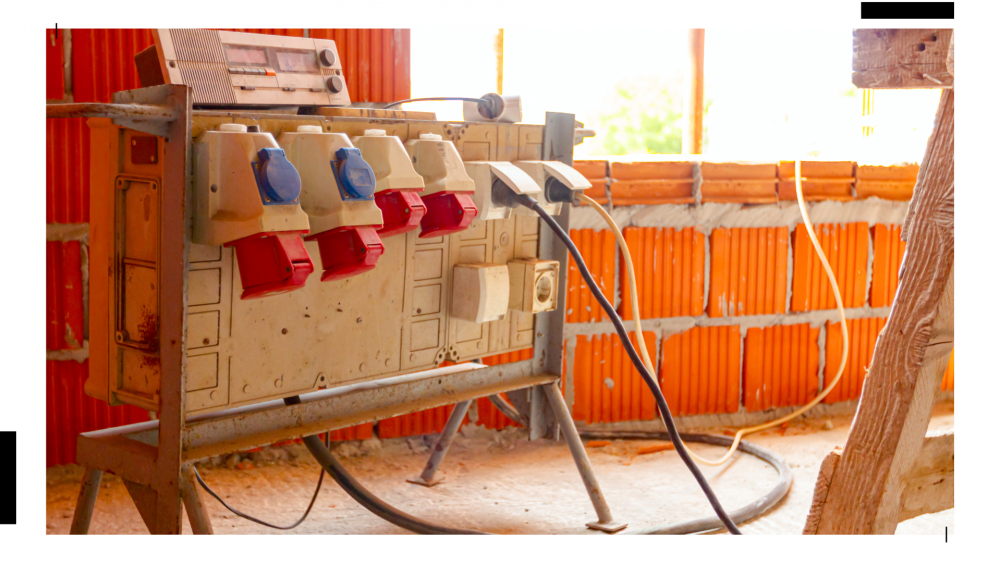
Using the wrong type of power plug, such as using an IP44 plug (dust and splash resistant) in areas subject to heavy washdowns or high humidity, allows water to seep in and corrode the brass contacts into green rust (oxidation), which leads to poor conductivity and ultimately heat buildup.
4. Overload
Using a 16A-rated power plug with a machine that draws 20A, or during motor startup with high inrush current, may not melt the plug immediately, but it will cause it to deteriorate rapidly.
Power Plug Maintenance Guide
To prevent production line downtime, here is the checklist you should follow:
1. Visual Inspection:
- Check the plastic color
- Inspect the cable condition around the plug neck (cable gland) for any bending, kinking, or tearing.
- Check whether the protective cover still snaps shut securely (to prevent dust ingress).
2. Physical Check:
- Always disconnect power first (Lockout/Tagout).
- Gently pull the wires to check if they are tight and secure.
- Disassemble the plug and "re-tighten the screws" at all connection points.
- Spray contact cleaner to remove arc marks and oxide buildup.
3. Replacement:
- If any burn marks are found, even minor ones, "replace immediately"—don't try to save it.
- Replacing a power plug that costs a few hundred baht is definitely more worthwhile than replacing a control board that costs tens of thousands.
How to choose a "power plug" that solves the problem once and for all?
Ultimately, the best prevention is choosing quality products from the start.
1. Choose a reliable brand: Avoid cheap, unbranded products with no clear origin. Leading European brands or certified Asian brands typically use Polyamide 6 or 66 materials, which resist heat and impact much better than low-grade plastics.
2. Contact pins: Quality contacts should be solid brass or nickel-plated to enhance corrosion resistance.
3. Choose the right IP rating for your application:
- Indoors and dry: IP44 is sufficient (budget-friendly)
- Outdoors, rain-exposed, washdown areas: IP67 is a must (a bit more investment, but well worth it)
Conclusion
Power Plug It's like the "goalkeeper" in a football team; we rarely notice their importance, but if the goalkeeper makes a mistake, the team loses (the machine breaks down) immediately.
Constantly observing the 5 warning signs—heat, discoloration, burning smell, deformed shape, or abnormal noise—is an essential duty for every maintenance team. Don't let a small issue turn into a disaster. Start inspecting the power plugs in your factory today for safety and sustainable production efficiency.
Once you've finished reading, take a walk and check a machine near you... is it running hot?
Key takeaways
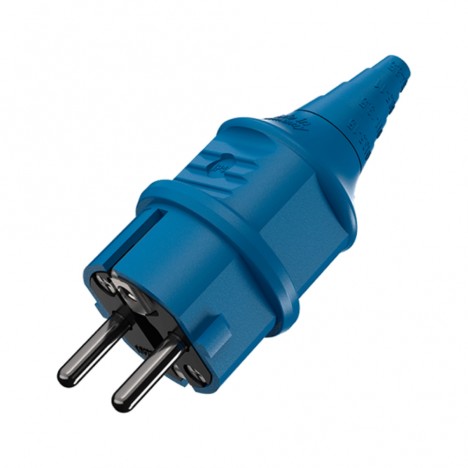
- A power plug is also known as an Industrial Plug & Socket.
- The governing international standard is IEC 60309.
- The plug color indicates the voltage: Yellow (110V), Blue (230V), Red (400V)