


 EN
 ไทย



Customers Also Purchased
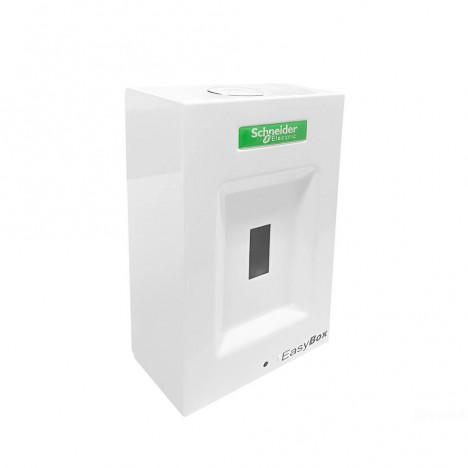
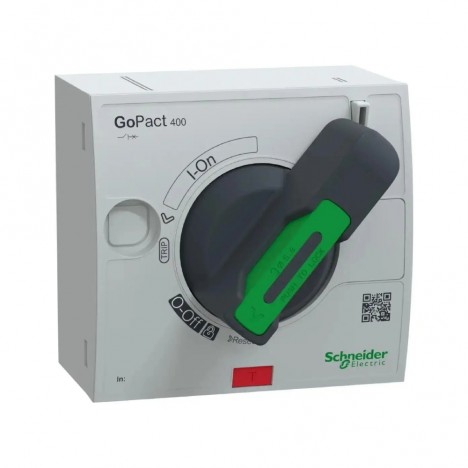
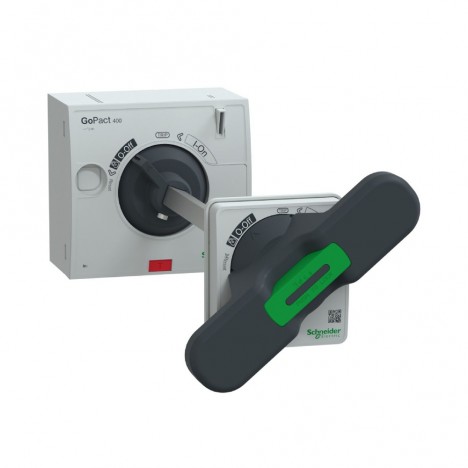
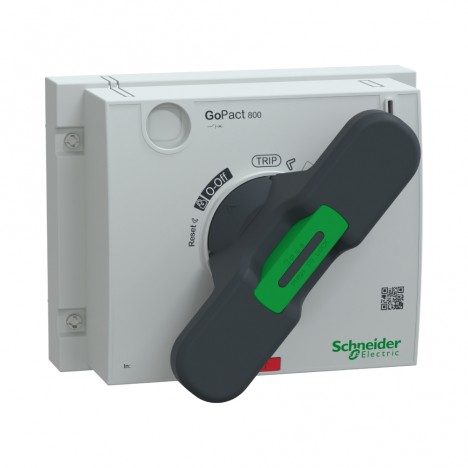
In many homes, Circuit Breakers it's a device that sits quietly and rarely crosses anyone's mind—until one day it begins to "trip more frequently than usual." What used to trip once in a blue moon starts happening regularly: once a month for some homes, or almost every week for others. And that's precisely when many people start to realize that household electrical issues might not be as minor as they once thought.
What often happens is that we tend to treat a circuit breaker as just a simple cutoff switch: whenever it trips, we flip it back on and carry on as if nothing happened. In reality, every trip is a signal that the electrical system is trying to give us—whether it's an overload starting to build up, a faulty appliance, or a small spot in the system quietly accumulating risk before any immediate damage is visible.
In this article, our technician team wants to help you see the breaker from another angle—not as an intimidating, complex piece of technical equipment, but as a sentinel warning you about the condition of your home's electrical usage: what you can still manage yourself, and where you should stop and call a professional before a small problem quietly turns into a major disaster.
What is a Breaker Trip and What Is It Trying to Tell Us?
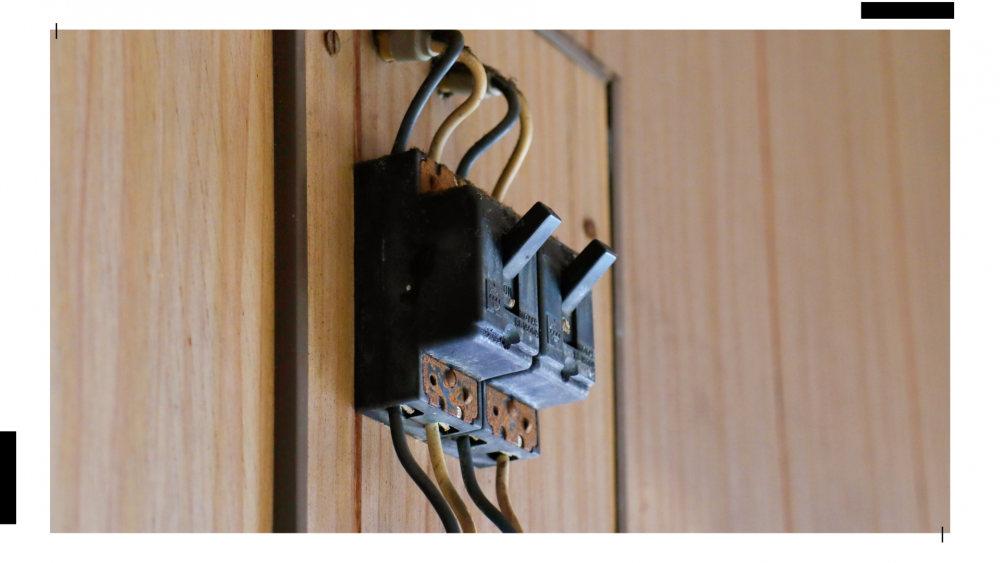
To the average person, a circuit breaker might just be an "automatic cutoff switch" that you flip back on during a power outage. But from the perspective of an electrical system, the breaker is the final line of defense, constantly standing guard. Its role is not just to cut power, but to protect wiring, electrical appliances, and the people in the home from damage caused by abnormal currents.
Every time a breaker trips, it doesn't mean it's malfunctioning; it means it has detected an abnormal signal in the system. This could be current exceeding design capacity, excessive heat accumulation within the circuit, or current leakage and faults from connected appliances.
To put it simply: a breaker doesn't trip because it "can't handle the load anymore," but because it recognizes that if the current continues to flow, damage won't stop at the breaker itself—it could spread to the wiring, walls, or downstream devices.
Therefore, the trip itself isn't the problem; it's the symptom of the problem. If we only address the symptom—like replacing the breaker without finding the root cause—the problem will inevitably return.
Common Causes of Frequent Breaker Tripping
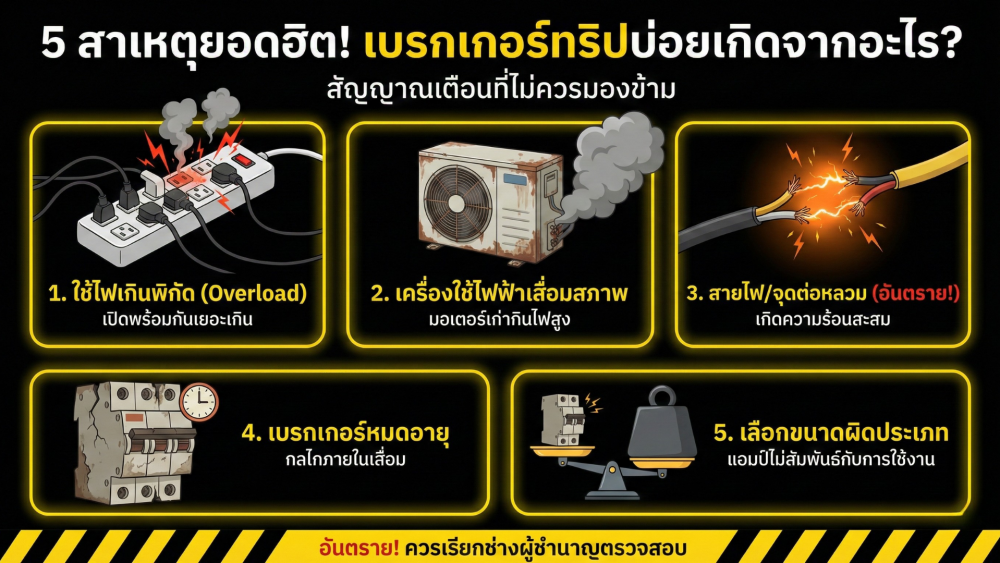
Electricity consumption exceeds the capacity of the circuit breaker and electrical system
This is the number one cause that our technicians encounter in almost every home, especially older houses where electricity consumption habits have changed dramatically.
Imagine a detached house 20 years ago: one air conditioner, one TV, and one refrigerator were already considered heavy electricity use. But today, that same house may have multiple air conditioners, a water heater, a microwave, a washer-dryer combo, and numerous other electronic devices.
When several appliances are operated simultaneously, the total electrical current can exceed what the circuit breaker was designed to handle. As a result, the circuit breaker trips to prevent the wiring from overheating and causing danger.
The key point is that in this case, the circuit breaker is not broken; it is doing its job correctly.
Appliance issues, but people often blame the circuit breaker
Another very common case our technicians encounter is deteriorating appliances, especially motorized equipment such as air conditioners, water pumps, or washing machines. When motors start having issues, they draw higher current than usual, even if they still appear to work normally on the outside.
In this situation, the circuit breaker is the first to “know” that something is wrong and cuts off power before the damage escalates.
Many people replace the circuit breaker with a new one only to find the problem persists. That is because the root cause was never the breaker itself, but the appliance connected to that circuit.
Loose wiring or connections: unnoticed heat buildup
This cause is more dangerous than many people think, as it shows no clear symptoms at first.
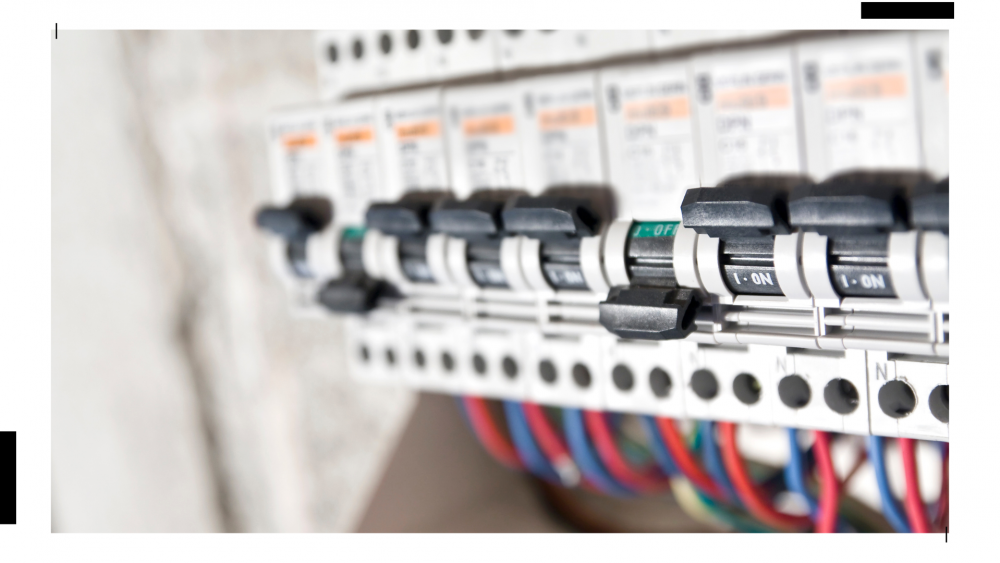
Loose terminal connections, old wiring with stiffening insulation, or substandard splices create higher electrical resistance. As current flows through, heat gradually builds up until the circuit breaker detects it and trips.
The problem is that in some cases, the accumulated heat may be high enough to melt wire insulation or create sparks *before* the circuit breaker even trips.
If you have ever noticed a faint burning smell from your electrical panel or felt that a circuit breaker is unusually hot, that is a warning sign you should never ignore.
Circuit breaker degradation over time
Although many people think circuit breakers last forever, in reality, they have a limited lifespan. Internal mechanisms can wear out, especially in breakers that have tripped frequently.
When the mechanism loses its precision, it may trip more easily than normal, or in some cases, fail to trip at all—both of which pose serious risks.
A circuit breaker tripping frequently with no clear pattern, even under light electrical loads, may be a sign that it is reaching the end of its lifespan.
Using the wrong type or size of circuit breaker
Some households use an oversized breaker thinking that "bigger means more durable," forgetting that the wiring inside the walls might not be designed to handle such high current.
Conversely, in some cases, a circuit breaker that is too small is used for loads with high power surges, such as motors, causing frequent trips even if the system does not have a serious fault.
Choosing a circuit breaker isn't just about looking at the amperage rating; it must also match the type of load, wiring, and actual operating conditions.
Which issues can be fixed yourself, and which are not worth the risk
Cases that you can initially check yourself
In reality, there are several points that homeowners can check themselves without needing to open the breaker panel, dismantle the system, or mess with dangerous wiring. These steps are more about "observing the electrical system's behavior" rather than performing repairs.
A simple approach is to try finding a connection between when the circuit breaker trips and what is being used at the time, because these small details help clarify the root cause of the problem significantly.
- Notice which appliance is being used when the circuit breaker trips, such as running the air conditioner along with a water heater, or if turning on a specific device immediately trips the circuit breaker.
- Try unplugging some electrical appliances and turn them back on one by one to see which device triggers the circuit breaker trip.
- Avoid using multiple electrical appliances on the same circuit simultaneously, especially high-power devices, because sometimes the problem isn't with any single appliance, but rather with an overloaded total capacity.
The most important thing at this stage is to observe, not repair. If you are not confident about electrical systems, randomly disassembling, tightening, or tinkering will not only fail to solve the problem, but also unnecessarily increase risks for yourself and your entire home's electrical system.
Cases where you should stop immediately and call an electrician
There are certain warning signs that clearly indicate you should not try to fix the issue yourself or keep experimenting, because the resulting damage might not just be a tripped circuit breaker, but could spread to the wiring, equipment, or even the structure of the house.
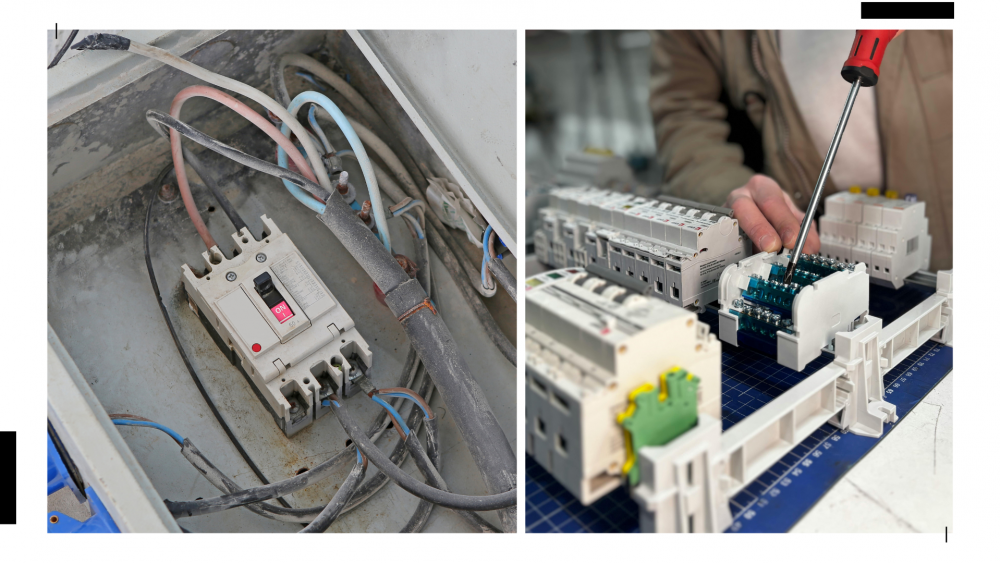
- Abnormally hot circuit breaker or wiring Even when there isn't heavy power usage, heat is one of the most dangerous warning signs in an electrical system because it indicates abnormal current flow or high resistance buildup inside.
- Burning smells, popping, buzzing, or abnormal noises from the breaker panel These signs are often caused by electrical arcing or deteriorating insulation, which in many cases is the starting point of an electrical fire.
- Circuit breaker trips immediately when switched on Regardless of which device is switched on, this indicates that the problem may be in the internal system, wiring, or the circuit breaker itself, requiring specialized tools and expertise to inspect.
- Circuit breaker trips even with almost no power usage Such as tripping in the middle of the night or when no one is using electricity at home; this could be a sign of current leakage or a hidden fault within the system.
In these situations, calling an electrician is not an indulgence, but the most prudent decision. An experienced technician can pinpoint the root cause, fix it safely, and truly minimize long-term risks to life and property.
Frequently Asked Questions About Circuit Breaker Tripping
Many people wonder if frequent breaker trips are dangerous. The answer is yes, they can be, if you overlook the actual cause. Frequent tripping is a sign that the system is operating beyond its limits or experiencing an abnormality.
Another common question is whether replacing the breaker will solve the problem. The answer depends on the cause: if the root cause is a worn-out breaker, replacing it will help. But if the problem lies with the load or wiring, replacing the breaker alone might not help at all.
A circuit breaker is not an enemy, but your most faithful guardian.
Circuit Breakers It is one of the few devices in the house that "sacrifices itself" to protect the entire system. Every time it cuts the power, it is telling you that something is wrong, and you should stop and listen.
If your breaker trips frequently, don't view it as an annoyance; see it as an opportunity to inspect and prevent major problems before it's too late. In the world of electrical systems, small issues that are ignored often end up causing big disasters.