


 EN
 ไทย


Customers Also Purchased
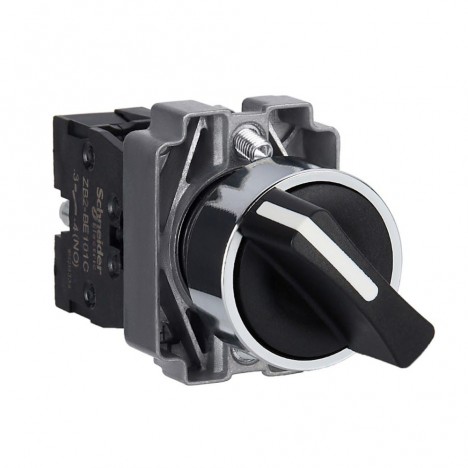
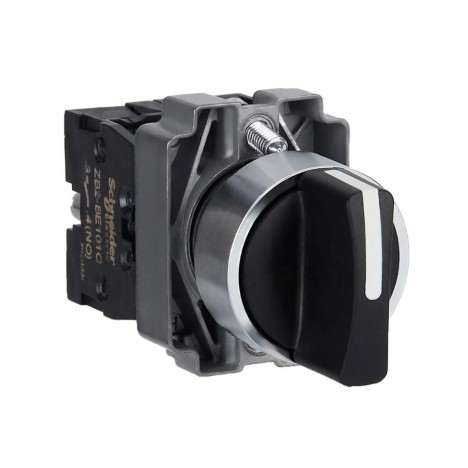
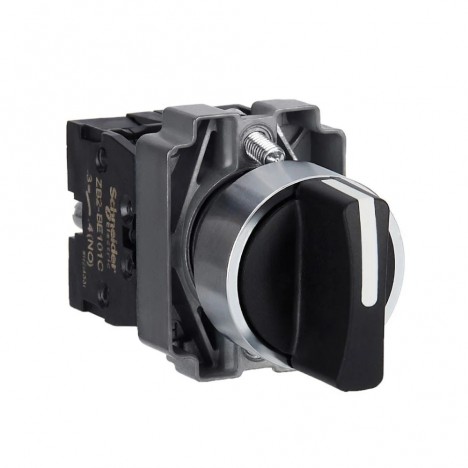
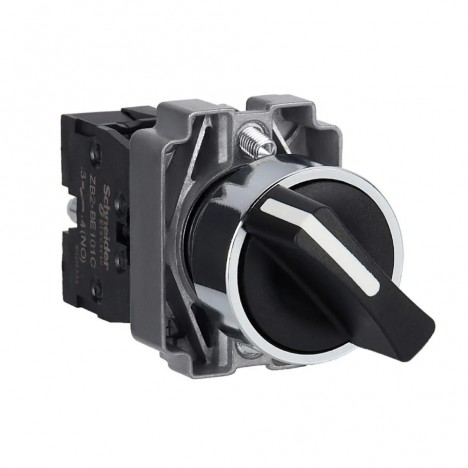
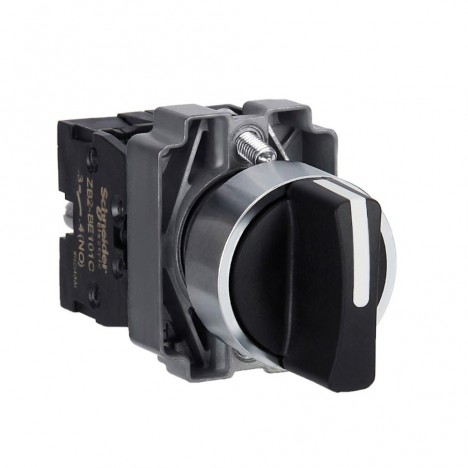
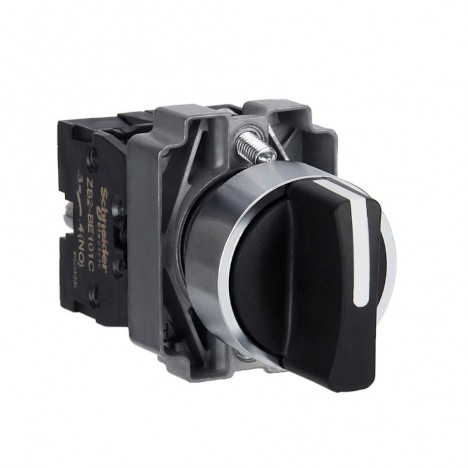
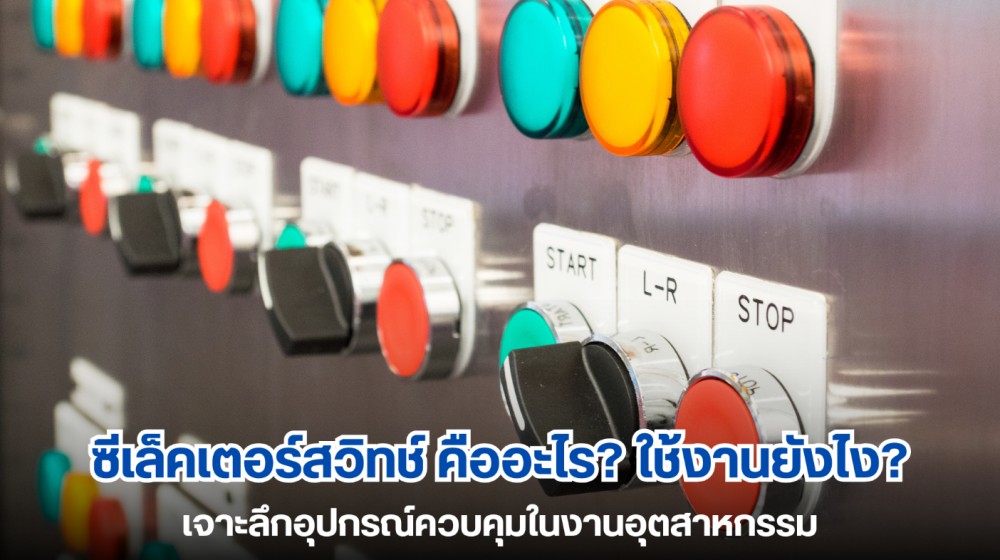
In electrical and machine control work, "switches" aren't limited to the simple push-on/push-off types seen in homes. There's another device frequently used by factory technicians that serves as the heart of operating mode selection for many machines: that is... "Selector Switch" or Selector Switches .
Although commonly seen on control panels, many people may not know the proper name, sometimes calling it a "rotary switch" or "dial knob." But its correct industrial term is Selector Switches which is a rotary switch used to "select operating modes," unlike standard push buttons that issue a single command like START or STOP. In this article, our technician team will give you a clearer look at what a selector switch is, how it works, and the common configurations found in standard control panels so you can choose the right one for your actual application.
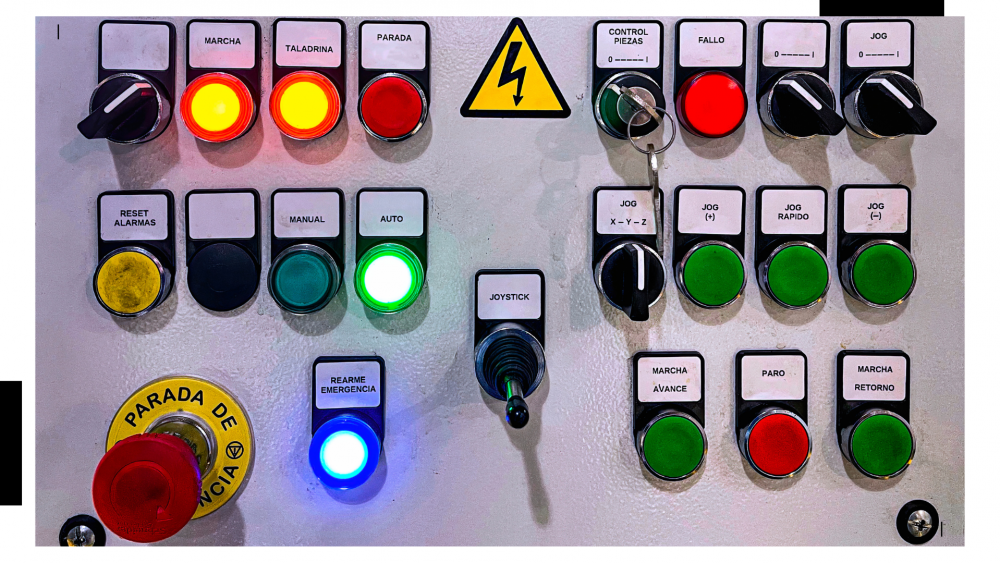
What is a Selector Switch?
When talking about control switches in control panels, many people think of red and green push buttons that command machines to "Start" or "Stop". But in fact, in industrial applications, there is another type of switch that technicians use just as much, which is Selector Switches or rotary switch that functions to "select the operating mode" of various systems, whether it is Auto/Manual, Forward/Reverse, or selecting motor speed.
What makes selector switches different from general switches is it does not execute one command at a time, but commands an entire mode. Turning to a single position, multiple circuits behind it can be opened and closed simultaneously, such as opening the Auto circuit while closing the Manual circuit, or selecting forward while cutting off the reverse circuit to ensure system safety and correct sequencing. This is why selector switches are standard components in almost every factory control panel.
Generally, selector switches are designed to have 2 or 3 positions
- 2 positions Such as ON–OFF, A–B
- 3 positions Such as Forward–Stop–Reverse or Auto–Off–Manual
And every switch position features a clear "click" detent so users can feel it is in the correct position, preventing over-rotation or getting stuck halfway, which could cause circuit malfunction—especially in motor applications requiring high precision.
How does a selector switch work?
Looking from the front, a selector switch may look like a simple rotary switch, but inside it is full of mechanisms designed to precisely "change the operating mode" of electrical circuits. This is on an entirely different level from ordinary on-off switches, because each time you turn the switch one position, the circuits behind it can switch multiple sets of commands simultaneously in a sequence to ensure the machinery operates as correctly and safely as possible.
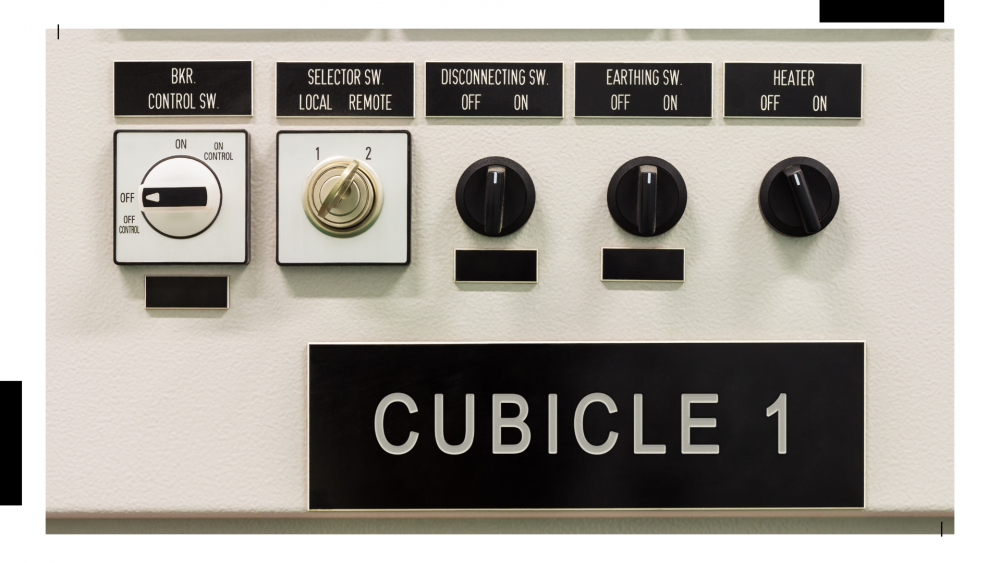
1) When you turn the switch, the internal Cam mechanism rotates accordingly.
Inside a selector switch, there is a component called a Cam that acts like a "timing sequencer" for the contacts. When rotated, the Cam rotates along with it, pressing or releasing the contact blocks behind it to open or close according to the preset position.
- Turn to the Auto position → The Cam closes one set of contacts and opens another
- Turn to Manual → The Cam switches the signal sets opposite to Auto
A single turn can change the status of multiple circuits simultaneously. This is why selector switches are used in machine control applications that require high precision.
2) NO/NC contacts will "open–close" simultaneously according to the rotary position
The most important part is the contact block at the back, which consists of contacts such as
- NO (Normally Open) – Normally Open (NO)
- NC (Normally Closed) – Normally Closed (NC)
When the selector switch is turned,
- NO closes the circuit to trigger an operation
- NC opens the circuit to prevent conflicting operations
Common examples seen in actual applications include:
- The Auto position must always break the NC contact of the Manual position first.
- The Forward position must break the NC contact of the Reverse position to prevent motor damage.
A single selector switch may have 2–6 or more contact points, depending on the complexity of the system.
3) Every position must securely "lock into place" to prevent erroneous commands
When turning a selector switch, you will feel a slight click at each position. That is the internal locking mechanism that ensures the switch
- stays precisely in position,
- does not drift to an intermediate position,
- does not vibrate or become loose, which could cause mis-timed circuits.
If the switch does not lock into position—such as getting stuck slightly between Forward/Reverse—the system may receive a false command and cause immediate motor damage.
4) Selector switches are available in both "maintained" and "spring-return to center" types
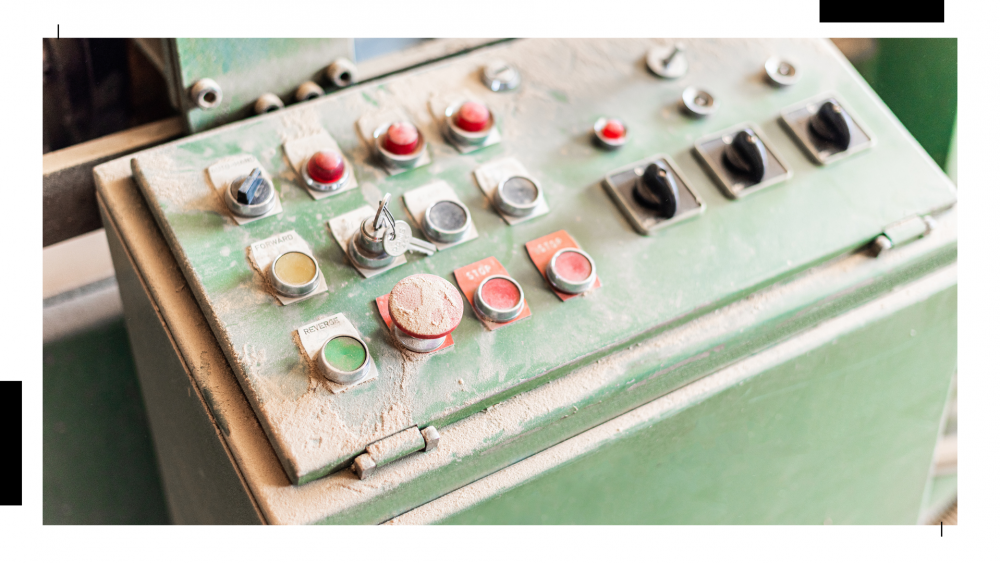
The operation of selector switches is divided into two types, which provide distinctly different tactile feedback.
- Maintained type → Maintained position after turning, such as Auto / Manual / Low / High
- Momentary type (spring return) → Spring-return when released after turning, such as Reset, Start
Factory applications often use both types depending on the nature of the command; for example, Start is spring-return, but Manual mode must maintain its position.
5) A single turn that changes the entire system's operating state
The key advantage of a selector switch is "changing modes," not just switching on and off like a regular switch. A single turn can mean:
- Energizing one set of control circuits
- Disconnecting unrelated overlapping circuits
- Indicating the status to indicator lights
- Sending a command to the PLC to immediately operate in the new mode
All of this happens simultaneously. That is why selector switches are installed in almost every control panel in industrial plants.
Most Common Types of Selector Switches
There are more types of selector switches than you might think, because industrial work requires more than just "turning left or right." You must choose one that fits the actual control application, considering the number of positions, locking mechanism, actuation method, and machine safety. Below are the most common types that factory technicians use every day.
2-Position Selector Switch
This is the most basic model commonly seen in general control panels. It offers only two positions to choose from, such as ON–OFF or A–B, ideal for applications requiring simple, straightforward mode switching. When operated, you clearly feel "two detents"—turning either fully to the left or fully to the right. The highlight of this switch type is the clarity of its positions with no chance of getting stuck midway, making it suitable for simple circuit switching, such as selecting a power source or choosing the main operating mode for a system.
3-Position Selector Switch
This is the most common model in factory applications because it supports operating modes that require a "center position" to serve as a circuit disconnect point, such as Forward–Stop–Reverse or Auto–Off–Manual. The center position is usually where all circuits remain idle for safety before switching to the other side. In actual operation, you can feel all three positions (left–center–right) click firmly into place, which is essential for applications requiring a stop before engaging a new mode, such as reversing motor direction, where reversing instantly could cause motor damage.
Key Selector Switch
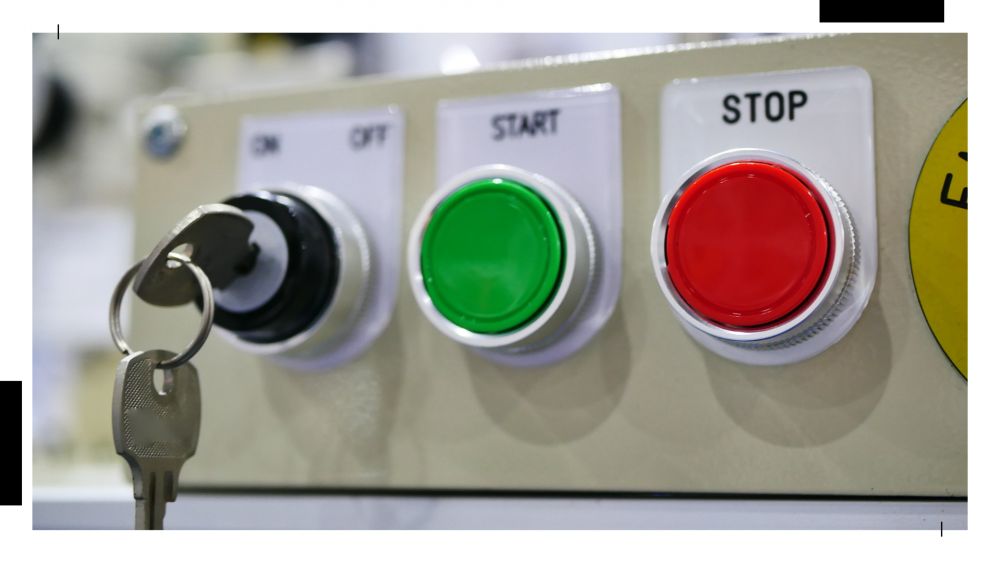
Ideal for applications requiring "access authorization," such as crane control panels, heavy machinery, or systems that unauthorized personnel must not tamper with, because turning is only possible with a key inserted. Once turned, the switch position changes according to the set mode and locks firmly so it won't move on its own. Technicians use this model in high-security applications, such as selecting Maintenance mode or servicing modes, to ensure that only authorized personnel have access.
Selector Switches with Mushroom / Flat / Various Actuator Head Shapes
Although it may seem purely aesthetic from the outside, the shape of the switch operator affects real-world usage, for example:
- Round knob Easy to grip and turn, suitable for general applications
- Flat / flush knob Reduces snagging or accidental contact, ideal for control panels located in high-traffic walkways
- Knob / Mushroom head Comfortable to turn for operations that require frequent mode adjustments
- Extended / raised knob Used in panels where switch positions need to be clearly visible from a distance
Technicians often choose the operator shape based on the application rather than aesthetics, as an ergonomically comfortable switch significantly reduces the risk of turning to the wrong position in actual operations.
Spring-return Selector Switch (Momentary Selector Switch)
Although it comes in 2 or 3 positions like other types, its defining characteristic is that it "springs back to center on its own after being turned" (via an internal spring). It is used for momentary commands where the system needs to return to its original position, such as Reset, Jog, or Start functions that should not be held in position continuously. The key advantage is preventing prolonged false operations, such as accidentally leaving the switch turned, which could cause equipment timing errors.
Illuminated Selector Switch
This model features a built-in LED inside the switch operator, allowing operators to clearly see the system status—such as lighting up in Auto mode or turning off in Manual mode. Factory technicians frequently use this type in low-light areas or control panels requiring immediate status confirmation without having to check external indicator circuits.

Conclusion
Selector Switch or Selector Switches It is an essential control device in electrical and industrial applications used to "select operating modes" by rotating the switch position, whether ON–OFF, Auto–Manual, Forward–Reverse, or various speed levels.
It is designed to provide Ease of use, safety, clear status indication, and suitability for professional machine control. Choosing the right one according to its function and specifications ensures stable system operation, reduces errors, and significantly enhances safety for factory operators.