


 EN
 ไทย


Customers Also Purchased


In the world of trades and construction, nothing is more challenging than "lifting heavy loads." It doesn't just take muscle; it requires understanding and safety at the same time. Items that seem light to our eyes can easily add up to hundreds of kilograms or even metric tons. Without proper lifting equipment, your work will definitely grind to a halt.
One of the longstanding tools in the trades is the “Chain Block” A compact device that transforms a simple pulling effort into massive lifting power, enabling anyone to lift heavy objects with ease. However, chain blocks are like any other tool: if not matched to the job, even top-tier equipment can cause a complete system failure. So, we'd like to share what you should know before buying a chain block to ensure optimal performance, safe lifting, and years of reliable service.
1. Know "How Many Types of Chain Hoists Exist" — Choose the Right One for the Job
Chain hoists don't just come in one type as many might think. There are actually 3 major categories that look similar on the surface but function quite differently.
- Manual Chain Block: The most basic type, operated by hand-pulling a chain to turn the gears. Suitable for general vertical lifting tasks, such as lifting engines, steel, or warehouse goods.
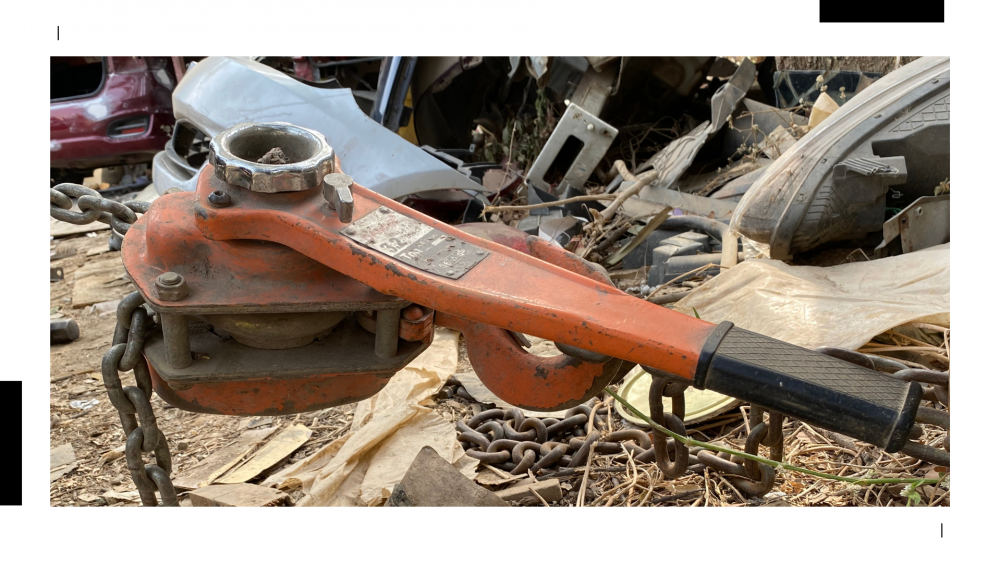
- Lever Block: Uses a lever handle instead of pulling a chain, providing more precise control. Ideal for diagonal pulling or tight spaces, such as structural steel installation.
- Electric Chain Hoist: Uses a motor instead of manual power. Ideal for factories or warehouses requiring frequent or continuous lifting. Features an automatic brake system and push-button or remote control.
For general home or garage use, a standard manual chain block is sufficient, easy to maintain, and economical. However, for continuous lifting or very heavy loads, an electric hoist is the better solution.
2. Working Load Limit (WLL) must include a safety margin, not an exact match
This is something we see very often. Many people think, "If the load is 1 ton, just buy a 1-ton hoist," which sounds reasonable, but in reality, it is not enough.
The rating written on the hoist, such as 1 ton, means the "maximum capacity lifted in a static vertical position" only. In actual work, there are always swinging, diagonal pulling, or shock loading forces, making the actual load on the hoist significantly higher. 20–30% The simple rule of thumb is to allow a 25–30% safety margin over the actual load weight. For example, for an 800 kg load, use a 1-ton hoist; for a 1.2-ton load, use a 1.5-ton hoist or higher. This ensures the brake and gear systems operate within a safe range without premature wear or snapping mid-air.
Choosing a hoist with exact matching capacity is not saving money; it is "taking an unconscious risk"
3. Lifting Height must be calculated accurately
Each hoist model has different chain lifting lengths, such as 3, 6, 9, or 12 meters, referring to the full travel distance the chain can pull up and down. If you choose too short, the load won't clear the ground; if too long, it becomes bulky and unnecessarily expensive. The calculation is very simple: just measure from the hoist suspension point to the lowest point of the load, then add an extra 0.5–1 meter for chain slack and load swing. This ensures you choose the right length when buying without needing modifications later.
Generally,
- Lifting engines or spare parts in a garage: 3 meters is sufficient.
- Warehouse or high-tier work: 6–9 meters is ideal
- Structural installation or large factory work: may require 12 meters or more
If you're not sure what length you need, it is recommended to choose a model that allows chain extension for greater flexibility.
4. Brake systems and materials must be reliable
The brake system is the heart of the hoist because it is what "holds the load" when you stop pulling. If the brake is poor, no matter how strong the chain is, the load can still fall.
Good quality hoists will feature a dual-braking system, including: Mechanical Brake which locks immediately when you stop pulling, and Friction Disc or friction brake pads that provide an extra layer of locking to prevent the load from slipping down. The hoist body material should be cast iron or industrial-grade steel, such as S45C or SCM440, while the chain should be Grade 80 (Grade 80 Chain) or higher, which is specifically heat-treated for lifting applications.
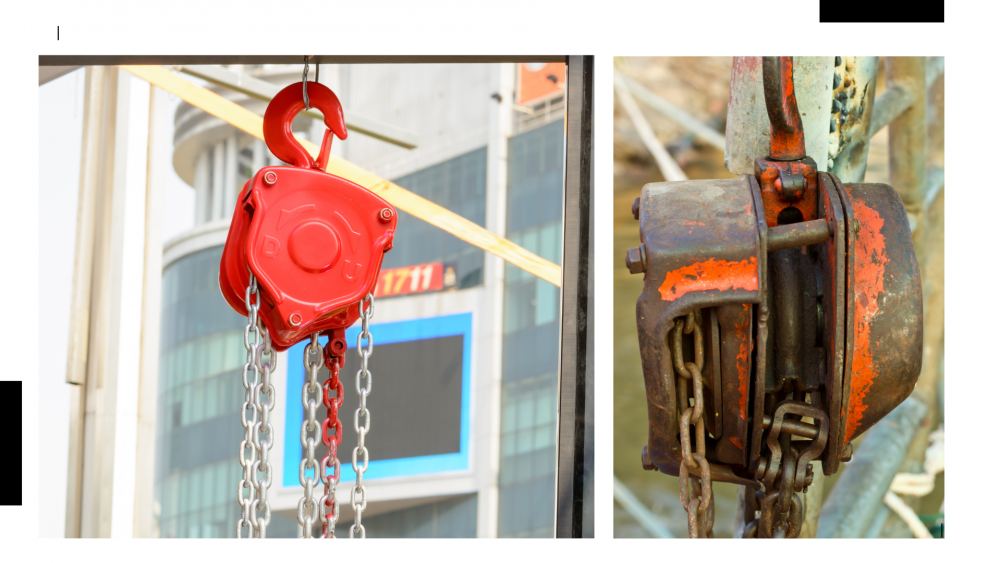
Authentic hoists will have a solid weight, the chain clinking sounds "solid" rather than hollow, a clear model plate specifying the WLL, and the hook must have a "safety latch" to prevent dislodging. If you encounter a hoist that is cheap, overly lightweight, or has an unusually shiny chain, suspect first that it might not meet standards.
5. Check suspension points, accessories, and standards before use
No matter how good a hoist is, it's useless if hung in the wrong place. The suspension point should be an I-Beam or H-Beam steel girder that can support at least twice the weight of the hoist. Never hang it from pipes, wooden beams, or thin steel frames, as they might bend or break during lifting.
Essential accessories include: Hook Clamp for securing the hoist to the beam, Trolley for smooth movement along the beam, and tandem hoists for long or unbalanced loads. Always inspect the chain, hook, and brake thoroughly before every use, and never stand under a suspended load, no matter how confident you are.
Finally, regarding standards: a chain hoist directly involves safety. You should choose products certified to TIS 1636-2552, CE, or ISO 9001 to ensure it has been genuinely tested. Popular brands in Thailand, such as Toyo, Elephant, Kito, Rhino, Mitsu provide complete spare parts support and after-sales service.
Care and Maintenance of Chain Hoists
Chain blocks don't require complicated maintenance, but don't neglect them! You should inspect the chains and hooks every 3–6 months. If there are any bent links or cracks, replace them immediately. Lubricate the gears and brake with grease or a light lubricant. Never use engine oil, as it attracts dust and causes the gears to wear down quickly.
If left unused for a long time, periodically turn the gears gently so the grease penetrates throughout the system, and store it in a dry place away from sun or rain. With proper care, a single hoist can last for over ten years without needing repairs. Or you can read more at How to Maintain a Chain Block for Safe Operation
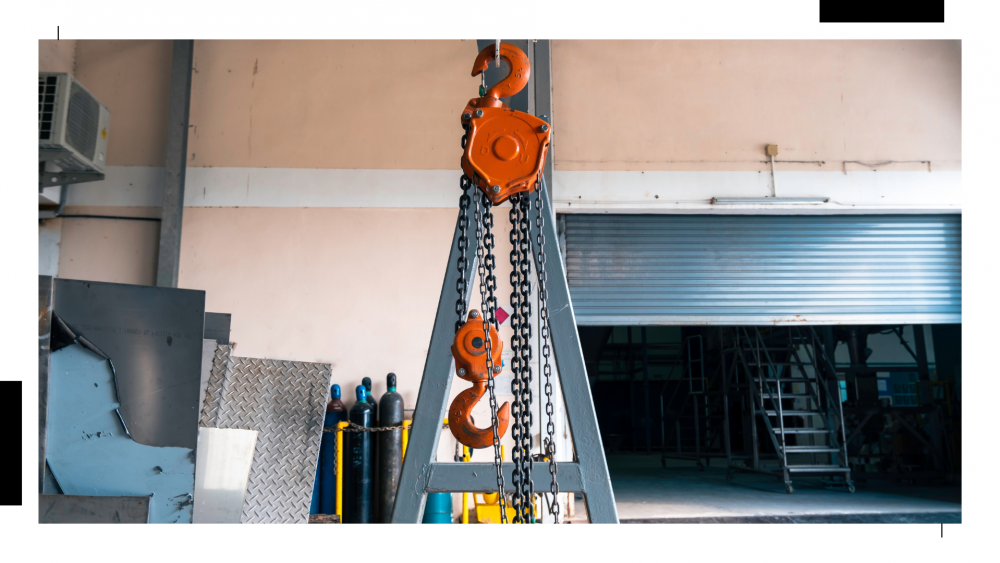
A good chain block must be safe and meet standards.
Choosing Chain hoists It's not difficult, but you need to understand the basics and prioritize safety. Choose the right tool for the job, always allow a safety margin for the load, make sure to inspect the brake system, suspend it from a sturdy beam, and select a model that meets standards. That's all it takes to use it safely and get good value.
A good chain block doesn't just lift loads; it must "lift every time with confidence." If chosen correctly, well-maintained, and used with care, it will definitely be a trusty tool that stays with you for years to come.