


 EN
 ไทย


Customers Also Purchased


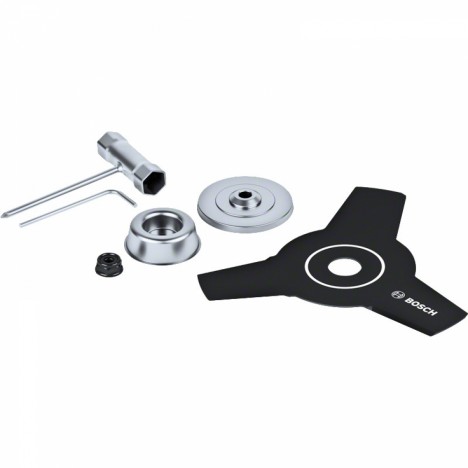
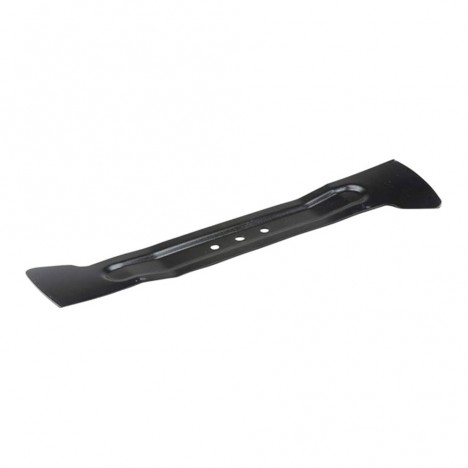
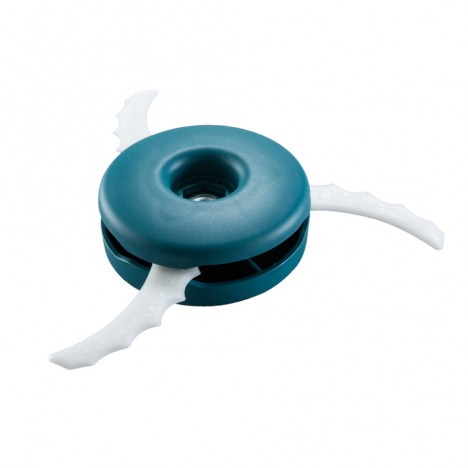
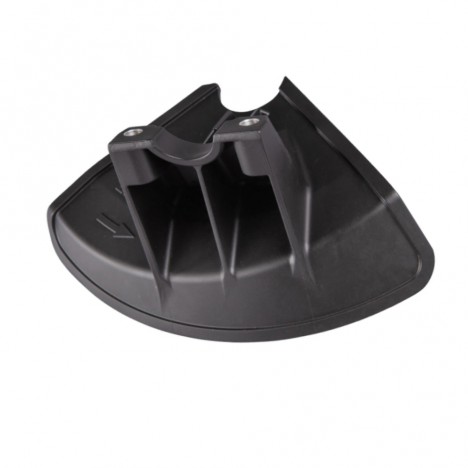
Have you ever had one of those days where the sun is scorching, yet you have to grit your teeth and go out to mow because the lawn has gotten completely overgrown? After mowing for a bit, sweat stings your eyes, your arms start trembling, the brush cutter kicks back unusually hard forcing you to grip it tightly with both hands, and the loud roar drowns out everything around you—until you finally have to take a break and repeatedly ask yourself, "Why is this so exhausting?"
Many people might blame the brush cutter first: "The engine must be weak," or "I'm just not strong enough." But in reality, the hidden culprit that many overlook is the "Blade grass cutter" itself. The blade might look like just a thin sheet of metal, but it is truly the heart of the entire operation. If you make the wrong choice from the start, no matter how expensive your machine is, it won't be worth the effort. This made me realize that choosing a "lawn mower blade" is not a trivial matter as many think; it directly affects your effort, safety, and the overall cost-effectiveness of your tool.
Why Does the Lawn Mower Blade Affect Your Fatigue?
When mowing, the machine has to spin the blade at extremely high speeds. Think about it simply: a thin steel blade spinning at thousands of RPMs, if unbalanced or slightly too thick or thin, is just like holding a fan with an off-center weight in your hands. The machine will vibrate constantly without you even realizing it. As a result, your arms constantly have to resist that vibration, as if fighting the machine every single second. This is why you get exhausted so quickly, even though you have only just started cutting.
Some might think they are used to it, but the truth is our bodies never truly adapt to that kind of vibration. It gradually builds up; fatigue starts in the wrists, spreads to the shoulders, and eventually leaves your entire body aching. Moreover, using the machine for long periods without realizing the blade is unbalanced causes the equipment to wear out much faster as well.
Even worse, if the lawn mower blade is dull or not designed for the specific type of grass—standard native grass requires one type of blade, while coarse or dense turf like golf course grass requires another—using the wrong one causes the blade to "batter" the grass instead of "slicing" it. This creates immense friction, forcing the engine to rev continuously at high RPMs, consuming more fuel, generating more noise, and forcing you to constantly drag the machine and muscle your way through. It makes you several times more exhausted than you should be.

Different Lawn Mower Blades for Different Needs: Choosing the Right Match Is Key
When shopping for a lawn mower blade at a store, many people only look at the center hole size and price, assuming all blades are the same. But that is simply not true. There are many types of lawn mower blades—just like different pairs of shoes, they feel completely different when worn! Each type is designed for a specific task. Choosing the wrong one is like wearing tight shoes; walk for just a short while, and your feet will ache. Let's look at which type of blade is best suited for your job.
2-Tooth Lawn Mower Blade: Lightweight, Smooth, and Easy to Cut
Ideal for backpack brush cutters or smaller machines. The standout feature of this lawn mower blade is that it is lightweight, spins fast, and requires minimal effort. It cuts soft grasses like Japanese lawn grass or Manila grass exceptionally well. Its slender shape leaves a clean, even cut in a single pass. Anyone who regularly mows their front lawn knows how light it feels—no arm fatigue, and no frustrating kickback from the machine.
Pros
- Low effort required, smooth rotation, minimal exertion, prevents quick arm fatigue
- Low machine vibration, easy to control without hand fatigue
- Ideal for wide open areas and soft grass; anyone with a front lawn or backyard will love it
Observations
- Not suitable for dense grass or small branches; if it encounters thick, tangled weeds, this blade type will bog down, failing to cut through cleanly on the first pass and forcing you to make multiple tiring passes for nothing.
- If used with an overly powerful machine, the blade can warp—just like hacking a thick log with a thin knife, you will definitely end up with jarring vibration in your arms.
3-Tooth Brush Cutter Blade: Most Balanced for General Use
You could say it's an all-purpose brush cutter blade that works in virtually any situation. Whether it's soft grass, tough grass, or scattered weeds, it handles it all. Its highlight is the low vibration and well-proportioned weight, providing a balanced feel. Swinging the trimmer is very easy to control. It is ideal for those who need to mow all day without tiring their arms, or for jobs that require continuous operation from morning till evening.
Pros
- Versatile in use; handles any grass type, like having a single blade that tackles every yard.
- Effortless cutting that glides smoothly, feeling like an extra boost is spinning the trimmer itself.
- Provides consistent cuts without kickback; feels stable to use, keeping the trimmer steady and hands vibration-free even during extended work.
Observations
- Needs regular sharpening, as letting it become dull will cause ragged cuts and require more physical effort, tiring out your arms.
- Hitting hard branches can cause kickback, sometimes jarring enough to feel clearly. When encountering such obstacles, ease off gently—don't force it through, or both the machine and your body will be shaking all over.
4-Tooth Brush Cutter Blade: Great for Dense Growth, Ideal for Heavy-Duty Work
When facing overgrown grass, reed grass, or dense weeds, a 4-tooth blade is a true cutter's best friend. It offers a larger cutting surface than 2- or 3-tooth blades, with sharp shearing power that cuts much deeper and faster. It is perfect for high-powered brush cutters. Anyone who has tried it knows it feels completely different from standard blades—a single swing sweeps grass down in rows, cleanly slicing through everything like a machete!
Pros
- Cuts dense weeds effectively without multiple passes; a single sweep delivers immediate results, knocking grass down in clear swaths.
- Significantly cuts down working time—anyone who has mowed all day will appreciate having extra time for a coffee break.
- Extremely durable, requiring infrequent replacements—buy once and it lasts a long time.
Observations
- Heavier than other brush cutter blades; you'll notice the extra heft when lifting or changing it compared to others.
- Requires slightly more control effort, especially on slopes or in tight corners where precise handling is needed; however, once accustomed, you'll find it far more stable and sharper.
Saw Tooth Brush Cutter Blade (Carbide-Tipped Blade) for Cutting Wood and Tough Weeds
Anyone who has used one knows it truly cuts through in an instant. The carbide saw teeth are extremely sharp and hard, designed like a circular saw blade. When swung, the machine makes a deep, powerful humming sound. It easily tackles heavy jobs like clearing tree branches, reeds, or thick brush. However, be cautious: use it only with high-powered trimmers, otherwise the kickback can be shockingly strong.
Pros
- Extremely sharp and versatile, providing the satisfying feel of a brand-new blade every time, slicing through everything from tender grass to small branches with minimal effort.
- Long service life with high wear resistance—truly great value that lasts so long you'll forget when you bought it.
- Delivers a clean cut with a neat finish, looking just like the work of a professional.
Observations
- Must be used with an adequately powered trimmer, otherwise the engine will feel overburdened and struggle to keep its RPMs up, sending strong vibrations through your arms.
- Heavy weight and high kickback. When cutting, you will feel a slight kickback; if you're not used to it, it can be startling. But once you get the rhythm right, it is truly satisfyingly sharp and fast.

How to choose a lawn mower blade to match your machine and ground conditions
Many times, people complain that "cutting grass is exhausting; the machine definitely can't handle it," when in reality, the machine has no problem at all. The real cause is that "we chose a mower blade that doesn't match the terrain conditions"—just like wearing leather shoes to run a marathon, you're bound to get exhausted!
A very common simple example is using a 2-tooth blade to cut dense grass or deep-rooted weeds. When hitting tough stalks, the machine jerks violently until your hands go numb. Or some people use a saw-tooth blade with a small machine hoping for faster cuts, but end up with the machine vibrating so violently it's hard to hold, simply because the resistance is beyond the machine's power. Check these tips to make mowing much easier.
- Open areas, general soft grass: Using a 2-tooth or 3-tooth blade is the best choice because it's lightweight, easy to control, and doesn't strain the machine.
- Overgrown areas, sedges, or dense weeds: A 4-tooth blade or higher should be used to provide continuous cutting power without stalling mid-way.
- Areas with small shrubs or branches mixed in: Go for a carbide saw-tooth blade; it cuts through both grass and small branches seamlessly.
- If mowing all day: It's recommended to choose a light, well-balanced blade, such as a 3-tooth or ultra-thin 2-tooth blade, to help reduce vibration and prevent arm fatigue.
An often overlooked factor: Weight and balance of the lawn mower blade
The weight of the lawn mower blade is the aspect most people overlook, even though it's much more important for mowing than you might think! When choosing a blade, many people look only at the shape and price, thinking "this looks sturdy" or "this is thicker, so it must be more durable." But they forget that the thicker and heavier the blade, the harder the engine has to work to spin it, causing RPM to drop faster and creating massive centrifugal force at full speed. This centrifugal force is precisely what makes the machine hard to control, especially when cutting along walls, lawn edges, or slopes—one slight slip and the mower blade could kick back.
We once saw a veteran technician who never changed blades haphazardly. Every time before installing a new blade, he would pull out a small digital scale to weigh both sides. It sounds excessive, but it is actually a special technique from someone who truly understands the machinery. If one side of the blade is just a few grams heavier than the other, spinning at thousands of RPM instantly turns that imbalance into massive vibration. And with daily continuous use, the machine will suffer premature wear and tear without you even realizing it.
Therefore, if you want your machine to last long, and make mowing easier and safer, pay attention to the blade's weight. Choosing a blade that is light, sturdy, and well-balanced from the start will save effort, save fuel, and most importantly, save your wrists a lot of strain!

Small tips to help you mow smoothly without frequent breaks
- Sharpen the lawn mower blade before every use – Just a gentle touch-up with a steel file makes cutting much smoother. If you want the machine to run effortlessly and sound smooth like new, don't forget to sharpen it before starting each time.
- Check balance before installation – Hang the blade by its center hole. If it tilts to one side, you need to grind or sharpen it to restore balance. A balanced blade makes the machine run much smoother.
- Clean after use – Accumulated grass clippings and dirt increase friction, forcing the machine to spin harder. Wash it off a bit before storing; the blade will look newer and definitely last longer.
- Store in a dry place – Moisture dulls the cutting edge and causes rust very quickly. Never leave it lying outside. Covering it with an old cloth is even better.
- Never use bent or cracked blades – This is extremely dangerous, as high rotational forces could cause the blade to break apart during use, leading to needless injury. Do not force its use under any circumstances.
How do you know when it's time to replace your lawn mower blade?
Simple signs tell you that your blade should be replaced. There are only a few, but they are critical. Pay close attention—if you notice even one, stop using it immediately!
- The grass cuts unevenly, looking more torn than sliced—if you experience this, it means the sharpness is gone.
- The machine vibrates unusually strongly, as if it is struggling against the rotational force of an unbalanced blade.
- You feel like you have to push the machine harder, whereas before a gentle swing was enough.
- The blade begins to bend or show cracks—do not force it to run, as it risks shattering mid-air.
- You hear impact or rattling sounds during operation, as if something inside is loose.
If you notice any of these symptoms—even just one—you should stop using it immediately. Don't push it, because besides making you more exhausted, it can also endanger the machine and the user, risking unnecessary injuries.
Select Blade grass cutter to suit your needs