


 EN
 ไทย


Customers Also Purchased
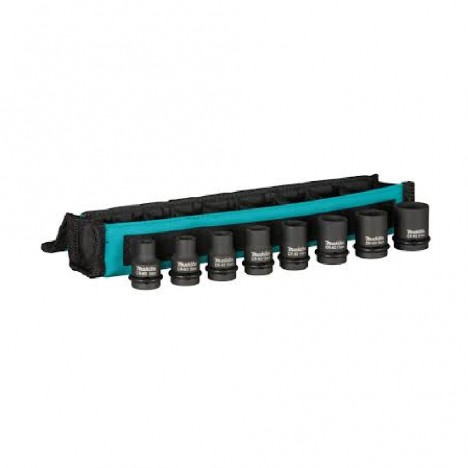

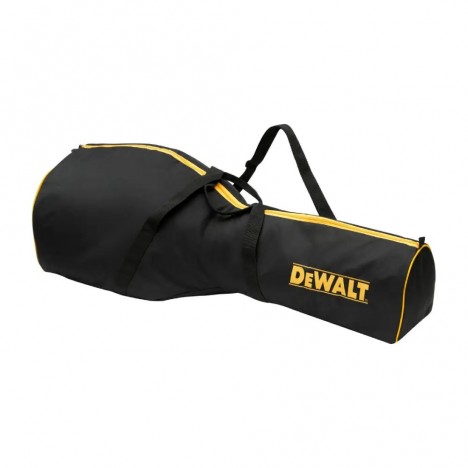
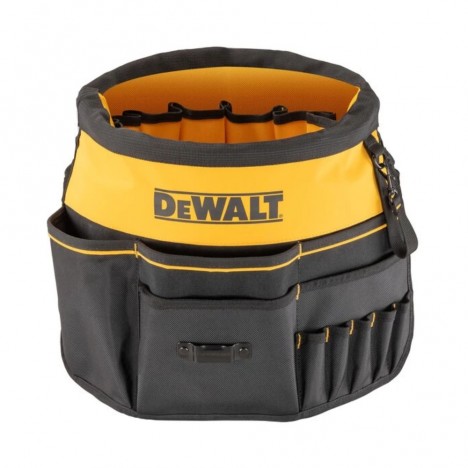
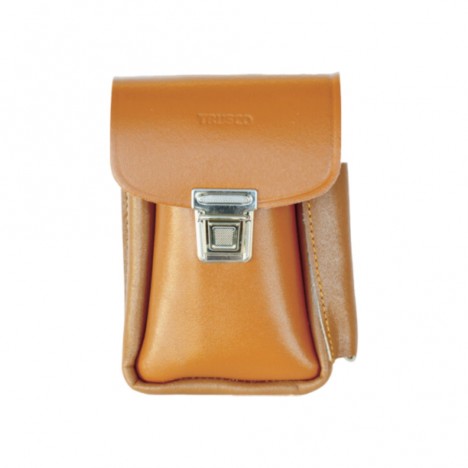
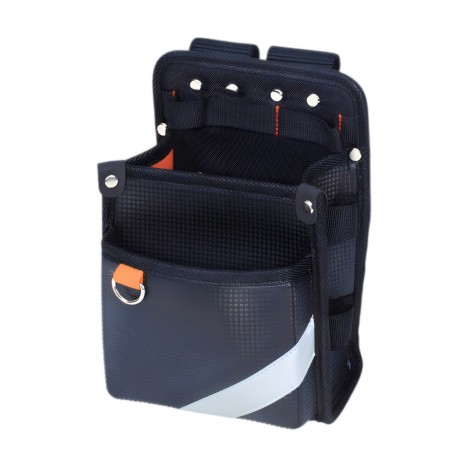
To be completely honest, we believe anyone who has done repair work—whether just tightening screws to hang shelves at home or working on a job site—has surely experienced “lost tools” or “grabbing the wrong tool,” right? That's because tools get scattered all over the place. And that's when we realize: a tool bag is not just a “container for things,” but an “essential assistant” that makes a technician's life much easier than you think.
Some might think, “Come on, just buy a cheap one that fits the tools...” But wait, don't rush to conclusions just yet. Some cheap bags start tearing at the folds after only a few months of use, break zippers, snap carry handles, or lose shoulder straps while carrying heavy loads—that’s when real trouble starts!
However, we're not saying that Tool Bag expensive is good, you know. Because nowadays, many brands of mid-priced tool bags are making them extremely well—both with much more water-resistant materials, tight stitching, strong zippers, and even organizer compartments designed for convenient access. This is truly what you call great value for practical use.

Are cheap tool bags always bad?
First of all, we have to admit that cheap doesn't always mean bad. Every product has its own purpose. For example, if we buy a tool bag just to store lightweight items like screwdrivers, pens, tape, or small tools for light use, a tool bag costing a few hundred baht is honestly more than enough.
However, if you're a tradesperson facing serious work conditions—like climbing roofs, going to the jobsite every day, or dealing with heavy dust, water, and scorching sun—cheap tool bags are precisely what become more of a burden than a bargain.
Once, we bought a tool bag under a thousand baht from a flea market, thinking it was just for a few tools. But after only a month of use... the handle snapped while walking up to the jobsite. Pliers and wrenches scattered all over the ground. It wasted time gathering everything, and the zipper wouldn't zip either. Coming home that day made us realize: “Cheap things are sometimes expensive when it comes to wasted time.”
Differences often hidden in the small details of tool bags
Many people tend to think, “A tool bag is just fabric and a zipper; as long as it holds tools, that's enough.” Sounds like there's nothing complicated, right? But honestly... these little details are what real tradespeople know make a world of difference between cheap and quality products.
Imagine being on-site in a rush, needing to grab a screwdriver in a split second, but the zipper gets stuck or the pull tab breaks off. Frustration kicks in instantly. Or when lifting the bag, the carrying strap snaps even though it's not packed heavily. That's a sign of low-quality materials that we might overlook when buying.
On the other hand, a good bag might look simple, but once you actually use it, you'll see how well thought out it is. Each organizer compartment is positioned for easy access, the material is thick without sagging, and the stitching is so secure that you can be sure carrying hammers, pliers, or even interchangeable-bit screwdrivers won't puncture through.

Fabric Materials and Construction of Tool Bags
Cheap bags mostly use thin polyester or nylon without water-resistant coating and lack internal reinforcement frames. When holding heavy items, they immediately sag. And when exposed to rain or moisture, the fabric completely soaks up water. Sometimes, just a few days of jobsite dust will make them develop mold.
Quality bags use fabrics like 1680D Oxford or Cordura that are water-resistant and scratch-resistant. The interior is reinforced with fiber or hard plastic framing, helping it retain its shape even when packed full of heavy loads.
Stitching and Seams of Tool Bags
Cheap tool bags often feature single-row stitching or thin thread. When pulled by the weight of pliers or screwdrivers, tears start showing along the seams within a few weeks. But quality ones use double-stitching reinforcement and often incorporate very tight lock-stitching that doesn't tear easily.
Zippers and Sliders of Tool Bags
The zipper is the most frequently broken part of a tool bag. Frankly, many of you have probably experienced this just like us: rushing to zip it up with dusty hands or small metal debris stuck in the zipper track of a cheap bag, it gets so stiff you almost want to throw it away, or it simply snaps without warning. Professional-grade bags are totally different; they use metal or dust-resistant zippers that slide open and closed smoothly even in heavily dusty conditions, almost as if they can read a craftsman's mind.
Handles and Shoulder Straps of Tool Bags
On cheap bags, handles are often sewn on directly without leather or rubber reinforcement to absorb tension. Carrying them just a few times will make your hands go numb. Especially when carrying loads over 10 kg, you'll feel the strain and want to set it down immediately. Meanwhile, quality bags feature padded grips or wide shoulder straps that feel soft, don't dig in, and distribute weight much better—truly like carrying a bag designed for real tradespeople.

So, which type of tool bag is right for you?
Everyone has a different working style. Some prefer lightweight agility, while others want maximum capacity. A tool bag that suits someone else might not suit you, but rest assured, everyone has their own 'ideal' match. Let's look over some broad guidelines to help give you ideas for choosing your next tool bag that fits you best.
- Wiring technicians / electricians should choose a backpack or messenger bag style that is lightweight and agile, with plenty of separate slots for screwdrivers and wrenches. Since you frequently climb ladders, you can quickly grab tools without having to rummage around. The backpack style is especially convenient because it leaves both hands free to grip the ladder securely, eliminating worries about the bag slipping or swinging around.
- HVAC technicians / maintenance technicians are suited for hard-case or wheeled tool bags because they need to carry heavy equipment, such as manifold gauges, pressure testers, or cordless drills. These weigh quite a bit; if you use a soft fabric bag, it will definitely tear in no time. A hard-case or padded bag is the best answer—easy to pull, saving your back, without having to carry it and strain your body.
- Carpenters / home DIYers should choose a wide-mouth open style, making it easy to grab items and get a clear overview of the interior. When opened, you can see everything at a glance without having to dig through it. It's ideal for those who prefer working comfortably—grab and find instantly. Plus, packing up is simple, with no complicated folding or stacking required.

How to Inspect a Tool Bag Before Paying
Don't just look at the logo or the price; try checking these things before buying.
- Test the zippers – If it feels stiff right in the store, pass on it. Once actually used, it will break very quickly. Believe me, when you're in a hurry to open or close on-site and the zipper gets stuck, it's way more frustrating than you think!
- Pull hard on the shoulder straps – Give them a firm tug to see if you hear seams tearing. If you do, it means the stitching isn't secure. Quality gear should feel solid from the very first touch—no need to worry about it snapping midway while walking around the job site.
- Press the bottom of the bag – Give it a gentle press. If it dents easily without any reinforced frame, it will definitely collapse when loaded with heavy tools. A good bag will feel solid and firm when pressed, as if there's a hidden reinforced frame inside.
- Turn it inside out – Go ahead and flip it inside out, don't be shy! A quality bag will have a lining and neat stitching with no loose thread ends around pockets. Even though these are small details, they clearly reveal the quality of the craftsmanship.
Conclusion
In the end, the answer to the question "Should you buy cheap or invest in quality?" depends on how you use your tool bag. If it's just for home use without heavy demands, an affordable one is enough. But if you work out in the field, facing dust, sun, and water every day, invest in quality gear—it will last longer and help you work faster and more safely.
Select Tool Bag More