


 EN
 ไทย


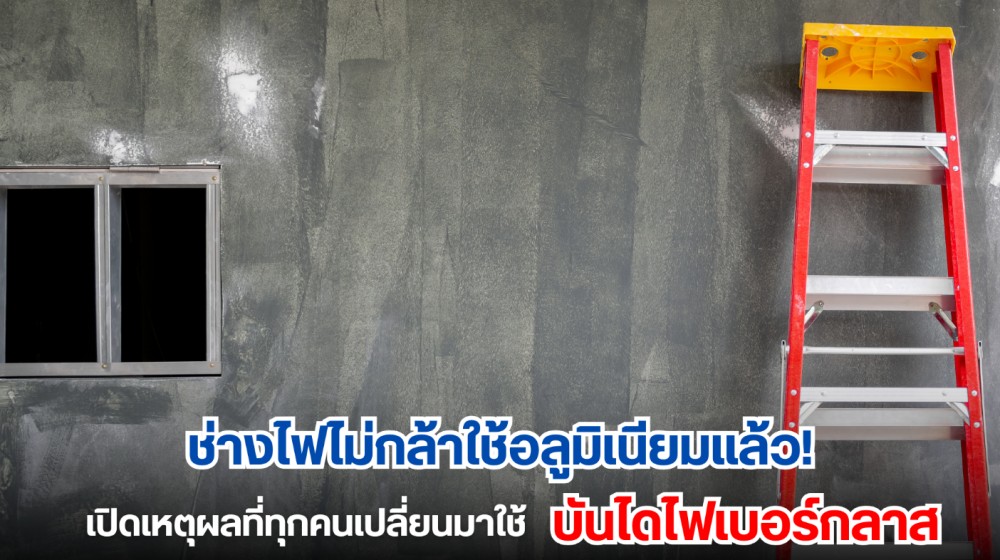
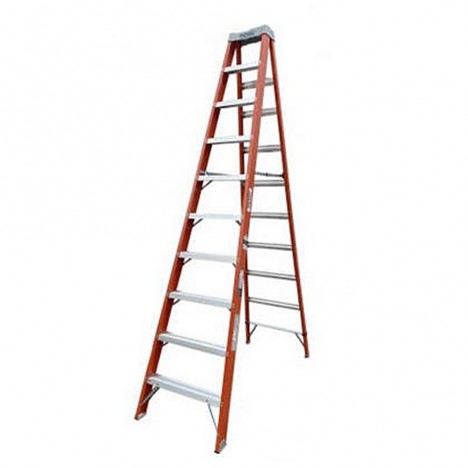
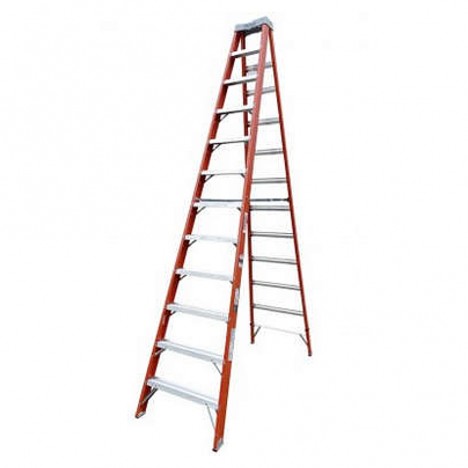
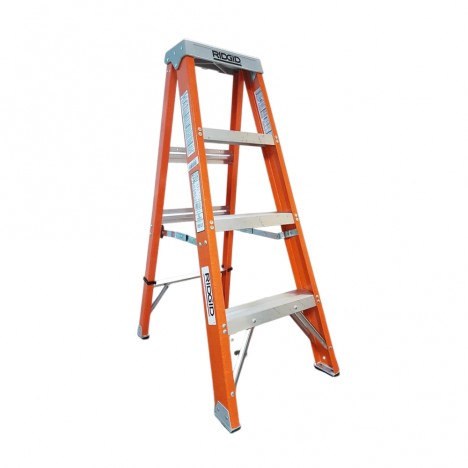
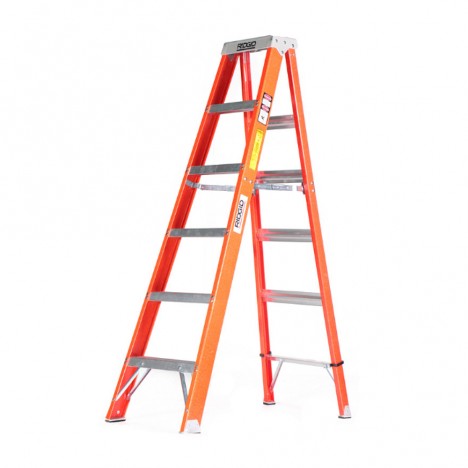
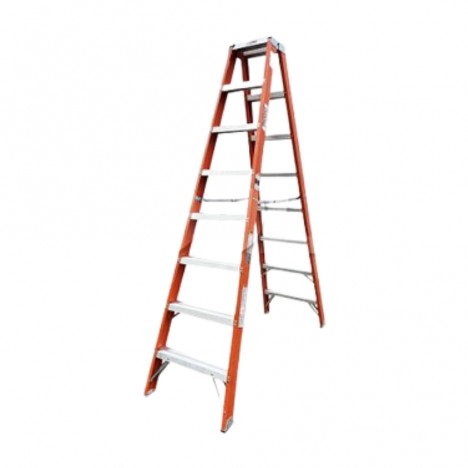

When "metal" becomes a hazard — The world of trades is full of materials meant to withstand stress, support heavy loads, and endure harsh environments. But one thing rarely discussed is the "electrical properties" of these materials. While many people still choose ladders mainly based on height, light weight, or price, many electricians have begun paying attention to what matters more — safety from electrical leakage, which is where "fiberglass ladders" have truly begun replacing aluminum.
Aluminum is an excellent metal in terms of light weight, strength, and rust resistance. However, in physics, it is an "excellent electrical conductor." The electrical conductivity of aluminum is approximately 3.5 × 10⁷ Siemens per meter (S/m), which is high enough for electric current to flow through quickly even at low voltage.
That means if there is even a minor electrical leak from a wire or light socket and the current contacts the aluminum ladder, it immediately becomes a "shortcut" for electricity to flow to the ground or to the person standing on the ladder. And that was the starting point for turning to a material "electricity does not want to pass through": "Fiberglass."
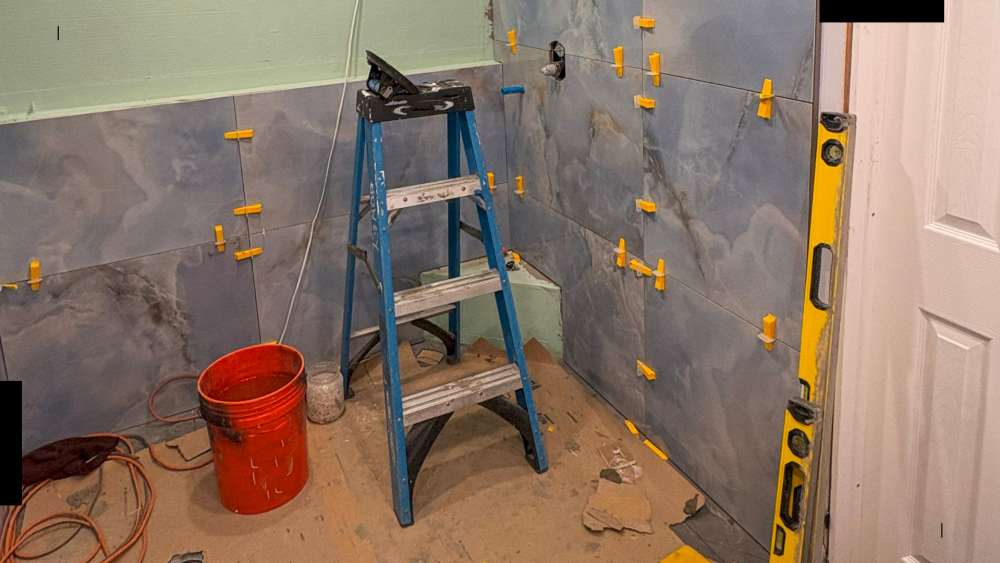
What is Fiberglass? A Material Combining Science and Safety
Fiberglass, or by its full name, Glass-Fiber Reinforced Plastic (GFRP), is a composite material created by combining Glass fiber, which provides strength and Synthetic resin (Polyester / Epoxy Resin) that serves as a binder and adhesive
The result is a material that is "strong like steel, but non-conductive like rubber." Viewed under a microscope, you would see countless tiny glass fibers intertwined in a mesh-like structure, similar to a skeleton that bears loads in various directions, while the outer resin protects against moisture and impact. And because glass (Silica, SiO₂) has a "covalent atomic structure," electrons cannot move freely — making it naturally non-conductive to electricity.
Why do some materials conduct electricity while others do not?
| Material Type | Examples | Electron Behavior | Electrical Conductivity |
|---|---|---|---|
| Conductor | Copper, Aluminum | Moves freely | Very high |
| Insulator | Glass, Plastic, Fiberglass | Tightly bound to atoms | Very low |
| Semiconductor | Silicon, Germanium | Partially movable | Medium |
Safety standards that fiberglass ladders must meet
In industrial settings, fiberglass ladders undergo rigorous testing—not just to see "if you can climb it," but to prove "whether electricity truly will not pass through it." One globally recognized standard is ANSI A14.5 (American National Standard for Fiberglass-Reinforced Plastic Ladders), which requires fiberglass ladders to pass the following tests:
- High voltage withstand (e.g., ≥ 90,000 V/ft) without electrical breakdown
- Electrical resistance value ≥ 109 Ω
- Testing under high humidity and high temperature conditions to simulate real-world use
Europe also has a similar EN 131 standard, which mandates testing for electrical conductivity, load-bearing capacity, and rung slip resistance.
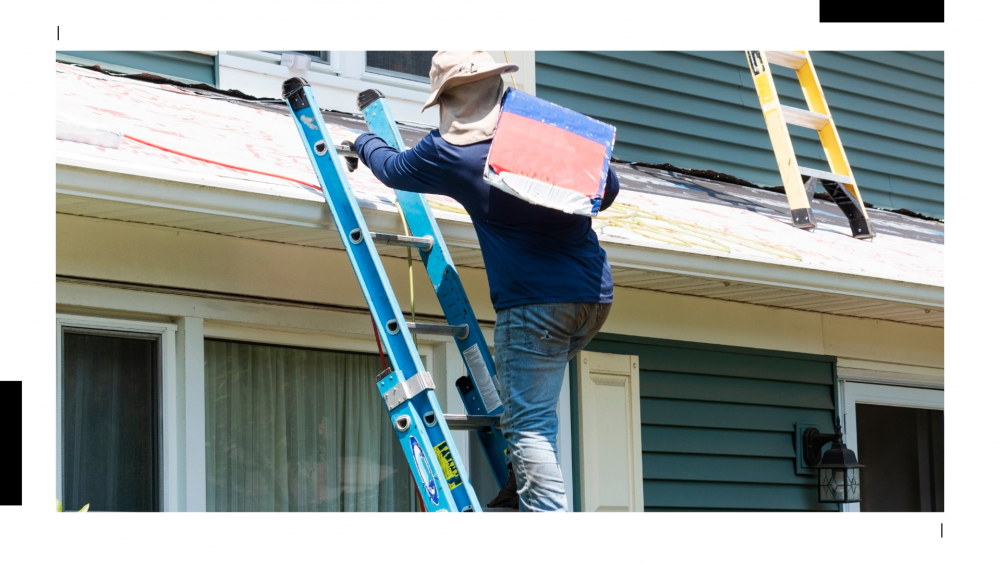
Why electricians are switching to fiberglass
- Inductive resistance When working near high-voltage power lines, even without touching them directly, there is still an "electromagnetic field" that can induce electric current in metals. Metal ladders are therefore hazardous even without direct contact, whereas fiberglass does not induce electrical currents, making it much safer.
- Withstands high voltage According to tests by several manufacturers such as YAMADA or Louisville Ladder, fiberglass ladders can withstand voltages from 30,000 to over 90,000 volts without dielectric breakdown.
- Low moisture absorption Common insulating materials like wood or rubber may begin to conduct electricity when damp. However, fiberglass coated with moisture-resistant resin maintains its properties even when used outdoors.
- Lightweight yet strong The glass fiber structure handles vertical loads exceptionally well, allowing it to support user and equipment weights of up to 150 kg without bending or warping.
- Heat and chemical resistant Fiberglass does not catch fire easily and does not react with acids or alkalis typically encountered in industrial plants.
Common Misconceptions About Fiberglass Ladders
- Not 100% Electrically Insulating Metal parts (joints/screws) can still conduct electricity upon direct contact
- Excessive wetness/dirt = Hazard Water stains/cement dust on the surface can act as conductors; keep it wiped clean
- Color does not indicate properties Some yellow models are actually "painted aluminum"; always check the material label
How does fiberglass degrade? (and when to stop using it)
Even though fiberglass looks tough, every material has its weaknesses. Fiberglass gradually degrades if exposed to UV light for too long because UV radiation breaks down resin bonds, causing surface cracking and reducing electrical resistance. Therefore, manufacturers often apply a UV-resistant coating to the outer layer. Another issue is "delamination," or the separation between fibers and resin, which occurs from prolonged storage in hot and humid conditions, reducing bonding strength.
Scientific Properties Comparison Table
| Specifications | Fiberglass Ladders | Aluminum Ladders |
|---|---|---|
| Electrical Conductivity (S/m) | ~10-12 (Insulator) | ≈ 3.5×10⁷ |
| Electrical Resistivity (Ω·cm) | 1012–1014 | ~10-6 |
| Electrical Induction | None | Yes |
| Moisture Absorption | Very low | Medium |
| Dielectric Voltage Withstand | > 30,000 V (test models can withstand even higher) | Instantly conducts |
| Tensile strength | High | High |
| Weight | Medium | Lightweight |
| UV resistance | Good (depending on coating) | Good |
220V is dangerous too: Real-life science
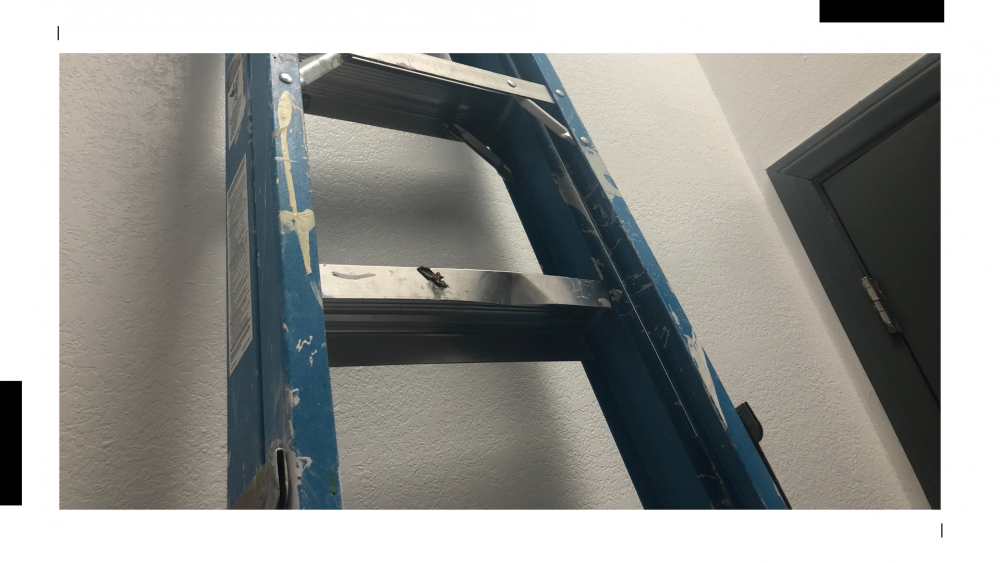
Some people think, "Household tasks are only 220 volts, it's not that strong." But science says... the human body has an average resistance of only 1,000 ohms. Therefore, if 220 volts pass through the body, the resulting current is
I = V/R = 220/1000 = 0.22 Amperes
which is enough to cause cardiac arrest within a few seconds. That is why even for changing a light bulb at home, you must use a ladder that is "non-conductive" like fiberglass—it's not just a concern for professionals.
Benefits beyond safety
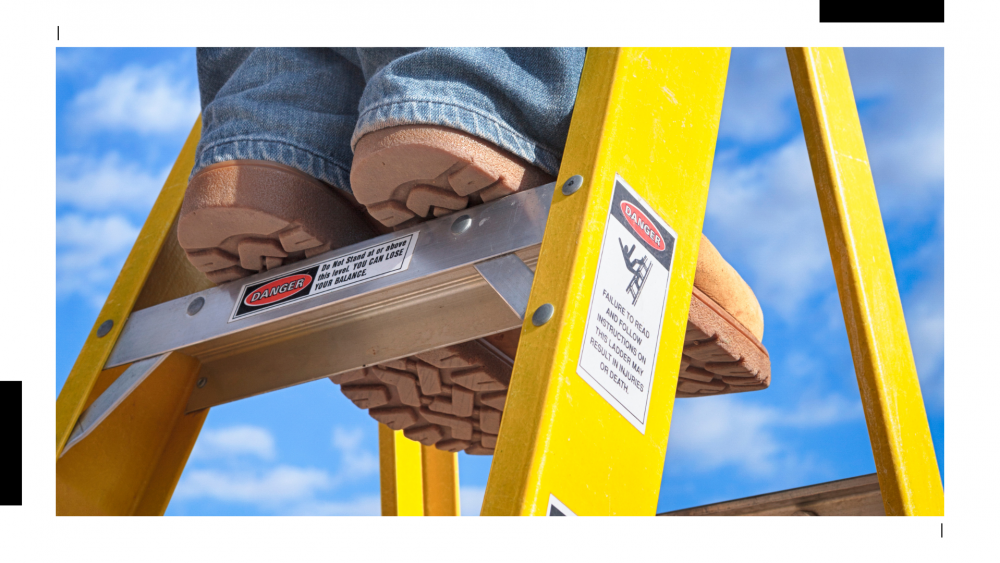
Fiberglass ladders aren't just good at electrical insulation, but they are also an example of a "smart material" born from an understanding of design science.
- "I-Beam" construction provides excellent load capacity using less material
- Matte surface reduces light glare
- Vivid colors serve as a visual alert (Safety Color Code)
- Feet feature anti-slip foot caps based on friction principles
Why fiberglass is the ultimate choice for electricians
- Has the highest electrical resistance among commonly used materials
- Does not conduct electricity even near strong magnetic fields
- Does not lose its properties when exposed to moisture or high temperatures
- Passes High Voltage Test standards
- Can be used at home, in factories, and in high-voltage field environments
A fiberglass ladder is not just a tool for tradespeople; it is the result of "science designed for workers' lives." From laboratory testing to standing on actual jobsites — every time an electrician steps onto that yellow ladder, they are benefiting from an understanding of physics, materials science, and electrical safety.