


 EN
 ไทย


Customers Also Purchased
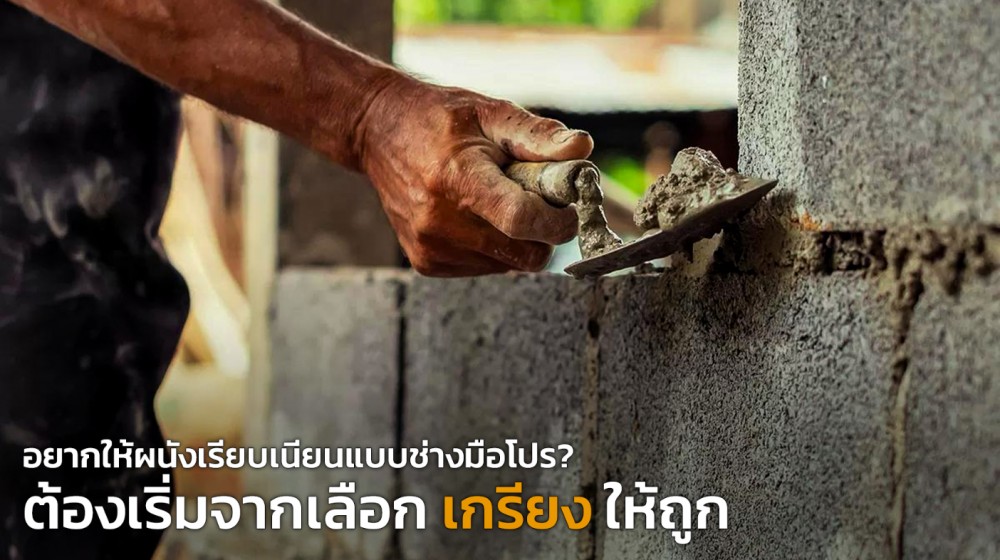
When you walk into a house with walls so flawlessly smooth that you just want to take a photo, believe me, every tradesperson smiles inside. They know that this kind of finish isn't just about "good mortar" or "solid skill" alone—behind that level of smoothness lies the "trowel."
I saw it with my own eyes when helping a contractor friend renovate a house. Seeing him use Pointing Trowels Using different types really opened my eyes! From walls that used to show visible streaks, once I switched to a stainless steel trowel that fit comfortably in my hand and had smooth, polished edges, the wall became so smooth that light reflected off it seamlessly like a mirror. It made me realize that "a trowel isn't just a sheet of metal with a handle," but a tool with its own "character." Craftsmen need to know its quirks—whether it's for patching, skimming, tiling, or finishing. If you choose the wrong type, no matter how good the workmanship is, you can easily ruin the outcome.
Therefore, we'll take you through an easy-to-understand guide on how different trowels vary, which tasks they suit, and share some small tips from our tradesmen friends. So whether you're renovating your own home or trying your hand at plastering a smooth wall, you can choose the right trowel from the start and avoid headaches and rework later.
Why are trowels so important?
Imagine frosting a cake with a spoon instead of a silicone spatula; the cream would end up uneven, thick in some places, thin in others, with streak lines all over—just like an unevenly plastered wall, right? A trowel is no different. It sets the "rhythm" for the entire wall surface; whether it turns out silky smooth or wavy all comes down to the trowel.
A craftsman friend of mine once said, "Some people switch through ten brands of cement, yet they're still using that same old bent trowel." It's so true, because each trowel material gives a completely different feel. A steel trowel delivers a tight, firm finish that dries quickly; a stainless steel trowel glides a bit smoother without mortar sticking to the blade; a plastic trowel is ideal for delicate skim coats because it's softer; and a wooden float is the go-to companion for the base coat because it helps the mortar "grip" the wall properly without sagging.
I once made the mistake of swapping trowels on just one project. I intended to do the final finish with a stainless steel trowel, but grabbed a wooden float instead. As a result, the surface ended up blotchy and mottled, and I had to sand the entire wall all over again. That taught me a real lesson: "a trowel isn't just a trowel." It's a tool you have to choose to match the specific phase of work and the actual wall condition. Make even a slight mistake, and the wall you intended to be ultra-smooth might force you to start all over from scratch!
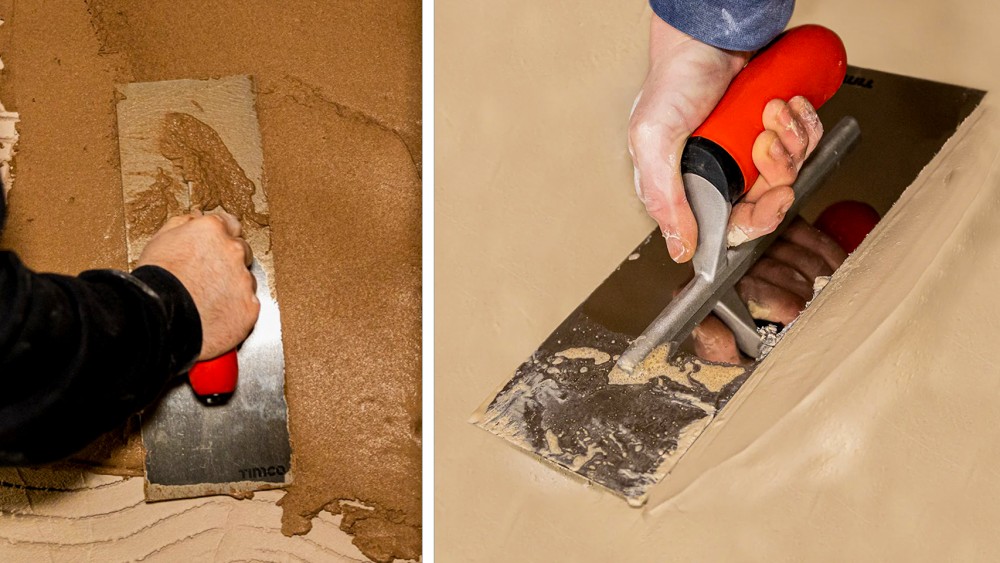
How do different trowels affect the surface finish?
Steel Trowels: For walls that require maximum gloss and smoothness
The steel trowel is a classic choice for plastering and rendering, usable on both walls and floors. Its strengths lie in its rigidity, smooth skimming capability, and slight sheen finish. It's well-suited for smooth plastering before painting or polished plaster finishes.
- Pros: Yields a flawless, super-smooth wall finish; easy to skim when using the right motion.
- Cautions: Pressing too hard or tilting at the wrong angle can leave scrape marks in the plaster, and it rusts very easily if not washed clean.
Stainless Steel Trowels: Smooth glide, quick finish, rust-free
For anyone who loves a glossy bare concrete or polished plaster look, a stainless steel trowel is the answer. The blade glides effortlessly and won't rust, keeping it looking like new even with frequent exposure to damp materials.
- Pros: Smooths surfaces fast, glides easily in hand, minimizes the need for repeated touch-ups.
- Cautions: Often pricier than steel versions, and some models have very thin blades that can bend easily under excessive pressure.
Wooden Floats: The essential tool for the base coat
Almost every veteran plasterer started out with a wooden float because it grips wet mortar exceptionally well. Especially during the initial coats when the mortar is still wet and pliable, using a wooden float keeps it from sliding off the wall.
- Pros: Helps the mortar adhere firmly to the wall; ideal for base plastering coats.
- Cautions: Must be cleaned and air-dried after every use; otherwise, the wood will swell and warp very quickly.
Japanese Finishing Trowels: The ultimate finishing tool beloved by tradesmen
If you've ever watched plastering videos on YouTube and seen walls as smooth and shiny as glass, they're mostly using Japanese trowels. The blade is ultra-thin, smooth, and highly flexible, allowing you to achieve a smooth finish with almost no additional sanding needed.
- Pros: Fine finish, smooth in a single pass, requires little effort.
- Caution: Requires high skill and precise angle control because the blade is extremely thin. A slight slip will immediately leave distinct lines.
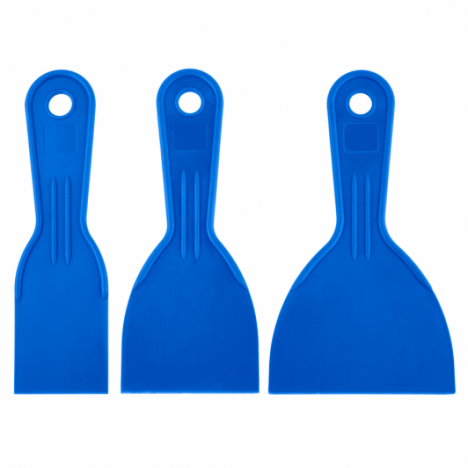
Putty Knife: The Tool for Pre-Painting Detail Touch-ups
Once the plaster is smoothed out, it's time to touch up the minor imperfections, and that's where the putty knife shines. With its small, thin, and flexible blade, it is ideal for applying putty or seamlessly filling cracks.
- Pros: Easy to control, works well in tight spaces or small corners.
- Caution: Not suitable for thick applications, as the thin blade may bend or break.
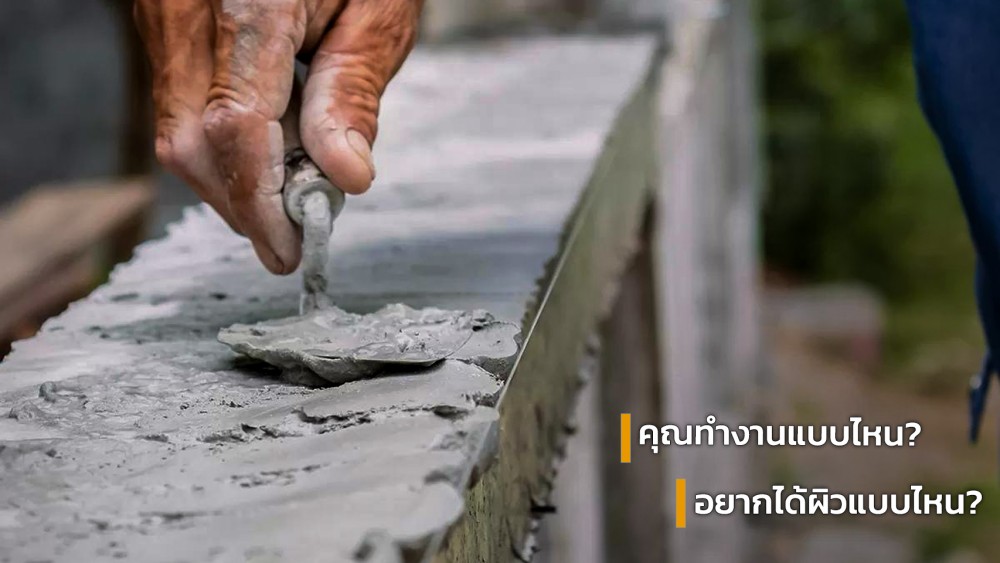
So how do you know which trowel is right for your job?
What kind of work are you doing?
For large-scale wall plastering, like an entire room or exterior walls requiring durability against sun and rain, a steel trowel or stainless steel trowel is the ultimate partner. They offer the right weight, firm application, and won't easily bend. Meanwhile, for interior surface finishing, renovation work, or final touch-ups, a Japanese trowel or putty knife provides a much finer finish, smoother glide, and far better control.
What kind of finish do you want?
If you prefer a matte, natural look like loft-style walls or bare concrete, a wooden trowel or steel trowel is the answer, as it won't burnish the surface to a shine. But if you want a smooth, mirror-like finish that reflects light bulbs where you can catch your own reflection, go for a stainless steel trowel or Japanese trowel—a single swipe produces a glossy film like polished glass.
A contractor friend of mine once said, “A trowel is like a pen—everyone has their own handwriting.” Some prefer pressing hard for a dense finish, while others apply light pressure for a soft, smooth touch. A trowel that feels right in one hand might not suit another. So don't be afraid to try them out. Pick it up and give it a test swipe to see if it feels comfortable in your hand and whether the weight is right. In the end, whether the wall is smooth or not doesn't come down to the price of the trowel—it depends on how well you understand it.
Caring for your trowel after use is just as important as choosing the right one
Washing your trowel might seem like a minor detail, but it's actually what separates professionals from amateurs. We've seen many people finish their work and just toss the trowel next to the cement bucket. The next day, when they pick it up again... hard concrete is caked all over the blade, turning it into a scraping board instead of a trowel!
“If you don't clean your trowel after use, get ready to clean and redo the whole wall.” Even the slightest dried mortar residue on a trowel will leave fine scratches along the wall as you swipe. And once you apply paint over it later, those scratches will stand out even more.
Tips from Experienced Craftsmen
- Don't wait for the mortar to dry after finishing; wash it immediately. Plain water or mild soapy water is all you need, then wipe it dry before storing.
- For carbon steel trowels, wrapping the blade in a slightly damp cloth with oil or storing it properly helps prevent rust effectively without needing expensive chemical products.
- Never do this! Do not use a steel trowel to scrape off hardened mortar. Not only will it fail to come off, but you also risk chipping the blade—causing it to scratch the wall every time you use it afterward.
- As for wooden trowels, avoid drying them in direct strong sunlight. Just air-dry them in the shade, otherwise the wood can easily dry out and crack.
“A trowel is like a craftsman's hand; if you don't keep it clean, the work won't turn out well.” It sounds like play on words, but believe me… clean trowel = smooth finish, guaranteed!
If you want smooth walls, you also need to know the right timing when using a trowel.
We still remember that sight: a novice tradesman was applying plaster with utmost dedication, but instead of a smooth wall, it ended up covered in streaks. Our craftsman friend stood watching for a while before chuckling and saying softly, “Plastering a wall is just like cooking—you have to know the right time to season it.”
It might sound like a joke, but it's very true! Timing is the true heart of plastering. Plaster that is still too wet will be sticky and cling to the trowel every time, making it impossible to smooth out. On the other hand, if you let it dry too much, the plaster won't budge when you try to smooth it again, leaving blotchy marks—just like missing a step in a recipe.
“When the timing is right, plastering feels like spreading frosting on a cake.” It sounds poetic, but it's spot on! That's the moment when the plaster is semi-dry and stretching beautifully. If you use a quality trowel that feels right in your hand, with a smooth, slick blade that doesn't drag, you can finish it in a single stroke, leaving a wall so smooth it doesn't need any touch-ups.
This is where you realize that a great trowel isn't just about a nice blade or good materials; it's a tool that helps you control every move with precision. Whether light or heavy, or in whichever direction you stroke—everything is in your hands, just like a chef who knows the exact moment to season.
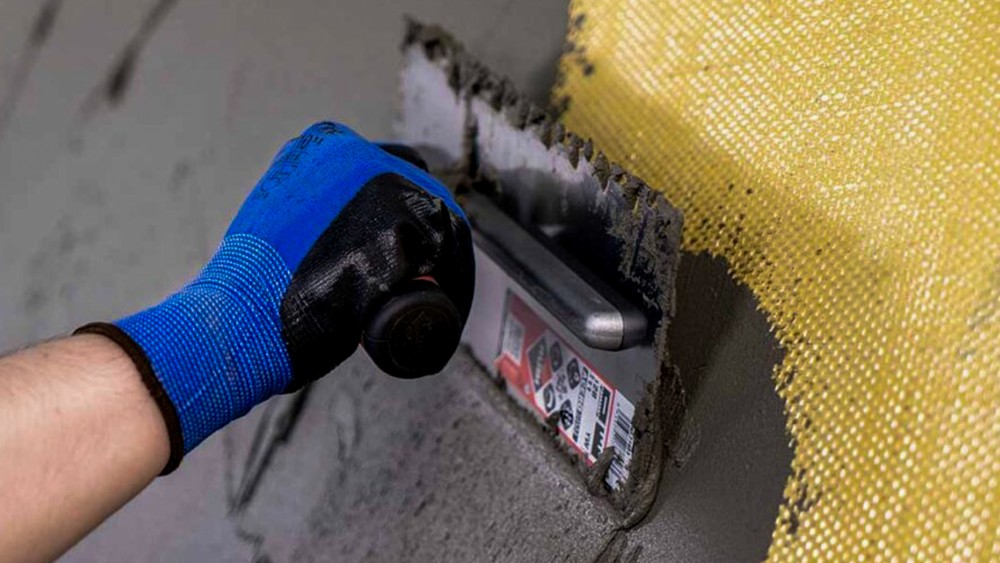
Conclusion
Choosing a trowel is no small matter. It's the tool that translates the effort of your hands into a visible surface finish. A smooth wall doesn't happen by luck; it comes from choosing a trowel that fits both the job and your hands.
So next time before you start plastering, patching, or finishing, pick up your trowel and take another look. Ask yourself, “Does this fit comfortably in my hand? Is it right for this job?” Because the right trowel means fewer passes and a smooth wall just like a pro's!
Select Pointing Trowels to suit the application