


 EN
 ไทย


Customers Also Purchased
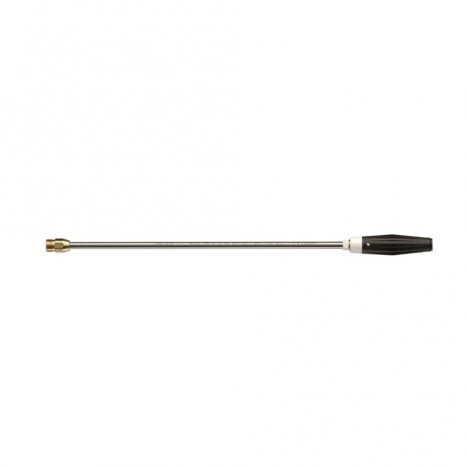
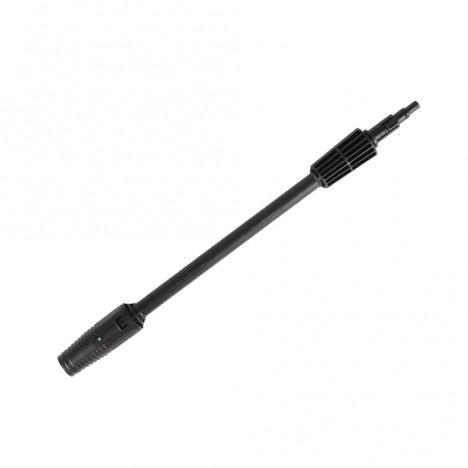


Have you ever experienced this... on a weekend, planning to wash your car, patio, or walls spotlessly clean, you grab your trusty high-pressure washer, turn it on with full confidence, but before you can even get serious with spraying, you hear a "hiss..." and water sprays wildly right out of the nozzle—even though you bought the pressure washer less than a month ago! Your heart sinks because high-pressure washers aren't cheap. Many people might immediately assume "it must be a poor-quality unit" or "I bought cheap knockoff junk." But wait... don't be too quick to blame the machine. From talking with many technicians, a "leaking nozzle" issue doesn't always stem from the quality of the pressure washer itself.
Most of the time, it comes down to "our own habits"—improper use without realizing it, such as positioning the High-Pressure Washers unit incorrectly, pulling the hose too hard, or leaving the high-pressure washer pressurized after use without draining the water, which can cause the internal rubber seals to degrade faster than normal, leading to leaks.
In this article, we invite you to sit down with us and explore what actually causes a "leaking nozzle," how to use the high-pressure washer to extend its lifespan, and share simple maintenance tips you can follow at home.

Why is a "leaking nozzle" such a common problem for high-pressure washers?
A leaking nozzle could practically be called the "chronic ailment" of high-pressure washers. Whether it's from famous brands like Karcher, Bosch, or Makita, almost none can completely escape this issue. Sounds surprising, right? Even though some machines cost thousands of baht or reach over ten thousand, they can still leak. The actual cause isn't complicated: the water pressure inside these machines is extremely high—some models reach 120–180 bar, and some industrial units even exceed 200 bar. Under such intense pressure, if any point becomes loose, cracked, or even slightly obstructed by tiny grains of sand in the water pathway, that is enough to cause a leak.
We once spoke with a professional car wash technician who said, "Some people keep spraying and then tap the nozzle against the floor because they see stubborn dirt and want it gone fast. But you know what? Tapping it just two or three times cracks the nozzle without them realizing it. The next day, water is spraying all over the floor!"
It's true, because water pressure acts like the blast of an air gun. If we bang a "high-pressure gun" like this against a wall or hard ground, no matter how thin the metal or how high-quality the plastic of the nozzle is, cracks can easily form. And it's these tiny cracks that gradually expand into leaks. Now, many of you might be wondering... What is high-pressure washer pressure? How much is enough?
Popular Habits That Cause High-Pressure Washer Nozzles to Fail Quickly (Without You Knowing)
Spraying the high-pressure washer too close
Believe it or not... the number one cause of broken nozzles usually isn't a low-quality or counterfeit high-pressure washer, but rather the "impatience" of the user! Many think that "the closer you spray, the faster stains come off." But in reality, the water pressure that bounces back toward the nozzle is just like shooting a gun at a wall and taking the recoil right back at yourself. The result is... rubber seals and O-rings inside degrade extremely quickly, before you even realize it.
Tip: You should keep the nozzle about 20–30 cm away from the surface. This will effectively reduce water bounce-back. Then, adjust the spray angle to suit the task, such as a fan nozzle (25–40 degrees) for car washing, or a pencil jet/point nozzle (0–15 degrees) for stubborn stains. Spraying too close not only leads to premature nozzle leaks, but also risks damaging car paint or surfaces.
Using unclean water
This is something many people overlook, but let me tell you, "tiny sediment" is the real culprit! Tap water or rusty tanks often contain soil or small limescale particles. These contaminants can flow directly into the nozzle. Under high pressures of 100 bar or more, these impurities turn into "tiny bullets" that slowly but surely erode the nozzle from the inside out.
Many technicians agree: "Don't scrimp on a water filter, because it's much cheaper than buying a new nozzle!" If you have the space, using a water storage tank is also recommended. It helps sediment settle before water enters the machine, significantly reducing the chances of nozzle damage from dirt and debris.
Leaving the high-pressure washer running without spraying water
This one is practically guaranteed to cause damage if done often! Many people leave the machine running without pulling the trigger, or hold it off for long periods thinking it's harmless. But in reality, pressure builds up continuously inside the system until the internal seals and valves can't take it anymore, ultimately causing the nozzle to leak prematurely.
The correct method is to turn off the high-pressure washer first after use, then pull the trigger to completely release the remaining water and pressure from the hose. Never store a high-pressure washer with built-up pressure inside, as that drastically shortens the nozzle's lifespan without you even knowing.

Rotating the nozzle while the high-pressure washer is running
Anyone using a Turbo or Vario Jet nozzle, take note! These nozzles have internal locking teeth and seals. If you rotate to change the angle or adjust the pressure while the machine is actively pumping high pressure, it causes the locking teeth to wear out rapidly. The water pressure can then blow the seal right out. After that, it's the usual story: a loud hiss and water leaking everywhere. The best approach is to release the trigger first, adjust the angle or swap the nozzle tip, and then resume spraying. Doing this will keep your high-pressure washer serving you well for a long time.
Using overly harsh detergents/chemicals
Many people don't know this: when cleaning oil stains or caked-on mud, many like to use super-concentrated chemicals without diluting them, thinking it will remove stains faster. In truth, many chemicals—especially those containing corrosive substances like caustic soda or mild acids—attack the rubber seals in the nozzle and fittings directly. After just a few uses, the damage is evident: swollen seals, cracked rubber, and inevitable nozzle leaks.
Safe approach: Always read the label before use and dilute with water according to the recommended ratio. Don't assume that more concentrated means cleaner faster, because in the end, you might have to buy both new detergent and a new nozzle at the same time.
Different types of high-pressure washer nozzles vary—and some break easier than you think!
Not all nozzle types are equally durable. Generally, high-pressure washer nozzles can be divided into 3 main types:
- Fan Nozzle – Provides even spray distribution, ideal for washing cars or general floors, and has the longest lifespan. Simply put, this nozzle is universally versatile, can spray almost any surface, cleans cars thoroughly without damaging paint, and isn't overly harsh.
- Pencil Jet Nozzle – The most powerful of all types, used for washing stubborn stains or algae. However, if used too often, the nozzle will wear out very quickly. It is safe to say it is more suitable for specialized tasks than daily use.
- Rotary / Turbo Nozzle – Combines the force of a pencil jet with rotary motion, helping to clean with greater force and remove stains faster. However, it is considered the most fragile, especially when exposed to dirty water or soil debris inside the rotating head. Technicians often say, "It works great if you know how to pace its use."
Small Habits That Extend the Life of Your High-Pressure Washer for Years
If you want your high-pressure washer to stay with you for a long time, many technicians have simple tips they recommend everyone follow:
- Always connect a water inlet filter before the machine – Technicians say this is the most critical point because domestic water in some areas contains sediment or pipe rust. Without prior filtering, the nozzle will wear out prematurely without you even realizing it.
- Release the pressure every time before storing – After turning off the machine, don't forget to squeeze the trigger to release all remaining pressure. That short "hiss..." sound is the signal that it's safe and ready to be put away.
- Don't use overly long extension cords – Many people think it's harmless, but in reality, voltage drops, causing the motor to work harder and overheat, ultimately leading to premature failure without you knowing.
- Don't spray too close to highly reflective surfaces like steel or glass, as the water pressure bounces back vigorously onto the nozzle—or even right back onto your face. Some technicians go so far as wearing safety goggles every single time.
- Flush the system and replace detergents monthly if used regularly to prevent clogs from soap residue. It's easy: just run plain water through the system to flush it out. It takes under 5 minutes, yet helps extend your machine's life for years.

And if the nozzle has already leaked... can it be repaired?
The answer is "yes," but it also depends on the cause and the machine's model. Sometimes minor issues are very easy to fix yourself, but in other cases, replacing it entirely is the only real solution.
- If it's just a leak from a deteriorated O-ring or seal, simply replacing the rubber seal for a few dozen THB will solve the problem. You can even do it yourself. That's why many technicians advise not being afraid to open it up, since it's just loosening a few screws.
- However, if the leak is caused by cracked plastic or a worn metal head where high-pressure water repeatedly impacts, the entire nozzle assembly must be replaced. Only then will it be worthwhile and provide long-lasting use without worrying about recurrent leaks.
Warning! Do not attempt to use glue to seal leaks. Pressures of 100 bar and above will blow it right off easily, and some people have even suffered hand injuries from high-pressure water blast-back!
If you don't want to hear that "hiss..." from your nozzle again, check your operating habits today. Your high-pressure washer will become a reliable companion that cleans everything thoroughly and lasts for years to come!
Select High-Pressure Washers More