


 EN
 ไทย


Customers Also Purchased
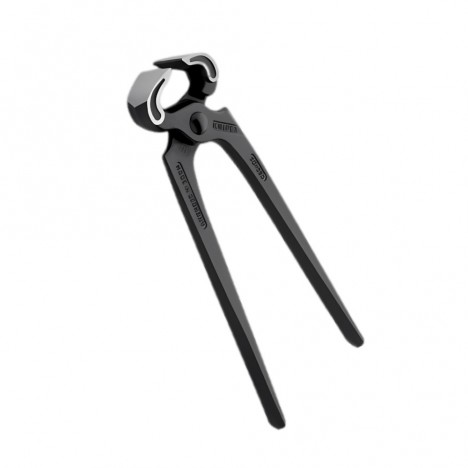
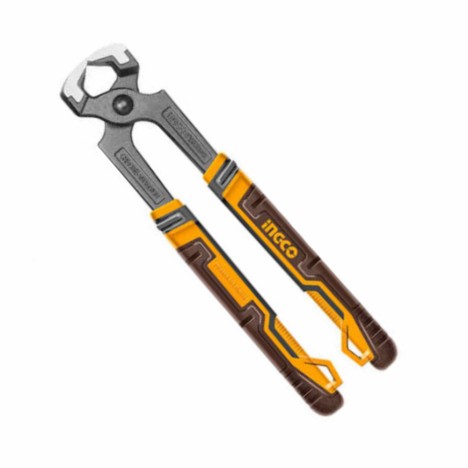
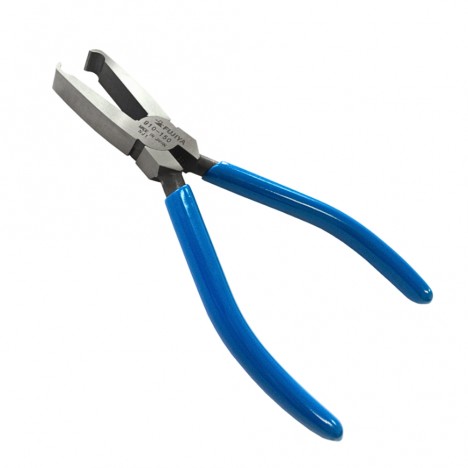
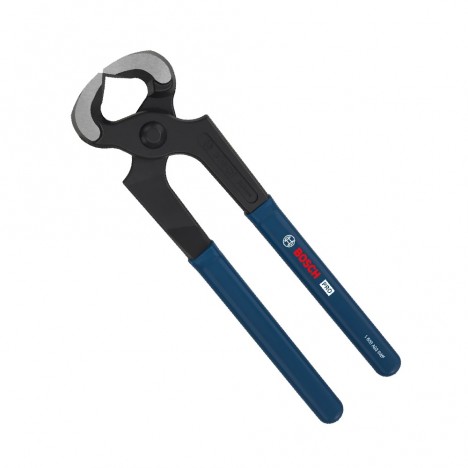
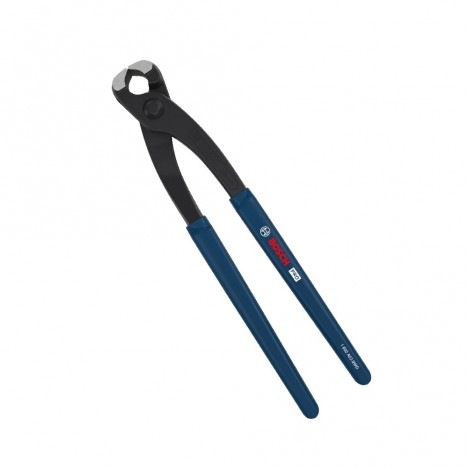

Try opening any technician's toolbox… we bet one tool everyone has in common is end-cutting pliers (carpenter's pincers). It's a small, ordinary-looking tool, but ask any craftsman and they will tell you the same thing: "It's truly indispensable." Used for cutting wires or gripping and pulling pins, it has become a versatile, timeless essential for every craftsman, whether you're a beginner or a seasoned veteran.
But if you were to ask further... why End cutting pliers are there so many types and prices when they all look virtually identical? Some cost hundreds of baht, while others reach into the thousands, even though their sizes are almost exactly the same. The answer doesn't lie solely in the brand; it's in the minute details—from the material used and the sharpness of the cutting jaws to the "spring system" that many might not even realize affects hand fatigue during real-world use.
In this article, we'd like to take you behind the scenes of end-cutting pliers. It involves both engineering design and the tactile feel in a craftsman's hands that make a high-quality tool immediately feel different from a cheap one.
What Are End-Cutting Pliers, and Why Are They Important?
First of all... let's clearly understand what end-cutting pliers actually are. Their defining feature is the "cutting edges," which are not located on the side like standard diagonal cutting pliers, but right at the tip of the jaws, perpendicular to the handles. It might sound like a minor design tweak, but it completely changes how they are used. Thanks to this profile, they can cut extremely close to surfaces. Whether it's nail heads, excess wire, or small metal bits protruding from a workpiece, they can shear them off cleanly without marring surrounding surfaces. With standard side cutters, no matter how sharp they are, an unsightly protrusion is almost always left behind.
In steel fabrication shops or woodworking jobsites, if you take a walk around, you'll see end-cutting pliers on almost every workbench. Some technicians even say, "Working without end cutters is like missing a hand." When it comes to flush trimming or repairing furniture where the wood grain is showcased, they are truly an essential companion.
It's not just for woodworking either; metalwork, flooring, or welding applications use them extensively—especially when trimming excess welding wire or cutting small weld tacks flush with steel surfaces. You could say that end-cutting pliers serve as the ultimate "finishing tool" that makes work look neat and professional. And if you want to get the most efficiency out of them while extending their service life, we have Techniques for Using End-Cutting Pliers Firmly and Durably Without Loosening to share with you. Because no matter how good the pliers are, improper use can cause premature wear or looseness just as quickly!

Pliers Materials: The Foundation of Sharpness and Durability
At first glance, end-cutting pliers seem like just a single piece of forged steel with handles, right? But in reality, the material used to make them is truly the core factor. It directly affects sharpness, strength, lifespan, and even the tactile experience during actual work—determining whether the pliers feel smooth and effortless or stiff and jarring.
We once tried alternating between budget end cutters and premium ones on the same day. Honestly... the difference was noticeable from the very first squeeze! Let's explore how the materials of these pliers differ and which one best suits your work.
Carbon Steel End-Cutting Pliers
The most common base material found in affordable end cutters. Its highlights are low cost, lightweight feel, and suitability for general light tasks such as cutting soft wire or household electrical wire. However, its limitation is lower hardness; using them to cut harder materials like steel wire or screws easily leads to chipped or rapidly dulled cutting edges.
- Best for: Light household tasks, such as cutting cable-pulling wires, tie wires, or minor repairs that do not require heavy force.
Chrome Vanadium Steel (Cr-V) End-Cutting Pliers
Stepping up to the mid-to-high tier. This material is a favorite among professional tradespeople because it delivers both strength and elasticity simultaneously. It can withstand significant clamping force without deforming, and the cutting jaws do not chip easily like carbon steel.
Many electricians say the same thing: "Chrome vanadium pliers last for years without needing re-sharpening, and their cutting power remains as good as day one." It is considered the most well-balanced material in terms of price, durability, and user experience.
Tool Steel End-Cutting Pliers
This is truly the professional grade in the pliers industry. Famous brands like KNIPEX or WERA often opt for Tool Steel and subject them to an Induction Hardened Cutting Edge process.
The result is "ultra-sharp cutting edges" that deliver clean cuts even in heavy-duty applications, such as cutting nails, steel rods, or even stainless steel wire.
Many factory technicians say, "Buy these pliers once, and they'll last over 5 years if used properly." And once you try cutting through hard steel and it snaps in a single cut... you'll understand why they are more expensive yet worth every penny.
Suitable for: industrial work, welding, or tasks requiring cutting hard materials such as steel wire, rebar, or steel framework.
Anti-Rust Surface Coating
Don't assume good steel quality is all that matters. The "surface coating" is actually what truly extends the life of the pliers, especially if you work in humid environments or out in the field.
- Chrome Plated helps prevent rust and makes cleaning easy.
- Black Phosphate Coating is ideal for heavy-duty work or coastal areas, as it helps reduce corrosion from moisture and salt.
Simply put, if you need to use carpenter's pincers in the rain, under the sun, or on dusty worksites, never overlook the surface coating. It might seem like a small detail, but it can extend the life of your pliers by years.

Carpenter's Pincers Jaws: The Heart of Cutting
To put it bluntly... the "cutting jaws" are virtually the heart of carpenter's pincers. No matter how much your pliers cost or how good the material is, if the jaws aren't sharp or don't align properly, the job won't get done. Many people have faced issues like wire not cutting through cleanly—forcing you to squeeze two or three times—or chipping and cracking edges, leading to premature replacement. In reality, all of this starts with "pliers jaws" that weren't designed well enough.
Jaw Shape: Must Align Perfectly at Every Angle
With good carpenter's pincers, the cutting edges must close completely flush from tip to base, with no gaps or visible light leaking through. If there is a gap, it means the jaws are "asymmetrical." The applied cutting force won't distribute evenly, causing uneven wear at certain points and resulting in rough, imperfect cuts.
Technician's Tip: Try gripping a thin sheet of paper, like a sticky note. If it can slice through cleanly from tip to base, that's a sign of real quality! We've tested pliers where the jaws were misaligned by just a fraction of a millimeter; when cutting actual wire, you had to apply double the effort, feeling as though your force was simply wasted.
Cutting Angle: A Small Detail That Changes the Whole Feel
Many people don't realize how much the "cutting edge angle" affects the force required to make a cut. Each model of carpenter's pincers is designed with a specific angle to suit different types of work.
- A smaller angle is used for fine, precision work, such as cutting small cables or soft wire. It provides extreme sharpness, but shouldn't be used on hard materials as it chips easily.
- A larger angle is used for heavy-duty work, such as cutting steel or nails. It requires more cutting force, but is several times more durable.
Major brands like KNIPEX or WERA pay close attention to "this angle" because it dictates whether a cut feels effortless or leaves your hands fatigued.
Induction Hardening: The Difference Between Cheap and Quality
This is a pro-level technique rarely found in cheap pliers. High-quality pliers undergo induction hardening on the cutting edges only, not the entire body. If hardened completely, the pliers become hard yet brittle, making them prone to snapping when dropped or subjected to heavy twisting forces. However, hardening only the jaws achieves a hardness of HRC 60+ (cutting steel cleanly) while retaining flexibility in the body, preventing it from breaking easily under stress.
We once used cheap pliers that weren't differentially hardened. After cutting steel wire for less than a week, the jaws were chipped like they had been bitten into and wouldn't cut cleanly anymore, forcing a quick replacement. Honestly, it was a complete waste of money.
Jaw Surface and Grinding: Details that Indicate Craftsmanship Level
Pliers jaws don't just come in one style. Some models feature a Smooth Edge for tasks requiring a clean, smooth cut finish—such as cutting nail heads or exposed woodwork—leaving a flush surface as if nothing was ever protruding.
However, for heavy-duty tower pincer pliers used in steelwork or welding, the jaws feature small serrations to help "grip the workpiece" tightly without slipping during cutting. It sounds like a minor detail, but in actual use, it makes a huge difference, especially when your hands are oily or when you need to
Spring System: Small Details that Enhance Hand Comfort
When talking about "good pliers," many people usually think of sharp jaws, materials, or brands first, right? Yet there's another small component that is often overlooked, despite significantly affecting "hand comfort"—and that's the spring at the pliers' pivot! This little spring might seem unimportant, but if you have to cut repeatedly hundreds of times a day, such as in electrical work, assembly, or factory jobs, it will immediately make you feel the difference between "standard pliers" and "pliers designed for professionals."
Let's take a look at the pros and cons of each spring type and see which one suits your work style best.
- No Spring – The traditional style, suitable for craftsmen already used to it. You apply force to open and close manually; it's more durable, but prolonged use leads to finger fatigue and slows down repetitive tasks.
- Leaf Spring – A thin metal strip that pushes the handles open after cutting. Ideal for tasks requiring speed, such as cutting wires or cables in high volumes.
- Coil Spring – Delivers great force and durability. Perfect for heavy-duty or industrial work, reducing finger strain when opening the pliers and enabling continuous use without hand fatigue.
Handle: Comfort that Many Overlook
- PVC Dipped Handle: Common and economical, but prolonged gripping can become slippery if your hands sweat.
- Non-Slip Ergonomic Grip: Contoured to fit the shape of the hand, helping to reduce squeezing force and minimize fatigue.
- Insulated Handle: For electrical work, providing electrical protection certified to VDE standards (typically tested up to 1,000V).

Select End cutting pliers More