


 EN
 ไทย


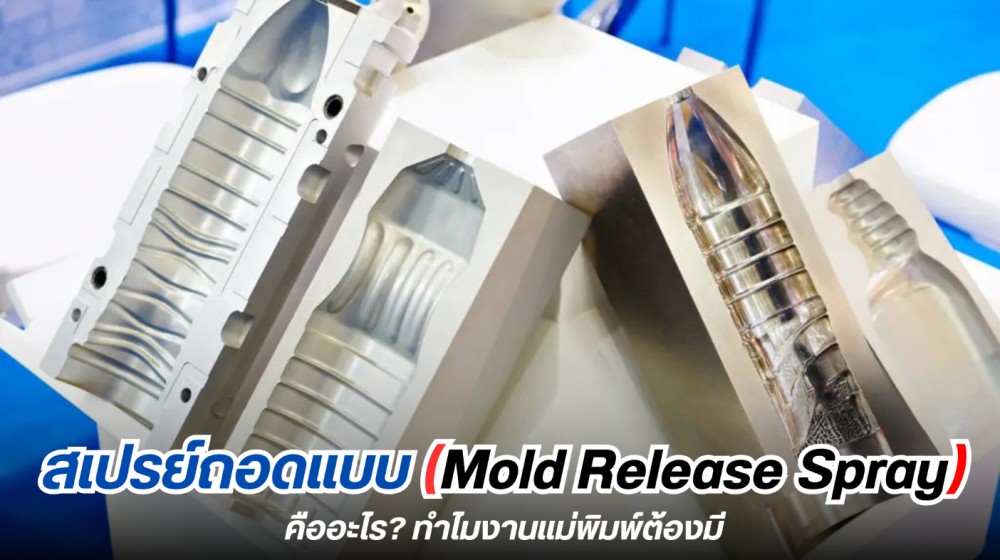
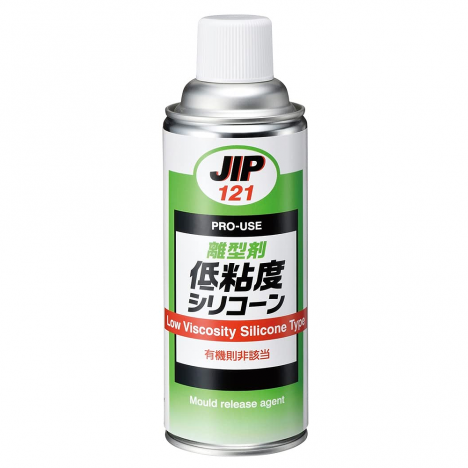
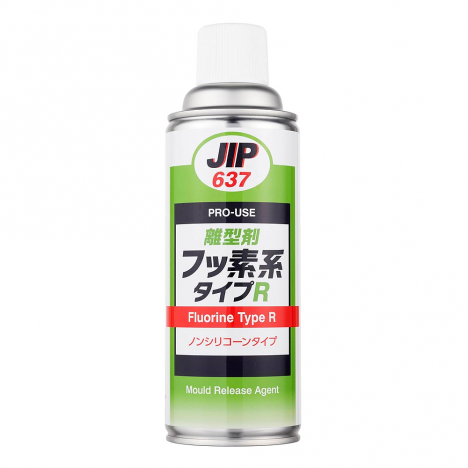
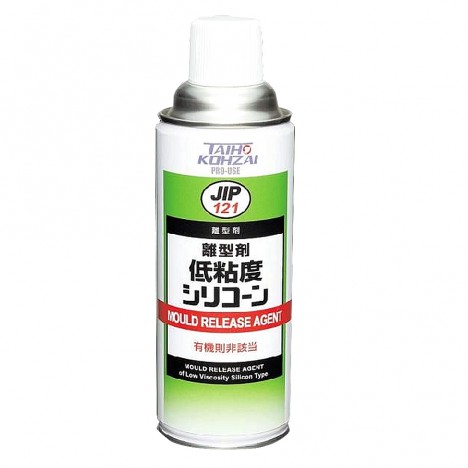
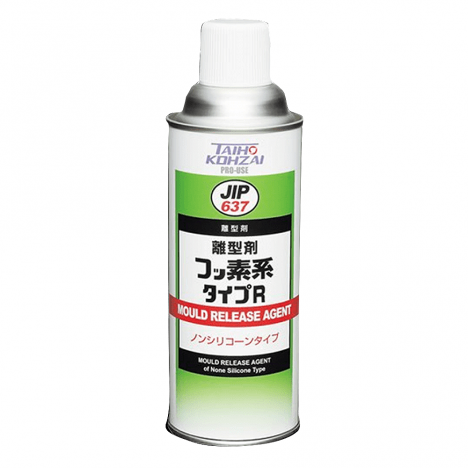
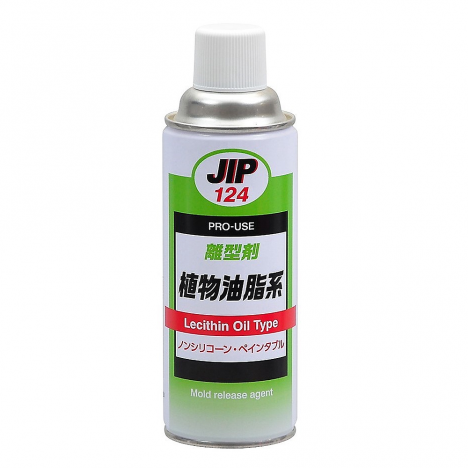
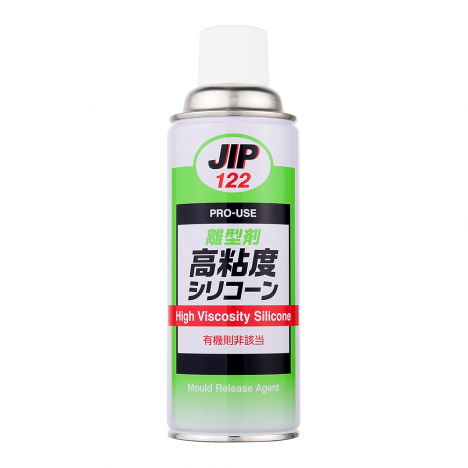
Many people may have heard the term “Mold Release Sprays”, which some also call "part release spray" or "casting aid spray". Whatever it is called, the purpose is the same: to be an essential helper that makes mold work smoother and easier than you think.
In the world of casting and molding—whether using resin, rubber, plastic, or composite materials—what workers worry about most isn't the mixing or pouring step, but rather the moment of "demolding the workpiece." If you're lucky, the part comes out smooth; but if you're unlucky, it sticks tightly, forcing you to pry it out. In the end, the mold might get damaged, the surface deformed, or the entire piece scrapped. This small mistake can cause costs to skyrocket and production time to be wasted.
Mold release spray was developed specifically to solve this problem. It forms a thin film coating on the mold surface to make demolding effortless, leaving no residue or marks, reducing mold wear, and noticeably speeding up each cycle. Whether you are working in high-precision factory production or doing DIY projects at home just for fun, mold release spray is the helper that ensures every piece turns out neat with consistent quality.
In this article, Nong Chang would like to invite everyone to get to know mold release spray in greater detail: what it is, how to use it, why every mold workstation should have one, and most importantly, how to choose the right one for your work.
What is Mold Release Spray?
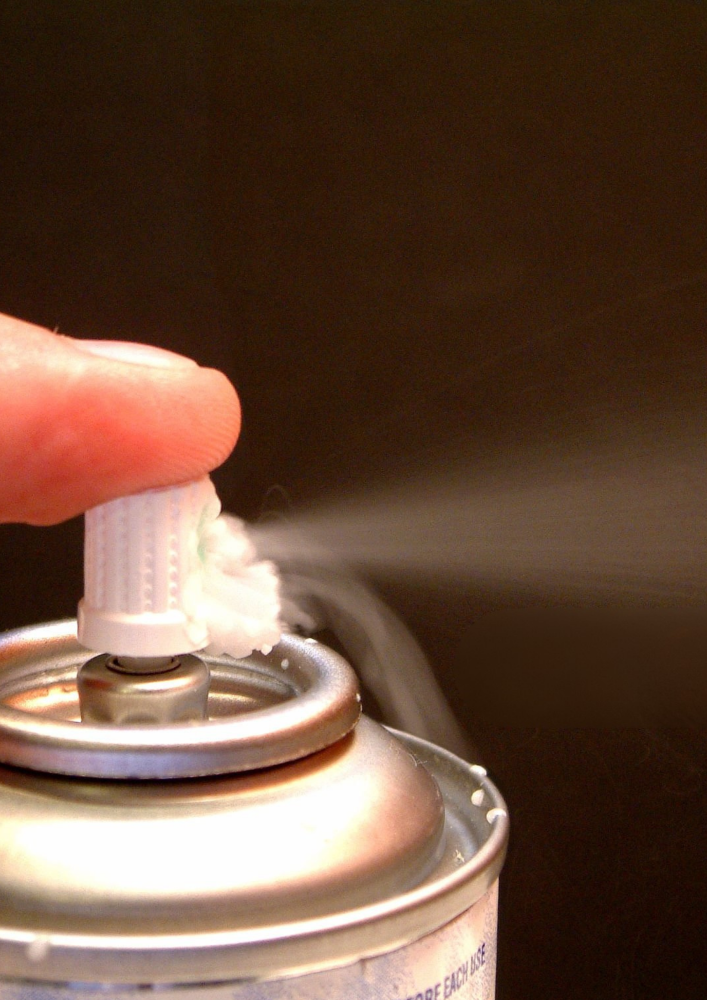
Mold release spray, also known in the industry as mold release agent, is essentially a lubricant in spray form specifically designed for molds. Its primary function is to create a thin barrier film on the mold surface, preventing the cast or molded workpiece from bonding tightly to the mold.
Imagine when you pour liquid resin, rubber, or plastic into a mold: these materials try to seep into every tiny nook and cranny. Without any release aid, once cured, it sticks firmly and becomes extremely difficult to remove. This is where mold release spray comes in—it makes the workpiece "slick" and easy to separate from the mold.
Various compounds are used in mold release sprays, but the most common is silicone-based, known for its excellent lubricating properties and heat resistance, suitable for a wide range of applications. Another type is non-silicone, which is ideal for workpieces that will undergo painting, coating, or gluing afterward, as there is no silicone residue to interfere with adhesion. Additionally, there are special formulations, such as high-temperature formulas for metal casting or specialized formulas used directly in the rubber and plastic industries.
When choosing a mold release spray, ask yourself first: "Does this workpiece require any post-processing?" If it's a finished piece right out of the mold, a silicone formula is your best friend. But if you still need to paint, glue, or apply a surface finish, you should opt for a non-silicone type to avoid dealing with surface finish issues later.
Comparing Mold Release Spray with Traditional Methods
Before mold release spray was invented, previous generations of craftsmen used simple methods to keep workpieces from sticking to molds, such as applying engine oil, petroleum jelly (Vaseline), or waxing the mold surface. While these methods helped to release parts to some extent, they came with many problems regarding convenience, cleanliness, and workpiece quality.
Although motor oil is easy to find and slippery, it is messy and leaves an oily film on the workpiece surface, turning what should be a smooth finish into extra cleanup work. It also has a strong odor and risks accelerating mold degradation. Petroleum jelly is another common DIY option, but the downsides are that it is hard to apply, spreads unevenly, and sometimes goes on too thick, leaving lumps that ruin the desired surface texture. Solid wax performs better, but it is still cumbersome—requiring melting or repeated buffing—making it impractical for mass production.
Compared to modern mold release sprays, the difference is night and day. Just shake the can and spray; the coating film is thin, smooth, and evenly distributed across the entire mold surface without manual spreading or worrying about spots being too thick. Furthermore, spray formulas are tailored to specific tasks—such as slick, high-heat silicone types or non-silicone types ideal for subsequent painting and bonding—making them far more versatile.
Most importantly, the quality consistency achieved with mold release spray far exceeds traditional methods. There is no guessing whether the petroleum jelly was applied too thick or too thin this time, ensuring consistent quality for every unit in industrial mass production, while giving small home DIY projects noticeable convenience and superior results.
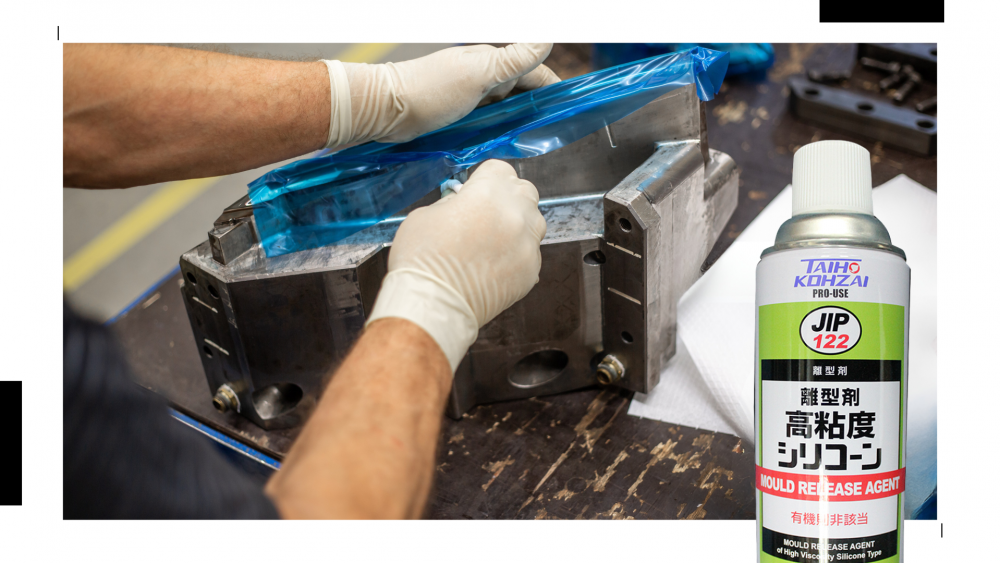
Why Does Mold Work Require Mold Release Spray?
The reason mold work requires mold release spray isn't just about convenience—it directly impacts workpiece quality, production costs, and mold lifespan.
1. Protects the Mold
The mold is the heart of production; even a minor defect affects every subsequent workpiece. Forcing or prying a piece out without an aid can cause mold chipping, surface wear, or deformation, which are costly and difficult to repair. Using mold release spray helps extend the mold's lifespan significantly.
2. Controls Workpiece Quality
Parts released from molds without a protective film layer often face issues like rough surfaces, drag marks, or adhering debris. Spraying ensures parts come out smooth, accurate to the design, reduces scrap, and maintains consistent quality.
3. Saves time and labor
In mass production, while prying or peeling off a part in just a few seconds may seem trivial, when accumulated over hundreds or thousands of pieces, the lost time is enormous. Spraying before casting eliminates tedious steps and keeps production moving quickly.
4. Reduces long-term costs
Frequently damaged molds need replacing, ruined workpieces need remaking, and wasted production time—all of these are hidden costs that far exceed the price of mold release spray. Therefore, investing in just a small can of spray significantly reduces total long-term costs.
If you work with molds often, you should consider mold release spray an "essential consumable" just like sandpaper or glue, not an optional accessory. Keeping it on your workbench guarantees that your workpieces turn out great and your molds will last for a long time.
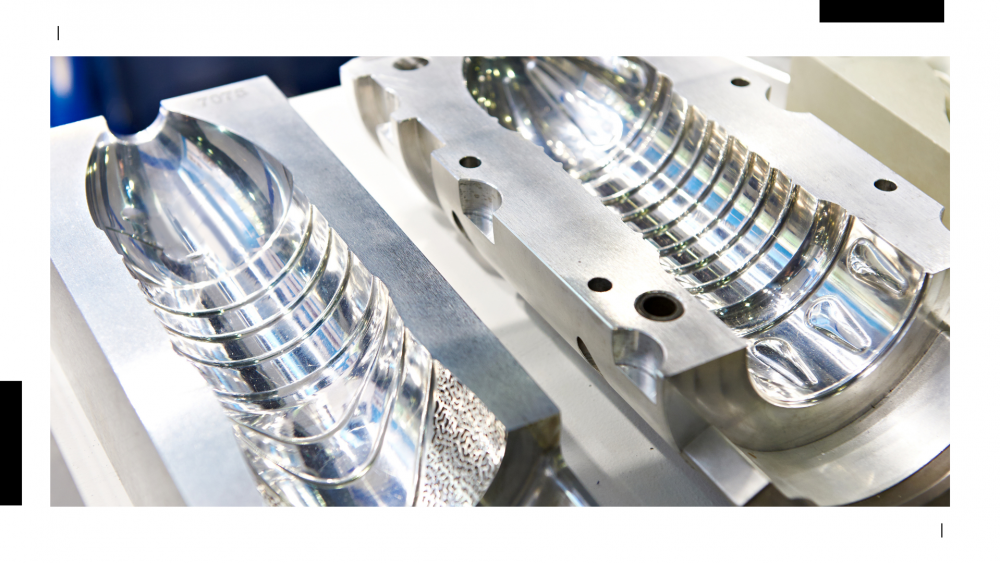
Types of Mold Release Spray
Although collectively called "mold release spray," there are actually many formulas and types designed for various applications. Not every can can be used interchangeably; choosing the wrong type can result in an imperfect finish or, worse, disrupt subsequent manufacturing stages.
1. Silicone-based Release Spray
This is the most common, easy-to-use, and affordable formula. Its standout feature is its lubricity, allowing workpieces to release from molds easily. It is ideal for general jobs that are "finished as-is" upon demolding without requiring further decoration or gluing, such as resin casting, certain types of rubber casting, or plastic molding that does not need post-painting.
2. Non-Silicone Release Spray
While silicone excels at slipperiness, its downside is leaving a thin oily film on the surface, which poses a major obstacle when painting, coating, or gluing, as chemicals will not adhere to silicone-coated surfaces at all. Therefore, for jobs requiring secondary operations—such as automotive parts that need painting or components to be bonded to other materials later—the Non-Silicone formula is the right choice.
3. Specialty Release Spray
Large-scale industries often require sprays designed for specific needs, such as high-temperature formulas for metal molds used in aluminum casting, or formulas tailored for rubber work requiring simultaneous resistance to high pressure and heat. Some types even incorporate rust inhibitors to help maintain molds in humid or highly corrosive environments.
Choose the right formula for your application
General resin casting → Silicone
Work requiring post-painting/gluing → Non-Silicone
Metal molds or rubber industry → Specialty heat-resistant / anti-rust formula
Don't forget to read the label carefully before purchasing every time. Although they are all called mold release sprays, small details like "maximum temperature rating" or "suitable for which materials" determine whether it is truly suited for your work.
Proper way to use Mold Release Spray
Having mold release spray on hand doesn't mean everything will always be easy. If used incorrectly, your workpieces might not turn out well or stains could develop, leading to extra troubleshooting later. Using it properly is just as important as choosing the right formula.
1. Shake the can before use
Many people are impatient and spray immediately upon grabbing the can. In reality, you should shake the can for at least 10–15 seconds to ensure the coating agents and solvents are evenly dispersed, preventing streaks or spraying out only the solvent.
2. Clean the mold first
Remember that dust, oil residues, or old build-up on the mold surface will prevent the spray from adhering evenly. Wipe it with a dry cloth or use a dedicated mold cleaner before spraying.
3. Spray a thin, even coat
Good spraying technique doesn't mean spraying thick layers; it means applying a thin, even coat across the mold surface. Keep a distance of about 20–30 cm from the mold so the mist disperses evenly without dripping or pooling in specific spots.
4. Allow the agent to set
After spraying, wait about 1–2 minutes for the solvent to evaporate, leaving behind a thin film coating the mold surface. Then proceed to pour the casting or molding material.
5. Reapply as needed
For jobs requiring multiple consecutive demolding cycles, the initial spray coating may begin to wear off. Applying a light recoat before starting each new cycle will help keep demolding smooth throughout.
Do not spray too thickly. Instead of providing lubrication, it can leave oily residue on the workpiece surface, causing you to waste extra time cleaning and scrubbing.

Precautions and Storage
Although mold release sprays are very easy and convenient to use, they are chemical products that require considerable care. Neglecting safety can lead to issues ranging from stains on workpieces to flammability hazards.
1. Watch out for flammability
Most mold release sprays contain highly flammable solvents. Do not use near open flames or in areas with sparks, such as near welding machines or smelting furnaces.
2. Use in a well-ventilated area
Do not spray in confined or poorly ventilated spaces, as accumulated vapors can cause dizziness or breathing difficulties. Use in a well-ventilated room or with an exhaust fan running.
3. Prevent residue on workpieces
Spraying too thickly or using the wrong formula can leave an oily residue on the workpiece surface, preventing paint or adhesive from adhering. Therefore, choose the formula suited for the job and apply only a thin coat.
4. Keep away from heat and sunlight
The spray is in a pressurized can. Storing it in a car or under direct, intense sunlight can heat up the can and risk an explosion. Always store it in a shaded area at a temperature not exceeding 40 °C and out of reach of children.
5. Read the label and manual before use
Manufacturers often provide essential details, such as the maximum temperature resistance or suitable materials. Ignoring this information could lead to incorrect use, ruining both the mold and the workpiece.
Always keep in mind that mold release spray is a "chemical tool," not just a general multi-purpose spray. When spraying, pay attention to the formula used, the surrounding area, and safe, proper storage. That's all it takes to ensure great-looking results and work safely without worries.
Mold Release Spray: The Secret Assistant Indispensable to Molding Work
Reading up to this point, many of you likely realize that mold release spray isn't just a small spray can used simply to make demolding easier, but a "crucial link" that makes both manufacturing and DIY projects vastly smoother.
Instead of traditional methods like oil, petroleum jelly, or wax—which are messy and hard to control for consistent results—mold release spray has taken over with greater convenience, speed, and standard consistency. Whether it's resin, rubber, plastic, or high-temperature metal mold work, dedicated formulas are available to meet every specific need.
Importantly, it also protects expensive molds, extends their lifespan, reduces defective workpieces, and significantly lowers long-term costs. It is no wonder that large industrial plants and small home craft workshops alike always keep mold release spray handy on the workbench.