


 EN
 ไทย


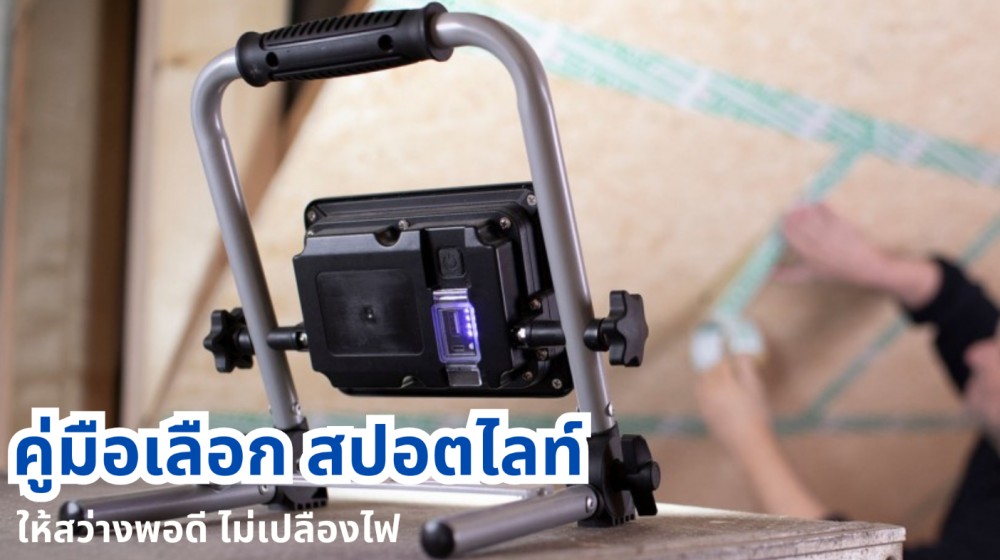

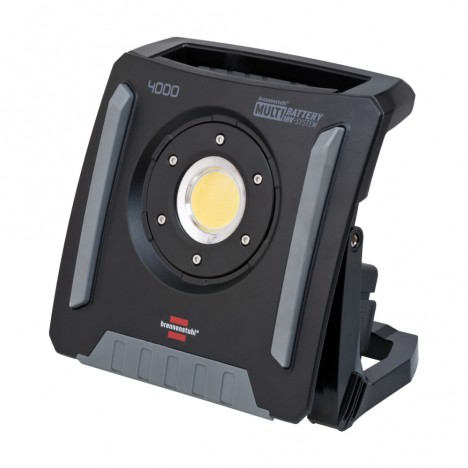
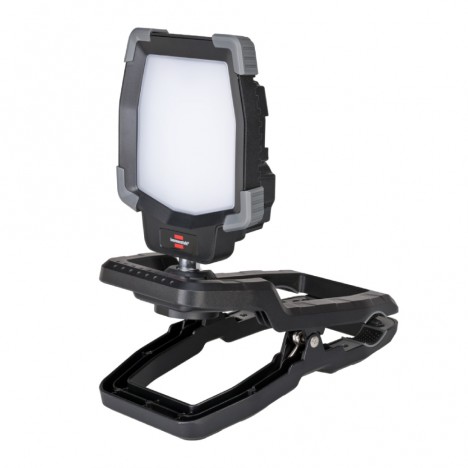
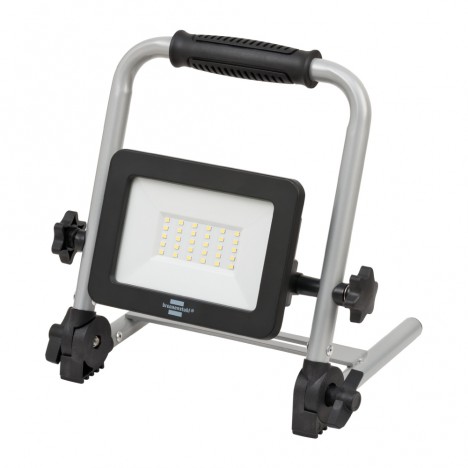
How Many Watts Are Enough? Guide to Choosing Spotlights with Just the Right Brightness Without Wasting Electricity
Spotlights are not just for adding beauty to your home; they are "lighting tools" that highlight key focal points, improve walkway safety, and reflect the homeowner's taste. But what confuses most people is how to choose the right wattage — buy too low, and the light is dim and hides details; buy too high, and it gets hot, causes glare, and drives up electricity bills. Today, Nong Chang will take a deep dive into how to choose the right spotlight wattage for the job without guessing, whether for small houses, large homes, or specific decorative accents. Read on to discover what to look for beyond just the wattage printed on the box, so you can achieve lighting that is beautiful, safe, and energy-efficient in the long run.
“Easy rule of thumb: Wattage is the power consumed; lumens are the brightness delivered — choose based on your task and area first, then look at the wattage.”
What is a spotlight and why is it important?
A spotlight is a lighting fixture designed to illuminate specific spots, unlike typical ceiling lights that diffuse light across the entire room. Its key feature is a narrow, intense beam angle that accentuates items you want to display, such as gallery walls, showcase items, or garden plants. Today, almost all of them use LED because they consume little power, generate low heat, and have a long lifespan (many models 30,000+ hours). They are available in recessed designs for a clean, sleek look, track-mounted options that can be swiveled and adjusted, and outdoor models equipped with waterproof and dustproof ratings.
Watts ≠ Brightness: Always check "Lumens" alongside it
Watts (W) is the electrical power the device consumes, while lumens (lm) is the actual brightness we see. In the incandescent era, more watts usually meant more brightness, but in the LED era, this equation has changed. For example, a 10W LED provides around ~800 lm (comparable to a 60W incandescent bulb). Therefore, when choosing a spotlight, you must always look at lumens in tandem with wattage.
| Bulb Type | Approximate Wattage | Approximate Brightness (Lumens) |
|---|---|---|
| Traditional Incandescent Bulb | 60W | ~800 lm |
| Modern LEDs | 8–10W | ~800 lm |
| High-power LEDs | 15–20W | ~1,300–1,800 lm |
How many watts are enough? How to choose based on tasks and spaces
The key principle is Room size + Ceiling height + Function then control with an appropriate "lumen/watt" ratio. This guideline can be flexibly adapted to actual conditions:
Indoors (ceiling height 2.4–2.8 m)
For ambient lighting or reading, a 5–8W spotlight (≈ 400–700 lm) per fixture is sufficient. For accentuating walls or objects, step up to 7–12W (≈ 600–1,000 lm) and distribute multiple fixtures rather than relying on a single high-wattage light. The light will be softer, easier on the eyes, and offer better shadow control.
Outdoors / Garden
For pathways or small gardens, use 10–20W (≈ 800–1,600 lm). For large trees or wide front yards, use 30–50W (≈ 2,400–4,000 lm) and choose an IP65 rating or higher for rain resistance.
Retail stores / Showrooms
Generally, 15–30W per fixture is used (depending on ceiling height and throw distance). To highlight products, choose a narrow beam angle of 15–30° and slightly increase the wattage for sharp contrast.
Beam Angle is just as important as wattage
Spotlights excel at "directional lighting." Choosing the right beam angle for the task controls the lighting mood better than simply increasing the wattage.
15–30° Suitable for focusing on specific objects or walls, providing intense light and defined shadows, while 36–60° Covers a wider area with softer light, ideal for living rooms, hallways, or communal living spaces. If "Hot Spots" (overly harsh bright spots) occur—adjust the position, move the light further away, lower the wattage, or increase the number of fixtures instead.
Color temperature (K) changes the atmosphere of the entire room
Spotlights are not just about brightness, but Color Temperature (K) is also important
- Warm White (2700–3000K) — Soft, warm light suitable for living rooms, bedrooms, and cafes
- Cool White (4000–5000K) — Natural white light suitable for kitchens, working, and reading
- Daylight (6000–6500K) — Bright daylight with clear visibility, suitable for showrooms or outdoor use
How to install for energy efficiency and eye comfort
1. Choose the right beam angle for the task
- 15–30° to highlight small objects
- 36–60° to cover wider areas
2. Position lights to avoid excessive overlap
- This ensures even illumination and saves electricity
3. Use track lights for decorative purposes
- Easy to adjust direction and convenient for altering room functionality
Check standards and safety before buying
- TIS Helps ensure the quality and safety of electrical equipment
- IP Rating If used outdoors, it should be IP65 or higher for rain resistance
- Brand and Warranty Choose options with spare parts or after-sales service
Guide to Choosing the Right Spotlight for the Job
| Application/Area | Recommended Wattage | Approximate Lumens | Beam Angle | Color Temperature |
|---|---|---|---|---|
| Feature Wall/Artwork | 7–12W | 600–1,000 lm | 15–30° | Warm/Cool depending on mood |
| Reading Nook | 5–8W | 400–700 lm | 36–60° | Cool 4000–5000K |
| Garden/Small Trees | 10–20W | 800–1,600 lm | 36–60° | Daylight |
| Large Trees/Wide Front Yard | 30–50W | 2,400–4,000 lm | 15–30° | Daylight |
| Retail stores / Showrooms | 15–30W | Depends on layout | Mixed 15–60° | Cool/Daylight |
Conclusion
Don't just look at wattage—Check “Lumens + Actual Application” • Control with beam angle To focus or cover the area as needed • Choose the right color temperature for each room (Warm = cozy, Cool/Daylight = clear for work) • Look for IP65+ for outdoors • and high lm/W for long-term electricity bill savings
Final tip from our technician: “Choose what fits your task, then let the light elevate your home on its own — beautiful, easy on the eyes, and energy-efficient.”