


 EN
 ไทย


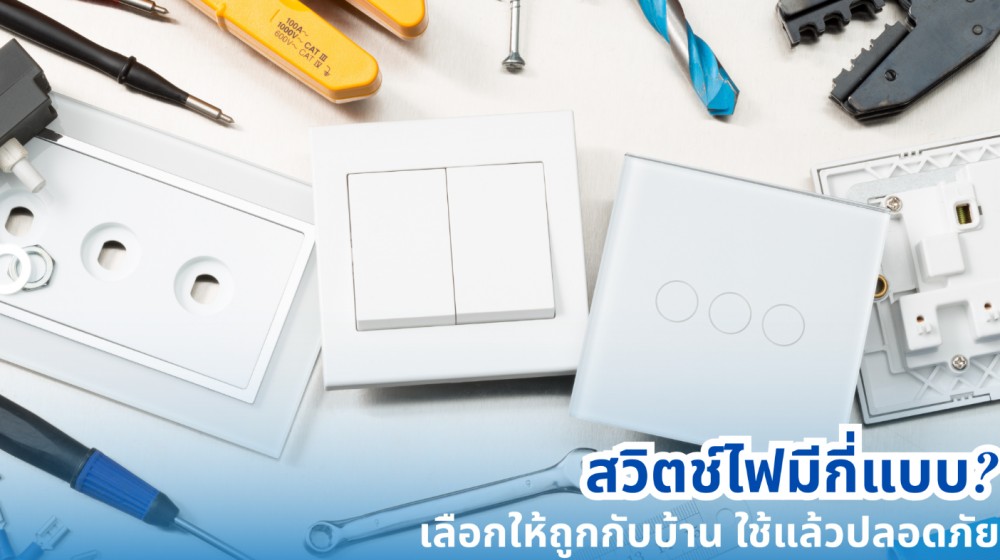
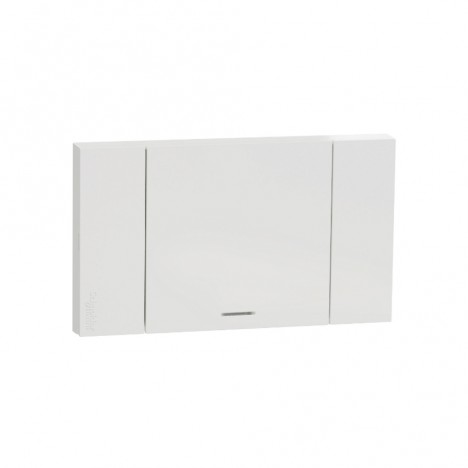
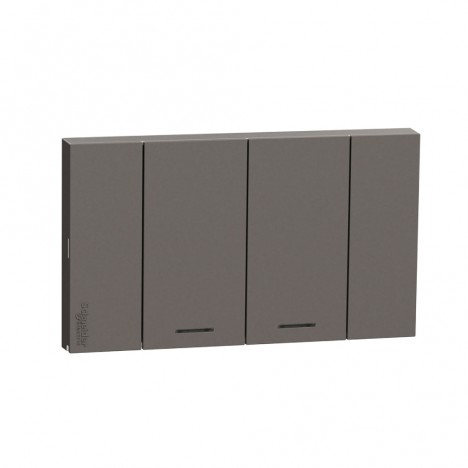
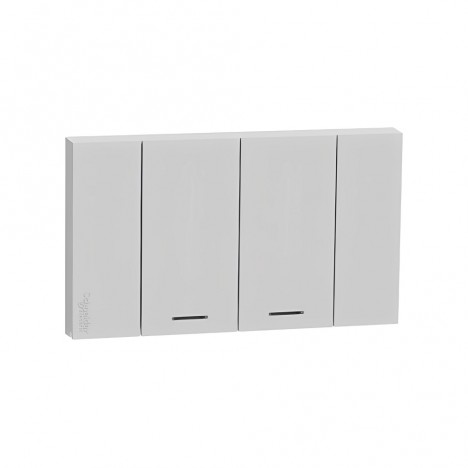
How Many Types of Light Switches Are There? Choose Right for Your Home for Safe Use
A light switch is one of the most frequently touched devices in the home, yet it is often the most overlooked. Despite being a small point connecting the user to the entire home electrical system, a single press not only turns the light on or off, but also reflects convenience, safety, and the character of the entire house.
The common misconception that "all light switches are the same" leads many homes to install the wrong type. Areas that should have multi-way control end up with only a single switch, high-humidity bathrooms use standard switches, or living rooms meant for ambiance lack dimming controls. The result is inconvenience, wasted energy, and unnecessary safety hazards.
"The right light switch is a balance between functionality, safety, and home aesthetics."
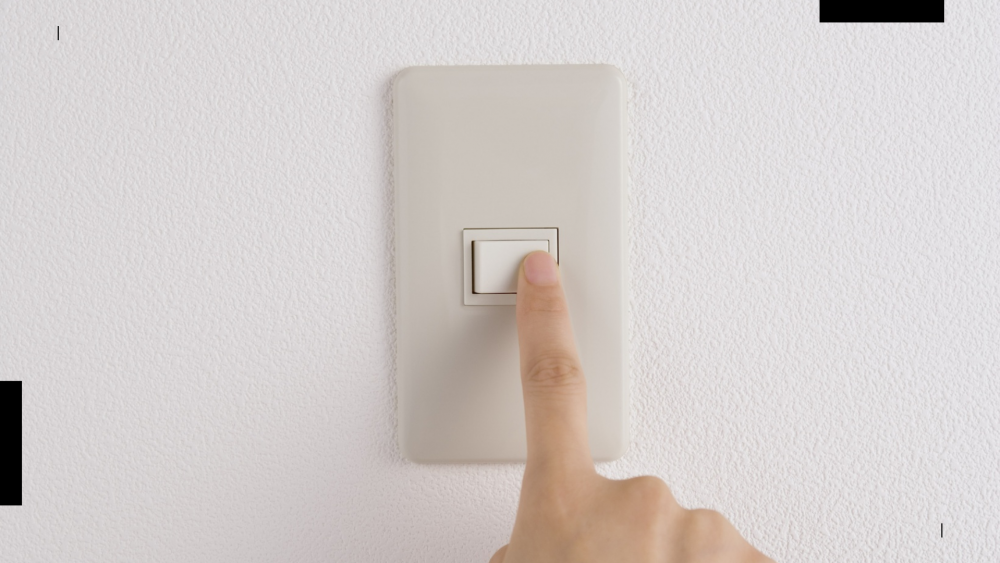
Why You Need to Choose the Right Light Switch for the "Right Place, Right Job"
Wrong Choice… Problems Arise
Inappropriate switches disrupt daily routines: hallways where you must backtrack just to turn off the light, bathrooms prone to electrical leakage from humidity, or dark stairs controlled from only one end are all results of switch placement that fails to match the actual needs of the space.
Choosing right… makes life easier
Two-way switches keep stairs and hallways safe. Intermediate switches allow large halls to be controlled from multiple points. Dimmer switches adjust the atmosphere and save energy. Waterproof switches reduce the risk of electrical leakage. When the type matches the application, the home becomes instantly smoother and safer to use.
Get to know each type of light switch
1-way switch (Single Switch)
1-way switch is the most basic type, featuring two contact terminals—input and output—pressing it directly connects or disconnects the electrical circuit.
Highlights is simple, budget-friendly, and easy to install without complexity. Suitable for Small rooms with a single entrance/exit, such as storage rooms, compact bathrooms, or small bedrooms. Limitations of this switch type is clearly that it is not suitable for areas accessed from multiple directions, as users must always return to the same spot to turn off the light.
- Recommended areas: Small rooms, single entrance/exit
- Pros: Simple structure, economical price
- Limitations: Not suitable for hallways/stairs/rooms with multiple doors
Two-Way Switch
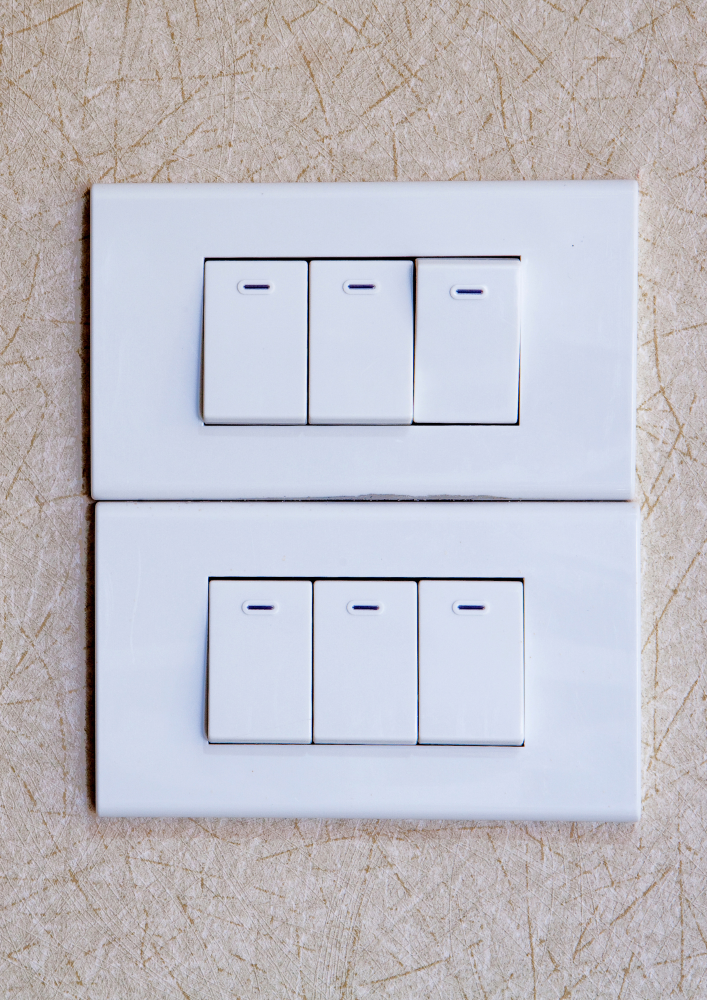
2-way switch Designed to control a single light from two locations by using two switches with internallythree terminals (L, L1, L2) alternating power distribution,ideal forstairs, hallways, or rooms with two doors Strengthis convenience and safety, especially at night. It should be installed by an electrician who understands the system to ensure correct and safe circuit switching.
“Two control points = eliminates walking back in the dark, instantly increasing safety."
- Suitable for: Stairs, long hallways, rooms with two doors
- Considerations: Wiring is more complex than one-way switches
Intermediate Switch
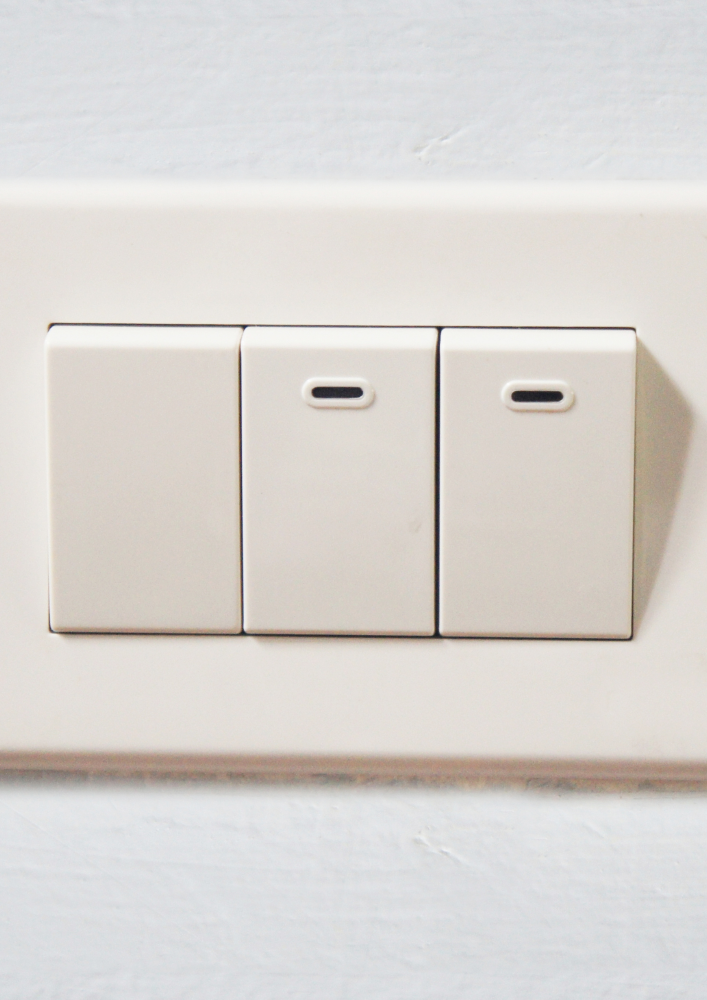
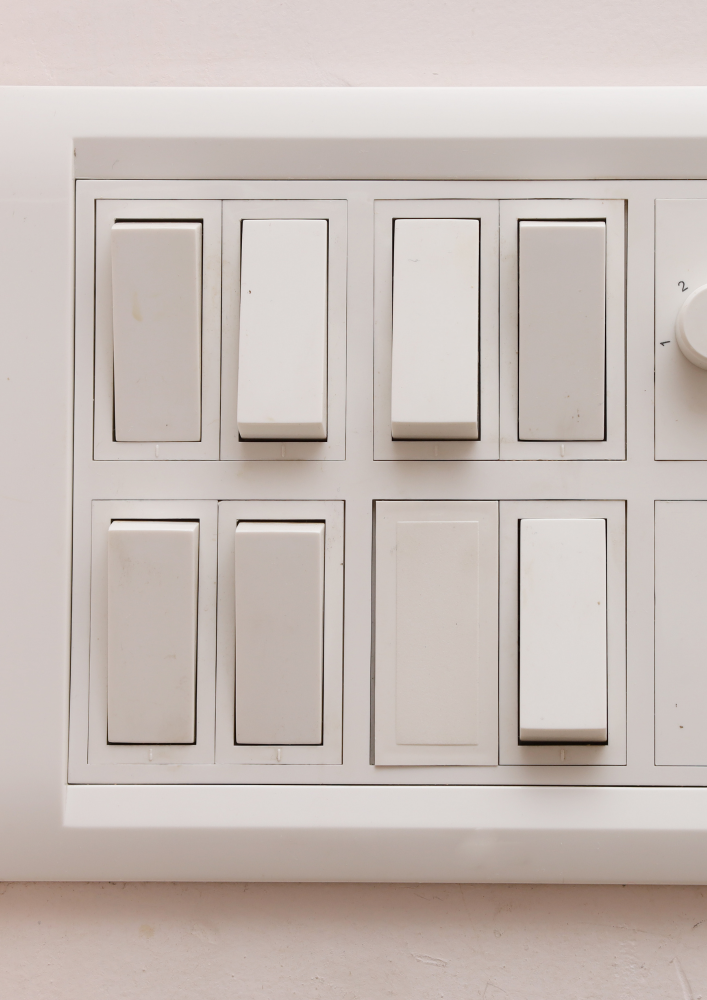
When two locations are not enough, such as in large halls or areas with three or more doors, we can add "Intermediate Switch" which has four contact terminals to sit between two-way switches, allowing control of a single light from three or more locations. It offers seamless operation across larger areas, but comes with more complex wiring and higher equipment costs. Therefore, it is commonly found in large homes or public buildings and should be installed by a professional electrician.
- Suitable for: Large halls, public buildings, homes with multiple entry points
- Limitations: More complex circuitry + higher budget
Dimmer Switch
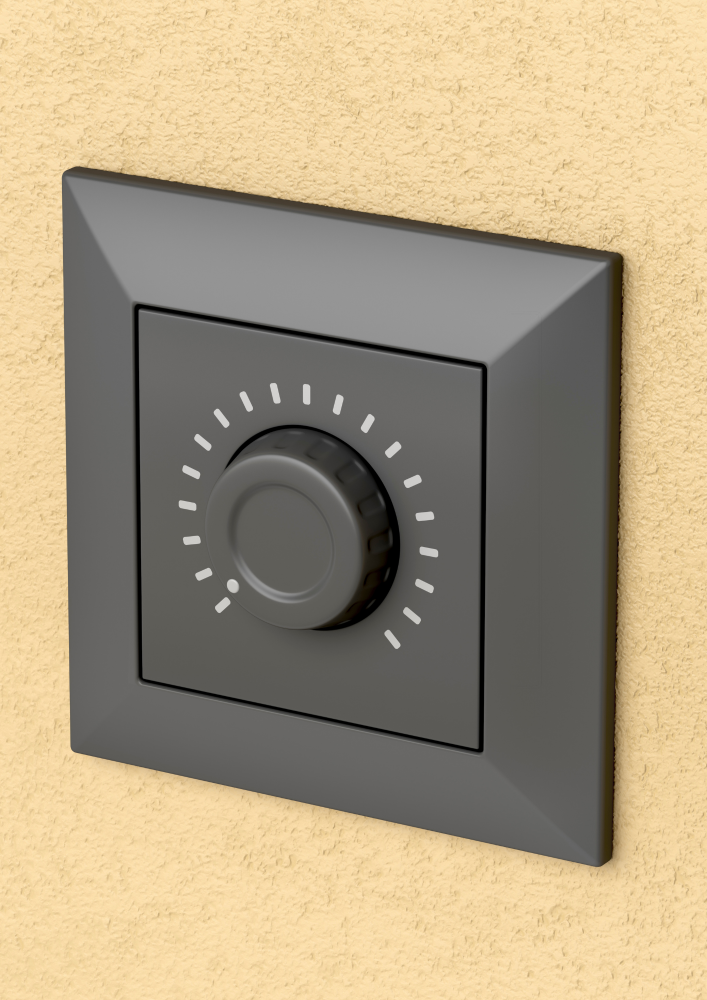
Dimmer switch Controls the brightness level of light using electronic circuitry, such as Triac/IC phase angle control, allowing you to adjust the light level from soft for relaxing the eyes to full brightness. Ideal for living rooms or bedrooms. Its highlights include energy savings and extending bulb lifespan, but an important condition is that it must be used with bulbs labeled "Dimmable". If used with standard bulbs, flickering or abnormal device overheating may occur.
- Applications: Living rooms, bedrooms, home theaters
- The Result: Ambiance / eye comfort + energy saving
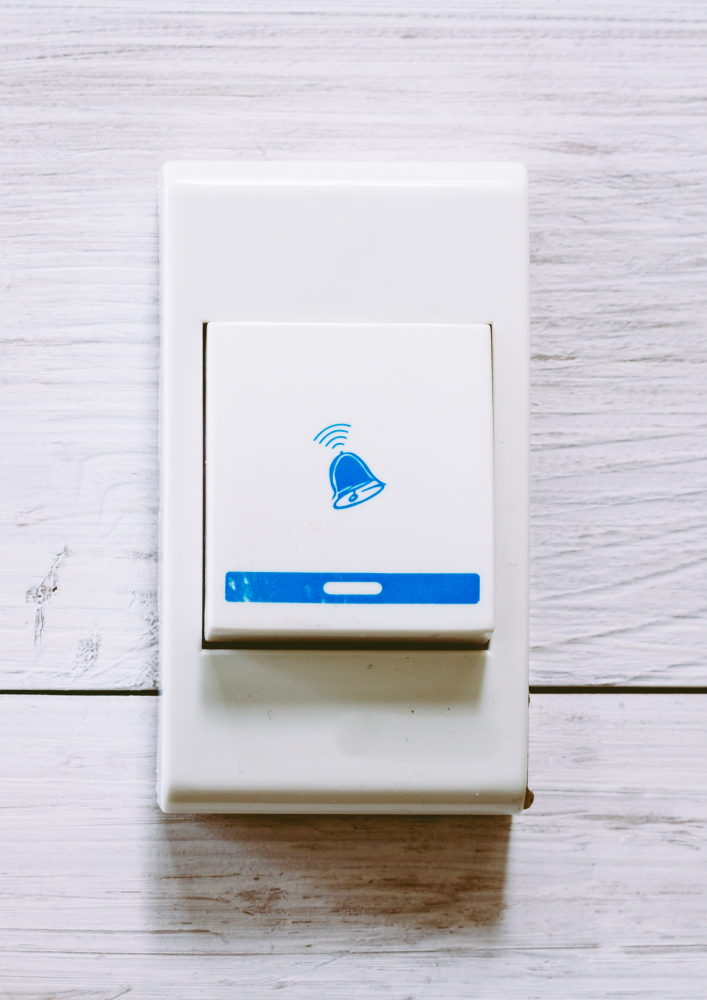
Momentary / Bell Switch
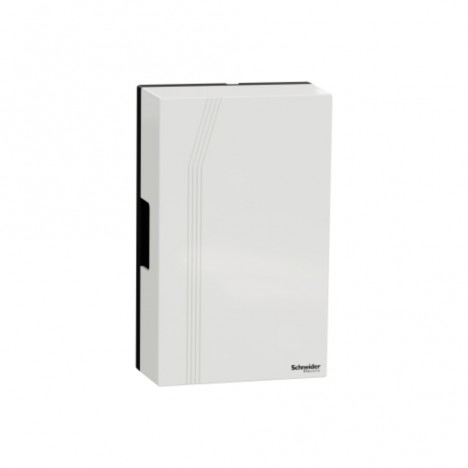
This type of light switch closes the circuit only while the button is pressed and immediately breaks the circuit once released. It is suitable for short pulse commands such as doorbells, relay activation buttons, or certain control systems. It is not suitable for use as a primary on/off switch because it does not maintain its state. Choosing materials and button construction that withstand frequent presses will significantly extend its lifespan.
"A small button specifically made for 'momentary commands'"
- Application examples: Doorbells, command relays, reset switches
- Things to know: Not suitable as a primary switch because it does not maintain its state
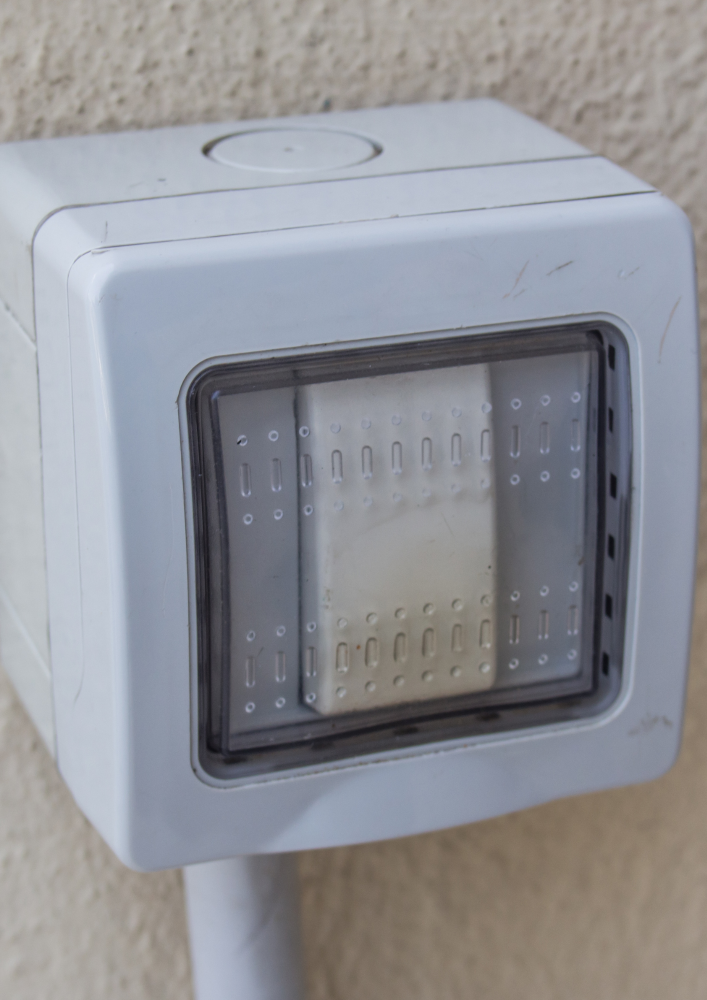
Waterproof Switch
Areas with humidity, splashing water, or exposure to rain—such as bathrooms, balconies, garages, and outdoor spaces—require waterproof switches equipped with rubber seals and covers to prevent water and moisture from reaching the contacts, significantly reducing the risk of electrical leakage and shocks. Although slightly more expensive than standard switches, it is a worthwhile investment in safety. Always check for TIS standards and the ingress protection rating (IP54/55/65) appropriate for the installation location.
- Used in: Bathrooms, balconies, garages, outdoor areas
- Check for: IP rating + TIS standard + cover material
How to Choose the Right Light Switch for the Job and Safety
Start from the space and actual usage behavior—small rooms with a single entrance use 1-way switches; areas needing control from two directions use 2-way switches; if three or more locations are needed, add intermediate switches; rooms needing ambiance control use dimmers; and points at risk of water or moisture must only use waterproof switches. Then consider design, features, and safety standards such as TISI/IP rating/warranty.
- Pair dimmers correctly with the bulb type (LED Dimmable + Dimmer for LED)
- Use professional electricians when multi-way circuits are involved
- Regularly check the tightness of wiring connections and device condition
New Trends in Light Switches
Smart Switch: App connectivity, voice commands, schedules/scenes, pairing with sensors to reduce energy consumption and increase convenience
Touch Panel: Sleek, elegant glass panel, responsive, easy to clean, with locator indicator lights
Modular Design: Combines switches, outlets, USB, and communication ports in a single panel for a neat front appearance
Eco Design: Recycled materials, eco-friendly manufacturing processes, and energy-saving circuits
Conclusion
Light Switches It's not just a small button we press every day; it's actually the "main interface" connecting us to the whole home's electrical system. Every time your hand touches it, it controls the entire circuit. Choosing the right switch type is therefore no small matter, because a wrong choice can make the whole house inconvenient to use or pose unnoticed safety risks.
When we choose switches that match the space and actual usage behavior Only after that should you choose the design and additional features, whether it's a sleek minimalist switch, a touchscreen glass panel, or a smart switch controlled via smartphone and voice commands. Investing in quality light switches not only makes the house look better, but also elevates the "living experience" in terms of safety, energy savings, and daily peace of mind.
Final tip from our technician: “Choose the right light switches from the start, and the whole home's experience will improve every day.”