


 EN
 ไทย


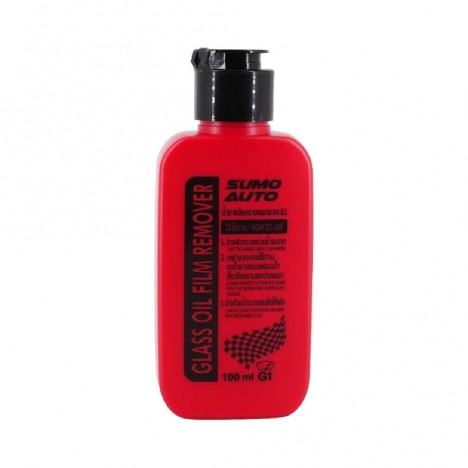
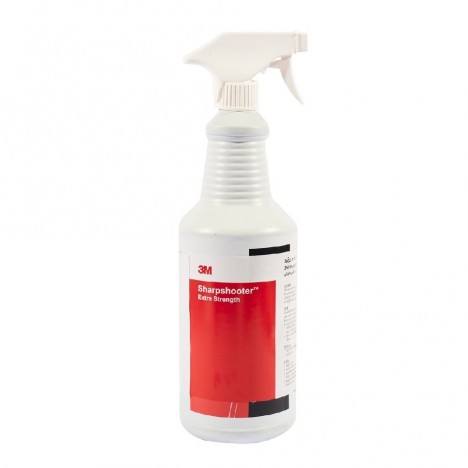
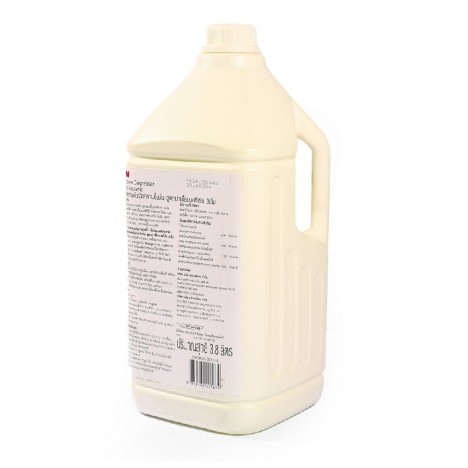
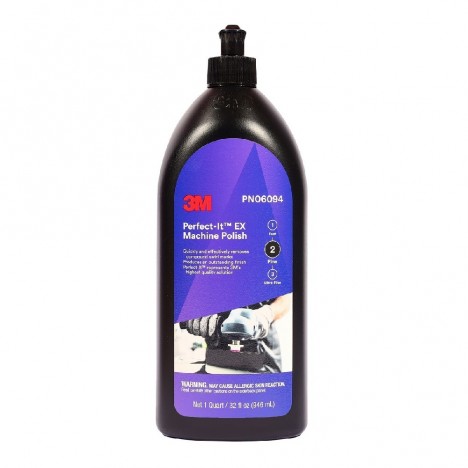

When walking into a supermarket or a cleaning supply store, the dazzling sight that greets us is shelves packed with "Cleaning Chemicals" of various types... "Ugh! Why are there so many? Can't we just use one single bottle to clean everything?"
Actually, this is a great question, and to be honest, many people wonder the same thing—including Nong Chang! But let me tell you, it's not just a marketing gimmick. Behind it lies the reality of different types of "stains," the specific "chemicals" needed to remove them, and the "safety" of both the user and the surfaces being cleaned. That is why cleaning agents must be clearly divided into distinct categories.
Stains are different, so why should cleaning agents be the same?
At the core, every stain has a completely different origin. Bathroom stains are limescale, scale, and organic residue from soap or watermarks. Kitchen stains consist of fats, cooking oil, and food scraps. Garage and workshop stains are engine oil, grease, or rust. Car stains are dust, mud, and acid rainwater that can damage the car's clear coat. If we use a single bottle of cleaner for everything, there's no way it will get the job done properly.
- Bathroom Stains = Limescale, soap scum, mold → Requires an “acidic” cleaner
- Kitchen Stains = Grease, food residue → Requires gentle surfactants that dissolve fats without leaving harmful residues
- Hand Tools = Engine oil, thick grease → Requires a heavy-duty degreaser
- Automobiles → Vehicles = Dust, dirt, rainwater stains → Requires a formula with "just the right strength" to clean without stripping the protective coating
To paint an easy picture, it's just like bar soap versus shampoo. Bar soap is meant for cleaning your body, but if you try washing your hair with it... your hair becomes rough, tangled, and stiff as a board. That's because hair and skin have completely different sensitivities. Cleaning solutions work in exactly the same way.

Bathrooms: The Realm of Limescale
The bathroom is a hub of cleaning challenges, combining soap scum, shampoo residue, mold, and the toughest of all—limescale from tap water. These stains won't come off easily because they adhere extremely tightly to ceramic surfaces.
Bathroom cleaners therefore require acids, such as hydrochloric acid or milder organic acids, which quickly dissolve limescale. However, the downside is that if used in the wrong place—like on marble floors—it will etch and permanently spot the stone surface.
Kitchen: Grease stains and food safety
The kitchen is where everything revolves around food. The most common stains we encounter are grease and protein residues. Dishwashing liquids are therefore formulated with "surfactants" that trap grease and food residues and easily wash them away with water.
The difference is that dishwashing liquids must be gentle on the skin and leave no residue behind. If dishes aren't rinsed thoroughly and then used for food, we risk ingesting chemicals. Therefore, dishwashing liquid formulas are definitely not as harsh as bathroom cleaners.
Hand tools: The enemy is engine oil stains
In the garage or workshop, the stains we deal with are engine oil, grease, and metal dust. These are extremely stubborn stains that dishwashing liquid simply cannot handle. You need dedicated tool cleaners or degreasers, which often contain solvents or heavy-duty degreaser formulas that can dissolve thick grease.

Automotive: Cleans thoroughly while protecting paintwork
Car bodies feature a glossy clear coat that requires delicate care. Using the wrong cleaner can dull or fade the paint. Car wash shampoos are therefore formulated with just the right strength of surfactants to remove dust, rainwater spots, and light road tar without damaging the paint, and some formulas even include built-in gloss enhancers.
Dedicated cleaners for trade and industrial work
The trades industry also has specialized cleaners, such as tool cleaners designed to wash away engine oil, grease, or heavy-duty workshop grime without damaging metal surfaces, while also helping to reduce the risk of rust.
This clearly shows that "cleaning agents" aren't meant just for the bathroom and kitchen, but play a role in every aspect of life—from the cars we drive to the tools we use for work.
Mechanic's hand cleaner: Leaves no tough grime behind
Mechanics' hands are unlike those of cooks or homemakers; they are covered in engine oil, grease, rust stains, adhesives, paint, and traces of chemicals deeply embedded in skin creases and under nails. Regular bar soap won't remove it no matter how many times you wash, sometimes leaving hands irritated while still feeling slippery.
Mechanic's hand cleaners are specifically engineered with the following key features:
- Yes Grease dissolver Strong enough, yet gentle on skin
- Some formulas contain Scrubbing beads Helps dislodge deep-set grime easily
- Yes Skin nourishing agents Such as glycerin / aloe vera
- Easy to rinse off, leaves no slippery residue

All-Purpose Cleaner: One Bottle for Everything (Really?)
When talking about cleaners that many households love to keep around, multi-purpose cleaners inevitably come to mind. As the name suggests, they are "usable in multiple places." Some homes keep just a single bottle and grab it to wipe floors, wipe tables, clean glass, wipe down the kitchen… truly economical and ultra-convenient.
In reality, multi-purpose cleaners are formulated to be neutral—neither strongly acidic nor strongly alkaline. They contain surfactants that help wash away general grime such as dust, water stains, fingerprints, or light grease accumulated on tables and household surfaces. The advantages are that they are safe on various materials, easy to use, and eliminate the need to buy multiple bottles that take up storage space.
However, it must be said that "all-purpose" doesn't mean "handles every situation." If you encounter tough stains like limescale in the bathroom, grease from mechanical work, or thick engine oil residues, a multi-purpose cleaner won't be able to handle it, and you will still need to rely on specialized cleaners.
It's just like using kitchen knives. A chef's all-purpose knife can slice through anything, but if you want to slice meat thinly or debone a fish, you really need a specialized knife to get the job done properly.
The Chemistry Behind Cleaning Solutions
Take a close look at the labels, and you'll see that every cleaner contains different primary ingredients, such as:
- Bathroom cleaning → Acids such as Hydrochloric / Sulfamic help dissolve limescale
- Kitchen cleaning → Alkalis such as Sodium Hydroxide dissolve grease stains
- Dishwashing → Surfactants pull away grease
- Cleaning technician tools → Solvents for grease stains without corroding metal
Why can't they be used interchangeably?
Using toilet cleaner to wash a car will cause the paint to fade and blotch because the acid eats through the clear coat. Or if you use kitchen cleaner in the bathroom, limescale stains won't come off because alkaline substances don't react with mineral-based limescale.
Crucially, it is also about user safety. Some cleaners are highly corrosive, such as toilet bowl cleaners. If used in the wrong place, they can irritate the skin, or inhaling too much can be hazardous to the respiratory system.

Technician Q&A
So, do you have to buy every single type?
- Own a car → Should have car wash shampoo
- Cook often → Kitchen cleaner + dishwashing liquid (every household already has this one, of course!)
- Bathroom → Dedicated bathroom cleaner to tackle limescale
- Mechanic or DIYer → Tool cleaner + specialized hand cleaner
- Limited living space → Keep a multi-purpose cleaner for light tasks
Conclusion
For those wondering "Why are there so many types of cleaning agents?", you now have the answer: it's not just pure marketing. Because different stains require different chemical agents, choosing the right cleaner is essential for both effectiveness and safety.
So next time you see shelves packed with countless bottles of cleaning agents, don't get frustrated. Think of them as specialized tools designed to help you tackle each specific problem the right way.