


 EN
 ไทย



Customers Also Purchased


When talking about "Safety Gloves", many might think of small accessories meant just to keep hands clean, prevent cuts, or simply improve grip. But... for professional tradespeople, work gloves are not just cheap add-ons or afterthoughts you can buy thoughtlessly. On the contrary, gloves have become a "secret weapon" worthy of serious investment—no different from choosing a great drill or a high-quality wrench.
Picture this: when a tradesperson is busy at work—whether cutting steel, assembling furniture, or even doing electrical work—work gloves might seem like just a small piece of fabric, but in reality, they provide confidence, prevent slipping, reduce hand fatigue, and protect against sharp edges.
So why are professional tradespeople willing to pay more for high-priced work gloves? In this article, we'll explain based on both our firsthand experience and what we've seen from our fellow tradespeople.
Are cheap work gloves really usable?
We also started out using cheap work gloves, bought from general flea markets for just a few dozen THB a pair. At first, it felt like a great deal; during the first few uses, they were okay—good grip on tools, non-slip, and reasonably dust-proof. But once put to real work that required heavy effort and long hours, that's when the problems began!
Once, while pulling nails out of wood with just the right amount of force, the glove seam suddenly burst open halfway through. Work had to stop just to find a new pair, causing both lost time and frustration. Other times, the work gloves were so thin that you could literally feel the sharpness of the steel slicing almost right through to your skin.
It ended up causing injuries for nothing, plus wasting time having to change to new gloves. That made me start to realize why many professionals are willing to pay more to get work gloves that are truly durable, genuinely safe, and long-lasting—instead of having to replace them every single time.
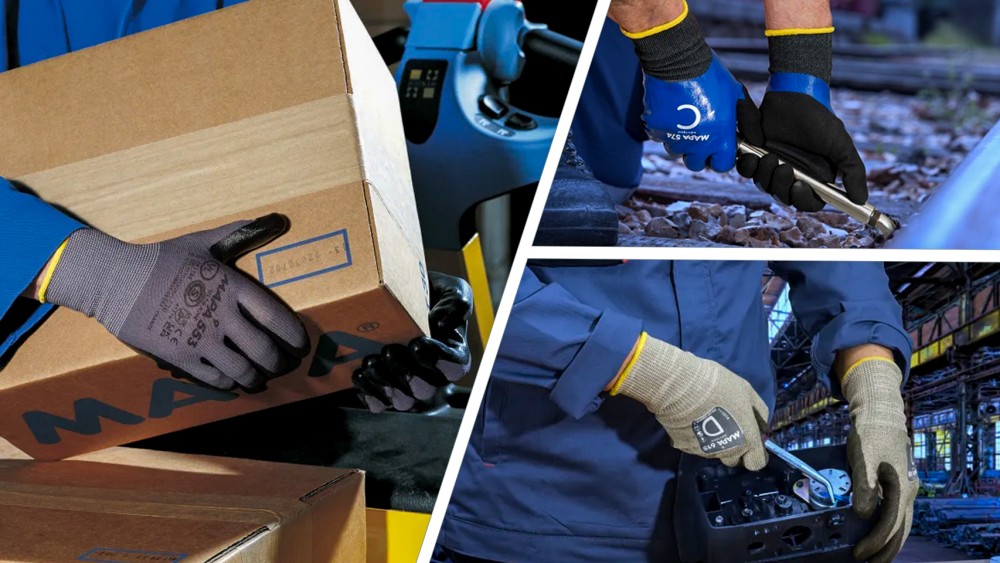
The differences hidden in work glove materials
The first thing that makes work gloves truly different is the "materials." Work gloves aren't made from ordinary fabric, but use special fibers like HPPE (High-Performance Polyethylene), Kevlar, or premium-grade nitrile. Once you touch them, you immediately notice the texture is much denser and stronger. Most importantly, their abrasion, cut, and slice resistance is on a completely different level compared to cheap ones.
Just imagine: when dragging splinter-filled timber or cutting sharp-edged sheet metal, cheap work gloves might offer some protection, but they leave you feeling insecure, like they could tear at any second. Unlike high-priced work gloves, which give you the confidence that "yep, my hands are safe this time."
We once had to lift sharp galvanized sheets multiple times. In the past, that would have definitely drawn blood. But after switching to cut-resistant work gloves certified to the EN388 standard, it was truly reassuring. Instead of watching every fraction of a second, we could fully focus on the task in front of us. That is the real, tangible difference between cheap and expensive gloves.
Comfort that lets you work longer
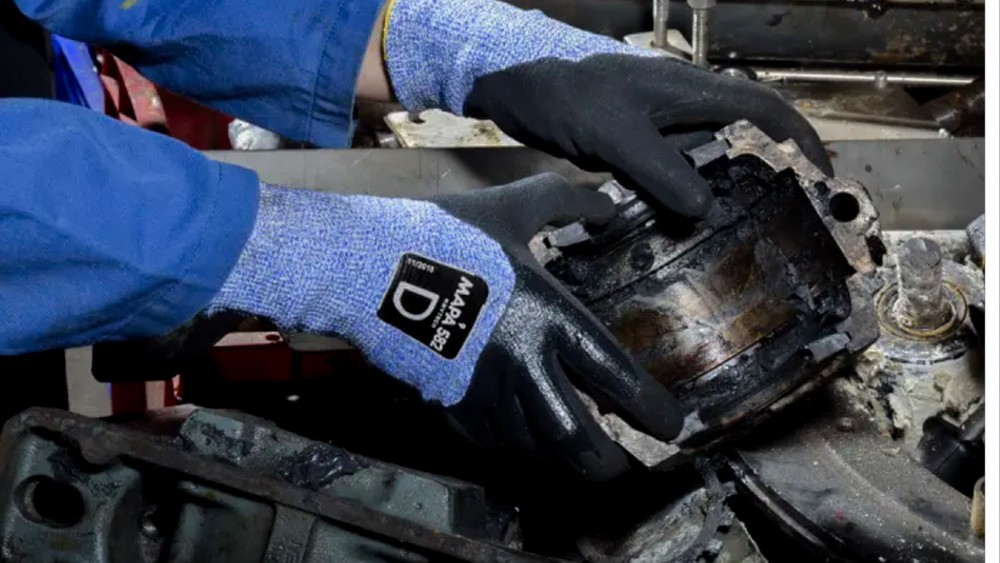
Another aspect many people overlook is "wearing comfort." Most cheap work gloves come in a single size; whether your hands are small or large, you have to wear the same thing. The result is they are sometimes too tight around the fingers, or sometimes so loose that you can't grip anything properly. Plus, after working for a long time, your hands get sweaty—poor ventilation, hot, and stuffy, leading many to take them off midway through work out of annoyance, which defeats the purpose of protection altogether.
Safety is worth more than money
Many people might think, "For a small job like this, maybe I don't need work gloves." But honestly, we've seen this happen all too often. Many tradespeople we know have direct experience with accidents caused by not wearing work gloves. One of them was our friend: while installing a saw blade, he thought he was just lifting it slightly and didn't need to wear work gloves. But he slipped, and the sharp edge cut him so badly he needed multiple stitches, bringing work to a long halt.
The biggest reason professional tradespeople invest in quality work gloves is that, ultimately, protecting yourself is the most worthwhile investment—not just in terms of money, but also time, health, and confidence on the job.
And have you ever wondered? Ever wondered what the symbols on work gloves mean? Many people may have seen small numbers or icons on gloves without knowing what they mean. In fact, these represent testing standards, such as cut resistance, abrasion resistance, or impact protection, serving as a guarantee that the gloves you are wearing have undergone genuine testing, not just advertising claims.
Longer lifespan of work gloves
When many people see the price of quality work gloves, they often exclaim, "Whoa... isn't that too expensive? They'll only be worn for a short while." But in reality, looking at the long run, it's far more cost-effective. These types of work gloves are mostly built to truly endure, lasting several months without needing frequent replacements, ultimately saving you money without you even realizing it. For instance, we once used a pair of industrial-grade work gloves that lasted over 6 months despite nearly daily use—cutting wood, handling steel, moving heavy objects, surviving through everything. If they were ordinary cheap gloves, we would have gone through at least 10 pairs!
A Professional Image
Don't forget that in the eyes of customers, "image" is just as important as skill. When a craftsman wears good-looking, standard-compliant gear, it builds immediate confidence. No matter how skilled we are, if we look unready and wear cheap-looking gear, customers might mistakenly think we're amateurs. It's just like using an iPhone versus an Android; the feeling when using it is different. "This is just my personal opinion."
We've experienced this many times ourselves. When going to work wearing high-grade work gloves, customers often compliment us, saying, "Wow, you look really professional," even though we're actually working in our usual style. We didn't suddenly become more skilled, but because what they saw was different, their confidence in us automatically increased.


New Technologies in Work Gloves That Meet the Needs
Work gloves nowadays aren't just good for cut and heat resistance like before. Many models have stepped up to become practically "high-tech gadgets." In addition to basic protection, they come with extra functions that make our lives much easier. For example, Anti-Static gloves are ideal for electronics work or circuit boards, so you don't have to worry about static electricity damaging the equipment. Or certain models are touchscreen-compatible, letting you use a smartphone or tablet immediately without having to take off your gloves every time a call comes in or when you need to quickly look up information while working.
For craftsmen who frequently encounter chemicals—whether glue, cleaning agents, or corrosive liquids—there are chemical-resistant models available specifically so you don't have to worry about liquids seeping through to your skin. And another function I really like is the shock-absorbing gel reinforcement. When using heavy tools like rotary hammers or grinders, it truly helps reduce vibrations, preventing hands from fatiguing quickly compared to wearing ordinary work gloves.
Firsthand Experience from Switching to Expensive Gear
We admit that at first, we hesitated about why we should invest in high-priced work gloves. Wouldn't it be easier to buy cheap ones and replace them frequently? But once we actually tried them, our mindset changed instantly.
The first time wearing high-quality work gloves for steel grinding work, an immediate feeling of confidence arose. There was no need to worry about metal shavings cutting hands or the tool slipping away, because the gloves provided a much firmer grip. Furthermore, once finished with work, hands weren't fatigued, hot, or drenched in sweat like with cheap gloves. Ever since then, I have viewed gloves as a "tool" in their own right, no longer just an accessory.
Select Safety Gloves More