


 EN
 ไทย


Customers Also Purchased


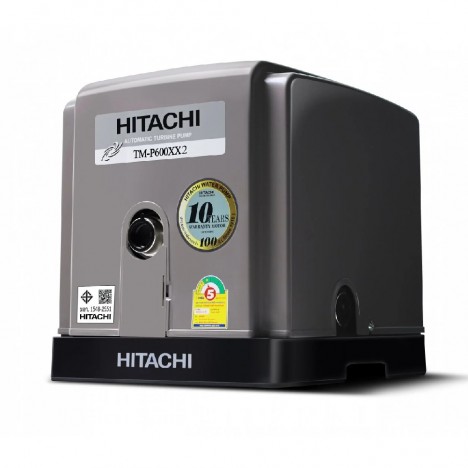


When talking about water pumps, there are various types available. But if it's the kind of water pump that almost every home needs to have, it inevitably has to be an "Automatic Water Pump", because it is considered the heart that ensures water in your home flows strong and consistently—whether for taking a shower, washing dishes, or boiling late-night noodles while watching Man United win a championship!
But here's the thing… if one day that automatic water pump starts acting up, life across the whole house surely comes to a halt because virtually every activity requiring water gets disrupted. But… would you believe it? Many times an automatic water pump breaks down not because of old age or poor quality at all; sometimes it stems from our own small habits done without realizing it—seemingly minor things that accumulate over time.
In this article, we'd like to invite you for a casual chat, sharing factual information, firsthand jobsite experiences, and aspects most people tend to overlook. Let's check in on yourself: are you accidentally doing these things too?
1. Turning on water a little at a time, but frequently throughout the day
Many homes, especially large families, often use water by "turning faucets on and off briefly throughout the day," such as washing vegetables for a couple of minutes, rinsing a glass quickly, or briefly wetting hands and then shutting the tap. This kind of behavior sounds harmless, but it is actually the arch-enemy of automatic water pumps. That's because every time pressure drops even slightly, the automatic water pump has to restart, forcing the machine to run dozens of cycles a day even though the actual volume of water used is minuscule.
Actually, the solution is not difficult at all. We recommend installing a small pressure tank before the pump inlet. It helps maintain pressure so that when only a small amount of water is used, the automatic water pump does not need to start frequently. As a result, the machine runs less, noise is reduced, and its service life is extended by several years.
Simply put, if anyone has the habit of turning the tap on and off a little bit all day, try investing just a little more; it is definitely worth it! And don't forget that a small thing like installing a pressure tank must also go hand in hand with Choosing the right automatic water pump size for your home as well. If the pump is too small, it will be overloaded and at risk of failing quickly; but if it is too big, it will waste both electricity and budget unnecessarily. Therefore, considering both factors together is considered the smartest and most worthwhile investment.
2. Never cleaning the water storage tank
This is another habit that many households "overlook". Many people may not know that besides the automatic water pump, the water tank is a major source of accumulated sediment, dust, or even algae—especially in homes located in areas where tap water is not very clean. Over time, this turbid water gradually flows into the automatic water pump, eventually causing premature impeller wear or clogging that makes the automatic water pump work too hard, sometimes even leading to motor burnout.
Actually, there is no need for anything complicated. Just regularly cleaning the storage tank 1–2 times a year helps significantly extend the lifespan of both the automatic water pump and your home's plumbing system. Most importantly, it ensures that the water we use is cleaner, so you won't have to worry about sediment or musty odors coming out of the tap.
3. Using the automatic water pump on the same circuit as high-power appliances
Many people may not know that an automatic water pump consumes a significant amount of electricity, especially upon startup when the inrush current spikes much higher than normal. If you accidentally plug it into the same outlet or wiring circuit as high-power appliances like water heaters, microwaves, or washing machines, it is extremely risky. Voltage drops and power surges can easily occur, leading to faster motor wear and premature failure.
If anyone is still plugging their automatic water pump into the same line as heavy electrical appliances, please recheck it. It is much better to invest in a dedicated electrical circuit for the automatic water pump. This not only extends the pump's lifespan, but also allows other appliances in the house to operate at full capacity without frustrating, unexplained voltage drops or power outages.

4. Letting the automatic pump run dry
This is definitely the most dangerous behavior for an automatic water pump, yet it happens frequently—especially in homes with underground cisterns or storage tanks where the water level cannot be seen from the outside. Often, the water runs out without the owner noticing, so the automatic water pump continues running with no water inside, which is known as "dry running."
Within just a few minutes, the impeller overheats and burns, the rubber seals become brittle and crack, and the motor quickly burns out, causing lightning-fast damage.
In reality, preventing this problem is easy. First, choose an automatic water pump equipped with Dry Run Protection, which automatically cuts off operation when there is no water (a feature commonly found in automatic water pumps); this helps immensely. Second, regularly check the water level in the storage tank or well to ensure the pump operates safely without having to wonder when it might burn out. Frankly speaking, simply paying a little attention or investing slightly more in a quality automatic water pump ensures worry-free long-term use.
5. Neglecting automatic water pump maintenance
Finally, we believe many people have thought, "An automatic water pump doesn't need much care; just plug it in and let it run." While that may sound convenient, it is a complete misconception. In fact, simple little checks are what truly extend the life of an automatic water pump cost-effectively.
For example, listening to the machine while it runs to check for unusual noises, checking the water pressure to see if it remains consistent, or even bending down to check for water leaks at the various joints. These small tasks take only a few minutes, but they can prevent major problems.
An automatic water pump is just like any other household appliance: it needs proper care too. You don't need a major overhaul—just regular observations and minor inspections will ensure it stays with you for a long time, saving you the headache and expense of frequent replacements.
