EN
 ไทย


Customers Also Purchased
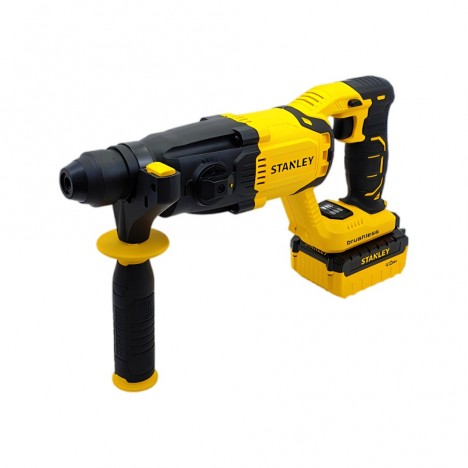
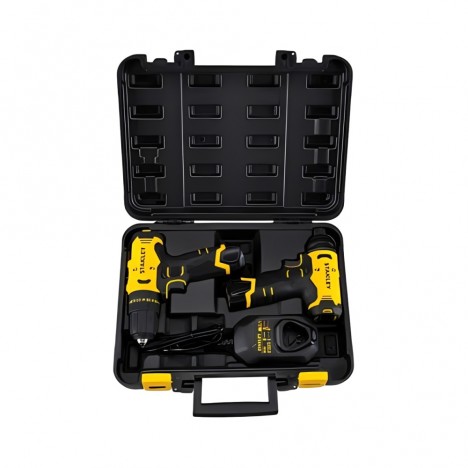
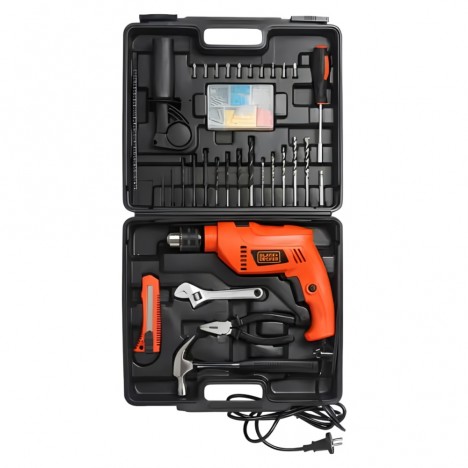


The term hammer drill It might sound like a completely different type of drill from what we typically see, because the word "impact" or "hammer" often brings to mind brute power or heavy-duty machinery clearly not meant for driving tiny screws. Some people might even pictureRotary hammer massive machines when they see the word "hammer/impact".
However, anyone who has used drills before or is familiar with them knows immediately that an impact/hammer drill is simply a standard drill with an added function for light masonry drilling, available in both cordless models andElectric drills It may be slightly heavier than a standard drill, but overall, an impact/hammer drill looks almost identical from the outside. That's why many recommend that if you're choosing a drill for home use, picking an impact/hammer drill is a great idea—it provides extra versatility, excellent value, and the price difference is minimal.
Sometimes when talking to fellow technicians or beginners just getting started with power tools, one question frequently comes up: "Can an impact drill / hammer drill be used to drill wood or steel?" The answer is yes, because hammer drills are already designed for these tasks. However, questions may follow: When drilling wood or drilling steel, should you choose rotation-only mode, or can you use the hammer mechanism just like drilling concrete?
In this article, I want to share some insights on: The hammer mechanism in a hammer drill How it actually works, what materials it can be used with, and whether you should switch to hammer mode when you want to drill wood or drill steel. The answers will help you use it properly and keep your tools, drill bits, and workpieces in optimal condition.
The Hammer Mechanism of a Hammer Drill
First of all, you need to understand that What exactly is a hammer drill? And how does a hammer drill differ from a standard drill?

As a result, it makes drilling plaster or brick easier because the impact force helps chip and fracture hard, brittle material within a narrow area—enough for the cutting edge of the drill bit to bite in without requiring heavy pushing pressure.
Common Misconceptions
Many people assume that "impact force" improves every type of drilling. When I first saw the name hammer drill, I imagined using it to bore deep into hard wood logs right to the core, thinking, "For this kind of drilling, you definitely need the hammer mode." I thought it would be like an impact driver that powers through resistance with hundreds of Newton-meters of torque. But in reality, that's not the case at all.
In fact, impact force does not help with fibrous materials or tough, ductile metals. These materials do not crumble into fragments like concrete; they require sharp, clean shearing. Whether you can drill through them depends more on the drill bit and rotation speed. If you use hammer mode for these tasks, the workpiece may end up imperfect or ruined. Let's take a look at why.
Can You Use a Hammer Drill to Drill Wood?
The short answer is Yes, but you must turn off the hammer mode.
Whenever I see carpenters working with wood—whether assembling furniture or drilling hardwood for screws—they only use the hammer drill in rotary-only mode without engaging hammer action. A craftsman once told me, "For woodworking, you can completely rule out hammer mode." What happens if you use the hammer mechanism on wood is no small issue; it directly impacts both the workpiece and the equipment, such as:
- The wood will splinter and tear instead of leaving a clean, smooth, neat round hole as it should.
- Rough, uneven holes can also cause screws, bolts, or anchors to fit loosely, leaving the job incomplete and requiring extra rework.
- Sometimes, using the hammer mechanism with drill bits not designed for impact drilling can cause them to overheat and wear out quickly, forcing you to replace bits sooner than usual.
Real-world experience
Once, I saw a technician accidentally turn on hammer mode while drilling hardwood. The result was that a large chunk of wood splintered off, requiring filling and repainting. A job that should have taken half an hour ended up dragging on for half a day.
Therefore, when drilling wood, just use the hammer drill like a standard drill and choose dedicated wood drill bits. You'll get clean holes and make the work much easier.
What about using a hammer drill to drill steel?
For metal work, the answer is the same: You can definitely use a hammer drill, but DO NOT turn on hammer mode!
The reason is that the hammering action does not make drilling steel any easier; instead, it damages drill bits much faster. Because metal is a very ductile material, drilling it relies on shearing with the sharp edge of the drill bit, not chipping or hammering to break it up like drilling hard, brittle materials such as concrete.
Best practices when using a hammer drill on steel
- Use dedicated metal drill bits (such as HSS bits)
- Apply cutting fluid/lubricating oil to reduce heat
- Set the RPM appropriately for the thickness of the steel
I've seen someone turn on hammer mode and try to drill thick steel. The bit snapped, and the tip got stuck inside the workpiece, wasting even more time.
Differences in real-world application
Many people might still be confused about which mode is truly best when actually using a hammer drill. When it comes to real work, the issue isn't just the material alone; it also involves how we grip the tool, the downforce applied, and selecting the right type of drill bit.
I experienced this myself when I first started using one. At first, I thought that engaging hammer mode would speed up the job. In the end, a technician told me that doing this is a big no-no because it ends up wasting even more time.
Some materials don't respond to hammering action as you'd expect. Especially with wood or steel, applying hammering force doesn't just fail to help—it actually creates more problems.
To avoid confusion, let's take a closer look and compare material by material to see when hammer mode should be turned on or off for the best results.
- Drilling concrete: Hammer mode ON If you are drilling masonry or walls, turning on hammer mode helps a lot. Work progresses quickly and requires less effort.
- Drilling wood: Hammer mode OFF No matter how hard or dense the wood is, you should never use the hammer mode, and always use dedicated wood drill bits. Doing this will result in a cleaner, standard-compliant finish.
- Drilling metal: Turn off hammer mode Relying on sharpness and lubrication will yield much better results than impact force, and will also prevent the bit from breaking.

Frequently Asked Questions from Customers
Before diving into the questions many people wonder about, I'd like to share a bit from my experience. Whenever I visit job sites or talk to customers, recurring questions about hammer drills often come up—whether it's about using them on different materials or choosing the most cost-effective tool to buy.
Sometimes I still encounter the same misconception from many people, such as thinking that having an impact mechanism means it works well with all materials. In reality, that is not the case at all. Choosing the wrong mode even slightly can ruin the workpiece and waste your time instantly.
Furthermore, many customers often have additional questions regarding drill bit selection, maintenance, and the investment value of buying a hammer drill. So, I have gathered them all here.
1. If you leave the hammer mode on to drill wood just once, will it be ruined?
As explained earlier regarding how using a hammer drill in hammer mode to drill wood can ruin the wood, it's true. Some people might wonder: If I forgot to turn off hammer mode and drilled just once, will the workpiece be completely ruined? The answer is It won't necessarily be ruined immediately. However, the wood will splinter and the drilled hole might look rough. But if you do it frequently, the drill bit will definitely wear out quickly.
2. Should I buy a hammer drill instead of a regular drill?
If your work involves drilling masonry walls sometimes and drilling wood at other times, I recommend going for a hammer drill because it can handle both tasks—just choose the right mode. However, if your work is mainly just wood and metal, a regular drill is sufficient. That said, using a hammer drill doesn't hurt either; it works very well too.
3. Can I use the same drill bit for everything?
Sometimes you can, but to get the best results, I recommend choosing the drill bit according to the material, such as wood bits, HSS bits for steel, and carbide-tipped bits for concrete/masonry.
Perspective from Real Technicians
Whenever I visit job sites, many tradesmen carry several tools: standard drills, hammer drills, and sometimes rotary hammers. If someone asks what to choose, I would say that for general home tasks—like drilling masonry to hang items or drilling wood—a single hammer drill is enough. But for serious metalworking or woodworking, a regular drill is sufficient, though a drill press would be much better and more suited for precision work.
Finally, for heavy-duty masonry work such as concrete demolition or drilling floor slabs, a dedicated rotary hammer is best. A hammer drill is much smaller and better suited for light drilling tasks, such as plastered masonry walls or red clay bricks.

Summary
Ultimately, the simple answer to the question "Can an impact drill be used to drill wood or steel?" is Yes, but you must turn off the hammer mode.
The impact mechanism is designed for drilling concrete and hard, brittle materials—not for wood or metal. Because the impact force can damage the wooden workpiece and cause the tool and drill bit to wear out faster.
If we look at it from a real-world usage perspective, we can see that simply choosing to turn a mode on or off can completely determine the quality of the work. Many times, I've seen whether a job turns out neat or damaged come down to just this point. Therefore, understanding the limitations of an impact drill isn't meant to scare you, but to help you choose and use your tools with confidence and unlock their fullest potential.
If you understand this, you will be able to use hammer drill worth your money, whether for small household tasks or major professional projects.