


 EN
 ไทย


Customers Also Purchased


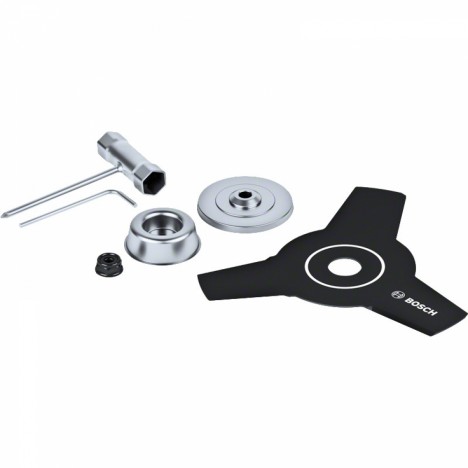
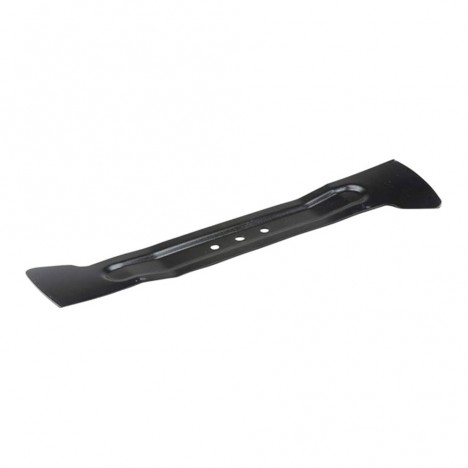
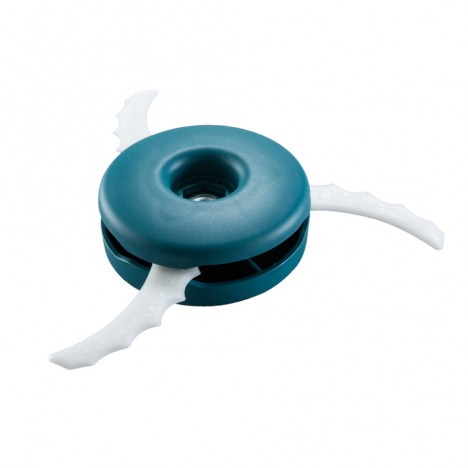
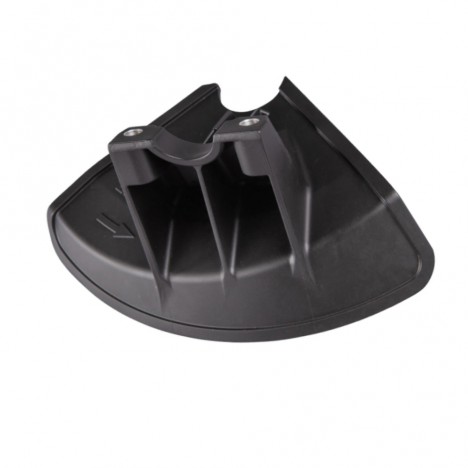
When we pick up a lawn mower to use in our home garden, many of us focus more on the end result—that is, "the lawn must be smooth, the grass must be clear." But… what most people overlook is the "Blade grass cutter" itself. Brush cutter blades spin at high speeds, which conceals significant risks if not handled properly. Just imagine: a lawn mower blade rotates at several thousand revolutions per minute; its impact force is no different from that of a weapon. If it hits small stones or hidden metal debris in the yard, the blade can kick those fragments out at high speed, turning them into mini-bullets. Not to mention the danger of a dull blade causing the machine to vibrate excessively and "kick back," making it even harder to control.
We've heard a technician tell a story about using a lawn mower in a garden and accidentally hitting barbed wire hidden under a bush. The brush cutter blade not only wore down rapidly, but it also caused the machine to jerk so violently that he nearly lost his footing. So, if a "beautiful lawn" is the ultimate goal, what deserves just as much focus is "safety" every time you turn the machine on. Especially when dealing with sharp, fast-spinning brush cutter blades, every operation should always begin with caution.

Overlooked Dangers of Brush Cutter Blades
Flying stones, dirt, and metal debris
Just imagine: a brush cutter blade spinning at high speeds. In the split second it strikes a small stone, the result isn't just a faint "clack" sound; it's like firing a projectile at speeds barely distinguishable from a bullet. We've seen it with our own eyes—a worker picked up a lawn mower to work, and in less than five minutes, a flying stone struck his arm, leaving him drenched in blood and needing several stitches at the hospital. What seemed like a minor matter turned into a major emergency in the blink of an eye. If that stone had hit the eye instead of the arm, the outcome might not have just been stitches, but permanent loss of sight.
Dull brush cutter blades: the unexpected culprit
Many people are afraid of sharp brush cutter blades, thinking "the sharper it is, the more dangerous it gets." But in reality, a dull blade is the most dangerous thing of all! When it's not sharp, the machine has to work much harder, resulting in intense vibration that makes it much harder for the operator to control. Imagine holding a tool that vibrates until your hands go numb; almost all precision is lost, and sometimes the kickback can cause you to momentarily lose control. Especially when cutting in tight spaces or near obstacles, that's where accidents can happen completely catching you off guard.
Loose brush cutter blade installation
This is something that happens quite often, especially when rushing a job. Many people install the brush cutter blade carelessly, thinking, "That's good enough, it'll tighten itself anyway." But once you actually turn the machine on, remember that the blade spins at over 10,000 RPM. If it isn't truly tight, the result is the blade flying off forward like a deadly weapon. Consider how severe the danger would be if someone were standing just a few meters in front of it. There have been cases where a detached blade flew off and embedded itself into a thick concrete wall. Imagine if that were a person instead of a wall… just thinking about it gives you chills.
Using the wrong brush cutter blade for the job
A Real Experience We'd Like to Share
When talking about the dangers of brush cutter blades, many people might think it's a distant concern. But having witnessed it firsthand, we'd like to share this story.
I was helping my family mow the garden lawn using an old, unsharpened blade, simply assuming that “it could still cut.” The result was that when hitting tough, thick weeds, the machine vibrated so violently that my entire arm went numb. Right at that moment, a stone ricocheted off and struck a utility pole with a loud "BANG!" Just the sound was terrifying enough. Now imagine if it hadn't hit the pole and hit a person instead—it certainly wouldn't be a minor issue!

So, how can we use lawn mower blades safely?
- Always check the condition of the lawn mower blade before pulling the starter cord. Just glancing down at the blade for a moment could save your life. A chipped, cracked, or rusted blade is no small matter, because once it spins at high RPM, it can break or snap off, creating immediate danger. I often compare it to putting on running shoes—if your shoes are torn, you definitely wouldn't want to risk stepping onto the track. It's the same with a lawn mower: if the blade isn't ready, don't force it. Just replace it and be done with it.
- A dull blade is no different from using a blunt knife to slice tomatoes: you have to exert extra effort, the result looks untidy, and it poses risks. So how do you sharpen a lawn mower blade effectively? Sharpening a lawn mower blade helps get the job done faster, keeps the engine from overworking, and, crucially, reduces vibrations that can cause kickback and loss of control. I once let a blade get so dull that the machine vibrated until my whole arm was numb; after that, I never forgot to sharpen my blades again.
- Choose the right lawn mower blade for the job. Don't assume that “any blade can cut just the same,” because that's simply not true! For regular grass, a 2–3 tooth blade is plenty. But if you encounter tough weeds like bamboo clumps or small branches, a circular saw blade might be the right answer—provided you make sure your machine actually supports it. Otherwise, it becomes a hazard rather than making work easier. Choosing the right blade for the task isn't just about convenience; it's proactive accident prevention.
- Wear protective gear. Many people might think, “I'm just mowing for a bit, no need to wear anything,” but believe me, accidents take only a split second. I was careless once myself, skipping safety glasses because I thought it was a hassle. In the end, flying debris hit my eye and left it bloodshot for days. Since then, I never forget my safety glasses, gloves, and closed-toe shoes. Protective equipment might seem tedious at first, but compared to visiting a doctor, it's well worth it.
- Avoid mowing when the grass is wet. It might sound trivial, but it's actually one of the main causes of severe machine kickback. Wet grass strains the engine, makes the blade slip easily, and makes control even harder. A neighbor once told me, “I figured I'd hurry and finish mowing right after the rain.” In the end, the machine kicked back violently and slammed the blade against the concrete ground with a deafening crash. Fortunately, it didn't ricochet into him. So, if the grass is still wet, waiting for it to dry is the safest bet.

Conclusion
A lawn mower blade is not a toy; it is an attachment that spins at high speed. If we are careless, it instantly becomes a weapon—whether from flying stone chips or violent kickbacks that make the machine almost impossible to control. The most important thing is to never overlook pre-operation inspections.
Select Blade grass cutter to suit the application