


 EN
 ไทย


Customers Also Purchased
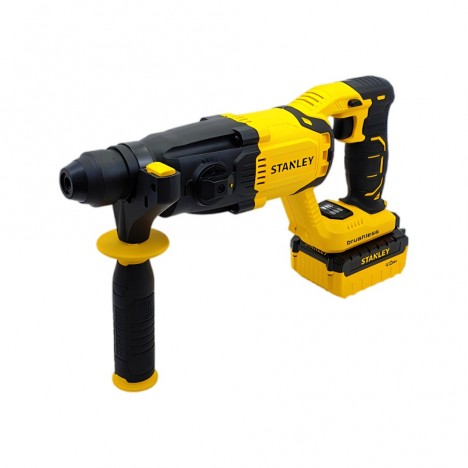
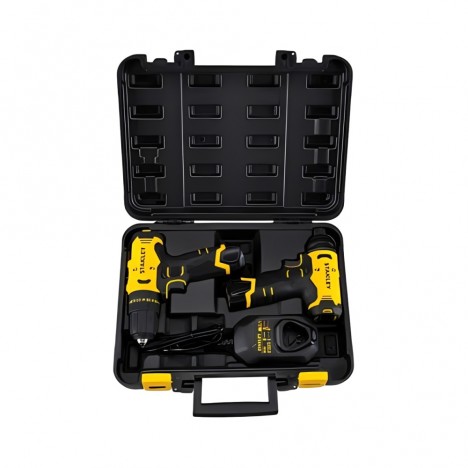
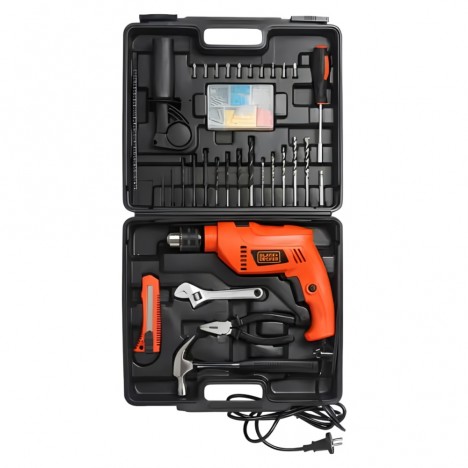


Have you ever wondered, Electric drills Known for high RPMs, consistent power, and never needing a battery charge, what limitations does it actually have besides the cord that makes it less portable? Or could its higher power and speed turn into a double-edged sword, making it hard to control when precision is needed for light-duty tasks?
Similar to the question, How many jobs can one drill handle? If you're a beginner who just bought an electric drill or are eyeing one—whether you intend to use it for small household chores or serious craftwork—a question that likely pops into your head is: "Can a corded electric drill be used to drive screws?”
At first glance, it seems easy to answer: "Without a clutch or torque adjustment ring, driving screws with it will ruin your workpiece." But if you look a little deeper, this question might hide more nuances than many people think.
Even though electric drills are primarily designed for drilling, many people—including myself—can't resist trying to drive screws with them. And looking at the results, sometimes it works well, and sometimes it doesn't. In this article, I'd like to take a deep dive into whether using a corded electric drill to drive screws is truly viable, and what specific precautions you need to take.
Why does this question come up?
"Can an electric drill be used to drive screws?" is one of the most common questions among beginners and DIYers. Who wouldn't want an all-in-one drill? But is this kind of versatility reserved only for cordless drills? Does it have to be a drill with a screw-driving mode that packs multiple functions into one tool?
It's undeniable that most people don't want to buy redundant tools. Once you buy a drill, you naturally want it to do everything—both drilling and driving. But in reality, each type of tool is engineered for different purposes. Electric drills focus on drilling power, while Cordless drilloffer finer control over various settings. So when we consider using a corded electric drill to drive screws, it inevitably raises the question: is it really a good idea?
Getting to Know Corded Electric Drills First
Before diving into practical use, let's first understand what this tool called an Electric Drill or Corded Drill actually has in terms of pros and cons, andin an era where most tools are cordless, is an electric drill still necessary? Many people might just picture a plug-in tool that spins fast and does it all, but there's actually much more to it. Understanding these basics will help us make better decisions when using it to drive screws or tackle other jobs.
Key Strengths of an Electric Drill
- Can operate continuously as long as the motor does not overheat; delivers consistent torque and rotational speed because it draws power directly from an outlet.
- No need to worry about running out of battery; can be used continuously for a long time as long as there is no power outage.
- High power, easily drilling wood, concrete, and steel.

Limitations of electric drills: Why are they not suitable for certain jobs?
- Too high rotational speed, making it harder to control force when used on light-duty tasks.
- Most do not have a clutch to adjust torque and prevent damage to the workpiece.
- Cords get in the way, making it less maneuverable for certain types of work.
This is precisely why many people often wonder whether a corded electric drill can really be used to drive screws, and what specific factors we should consider—such as rotational speed, torque, or the chosen screwdriver bit—because these small details determine whether the job turns out perfect or completely ruined.
Can you really use an electric drill to drive screws?
Short answer: Yes, but not for every job, and not everyone can handle it comfortably.
I had the chance to watch a test using an electric drill without a torque adjustment system to drive screws in a wooden table demonstration. The result was that with just a little too much force, the wood cracked along its length. This is a prime example showing that while it can be used, the user must know how to control it and understand its limitations.
Things to consider if you want to use an electric drill to drive screws
Before picking up an electric drill to try driving screws, try asking yourself how delicate the work is, how much torque is required, and whether you have the skill to control the machine's speed. So, let's examine each factor one by one to see what it affects, and answer once and for all whether your electric drill is suitable for driving screws.
1. Rotational speed (RPM)
Most electric drills offer very high speeds, with some models reaching up to 2,500 RPM. This speed is great for drilling, but when driving screws, it can spin too fast to control in time. Therefore, you should use an electric drill that features a Variable Speed Gently squeezing the trigger allows the tool to run slowly, while squeezing harder increases speed, which helps a lot.
2. Clutch system

There are exceptions here, though very few. I have seen some corded drill models designed with a clutch similar to cordless drills, most notably Makita DF0300 , which clearly specifies it as a drill driver and can drive screws just like a cordless drill.
3. Screwdriver bits
Due to high torque and the absence of an adjustment clutch ring on an electric drill, lower-grade driver bits can chip very easily. I recommend investing in high-quality driver bits if you plan to use it for this; they withstand torque better and help prevent the screws from stripping quickly.
In addition, good-quality bits provide a tighter grip on the screw head, reducing the chance of slipping or camming out during use—which, if it happens, can damage the workpiece surface or pose a danger to the user.
4. Screw Material and Size
Beyond the power of the electric drill and the material quality of the driver bit, another critical factor you should never overlook is the size and material of the screws themselves.
Using a corded electric drill on small screws and thin wood can easily ruin the workpiece. Therefore, I recommend that if you really must drive screws with an electric drill, only use it for large, long screws driven deep into wooden or metal framing. In these cases, an electric drill works well and is much safer.
Precautions When Using an Electric Drill to Drive Screws
If you are confident in your tool, confident that your bit is sturdy enough, and confident in your ability to control the drill precisely, you might think you are fully prepared. But in reality, using an electric drill to drive screws still requires caution. These seemingly minor details can cause major issues if overlooked or neglected, and a project meant to be perfect can end up ruined before you know it.
Furthermore, the high torque and rotational speed of an electric drill can make it harder to control than expected. Understanding its limitations and basic techniques beforehand is therefore essential.
- Beware of Excessive Torque Electric drills pack a lot of power. When driving screws, do not pull the trigger with full force right away. Feather the trigger slowly to control the speed; otherwise, the screw head could shear off or the wood could split.
- Watch Out for Stripped Screw Heads A stripped screw head is a classic problem caused by excessive rotational speed. Once the head is chewed up, you can no longer drive it and will have to replace the screw entirely.
- Be Mindful of the Power Cord When using a corded electric drill, be careful that the cord does not wrap around your legs or catch on surrounding materials—especially when working at heights, as it could cause a trip and fall. This applies to every type of job, not just driving screws.
- Beware of Noise and Vibration Corded electric drills are often louder and vibrate more intensely than cordless screwdrivers. Working continuously for long periods can leave you feeling fatigued or exhausted much faster.
When Can an Electric Drill Be Used to Drive Screws?
The primary applications where an electric drill can be used to drive screws are tasks that do not require high precision, such as assembling large wooden frames, temporary fastenings, or installations that do not need to be millimeter-perfect. For these types of jobs, a corded electric drill is well-suited because it provides continuous torque without the worry of running out of power like a cordless drill.
Another example is working with large, long screws that require high driving force. Using a standard electric screwdriver might strain the tool or take a long time, but a corded electric drill can handle it with ease, finishing the job quickly without exhausting the user.
Additionally, if the work area has readily available electrical outlets, choosing a corded electric drill is both convenient and reliable. You don't have to worry about the battery dying midway through, allowing you to work continuously until the job is done in one go.
When should you NOT use an electric drill to drive screws?
- Furniture making and fine woodworking For tasks requiring precision, you should use a cordless drill with a clutch or opt for an electric screwdriver instead.
- Working in tight spaces Cluttered power cords can pose a safety hazard.
- Jobs requiring driving many screws—hundreds of them Using an electric drill can cause fatigue and lacks sufficient control; you should use a tool designed specifically for screwdriving.

Summary
Corded electric drills can be used to drive screws, but they might not be convenient because you must choose the right tool for the job and exercise extra caution. Otherwise, a simple task could turn into a major repair that wastes your time. The key is understanding the tool's limitations and using it in the right place at the right time.
If your primary focus is drilling with occasional large screws to drive, an electric drill might be enough. But if you frequently work on furniture or assembly, investing in an electric screwdriver, a cordless drill with fine torque adjustment, or a dedicated drill-driver like the similarly priced Makita DF0300 will serve you much better. Most importantly, using tools according to the manufacturer's intended purpose allows you to work with confidence without worrying about breaking the tool.