


 EN
 ไทย


Customers Also Purchased


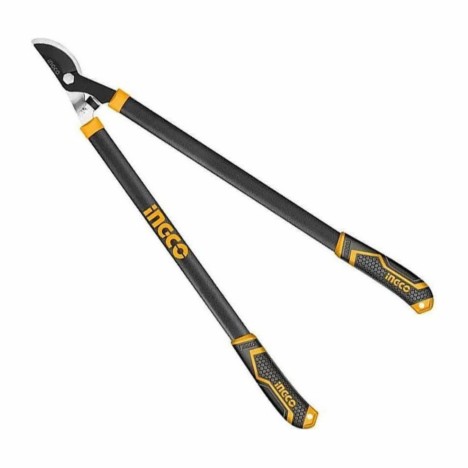
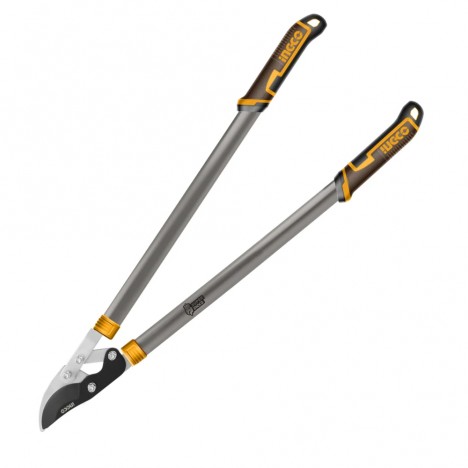

Many people might think that “Pruning Shears” are just an ordinary tool used simply for cutting branches!? But... no! If you think that way, we can tell you that you're missing out on a lot of the fun in gardening! Because for true gardeners, pruning shears aren't just two pieces of metal clamped together; they are a "best friend" that also keeps trees and plants healthy.
We ourselves have lived alongside and chatted about experiences with many gardeners who have spent years working with plants and running integrated agricultural farms. We've encountered both funny stories and costly lessons regarding pruning shears. For this reason, we'd like to share these little tidbits of experience gained from various gardeners for everyone to read. And here are 10 pruning shears secrets that, once known, will make your gardening easier and might even make you fall in love with pruning work more than ever before.
Pruning shears have their own types
We've made this mistake ourselves: using “Anvil pruning shears” to cut live branches thinking "pruning shears are pruning shears." The result was bruised stems, slow recovery, and plants looking worn down for weeks. That was when we realized that choosing the right type is just as important as the sharpness of the blade. Many people might assume, "Pruning shears probably only come in one style," but in reality, there are several types to choose from! Each type serves different operating characteristics.
- Bypass – The blades overlap like regular scissors, delivering clean and smooth cuts. Absolutely ideal for fresh or soft branches as it minimizes plant injury.
- Anvil – A blade that cuts down onto a flat base, suitable for dry or hard branches where bruising is not a concern.
- Ratchet – Features a leverage-assisted mechanism, perfect for those with less hand strength or for continuous, heavy cutting jobs.
Sharpness = Plant Health
Did you know? A razor-sharp cut doesn't just make cutting effortless; it acts like a clean surgical cut for the plant, healing faster and reducing the chances of fungal infection or pest infestation. On the flip side, using a dull blade invites trouble! The cut tears and bruises, causing the plant to recover slowly, and sometimes it becomes the starting point of branch rot that can kill the entire plant. We once asked gardeners about this:
"Have you guys ever made a mistake like this?"
"Of course! But... even though I knew it wasn't sharp, I was in a rush and thought I'd sharpen it later. In the end, I had to waste time and energy treating diseased branches, which took way longer than pruning in the first place."
"Nothing hurts quite like hindsight."
We have 5 Post-Use Maintenance Tips for Pruning Shears considered assimple tips you can turn into a habit right away. Don't let plant sap build up until it turns into rust, because trust me... with just a little care, your pruning shears will be ready for the long haul.

Pruning Shears = The Right Weight
I've experienced this firsthand! ...I saw a pair of pruning shears that looked so sleek, made from great materials, and felt like an absolute "must-have." Anyone else been there? If you have, you know what came next! I bought it on the spot! But... once I actually put it to use, my arm was exhausted within the first half hour, and my wrist started to ache. In the end, I had to give up and switch to a lighter model.
The lesson learned: "Weight matters more than you think!" For general pruning, choose pruning shears that fit comfortably in your hand—not so light that they feel fragile, yet not so heavy that you constantly need two hands. The right weight allows you to prune continuously for longer without wrist strain, making gardening enjoyable for long stretches without frequent breaks.
Don't Overlook the Spring on Your Pruning Shears
Many people overlook the "spring" on pruning shears, but did you know it isn't just a tiny piece that pushes the blades open? It's the heart of smooth, continuous, and effortless cutting.
If the spring is too stiff, your hand will tire out much faster than usual. But if it's too weak, the blades won't open fully, disrupting your cutting rhythm constantly. I've been there myself: I bought a cheap pair with a flimsy spring, and after just a few cuts, I had to pry the handles open manually every time. Instead of saving effort, it wasted even more, so I threw it away without a second thought.
So before you buy, try squeezing and releasing the handles to see if the spring's rebound feels "just right" in your hand. You'll instantly know whether those shears will cut smoothly or force you to strain with every single snip.

Holding Pruning Shears Correctly Saves Your Energy
One common mistake beginners make is gripping pruning shears so tightly that their hands tense up, thinking a tighter grip equals more cutting power. In reality, it's the exact opposite: gripping too hard fatigues your muscles quickly and scatters your cutting force instead of channeling it directly into the blade.
A simple trick is to hold the pruning shears comfortably, aligning the handle with your palm, and using your thumb to help apply extra driving force. This directs the force straight to the blade, giving you cleaner cuts and delaying fatigue noticeably. It took me a long time to break the habit of squeezing until my hand went numb, but once I adjusted my grip... pruning became as effortless as peeling a banana.
Choose Coated Blades to Reduce Friction
Did you know that pruning shear blades have technology built into them too? They're not just plain sharp steel. Some pruning shear models feature Teflon or Chrome coatings on the blade surface. These coatings reduce friction, allowing the blade to glide smoothly through branches without sticking. Best of all, plant sap won't cling to them easily.
I once used a basic pair of pruning shears to trim mango and jackfruit branches, which are full of sticky sap. As a result, the blades got so gummed up that I had to stop midway just to wipe them down. But once I switched to Teflon-coated blades, everything became much easier: I could prune continuously without interruptions, and clean-up after the job was significantly faster.
For those who have to cut branches with a lot of sap or work continuously, investing a little more to buy good coated blades is the real deal that makes gardening noticeably more comfortable right from the first use.

Don't use pruning shears for the wrong job
Veteran gardeners have mentioned seeing people use pruning shears for things they shouldn't do at all. Some use them to cut wire or hard plastic, and even worse, cut PVC pipes. Seeing that, one could only think, "They really deserve a scolding!" Because every time you cut these materials, the blade dulls very quickly—sometimes even chipping or bending to the point where it can no longer be used on tree branches.
The simple truth is that pruning shears are designed solely for cutting "branches". If you want them to have a long service life and cut as smoothly as they did in the first few days, you should use them only for suitable tasks. For other jobs, like cutting wire, use wire cutters; for cutting hard plastic, use tools designed specifically for that purpose. This not only preserves your equipment, but also makes the work better and safer.
Trust us... separating tools properly by type is a simple secret that will save you money from buying Pruning Shears frequently.