


 EN
 ไทย


Customers Also Purchased


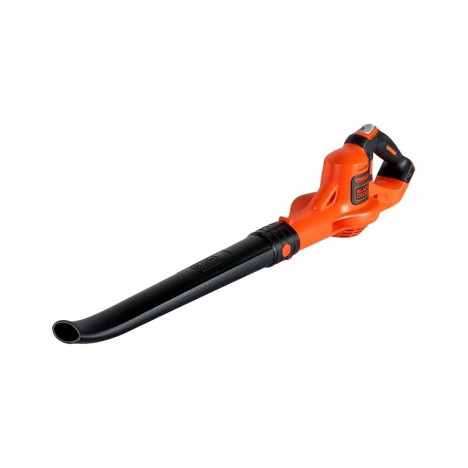

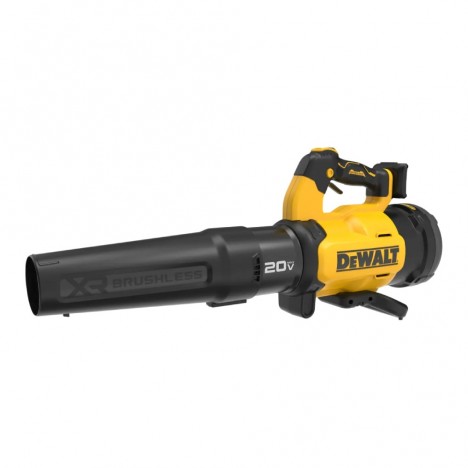
Blowers It is one of a craftsman's trusted companions and suitable for many tasks. You could say it's so versatile that many people want to have one at home. Even though it's a simple, lightweight power tool with less power than a leaf blower, a model powered by just a 12-18V battery can completely blow away dust accumulated on workbenches or tools in a room where wood was cut all day in less than 5 minutes!
However, with power that exceeds its size, a blower also comes with a "noise problem" that many users might overlook, yet it directly impacts us every time it's used. It doesn't just create a disturbance; it can also directly affect the body.
I still remember the first time I heard a blower running. It was so loud that I felt I had to shout over the sound just for the person next to me to hear. And if used at night when people want to rest, or on a Sunday morning when the neighbors aren't awake yet... choosing another time would probably be better.
Many might think, "It's just a little loud noise, no big deal." But sometimes after finishing work and turning off the tool for two or three minutes, you can still hear a ringing "whistle" in your ears. This made a question pop into my head: "Is there any hidden danger in this level of noise? What impact does it have?" Until I looked back at the warning clearly stated on the tool recommending earplugs! "Why is that?" In this article, we'll find the answer.
How loud is a blower?

The loud noise of a blower is generated by the operating principle of a high-speed motor spinning the fan rapidly to continuously force air out. The higher the motor power and the faster the RPM, the deeper and more jarring the sound becomes to the ears.
If used continuously without protection, it not only harms your hearing, but can also trigger physical stress, headaches, high blood pressure, and decreased concentration. This auditory fatigue may also prevent you from noticing that your ears are being pushed past their limits.
Blower Noise Levels (Approximate)
- Small cordless models 12–18V (e.g., Milwaukee M12, Makita 12V) ): approx. 80–90 dB
- Medium–large cordless models (e.g., Makita DUB186, Makita 40V, Kyocera 18V) ): approx. 90–100 dB, as loud as a lawn mower or circular saw
- High-powered corded electric models (e.g., Bosch GBL 650, Makita M4000B, PUMA PM-256B) : Approximately 95–105 dB, comparable in loudness to an angle grinder
Note: These noise levels are estimates based on specifications and general operating conditions; they may vary depending on the environment, distance, and tool settings.
What Decibel Level Becomes Dangerous?
Before comparing numbers, let's take a look at international standards. World Health Organization (WHO) guidelines on hearing health and noise pollution indicate that continuous noise exposure at around 85 dB should not exceed approximately 8 hours/day, and with every 3 dB increase, the safe exposure time is cut in half. However, for short impulse noises or high-pitched sounds near 100 dB(A), exposure should be avoided or protective equipment strictly worn—especially in enclosed spaces where sound echoes. Furthermore, distance from the machine and sound-damping enclosures also significantly affect actual sound exposure risks.
70 Decibels and above: Begins to affect hearing if exposed continuously for several hours
- Sound examples: High-power vacuum cleaners, urban traffic, crowded restaurants
- Recommendations: Take a 5–10 minute ear break every hour, lower the fan speed or use air-flow limiting nozzles to reduce noise, and minimize reverberation by closing doors and windows that reflect sound or by adding sound-absorbing materials.
85 Decibels and above: Risk of hearing loss without proper protection
- Examples: Many mid-to-high power blower models, circular saws, reciprocating air compressors
- Recommendations: Wear earplugs/earmuffs at all times, limit continuous operating time, and keep distance from walls or hard surfaces that cause sound reflection.

Overlooked Effects of Blower Noise
Now you probably have a clearer picture: even though blowers are picked up by many people just to blow away dust or leaves on the balcony for a few minutes and are not naturally loud cutting, sanding, or grinding tools, they can still generate noise levels on par with those tools.
So, for anyone thinking “blowers don't really need much protection,” try picturing it this way: just encountering a motorcycle with a loud exhaust pipe on the street meters away from you can cause not only ringing ears but also a sharp headache. Yet when using a blower, you are holding it in your hands right next to your body the entire time it is in use. Wouldn't that impact you even more?
Warning Signs from Your Body
Many people may use blowers so often that they become accustomed to loud noise as if it were normal. But our bodies never truly get used to it. The body constantly sends small warning signs to alert us; we just might not be paying attention. If you start experiencing any of these symptoms after use, it's a clear sign that your ears are working too hard:
- Muffled ears after use: If after using a blower everything around you sounds muffled or feels blocked up, that is a sign your ears have just endured excessive noise levels.
- Ringing in the ears: A "ringing" or "buzzing" sound heard even after turning off the machine is a warning sign from your body that your ears have taken too much of a beating from the noise.
- Headaches or stress: If using a blower for long periods causes tension around your temples or makes you easily irritated, it might be because the loud noise is unknowingly triggering stress.
- Easily losing focus: If you feel mental fatigue while working and have trouble thinking clearly, there is a high chance that the noise from the blower is draining your brainpower as it constantly filters out background noise.
Blowers and noise pollution
Blower noise affects more than just the operator. Blowers can also project disturbing noise meters away, causing annoyance to neighbors and potentially disrupting other people's rest or work.
A blower may be a familiar power tool to many, whether used for blowing dust away in factories or for machine maintenance. But did you know that the "noise" it generates goes beyond mere annoyance? It is also linked to health problems and is one of the major contributors to noise pollution in many areas.
Noise pollution doesn't just mean a momentary loud sound; it refers to continuous noise that disrupts the daily lives of humans and animals. Blower noise falls into the category of sounds that are often overlooked, even though its impact can be more severe than you think.
Blower noise in residential areas
In residential areas, loud noise from blowers can easily turn into a chronic issue that affects relationships between neighbors—for instance, operating them early in the morning and disrupting sleep.
Laws and regulations on noise levels
In some areas, there may be specific laws or regulations governing the maximum permissible noise levels for operating outdoor power tools or machinery, including blowers. If the noise exceeds the specified standards, you may receive a warning or be fined. This is to prevent disruption to others and maintain a peaceful environment.
Not just humans—animals are affected too
Many pets and wildlife have much more sensitive hearing than humans. The high pitch and loudness of blower noise can startle animals, causing abnormal behavior such as bolting, refusing to eat, or hiding for extended periods.
Simple ways to reduce noise disturbance
- Choose an appropriate operating time Such as during the day instead of early morning or late at night
- Use models with noise reduction technology To ensure quieter operation
- Notify neighbors in advance If you must operate it during times that might cause disturbance
Noise from Blowers Can Be Easily Prevented
We have already discussed the impact of blower noise on neighbors and the overall environment. Simple solutions include choosing the right time to use it, notifying neighbors in advance, or opting for trusted brands with the latest technology. But when it comes to the operators themselves, you might still wonder, "How can the person using the blower protect themselves from noise impacts?" In fact, protecting yourself from blower noise is much easier than many people think.
You can follow the World Health Organization guidelines, which state that continuous noise between 80–100 dB requires protection, such as wearing earmuffs or earplugs, which are already standard safety practices in technical and construction work.
Even though loud noise from blowers can accumulate and cause permanent hearing nerve damage, prevention is simple: just use protective gear and take periodic breaks to let your ears recover. This significantly reduces the risk of tinnitus or ringing in the ears.

Conclusion
No matter how well you know the benefits of a blower or how frequently you use it, don't forget: even though it isn't a tool that makes direct contact with materials like a drill, or has sharp blades like an electric saw or concrete cutter, a blower uses a high-speed motor and generates dangerously loud noise.
Even though it may seem harmless during short-term use, the effects of this loud noise can stay with you for life and can be even riskier than dust being blown around by strong airflow. Additionally, the noise pounding against eardrums each time you use it can disturb neighbors and lead to social conflicts.
Therefore, if you still want to use Blowers for many more years, you should prioritize protecting yourself from noise and minimizing disturbances right from day one.