


 EN
 ไทย


Customers Also Purchased
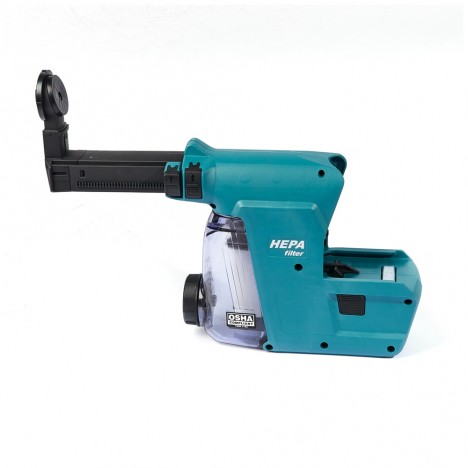
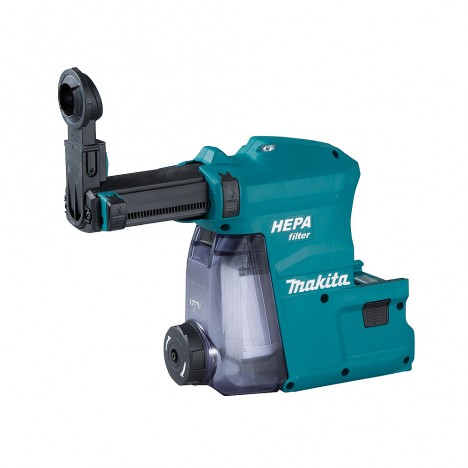
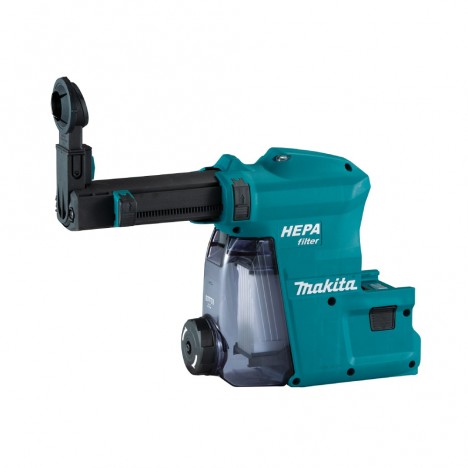


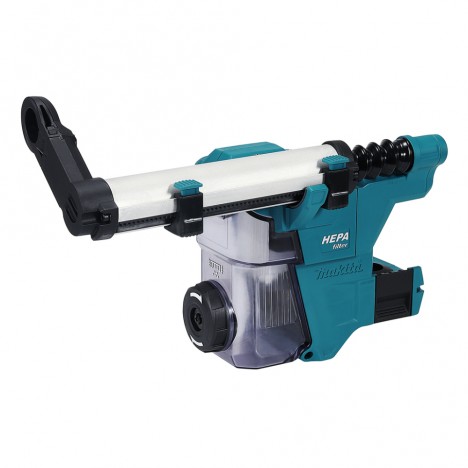
In this article, we'll dive deep into what to look for when choosing a rotary hammer that fits your needs—whether for drilling masonry, drilling concrete, chiseling, or everyday home DIY. Not every rotary hammer model is built for every job. Let's see what you absolutely shouldn't overlook before buying or choosing a rotary hammer.
1. Know first: "How much power does your job need?"
Before we look into power and impact energy, think about what kind of work you'll be using the rotary hammer for. Is it light drilling—just a hole or two a day? Or is it heavy construction site work where you drill all day without a break? Choosing the right power for your rotary hammer isn't just about looking at the wattage on the box; it's about understanding whether the tool has enough power for what you'll encounter and whether it will truly make your work run smoothly.
Now let's delve into how to tell if the rotary hammer you're eyeing has the right power for your job.
Wattage isn't the only answer
Think of it this way: if you only need to drill small holes to hang picture frames or install curtain rods on household walls, choosing a large rotary hammer with power up to 1500W might just add unnecessary weight and waste electricity. Conversely, for drilling concrete floors or thick walls on a job site, using an undersized tool will overload it, causing it to overheat quickly, wear down prematurely, and fail easily.
Are battery and wattage equally important?
When talking about rotary hammer power, many people only think about the wattage (W). But in an era with more and more cordless rotary hammers, the battery is another factor you cannot overlook. A tool's power doesn't depend on wattage alone; it also depends on the voltage (V) and amp-hours (Ah) of the battery.
If a battery has a high voltage, such as 36V or 40V, it can drive the motor to deliver impact energy close to corded tools. However, you also need to look at the Ah rating, which indicates how long the battery will last and whether you can work continuously. If the battery is powerful but drains quickly, it still won't get the job done, right?
Some people prefer a rotary hammer with a 5Ah or larger battery because heavy-duty work doesn't require frequent recharging. On the other hand, if you're doing light work or prioritize agility, you might choose a smaller battery to keep the tool from becoming too heavy.
So how do you know if it's powerful enough or not?
Look at the Impact Energy, measured in Joules (J). This value indicates how much impact force the rotary hammer delivers per single blow.
- Light-duty work: 1.5 - 2.5 J is sufficient
- General-purpose work, such as electrical installations or drilling thin concrete: 2.5 - 3.5 J
- Heavy-duty work, such as drilling thick concrete walls or chipping/chiseling: 3.5 J and above
Don't forget to also consider both "Joules" alongside revolutions per minute (RPM) and blows per minute (BPM).
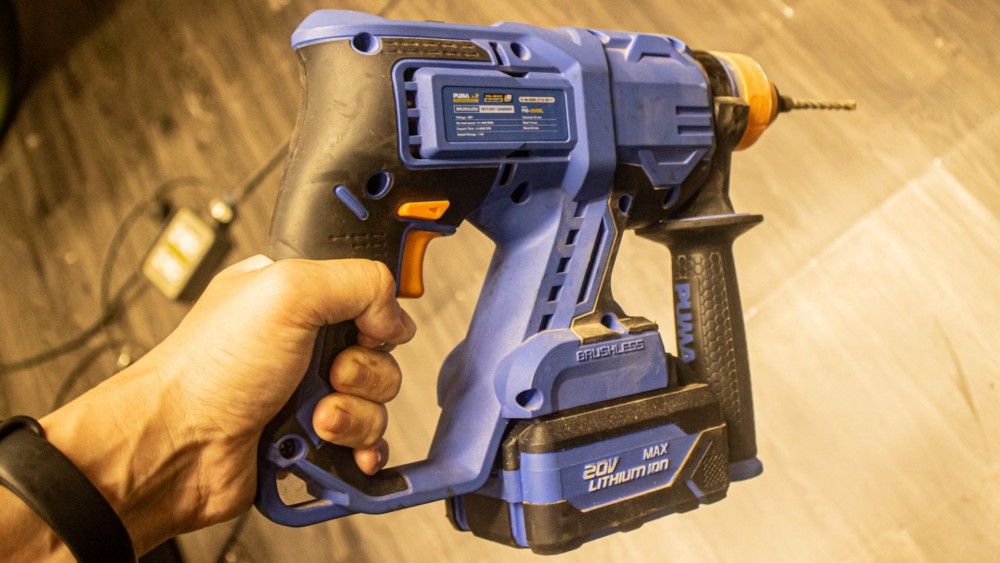
2. Weight and size matter more than you think!
Have you ever felt your arms aching after holding a drill for just a few minutes, even before you really started drilling? This problem isn't caused by the tool's power, but often stems from the weight and size of the drill itself not matching how you use it. Some people think that just holding it for a brief moment means weight won't matter much. But in actual use—especially for tasks requiring overhead work or repetitive drilling throughout the day—you'll quickly realize that weight significantly affects your efficiency and fatigue.
Holding a heavy rotary hammer causes wrist pain, true or false?
Honestly, this is another aspect that many people completely overlook, especially first-time rotary hammer users. The weight of the tool has a huge impact on user convenience. If the tool is too heavy, a job that should take 10 minutes might drag on to 30 minutes because you have to take frequent breaks, or your wrists end up aching. In some cases, if you have to work at heights—like drilling overhead or standing on a ladder—a heavy tool can become an actual safety hazard. It makes the tool harder to control and increases the risk of accidents, especially if your hands start getting tired or sweaty and lose their grip.
Therefore, choosing a lightweight and well-balanced rotary hammer makes work safer and prevents wasting energy struggling to hold a tool that is heavier than necessary.
So, how much weight is appropriate?
- Rotary hammers for general use typically weigh around 2–4 kg.
- For DIY projects or infrequent use, choosing a lighter model (2–2.5 kg) will greatly reduce arm fatigue.
- If your work frequently involves drilling overhead or climbing ladders to work at heights, weight is even more crucial.
Some models offer the same power but are much lighter. For this, it's best to try holding them in person to see which fits comfortably in your hand.
3. Rotary hammers have multiple operating modes. Have you chosen the right one?
When asking a salesperson "Which rotary hammer model should I buy?", the typical response is "What will you be using it for?" That's because rotary hammers don't come in just one operating system, and each mode is suited to different types of work. If you only need it to drill walls, that's fine. But some people want to both drill and chisel; if they buy a model without a chiseling mode, they end up spending extra money on another tool—whereas knowing beforehand would have let them choose the right one from the start.
Just imagine: if you need to drill standard concrete, drill tiles, or perform light demolition work, having a chiseling mode makes the job much easier without straining your hands using a hammer and chisel. Therefore, you must first know whether the rotary hammer you choose has the operating modes that match your needs.
Rotary drilling, hammer drilling, or chiseling: what do you need?
A good rotary hammer should offer multiple operating modes. Having a variety of modes to choose from allows you to truly adapt the tool to different situations—whether for light tasks, heavy-duty work, or demolition. Different modes help you work accurately, save effort, and, most importantly, achieve quality results without frequently swapping tools. Pay special attention to these 3 modes:
- Rotary-only mode: Just like using a standard drill, with no hammering action involved.
- Hammer drilling mode: Used for drilling into concrete or masonry walls; similar to the hammer mode on an impact drill, but drills deeper and with much more power.
- Chiseling-only mode: Used for chipping away concrete, stripping tiles, and light demolition work.
So, how many modes do you need in a rotary hammer?
- For general household use, the first 2 modes are usually plenty.
- However, if you plan to do demolition or concrete chiseling in the future, choosing a 3-mode model right from the start is a better investment so you won't need to buy a new tool later.
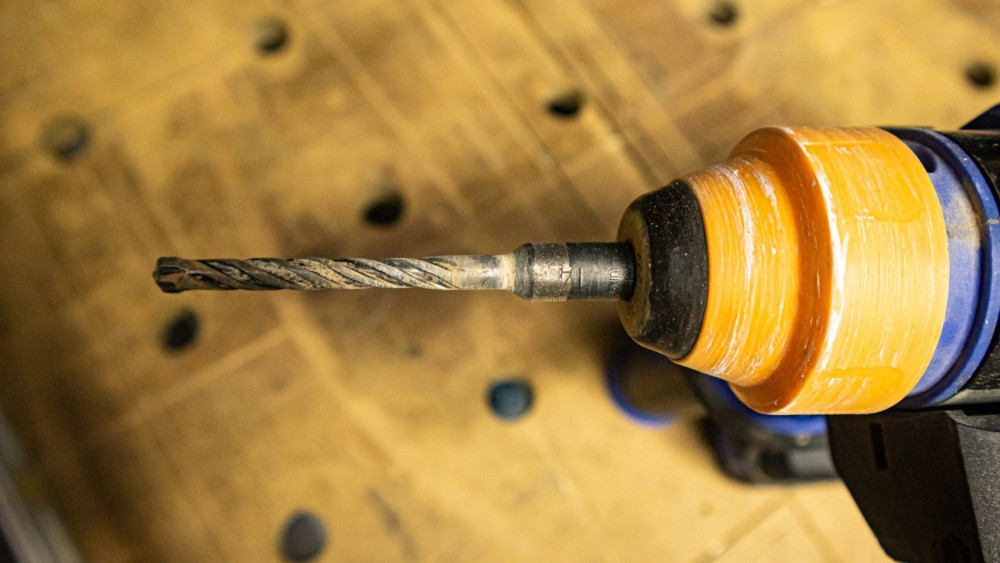
4. Is the SDS chuck system right for what you use?
Another critical point often overlooked when buying a rotary hammer is the chuck system. Many people buy a drill only to discover that the bits they already own aren't compatible, or they buy extra bits later that don't fit, wasting both time and money. That is because rotary hammers use a bit-holding system distinct from standard drills. If you don't check beforehand, your tool might not perform to its full potential—or you might even have to replace it entirely.
Rotary hammers use different bits than standard drills
Rotary hammer drill bits feature a shank system designed to withstand high impact forces while allowing effortless bit changes. When drilling into masonry or concrete with heavy kickback, using a standard keyed/keyless chuck can cause bits to slip, loosen, or wear out quickly. The SDS system features dedicated locking grooves that provide a secure, safe grip and allow quick, tool-free bit changes without fumbling with a chuck key.
The main types of rotary hammer chucks are:
- SDS-Plus: The most common type, ideal for general tasks and compatible with small to medium-sized bits (up to approx. 26 mm).
- SDS-Max: For heavy-duty applications using larger bits, such as chisels for thick concrete.
So, which one should you choose?
- For DIY home projects and light installations, SDS-Plus is more than enough.
- If your work involves drilling into concrete floors and walls frequently and heavily, SDS-Max is the right choice.
Don't forget to check if the model you choose comes with an adapter chuck, because some models only work with specialized bits. This will save you from wasting time searching for extra bits when you actually need to use it.
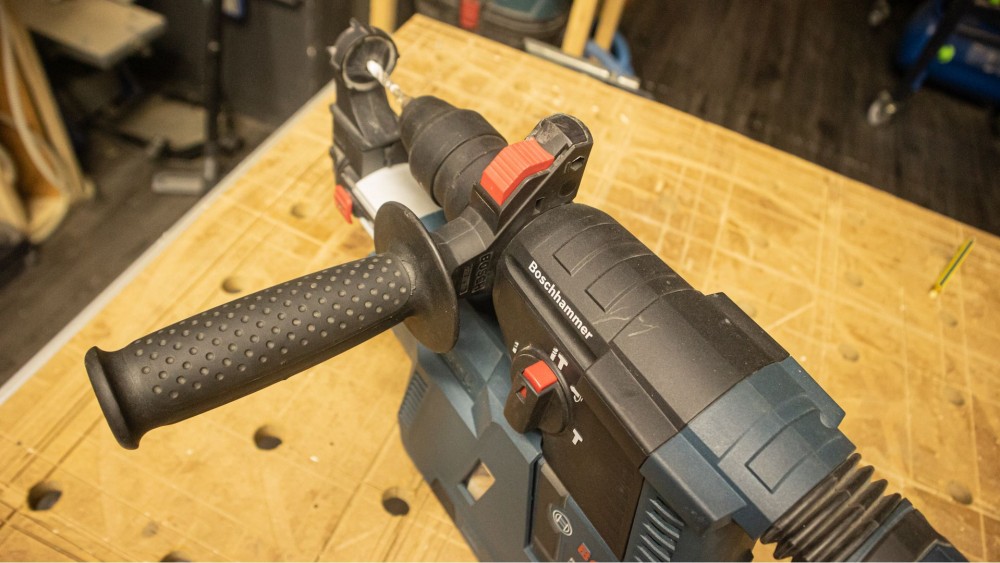
5. Brand, Extra Features, and After-Sales Service
Many people might think that choosing a rotary hammer only requires looking at specs and price. But did you know that the factors providing long-term value often aren't even listed on the website specs or on the box? Brand reputation, reliability, extra features, and after-sales service have a far greater impact on the actual user experience than you might think.
A rotary hammer isn't just about specifications; it's about "reliability."
No matter how good the specs are, if it breaks after a few months and you can't find a service center or spare parts, that's a situation you wouldn't want to face, right? We don't buy these tools often, and we expect them to last. Having a reputable brand is therefore very important because you can be confident that when problems arise, there are spare parts available, technicians who know how to fix it, and an after-sales service that actually follows up on your case—without the hassle of finding an outside mechanic or waiting for months. That is what true value for money looks like. So when choosing a rotary hammer, don't look at the price alone; consider the brand and after-sales service alongside it.
Additional features to consider:
- Anti-Vibration System (AVT): Reduces hand fatigue during prolonged use.
- Safety Clutch: Automatically cuts power if the bit binds, preventing wrist kickback.
- Speed Control System: For tasks that require precision.
- Lock-on Switch: Press once for continuous operation.
Finally, don't forget to check Carrying case, bundled accessories, and batteries (for cordless models) as well! Some models have similar prices, but the included accessories are completely different!
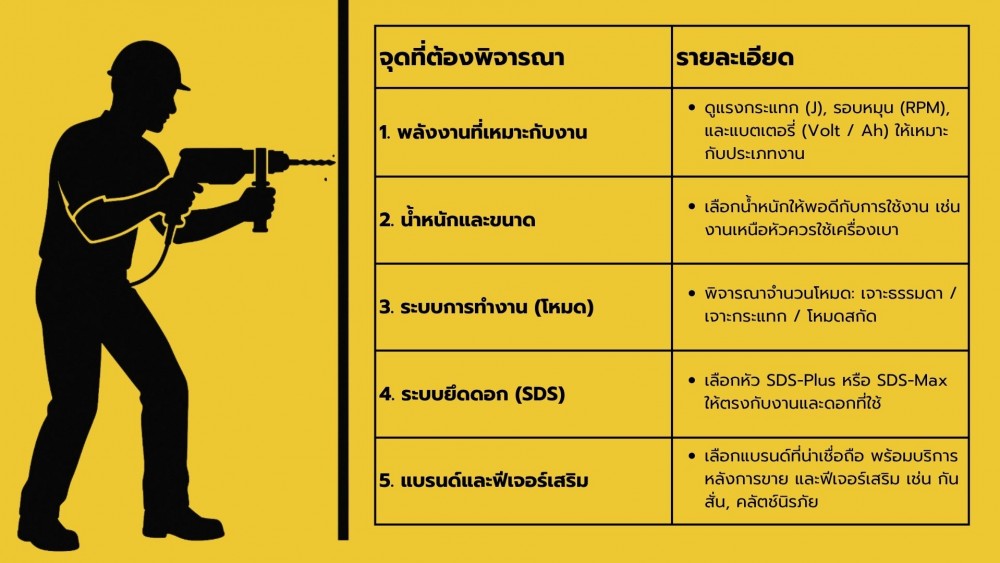
Conclusion
A powerful-looking rotary hammer might seem appealing at first, but if it doesn't match your job—such as being too heavy, too loud, or failing to drill through—it will become a burden rather than a helper. Especially if you have to perform repetitive tasks every day, enduring a tool that doesn't fit the job or your body will not only hurt your hands, arms, and back, but also drastically reduce your work efficiency.
However, if you have carefully considered these key points, Rotary hammer the tool you choose will become a reliable partner that lasts long, offers great value, and definitely won't let you down!