


 EN
 ไทย


Customers Also Purchased
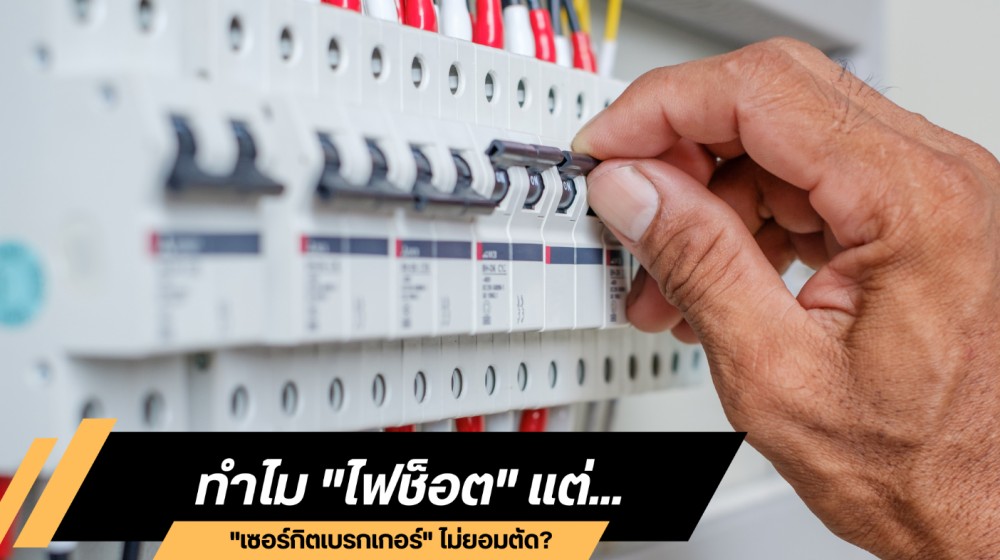
Have you ever heard a loud "pop!", smelled burning, or seen sparks flying from an electrical outlet or appliance and immediately thought, "That's definitely a short circuit!"—only to find that the "Circuit Breaker" (Circuit Breaker) in your home's electrical panel didn't trip at all, even though it's supposed to protect your safety?
People often refer to electrical anomalies like sparks, heat, or smoke as a "short circuit." In reality, electrical faults come in many forms, and only certain types trigger a circuit breaker. That is precisely why, when some abnormalities occur, the breaker doesn't trip.
Today, we will dive deep into the 5 main reasons behind this alarming phenomenon, along with basic troubleshooting steps you can perform yourself so you understand the problem and know when to fix it before danger strikes.
How Do a "Short Circuit" and a "Circuit Breaker" Work?
Before we look into why a circuit breaker fails to trip, let's first understand the basics of these two concepts.
"Short circuit" / "Electric shock" has 2 different meanings
- Short Circuit (as understood by technicians): It refers to a short circuit. Simply explained, there are 2 wires: the Line (L) wire and the Neutral (N) wire, which must never touch each other under any circumstances. But when an accident causes both wires to touch, the electric current from the L wire immediately rushes into the N wire, causing the electrical current to surge dramatically in a fraction of a second.
- Short Circuit (as understood by the general public): Refers to electrical abnormalities involving sparks, heat, smoke, or unusual sounds. These symptoms are not always caused by a direct short circuit.
How Does a "Circuit Breaker" Work?
A circuit breaker is a device that functions like an "automatic switch" inside an electrical distribution board. It is designed to "trip" (cut power) immediately upon detecting that the current flow exceeds its rated capacity. The causes of overcurrent primarily fall into 2 categories:
- Short Circuit : When the L (Line) and N (Neutral) wires touch each other, the electrical current surges instantly, triggering the breaker's trip condition and cutting off power.
- Overload Current: Caused by using too many electrical appliances at the same time, or using high-draw appliances that exceed the capacity of that circuit, resulting in an overload.
However, outside of these two causes, the circuit breaker will not cut off power. This explains why, in certain instances of electrical abnormalities, the breaker does not trip.
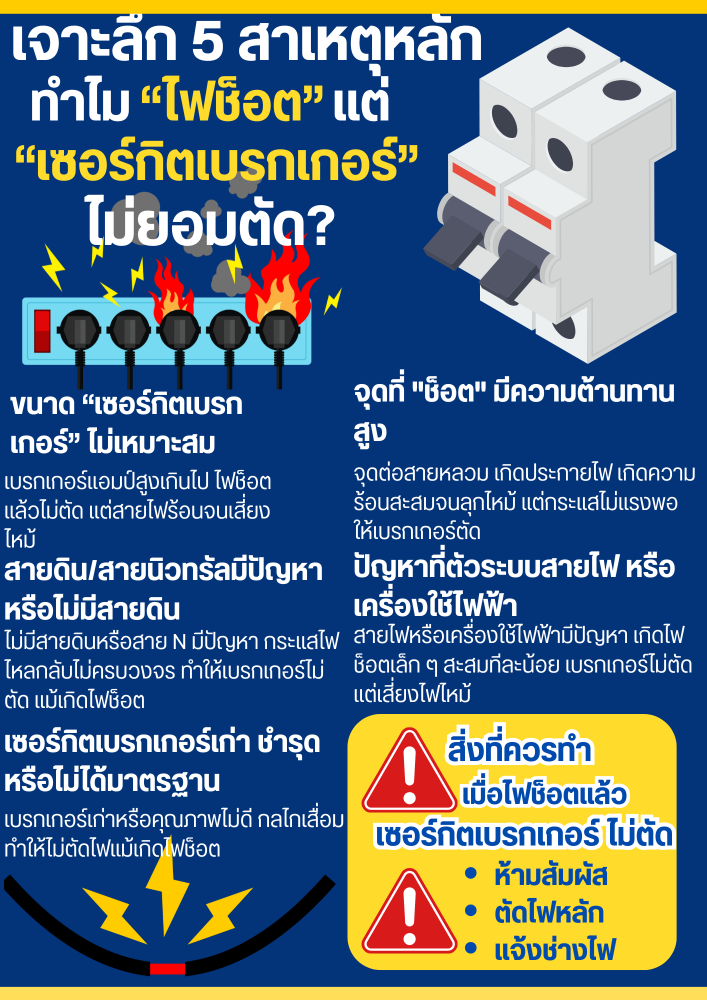
5 Main Reasons Why There's a "Short Circuit" but the "Circuit Breaker" Doesn't Trip
When a short circuit occurs and your circuit breaker fails to trip, it means there is a major problem in your electrical system.
1. High Resistance Short Circuit
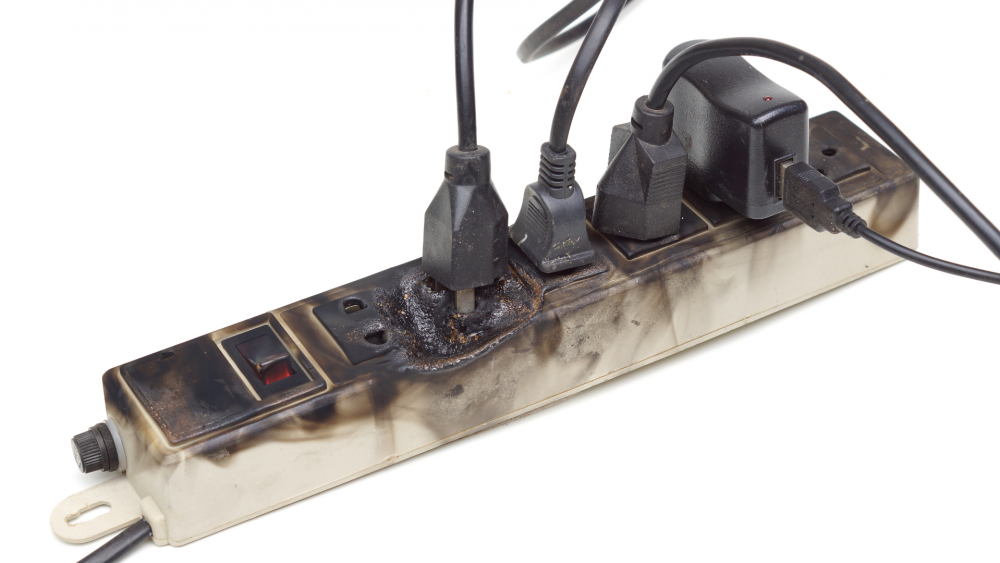
This is the situation that people often perceive as an electrical short where the breaker doesn't trip—and it is by far the most dangerous cause.
Problem: Caused by "loose wiring connections," such as at plugs, sockets, switches, or inside appliances, causing wires to touch loosely rather than making direct contact. As the electric current cannot flow normally, it has to "arc" across the gap.
Why it doesn't trip: When the electrical current arcs, it exerts high energy and releases intense heat. This accumulated heat at the loose point causes the plastic of the plug, socket, or surrounding wire insulation to melt, turn black, and potentially catch fire. However, the total current flowing through the main line may still not be high enough to immediately trip the circuit breaker.
Basic Check Methods:
- Check for burning smell / burn marks: Look for unusual burning smells or black marks on plugs, sockets, or wiring.
- Abnormal heat: Check if plugs, power cords, or electrical appliances feel abnormally hot to the touch.
- Consult an electrician: This kind of issue is very dangerous; you must consult an electrician immediately.
2. Improper size of the "circuit breaker"
This is a very common cause and the foundation of electrical safety.
Problem: The installed circuit breaker is "oversized" (in terms of ampere rating) and not matched to the cross-sectional size of the wiring in that circuit.
Why it doesn't trip: Circuit breakers are designed to trip when the electrical current exceeds their rated value. If a short circuit occurs, but the resulting surge in current is not high enough to reach the trip point of an oversized breaker (even though that current has already exceeded what the small wire can safely handle), the circuit breaker will not trip as intended, causing the wiring to overheat dangerously and pose a fire hazard instead.
Basic Check Methods:
- Check the breaker rating: Look at the ampere rating indicated on the circuit breaker (e.g., 15A, 20A, 32A).
- Compare with the wiring: If you know the cross-sectional size of the wire in that circuit (e.g., 1.5 sq.mm., 2.5 sq.mm.), check standard electrical tables to see the maximum current that wire can handle, then compare it with the breaker rating to verify if they match properly (if unsure, consult an electrician).
3. Ground/neutral wire issues, or absence of a ground wire
The grounding and neutral wire systems are vital components that ensure the electrical system operates safely and the circuit breaker functions correctly.
Problem: If the grounding system has issues (e.g., not installed, improperly installed, broken ground wire, deteriorated ground rod) or the neutral wire is loose/damaged, when a short circuit occurs—especially a ground fault—the electrical current cannot flow back to the power source completely (to trigger the breaker to trip) or cannot discharge into the ground effectively.
Why it doesn't trip: Without a complete return path for the electrical current, or if that path has very high resistance, the current will not surge high enough to reach the level required to trip the circuit breaker. Or, in the case of residual current devices (RCD/RCBO), it will fail to detect abnormal leakage current.
Basic Check Methods:
- Check the grounding: Check whether the plugs of your electrical appliances are 3-prong plugs and are genuinely connected to a ground wire.
- Test the "Test" button: If your consumer unit/distribution board has residual current protection devices (RCD/RCBO), try pressing the "Test" button. If the device does not trip, there may be a problem with the device itself or the grounding system.
- Consult an electrician: Inspecting grounding and neutral systems is complex and should only be performed by a professional electrician.
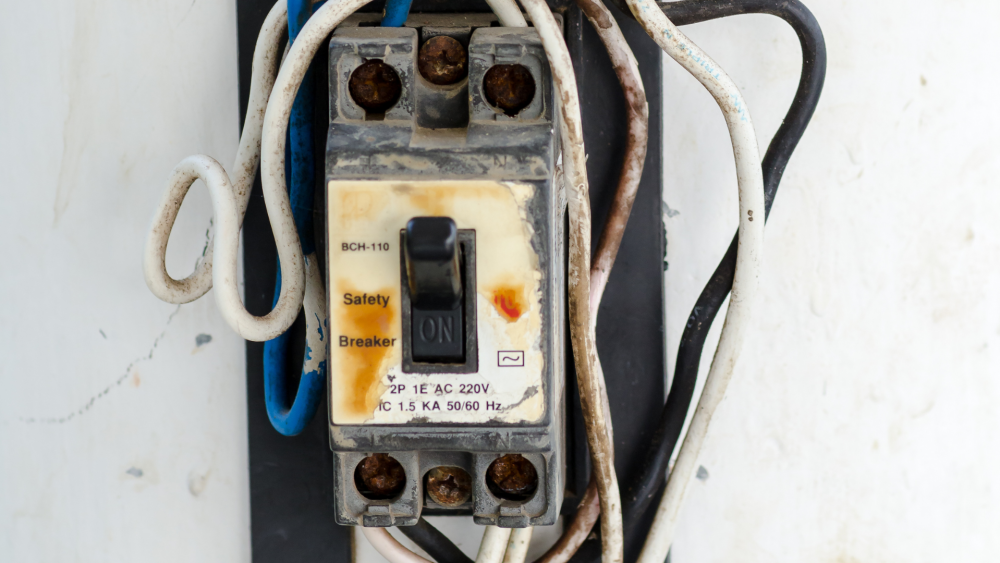
4. Circuit breaker is old, damaged, or substandard
Although circuit breakers are durable devices, with prolonged use or poor quality, their efficiency can deteriorate.
Problem: Circuit breaker has a lifespan. When very old, internal mechanisms can degrade, experience internal corrosion, or have damaged parts, causing it to operate inaccurately or fail to trip when an actual short circuit occurs.
Why it doesn't trip: The mechanism that should trip during an overcurrent malfunctions or fails to respond altogether.
Basic Check Methods:
- Observe external condition: Does the circuit breaker have burn marks, cracks, or black residue?
- Try pressing the Test button (if available): Residual current circuit breakers (RCBO/RCD) usually have a "Test" button. Press it to test whether it still works. If it does not trip when pressed, it is defective.
- Lifespan: If the circuit breaker is over 10-15 years old or has never been replaced, you should have an electrician inspect its condition.
- Consult an electrician: If you suspect the circuit breaker is damaged, have a qualified electrician inspect or replace it.
5. Problems with the wiring system or electrical appliances
Sometimes the root of the problem may stem from the wiring or the electrical appliances themselves, causing an "incomplete" short circuit.
Problem:
- Loose wire connections: Such as at receptacles, switches, or junction boxes where wires are loose.
- Damaged wire insulation: Wire insulation that is old, cracked, broken, or gnawed by rodents causes conductors to touch each other or touch nearby structures.
- Internal appliance damage: There is a short circuit inside the appliance itself, but it is not yet severe enough to cause the circuit breaker to trip immediately.
Why it doesn't trip: These problems can cause a "gradual" short circuit or localized arcing (sparks), generating high heat in that specific area, but the current flowing through the main line may not yet be high enough to cause the circuit breaker to trip immediately.
Basic Check Methods:
- Check wiring/plugs: Inspect appliance power cords, plugs, wall sockets, and light switches for burn marks, black discoloration, unusually hot wires, or a burning smell.
- Consult an electrician: If you notice these signs, immediately stop using that appliance or circuit and consult an electrician.
Risks when a "circuit breaker" fails to trip
A circuit breaker failing to trip during a short circuit is considered the highest risk in your electrical system.
- Fire: Heat buildup at the short-circuit point can melt wire insulation and spread fire to other materials.
- Electric shock: If there is current leakage from a short circuit and the circuit breaker fails to trip, it can result in electric shock to anyone who comes into contact with it.
- Equipment damage: Appliances or other electrical equipment may be damaged by abnormal electrical currents.
What to do when a "short circuit" occurs and the "circuit breaker" fails to trip
If you experience a short circuit and the circuit breaker does not trip at all, please follow these steps immediately for the safety of life and property.
- Shut off the main power supply immediately: The first thing you must do is go to the main electrical panel of the house and switch off the main breaker to completely disconnect power from the entire house.
- Do not touch the affected equipment/wiring: Never attempt to touch or handle the appliance or wiring experiencing the issue.
- Contact a qualified electrician: After turning off the power, promptly contact a qualified electrician to inspect the cause and resolve the issue with utmost urgency.
How to prevent a "circuit breaker" from failing to trip
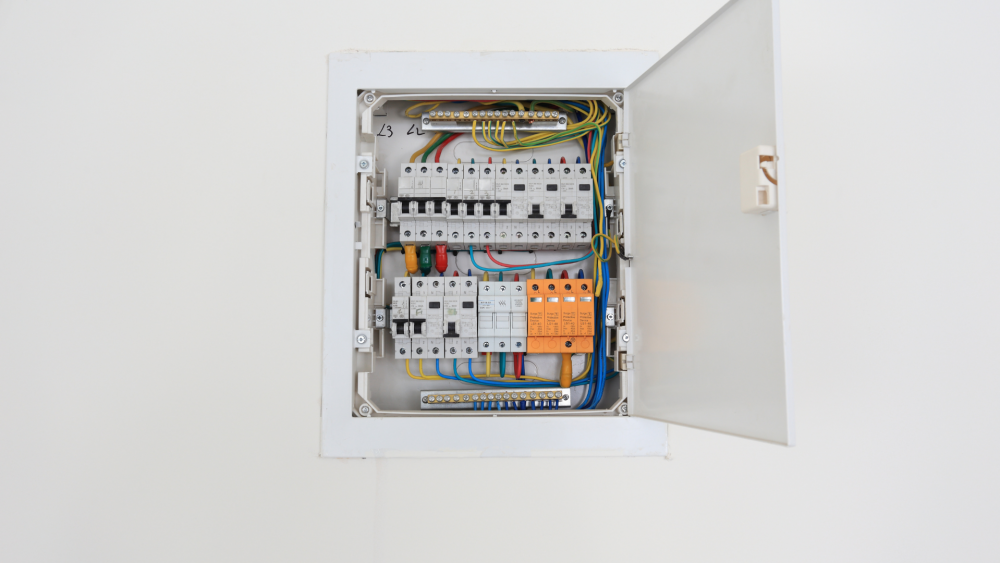
Preventing circuit breakers from failing to trip is a long-term investment in your home's safety.
- Choose appropriate circuit breaker and wire sizes: Electrical system installations should be carried out by professional technicians who will select the circuit breaker rating to match the wire cross-sectional area and the electrical load of that circuit according to EIT standards.
- Install a proper and high-quality grounding system: A good grounding system with low resistance will help circuit breakers or residual current protective devices (RCD/RCBO) operate effectively during ground faults.
- Use standard-certified electrical appliances and wiring: You should purchase electrical appliances and wiring certified by industrial standards (TIS) to reduce the risk of internal defects that could lead to short circuits.
- Regularly inspect the electrical system and appliances: Watch for warning signs such as burning smells, scorch marks, unusually hot wiring, or abnormal noises coming from power outlets, switches, or appliances.
- Consult a professional electrician: Always call a professional electrician for new electrical installations, complex repairs, or annual electrical inspections.
"Circuit Breaker" Fails to Trip = A Hazard That Demands Immediate Action!
When a "short circuit" occurs and the the "Circuit Breaker" breaker fails to trip, it is the most critical warning sign your electrical system can send. It is not something you should ignore or attempt to fix yourself without proper knowledge.
Understanding the primary causes and knowing how to perform basic checks will allow you to handle emergency situations safely. Most importantly, you should call a certified electrician to inspect and fix the issue according to standards for the ultimate safety of your home and loved ones.