


 EN
 ไทย


Customers Also Purchased

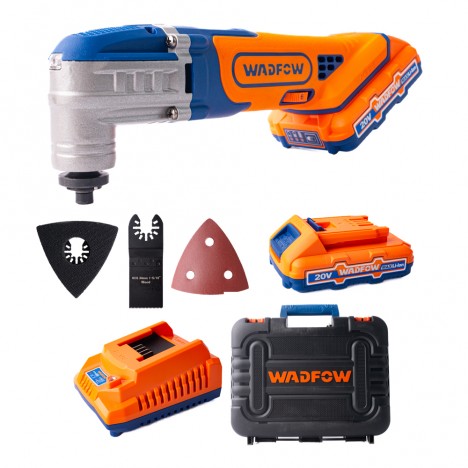


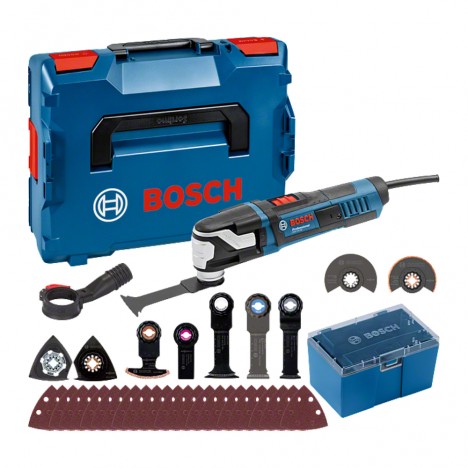
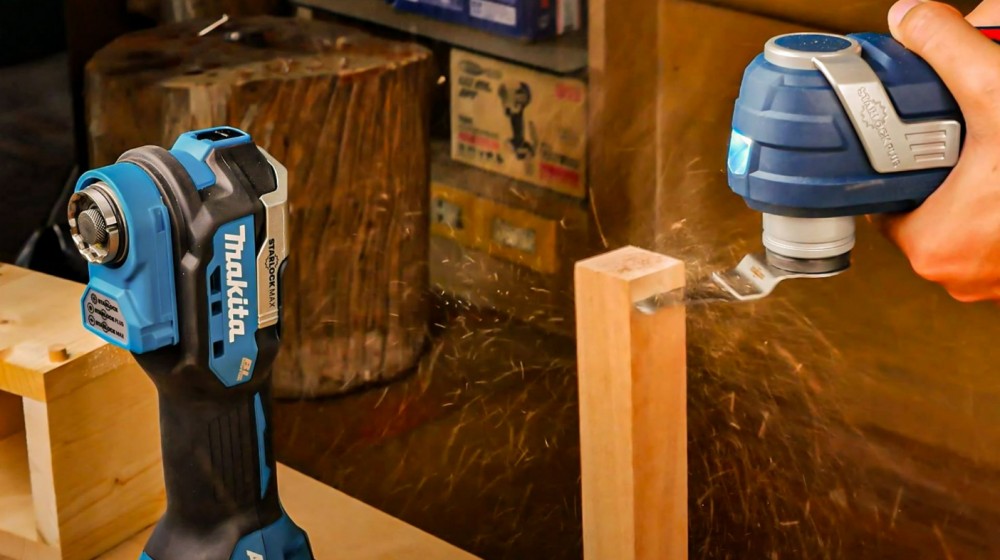
Especially if the job involves multiple steps like drilling, cutting, sanding, or scraping off old materials, switching tools back and forth not only wastes time, but also forces you to carry around multiple devices and complicates workspace management.
In this article, I'll walk you through what to look for in a good multi-tool, helping you choose the right one for sanding, scraping, grinding, and light cutting—ideal for both professional tradespeople and DIYers looking for a nimble power tool to work in tight spaces.
What is a multi-tool?
A multi-tool is a device that combines the capabilities of several power tools into one, such as cutting wood, plunging, sanding surfaces, or scraping adhesives, by changing accessories or end blades according to your needs. Handyman tasks that once required multiple tools can now be completed with just a single machine.
Imagine this: if you're installing a small shelf on a wall and find you need to cut, saw, and sand edges before painting, without a multi-tool you might have to prepare a drill, a handsaw, and a sander separately—which is quite cumbersome. Especially if working space is limited or you have to climb a ladder to work at height, having a single tool that performs multiple functions will noticeably save both time and effort.
In addition, a multi-tool is convenient for accessing tight spaces or blind corners that general tools can't reach, such as under sinks, under tables, or against wall corners. Because the accessory head can be changed to suit the area's characteristics, you don't have to contort your body uncomfortably; simply switch the head and continue working right away.
The term "multi-tool" can mean several things. Some people might think of a folding manual tool set or a multi-functional pocket knife that combines various features into one. But here, I'm referring to a multi-tool in the form of a power tool that can perform multiple functions—such as sanding, scraping, grinding, or light cutting—ideal for DIYers and general tradespeople working in confined spaces.
Multi-tools that are power tools can be divided into 2 main types:
- Cordless Multi-Tool: Battery-powered, ideal for jobs requiring frequent movement.
- Corded Multi-Tool: High power, continuous long-term use, but less maneuverable.
Points to consider before choosing a multi-tool
If a single multi-tool is going to handle multiple tasks, it must naturally be designed smartly and durably. Aside from accommodating diverse applications, it must also withstand vibration, continuous use, and rapid accessory changes. A quality multi-tool must therefore be well-thought-out, from its internal construction down to small details like the accessory attachment or the ergonomic placement of control switches.
Don't forget that we're talking about a tool used to replace grinders, cutters, and others all in one. Therefore, strength, stability, and control must come first. If a multi-tool has just one weak point—such as a motor that overheats easily or lacks sufficient power—it will disrupt your work and might force you back to using separate tools anyway.
Let's take a look at what a good multi-tool should have so you can choose with confidence and get the maximum efficiency out of it.
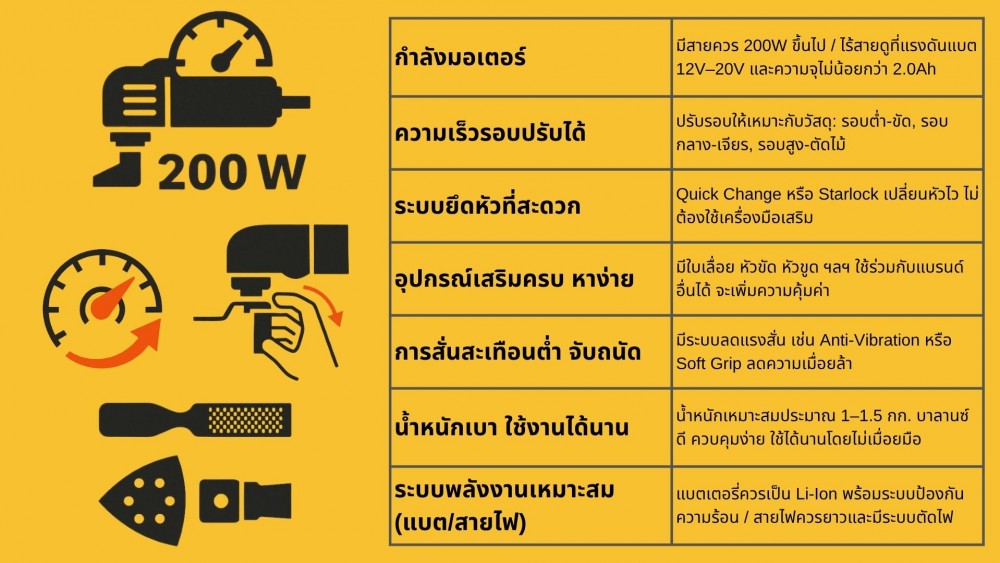
1. Sufficient motor power
The first question on many people's minds is probably "Is a multi-tool powerful enough?" The answer is: it depends on the model. But if you want to cut wood, sand surfaces, or work continuously, a tool with 200W or more will best meet your needs, as it can handle reasonably heavy tasks.
However, for cordless multi-tools, wattage may not be clearly specified like corded models. Instead, we look at the battery voltage, such as 12V, 18V, or 20V. A higher voltage means more power and the ability to handle heavier tasks. If you are a DIY enthusiast looking to carry a multi-tool for repairs around the house, choosing an 18V cordless multi-tool with high speed and a battery capacity of at least 2.0Ah or more will help you work smoothly and continuously without interruptions midway.
2. Multi-level variable speed
When using a multi-tool on different materials—such as softwood, hardwood, plastic, or thin sheet metal—the right speed ensures smooth cuts, neat sanding, and prevents damaging the material from excessive heat or vibration. Variable speed control also helps save energy and extends the tool's lifespan.
- Low speed for sanding surfaces or scraping delicate materials
- Adjust to medium speed for grinding or surface finishing
- Adjust to high speed for wood cutting
- Good speed control helps reduce kickback during use
- Adjusting to the nature of the work helps deliver consistent results
3. Convenient accessory mounting system
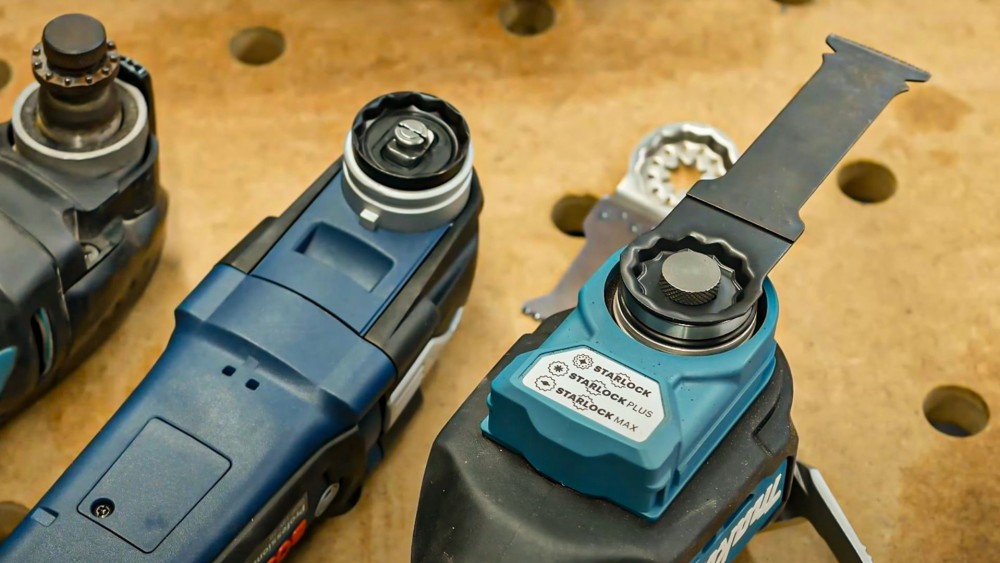
Another aspect many overlook, but which significantly affects the actual user experience, is changing accessory attachments. If an oscillating multi-tool makes it difficult to change cutting blades or sanding pads—requiring extra tools or multiple screw turns—it interrupts your workflow and wastes time. Especially if you frequently switch from a saw blade to a sanding pad, a quick-change system helps work proceed much more smoothly and continuously.
If you want a system that is fast, secure, and compatible with multiple accessory types, I recommend looking for a tool compatible with the Starlock system. This standard, developed by Bosch and Fein, elevates the accessory change system on multi-tools. You can snap on attachments without touching parts heated from use, and the locking system holds securely without any additional tightening.
- No need to carry extra tools such as wrenches or screwdrivers
- Reduces downtime when changing accessories
- Reduces the risk of loose attachments if not tightened enough by hand
- Suitable for beginners who are not yet skilled with mechanical components
- With the Starlock system, it locks tightly, offers high safety, and allows attachment even when the tool head is hot
4. Complete and readily available accessories
Accessories or multi-tool blades come in many varieties, each suited for different applications depending on the task at hand, such as cutting, scraping, or sanding. High-quality attachments help produce clean, neat results noticeably faster.
- Saw blades for cutting wood or metal
- Hook-and-loop (Velcro) sanding pads for attaching sandpaper
- Scraper blades for removing glue or silicone
- Attachments for surface finishing
If the brand you choose offers a wide variety of accessories and allows cross-compatibility with other brands, it is a huge plus because you won't need to replace the tool if you can't find spare parts.
5. Low vibration and comfortable grip
Don't overlook this point, because an oscillating multi-tool with high vibration will quickly tire out a technician's hands and reduce precision. If used continuously for extended periods, your hands may feel numb, grip becomes awkward, and the finished work might not turn out smooth. Therefore, it should feature a vibration reduction system, such as Anti-Vibration or a Soft Grip, which helps absorb shock and provides a firmer grip.
Having soft rubber-coated grips or an ergonomic design on a multi-tool also makes a difference during use. It helps reduce hand and wrist muscle fatigue, allowing you to work longer without aching, while giving you more precise control over the tool head's movement.
6. Lightweight and suitable for prolonged use
A weight of around 1–1.5 kg is considered the "sweet spot." If it's too light, it may feel unstable and hard to control; if it's too heavy, your hands will tire out quickly. A good oscillating multi-tool should have a well-balanced weight, allowing you to use it for extended periods without wrist pain. Since its main selling point is one-handed operation—such as vertical sanding or edge cutting—having an appropriate weight helps you control the direction more steadily without wobbling or slipping, reducing the risk of damaging the workpiece.
7. Suitable battery or power cord
The power system of an oscillating multi-tool is a core component that should not be overlooked. It directly impacts continuous workflow, maneuverability, and tool lifespan, especially in cordless models, which are becoming increasingly popular across all types of power tools.
If you choose a cordless multi-tool, it is recommended to look for standard Lithium-Ion (Li-Ion) batteries equipped with overheat protection and automatic shut-off when the battery is low to extend service life and enhance safety.
For corded multi-tools, although there are no battery limitations, you should check whether the power cord is long enough for broad workspace coverage, and if it includes overload protection or automatic shut-off during irregularities to prevent hazards and extend motor life.
- If choosing a cordless model, check whether it uses standard batteries equipped with overheat or battery degradation protection.
- If choosing a corded model, the cord should be long enough and feature overload or short-circuit protection.
How do you know which oscillating multi-tool model is "genuinely good"?
There are many models and brands of multi-tools on the market today, and each model comes with features that look remarkably similar—whether it's cutting, sanding, grinding, or quick blade-change systems. Many wonder why some models are expensive while others are so cheap they feel almost like toys, and what actually defines real value for money.
Some tools might look good on paper, but in actual use, they lack power or have attachment limitations. Other machines, despite being higher priced, are designed for long-term use, easy handling, and come with more reassuring after-sales service. Therefore, before deciding on a specific tool, it's essential to understand the clear factors to consider.
To make choosing easier, here is a brief summary of key points to consider:
- Try holding it in person if possible
- Check real user reviews
- Choose a trusted brand
Conclusion
If you are looking for a tool that helps you work faster, saves space, and eliminates the need to switch tools frequently, an oscillating multi-tool or electric multi-tool is definitely a solution you should seriously consider.
However, remember that not every tool calling itself a multi-tool is genuinely good. Before making a purchase decision, be sure to consider power, attachment-changing capabilities, vibration levels, accessories, and brand reputation—because choosing quality is half the battle won!
We hope this article helps you choose Multipurpose tool that truly meets your needs and delivers the greatest value