


 EN
 ไทย


Customers Also Purchased
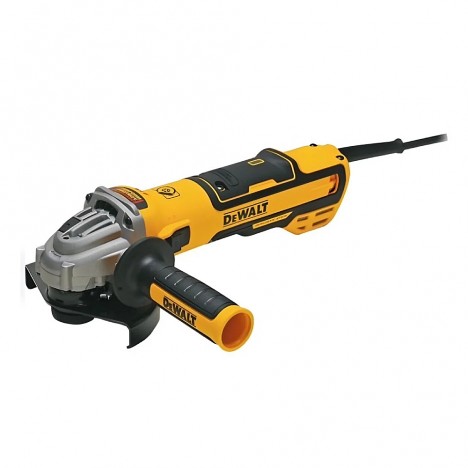
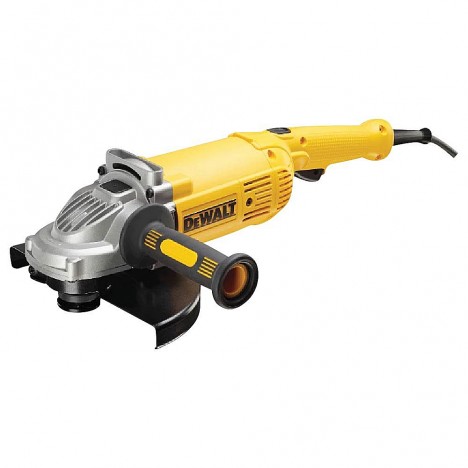

I believe many people might think that grinders are inherently durable and will last a long time without much care. But in reality, if we know how to care for them properly, the grinder will stay with us much longer and, most importantly, deliver full performance every time it's used.
In this article, I want to share 6 simple ways to care for your grinder that anyone can follow to extend its lifespan, make it last longer, and ensure greater safety.
1. Clean the grinder after every use
Many people might see cleaning a grinder as a minor detail or even unnecessary. But this is the very starting point of good maintenance, because dust, debris, or minor oil residues accumulating on the machine can become major problems in the long run.
Dust accumulation can hinder the ventilation system, causing the tool to overheat quickly or even causing internal parts to fail prematurely without you realizing it. And don't forget that most grinders are electric; if too much moisture or dust is allowed to build up, it could cause a short circuit or an electric shock.
Therefore, if you want your equipment to stay with you for a long time, simply picking up a cloth or blowing off the dust extends the machine's life far more than you might think.
Why clean your grinder?
Angle grinders constantly work with dust and debris that can easily clog up the inside. If left unattended for a long time, this dust can accumulate in the ventilation vents or the motor, causing the tool to overheat and perform below its full potential.

Proper Cleaning Methods
- Use compressed air or a small brush to clean the ventilation vents.
- Wipe down the tool body with a dry or slightly damp cloth to remove any remaining dust buildup.
- Avoid using water or direct cleaning liquids, as they can damage the electrical system.
Most importantly, cleaning an angle grinder is not complicated at all. It doesn't take much time—just a few minutes after finishing your work is enough. It also ensures the tool is ready for next time and significantly reduces the chance of premature breakdowns.
2. Always inspect grinding discs, cutting discs, and accessories before use
Before using an angle grinder, many people might just pick it up, plug it in, and start working right away. But did you know that the greatest danger might not come from the machine itself, but from the grinding disc or accessories attached to it? If a disc is cracked, chipped, or the wrong type, even the best machine cannot prevent an accident.
Checking your equipment before every use is like an all-around safety check that helps reduce tool breakdowns and minimizes risks to the user, especially for those who use angle grinders every day or on precision tasks where no mistakes can be tolerated.
Why must you inspect the grinding disc?
Whether an angle grinder performs well depends partly on the quality of the disc, which is both a consumable item and the heart of cutting, sanding, and grinding. A cracked or worn-out disc can shatter when spinning at high speeds, causing severe damage not only to the tool or workpiece, but potentially resulting in serious injury.
What should you check before starting work?
Before starting your angle grinder, don't rush to hit the switch and get straight to work. Small steps like inspecting the grinding disc and accessories serve as your first line of defense for both safety and quality. When you ensure the machine is ready, the disc is undamaged, and all accessories are securely fastened, your work will proceed much more smoothly, minimizing the risk of accidents caused by damaged gear.
- Check if the grinding or cutting disc has cracks, chips, or is past its expiration date.
- Use discs of the correct size and type suited for the machine and application, such as steel grinding discs, stainless steel cutting discs, etc.
- Do not use grinding or cutting discs that have worn down too thin or are warped and deformed.
Using good-quality discs not only improves grinding efficiency, but also prevents hazards caused by cracked discs shattering.

3. Do not push the tool beyond its limits
Every angle grinder model has its rated capacity—including voltage, revolutions per minute (RPM), and compatible materials. Many users overlook this or haven't read the manual to see what their tool can actually handle.
Some might think that all angle grinders are the same and can cut through anything or handle heavy pressure as long as they power on. In reality, constantly pushing beyond these limits will rapidly degrade the tool, especially the motor and drivetrain, which end up constantly overloaded.
Therefore, understanding and respecting the machine's limits is like showing respect to the tool you use, and it will reward you with a long service life.
- Do not force a small grinder to cut excessively thick and heavy materials.
- Avoid applying excessive hand pressure while in use.
- Let the machine work at its own pace; there is no need to push it unnecessarily.
Frequently overloading the tool causes the motor to overheat faster, accelerates internal component wear, and may lead to motor burnout or premature tool failure.
4. Store the grinder properly when not in use
When you finish using an angle grinder, you shouldn't just put it anywhere, as proper storage is just as important as how you use it. Many people overlook this, thinking that merely placing it on a workbench or hanging it back in the same spot after use is enough. But did you know that improper storage is another reason tools unexpectedly fail faster? Especially during periods when they are not in use for a long time, such as during holidays or when stored away in a tool storage area.
Why is proper grinder storage important?
Many people simply leave it in the same spot after use without considering that tools also require proper storage. In fact, placing them in the wrong spot—exposed to the sun, rain, or excessively humid conditions—are all culprits that degrade the tool prematurely without you even realizing it.
Grinders have many internal metal components that can easily rust, especially when kept in humid, poorly ventilated areas. Additionally, heat and dust in the storage area can make plastic brittle or damage the internal electrical circuits. Therefore, simply choosing a good storage spot can go a long way in extending your tool's lifespan.
- Store in a dry place and avoid moisture to prevent rust from forming on the tool body or internal components.
- Do not rest the tool on its power cord or wind the cord too tightly.
- Use a storage box or dust cover if it won't be used for a long period.
A properly stored grinder will always be ready for use and won't require frequent, troublesome repairs.
5. Maintain the motor or replace carbon brushes when due
Carbon brushes are another critical heart of a grinder that is often overlooked. They are the most prone to wear and tear, and they need to be replaced periodically if you want to prevent loss of power or premature motor damage.
However, for those using newer brushless grinders, you don't need to worry about replacing carbon brushes because this system is engineered without brushes entirely. The advantages are greater motor durability, consistent power delivery, and less frequent maintenance compared to conventional systems.
Still, that doesn't mean it requires zero care. Brushless grinders still require basic maintenance such as cleaning, avoiding overload, and proper storage—it simply eliminates the need to inspect and replace carbon brushes.
- Watch out for symptoms like changes in motor sound, sudden stops, or a drop in power.
- Check carbon brushes every 6 months (for regular use).
- Only use genuine carbon brushes made for your specific model; do not use random aftermarket equivalents.
If you replace the carbon brushes in time, the tool will return to full power just like before, helping extend the motor's lifespan for years to come.
However, if you are using a brushless angle grinder, there are still points you need to pay attention to. For example, regularly clean the ventilation slots to keep them clear and free of dust clogging, and avoid using the tool in environments with excessive dust or water. Even though there are no carbon brushes, the internal electronic components are still sensitive to moisture and heat buildup.
Additionally, avoid overloading the tool just like any standard tool, and regularly watch out for abnormal noises or burning smells during operation. Although brushless systems are more durable, that does not mean they are indestructible.
6. Don't forget to let the tool rest during continuous use
Sometimes we get so absorbed in our work that we forget tools need to rest too, just like people. Especially when working in hot environments or using an angle grinder without an automatic thermal overload cut-off system.
Running an angle grinder continuously without any breaks can cause more heat buildup in the motor than you might think. Especially in our local climate with its high ambient temperatures, failing to let the machine rest can cause internal components to degrade faster—especially the bearings and motor insulation.
Although many modern grinder models feature automatic thermal cut-off systems, relying solely on this safety feature shouldn't become a habit. We should build the discipline to pause the machine periodically, stay alert for burning smells or abnormal noises, and if you have a backup machine, alternate between them while letting the primary tool cool down to prolong its long-term service life.
- After 10–15 minutes of continuous use, pause and rest for about 2–3 minutes.
- If the tool becomes abnormally hot, turn it off immediately and wait for it to cool down before resuming work.
- Use a backup angle grinder if you need to work continuously throughout the entire day.
Letting the machine rest periodically will help extend the lifespan of internal parts and reduce the risk of accumulated heat causing permanent damage.

Summary: Well-Maintained Angle Grinders Last Longer, Stay Safe, and Deliver Great Value
No matter how expensive, powerful, or durable your angle grinder is, without proper care and maintenance, it will deteriorate quickly and risk breaking down precisely when you need it most.
Imagine this: you're in the groove working, or on a job site where time is absolutely critical, but when you pick up the angle grinder to turn it on, it won't start, or it sputters and stalls with no power. That doesn't just waste time—it can cause job delays or make you miss crucial opportunities.
Because an angle grinder is a tool we rely on so regularly, it deserves more care than most people think. Cleaning, inspecting components, allowing cooldown breaks, and proper storage all help keep the tool in great shape longer and ready to work every time you pick it up. I believe most people already cherish their tools; sometimes we just overlook these small maintenance steps.
From now on, if you consistently follow these steps, Grinder your tool will last much longer, and your work will be smoother, safer, and truly worth every THB you invested in it.