


 EN
 ไทย


Customers Also Purchased

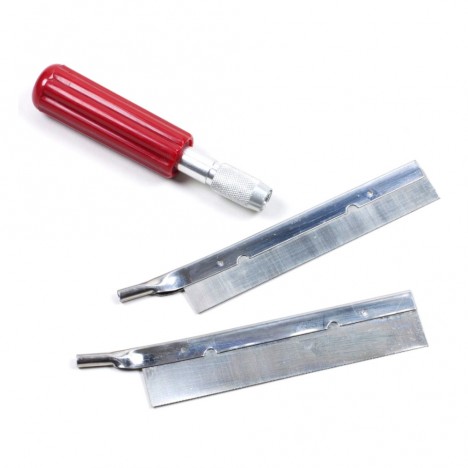


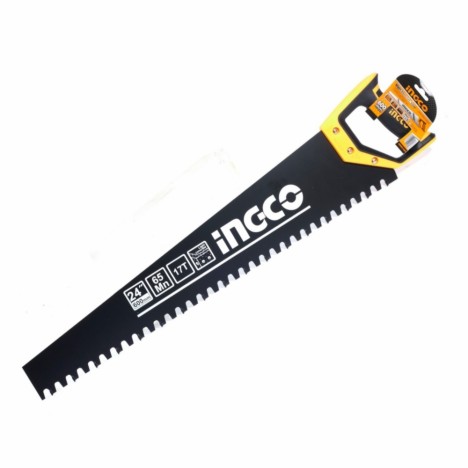

Have you ever walked into a tool store, reached the hand saw aisle, and found yourself staring for an unusually long time? You see saws ranging from low hundreds to over a thousand baht, and they all look so similar that you can't help wondering, "What's the difference!?" If you've ever experienced this, this article is here to clear up the doubts on EHand saws Why are some models expensive? Do they really use different types of steel? Or is there something deeper you might not know? Without wasting any time, let's dive into this article together.
What is a hand saw? And why do they all look alike?
Before we talk about price, let's step back and understand a bit more about what these handsaws we see so often really are—and whether there is more hidden beneath the surface than we think.
An ancient cutting tool that is still awesome: a handsaw is a simple yet incredibly versatile cutting tool. You can use it without plugging it in and without worrying about batteries—just purely using your own arm strength! Mostly used for cutting wood, certain types of handsaws can actually also cut plastic or other materials as well.
If you enjoy woodworking, you are likely familiar with terms like fine-tooth, coarse-tooth, pull saws, push saws, Japanese saws, or European saws. Each style has its own character: some are suited for delicate, detailed work, while others are built for fast, rough cuts. They don't just look different; their operating styles are completely different.
Shapes that rarely change
If you take a close look when shopping for a handsaw, you will notice that many models—cheap or expensive—look almost like twins. Especially those classic straight-blade saws with wooden or plastic handles; at a glance, it's nearly impossible to tell which is cheap and which is expensive. It is completely natural for many people to think, "They look identical, so why the big price difference?"
However, behind these similarities, there are tons of hidden differences! Let me walk you through point by point where that extra cost is really hiding.

So what makes a handsaw expensive?
Blade Material
- Standard Carbon Steel: This is the staple of budget saws and is commonly found in everyday handsaws. This type of steel is easy to resharpen—anyone with a triangular file at home can easily handle it. But the downside is that it wears down quickly; after just a few uses, it starts to dull, requiring frequent sharpening or earlier replacement. For occasional use or light DIY work, it's decent enough, but for daily use, it might not be worth it.
- Alloy Steel: This is a noticeable upgrade from standard steel. By alloying it with other metals, the steel becomes tougher, resists torsional stress better, and cuts through hardwoods effortlessly without the risk of teeth chipping easily. Ideal for frequent users or those dealing with tough, stubborn wood from time to time.
- Induction Hardened Steel: Saws with induction-hardened teeth stand out for being extremely sharp and exceptionally long-lasting. Perfect for anyone wanting razor-sharp teeth for long-term use without the hassle of constantly resharpening. The catch, however, is that they cannot be resharpened! Once they wear dull, that's it—the blade must be replaced. For those prioritizing convenience and low maintenance, this is a great choice.
- Spring Steel: This steel is found in premium saws, especially high-end Japanese saws that feel solid, precise, and steady in the hand. It offers excellent flexibility, so the blade resists warping or bending, allowing for more precise tracking. Plus, it feels lightweight and steady in hand without harsh vibration during cuts. For fine woodworking or pinpoint cut accuracy, spring steel is the real deal!

Localized Hardening
Hardening saw teeth using induction hardening technology is a standout feature found in top-tier saws. This technique makes the teeth exceptionally hard, handling heavy-duty use effortlessly. Right out of the box, it cuts razor-sharp on day one with no time wasted on sharpening. Naturally, this technology doesn't come cheap; the higher manufacturing cost is one reason these saws command a higher price, but it's well worth it!
Precision in Tooth Manufacturing
A high-quality handsaw isn't just about putting teeth on a blade. Great care goes into the tooth-grinding process; some models use high-tech machinery, while others are even hand-ground by skilled craftsmen. This produces perfectly aligned teeth, consistent wood bite, and clean, smooth cuts that need no sanding. In contrast, budget saws often suffer from uneven teeth, inconsistent sharpness, binding, and crooked cuts that can quickly tire you out.
Blade Thickness and Tooth Geometry
Higher-priced handsaws often feature thinner yet stronger blades. Sounds contradictory, doesn't it? But in practice, it allows the saw to cut smoother, easier, and with far greater precision. A thinner blade produces a narrower kerf, yielding a beautiful cut without sanding. Furthermore, each tooth's angle is carefully engineered so it doesn't bite too aggressively or skip across the wood. Anyone who has used a premium saw knows the cutting feel is truly worlds apart.
Handle Design
Never overlook the handle! Because no matter how good the blade is, if the handle doesn't fit your hand comfortably, sawing for a while will make you too tired to continue anyway. A good saw features an ergonomically designed handle that fits your hand perfectly, providing a firm, secure, non-slip grip. Materials range from hardwood for a classic feel to premium non-slip plastic that prevents hand fatigue and pain even during prolonged use. Unlike cheap saws where after using them for a while, you start to feel... ouch, blisters all over your hands!
Hand Saw Brands and Manufacturing Standards
Brands that manufacture high-quality hand saws pay attention to every step of production—from material selection and quality control to packaging and warranties. This naturally results in higher costs, such as: ZET-SAW: Quality handsaws from Japan which, although expensive, delivers quality you hardly need to gamble on.

Are High-Priced Hand Saws Always Better to Use?
The answer to this question is "not always," but... high-priced hand saws are usually better in terms of cutting straight and true without drifting left or right like cheap saws; long service life without frequent replacements, offering long-term value; sharp, smooth teeth that cut through wood effortlessly without requiring much force; and well-designed handles that keep your hands fatigue- and blister-free no matter how long you saw.
On the other hand, cheap hand saws also have their advantages: affordable prices, easy access, ideal for beginners or those who don't want to invest much; suitable for less critical jobs like cutting framing lumber or temporary rough work where high precision isn't required; and if you accidentally lose or break one, it won't break your heart because it wasn't expensive.
Therefore, if you're doing general work and not sawing wood every day, a mid-priced saw with reasonably good materials is generally sufficient. But for serious woodworkers, detailed work, or tasks requiring high precision, investing in a good saw will make your job much easier and save your effort in the long run.