


 EN
 ไทย


Customers Also Purchased


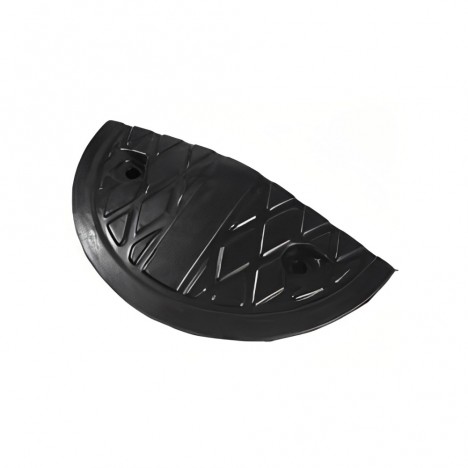
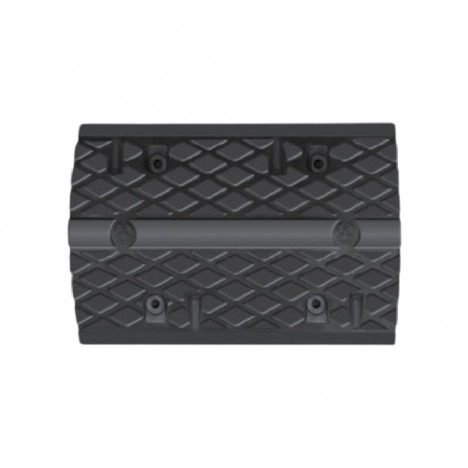
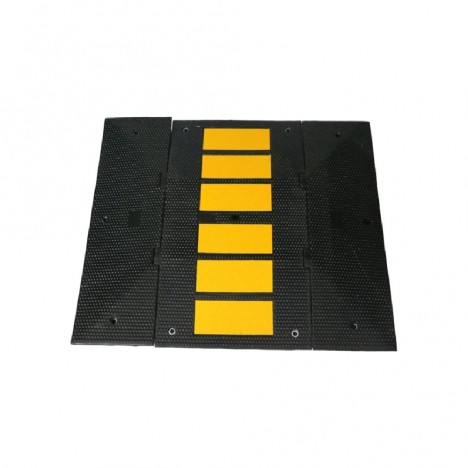
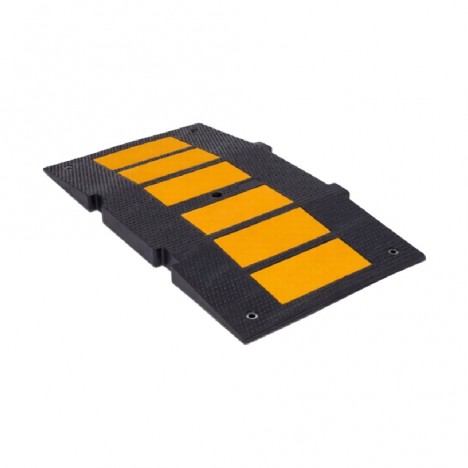
Have you ever wanted to install a "rubber speed bump" in front of your house or in your alley? Because cars drive too fast, you want more safety, or waiting for authorities takes too long, right? Such intentions are commendable, but did you know that installing a rubber speed bump yourself on a public road directly involves the law? If not done through the proper procedures, it might not enhance safety, and you could risk heavy fines or legal liability should an accident occur.
Today, we'll walk you through whether you can install a rubber speed bump yourself, what the law says, and what to do if you want to install one legally, so that the road remains safe without risking trouble later on.
Can you install a "rubber speed bump" yourself? The answer is...
Generally speaking: You cannot install a "rubber speed bump" or any obstacles on a "public road" by yourself.
Why is that? Because public roads are shared spaces used by everyone, and maintenance, care, as well as installing anything on the road are the direct responsibility of the relevant government agencies.
- Public Roads: Refers to roads used by the general public for travel, whether main roads, alleyways, or roads in residential projects that are not private property or maintained by a legal entity.
- Private Areas: If it is your own private property, such as a private parking lot or a driveway inside your home, you can install one. However, you should still choose standardized models and install them properly for the safety of users.

Why is DIY installation "illegal" and dangerous? (Relevant laws)
Installing them yourself Rubber Speed Bumps on a public road without permission is actually an offense under multiple laws.
1. Illegal because it constitutes an "obstruction of traffic"
- Highway Act, B.E. 2535 (1992), Section 38: Clearly states that "No person shall construct, add to, expand, or modify any building or any other thing within the highway boundary..." which includes constructing obstacles such as rubber speed humps or concrete speed bumps.
- Land Traffic Act, B.E. 2522 (1979), Section 114: Also states that "No person shall place, erect, project, or hang anything that obstructs traffic," whether on a public road or roadside shoulder.
2. Violates "cleanliness and public order" laws
- Maintenance of the Cleanliness and Orderliness of the Country Act, B.E. 2535 (1992), Section 19: States that "No person shall set up, place, or hang anything in a public place," which includes roads as well.
3. Who has the authority to install them?
Those who have the authority to install speed humps on public roads are the government agencies responsible for those specific roads, which vary depending on the road category:
- Department of Highways: Oversees national highways (main interprovincial routes)
- Department of Rural Roads: Oversees rural roads
- Provincial Administrative Organizations (PAO) / Municipalities / Subdistrict Administrative Organizations (SAO): Oversee roads within their respective local jurisdictions
- Bangkok Metropolitan Administration (BMA): Responsible for roads within the Bangkok area
These agencies are the ones who hold the authority to consider, approve, and carry out installations Rubber Speed Bumps To ensure they meet proper and safe standards
4. Liability in the Event of an Accident: A Major Issue to Beware Of!
This is the most critical and dangerous part. If you install Rubber Speed Bumps it yourself on a public road without permission and an accident occurs because of that Rubber Speed Bumps speed bump, the person who installed it may face legal liability both civil (compensating for damages) and criminal (potentially leading to imprisonment), which is a very serious matter.

What Kind of "Rubber Speed Bump" Is Considered Substandard? (Dangers from DIY Projects)
Most Rubber Speed Bumps DIY or unauthorized installations tend to be substandard and create hazards.
- Too high or too steep: Not designed according to engineering principles, causing vehicles to hit hard with risks of undercarriage damage, blown tires, or loss of control.
- Rigid and lacking shock-absorbing properties: Especially hard concrete speed bumps that lack elasticity, causing vehicles to absorb the full force of the impact.
- Invisible / No warning signs: Lacking paint, reflective strips, or warning signs, making it invisible to drivers—especially at night or in the rain—risking high-speed collisions.
- Poor installation / Damaged: Poorly anchored, detached from the ground, broken, or placed unevenly, which can cause vehicles to lose control or suffer damage.
- Obstructing drainage paths: Causes water to pool on the road, which is another cause of accidents.
So what should you do if you want a "speed bump"? (The proper way)
If you want speed bumps installed for safety in your area, the most proper and safe way is to submit a formal request.
1. On public roads (general community roads)
- Contact local authorities: You can directly submit a request for speed bump installation consideration to the local authority responsible for that road, such as the District Office (in Bangkok) or the Municipality / Subdistrict Administrative Organization (TAO/OrBorTor) in upcountry areas.
- Prepare information: Explain the necessity and urgency of the installation, such as high foot traffic of children and the elderly, frequent accidents, or the presence of schools or daycare centers nearby.
- Propose installation according to standards: Clarify that you want the installed speed bumps to meet the standards set by government agencies for maximum safety.
2. On private property (private parking lots, roads in gated housing estates with a juristic person)
- Consult the property owner/juristic person: If it is your own property or a common area of a housing estate managed by a juristic person, you can consult with them and proceed with the installation.
- Choose standardized models: Even on private property, you should choose standardized speed bumps (such as rubber types with suitable height and slope, and reflective strips) and install them properly for the safety of users.

Following the rules is always safer!
Mounting / Installation a "rubber speed bump" Installing them yourself on public roads cannot be done and is illegal. Furthermore, it can create hazards and huge legal liabilities for the installer.
If you want an installation, Rubber Speed Bumps For genuine safety, the correct and safest method is to submit a request to the responsible government agency to review and carry out installation according to proper standards. Following the law and correct procedures will help ensure our roads are safe for everyone, without you having to worry about legal issues later on.