


 EN
 ไทย


Customers Also Purchased
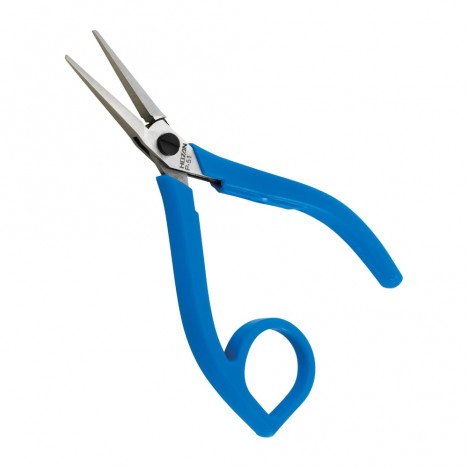
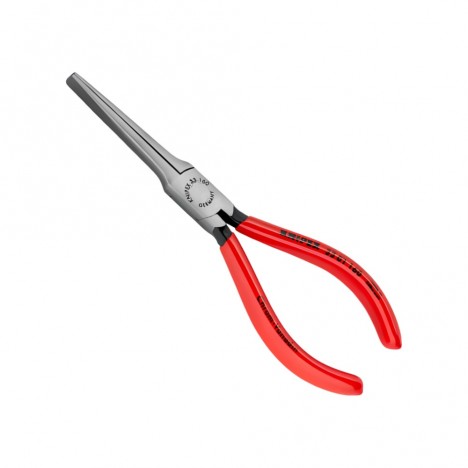
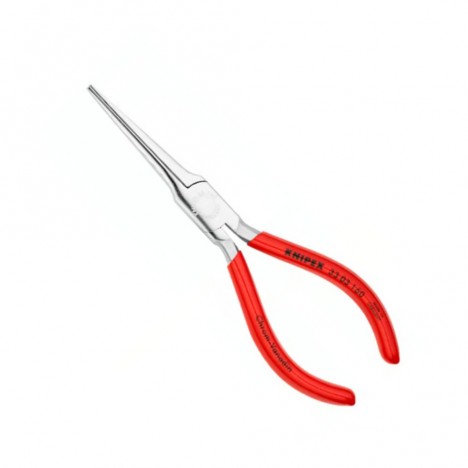

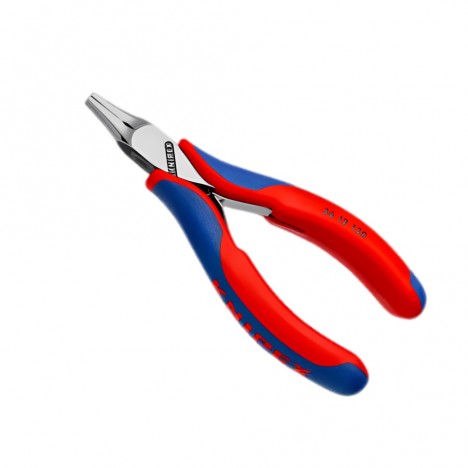
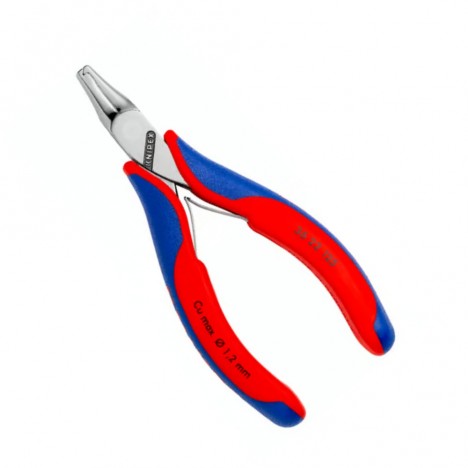
Long Nose Pliers This is a versatile hand tool familiar to many, whether professional tradespeople or DIY enthusiasts. It is easy to use, reaches well into tight spaces, and is ideal for detailed work such as electrical tasks, automotive repairs, or even small home decorating projects. Believe it or not, despite seeming like a basic tool, many people often use it incorrectly—leading to twisted jaws, loose joints, inability to grip workpieces, or unexpected premature failure.
Getting to Know Needle Nose Pliers
General Characteristics of Needle Nose Pliers
- Long, Slender, and Tapered Tip: This can be considered the standout feature of needle nose pliers. The slender tip allows you to easily slip into small crevices, making bending small wires or retrieving items from deep places exceptionally smooth.
- Long Handles for Good Leverage: The long handles help you exert more force without needing to squeeze so hard that your hand gets tired. This improves grip control and reduces hand fatigue during extended use.
- Some models also feature high-voltage insulated grips, which are ideal for anyone working with electricity or repairing wiring at home. They provide a level of protection against electric shock—especially models that meet VDE or IEC standards, giving you much greater peace of mind while working.
- The inner surfaces of the jaws feature fine, serrated grooves designed to grip materials more firmly—whether wires, cables, or small components. When you clamp something, it won't easily slip away like it would with bare hands. It's a small design detail that dramatically enhances confidence during use.

What Applications Are Needle Nose Pliers Used For?
- Electrical Installation or Electrician Work: Anyone who has ever had to guide wires into electrical enclosures or areas out of reach for bare hands knows needle nose pliers are the top helper. They allow precise gripping and easy handling without risking electric shock or accidentally disturbing other wires.
- Electronics and Circuit Board Repair: If you enjoy repairing circuit boards or assembling small electronic devices like Arduino boards, LED lights, or various modules, needle nose pliers are an indispensable asset. They can precisely clamp tiny wires or micro-components, helping you work with much greater detail while reducing the risk of errors or damaging parts.
- Jewelry Making or DIY Crafts: For those who love crafting small, delicate items—whether bracelets, necklaces, or handmade home decor—needle nose pliers are a trusted companion. They make gripping small jump rings or twisting wire much easier without straining your hands, while offering pinpoint directional control.
- Automotive Work Requiring Tight Space Access: Anyone who has tried reaching into an engine bay to grab or pull a cable knows it isn't as easy as it sounds. Spaces are often so cramped you can barely insert a finger. This is where needle nose pliers come to the rescue! Whether gripping wire terminals, repositioning small hoses, or pulling cables from tight spots, this tool makes hard tasks remarkably simple.
Common Problems Caused by Misusing Needle Nose Pliers
Twisted or Misaligned Jaws
The primary cause inevitably comes down to using the tool for the wrong application. Examples include gripping extremely hard materials like thick steel wire and twisting with maximum force, or using the pliers in place of a screwdriver to casually tighten bolts. Not only does this perform poorly, but it also causes the jaws to twist or fall out of alignment much faster. This is truly tool failure caused by using the wrong tool for the job.
Premature Tool Failure, Loose Handles, or Rusting
Many people may have experienced this without realizing it. Using pliers in damp environments—such as keeping them in a toolbox exposed to rain or storing them in a poorly ventilated garage—combined with choosing low-grade pliers or never lubricating them, causes them to deteriorate quickly, rust, and have their handle grips loosen prematurely. It is simply not worth it.
Unable to grip materials securely or slipping from hands
Sometimes the pliers might be a bit too slippery or lack serrations on the tips to help hold items firmly. Combined with a hand grip that might not match the size of the pliers—such as using oversized pliers with small hands, or small pliers for tasks requiring heavy squeezing force—the item can easily slip right out.
Techniques for Using Long Nose Pliers Safely and Extending Their Lifespan
Choose the Right Long Nose Pliers for the Job
Length of Long Nose Pliers
- 5–6 inch pliers: Ideal for high-precision work, such as electronics or assembling small components. If you have ever needed to grip tiny wires or electronic component leads in tight spaces, this size is the perfect solution. Easy to carry, lightweight, and reduces hand fatigue, making it suitable for both beginners and detail-oriented pros.
- 7–8 inch pliers: Considered a medium size, perfect for general-purpose tasks. Whether working on home electrical systems or gripping various wires, they are extremely convenient to use. The length is well balanced—not too short to grip comfortably, yet not too long to be clumsy. For anyone looking for a versatile pair of pliers for their toolbox, this size is the answer.
Tip Shapes of Long Nose Pliers
- Straight tip: Ideal for general tasks. Whether gripping workpieces straight on, picking up wires, or pulling items along a flat plane, it is convenient, agile, and easy to use. Suitable for both household tasks and minor repairs that do not require working around angles.
- Bent tip: Perfect for reaching into tight corners or angles where straight pliers cannot reach, such as inside electrical junction boxes or deep engine compartments. When gripping wires or twisting cables at awkward angles, having bent nose pliers in your toolbox makes work easier without having to painfully twist your wrist, helping to protect your hands in the process.
- Long needle nose tip: Ideal for tasks requiring deep reach into spaces where standard pliers cannot fit, such as behind circuit boards or under car seats. Even when your hands cannot reach in, these long needle nose pliers help you grab, hold, or extract items without having to disassemble anything unnecessarily. Extremely convenient and effortless.

Do Not Misuse Long Nose Pliers
- Prying hard objects (risk of bending): Never use long nose pliers as a crowbar or prying tool. The tips are not designed to withstand heavy prying forces; a single twist could bend them permanently.
- Twisting thick wire (risk of breaking the jaws): If a wire is too thick and requires maximum twisting effort, it is better to reach for a different tool. Forcing long nose pliers might result in a snap, and you will certainly have to buy a replacement.
- Cutting thick wire (use dedicated cutters): Many people accidentally use long nose pliers to cut thick wire simply out of convenience. However, the cutting edges can easily wear down or chip. It is not worth it; reaching for dedicated wire cutters is much better and safer for both the tool and the user.
Hold Long Nose Pliers Correctly
- Grip the middle of the handles, not too close to the ends: Many people tend to grip too close to the handle ends thinking it gives better control. In reality, this prevents even distribution of squeezing force and leads to faster hand fatigue. Gripping comfortably in the middle of the handles is best.
- Place thumb on one side and wrap remaining fingers firmly on the other: This grip is similar to holding a pen or using chopsticks. It helps you control force effectively and grip items more securely without exerting excessive effort.
- Maintain a firm grip without squeezing too hard to avoid fatigue: Squeeze just enough—no need to clench with full fist force! Over-squeezing will not only damage the pliers, but your hand will also tire out much faster. Just use enough pressure to hold the workpiece securely.
Do not squeeze too hard
Long-nose pliers are designed for gripping small materials such as fine wires or thin cables. Therefore, if you squeeze too hard, not only can the pliers become deformed or bent, but the material you are gripping might also be damaged or ruined, such as torn wires or distorted wire loops. It is recommended to use just enough force to hold the item securely—there is no need to exert force like you're pulling a wrench!
Regularly inspect the condition of your long-nose pliers
- Are the jaws still straight and flush against each other? Try grabbing your long-nose pliers and squeezing them once or twice. If the tips do not align flush or if there is a small gap where thin objects can slip through, it means the pliers are starting to develop issues. Using them in this state may result in items not being held securely or slipping out easily. It is safest to replace or adjust them properly before use.
- Are the handles loose or cracked? Try inspecting the handles carefully. If you find that the grips are beginning to loosen, wobble, or show hairline cracks, it is advised not to force their use. Continuing to use them can be dangerous; for example, a handle could snap in the middle of squeezing, or you might not be able to apply force properly, risking mistakes that could ruin both the pliers and the workpiece being repaired.
- Is the opening and closing mechanism smooth or stiff? Try moving the long-nose pliers to see if they open and close smoothly. If they feel stiff, sticky, or do not open fully, it is recommended to apply a little lubricating oil to the pivot joint or wipe away any accumulated dust. An overly stiff mechanism can cause hand fatigue or result in uneven squeezing pressure during use.
Clean and lubricate regularly
- Wipe off oil stains and grime after use: Every time you finish using them, take a clean cloth to wipe off oil residues and dust. Do not let dirt accumulate, as these residues can corrode the steel and make the pliers deteriorate quickly.
- Apply a little lubricating oil to the pivot joint: Add a drop or two of machine oil to the plier joint and work it back and forth. This will make the pliers much smoother to operate and help extend their lifespan considerably.
- Store in a dry place away from water and moisture: Never leave pliers in damp areas or expose them to rain by accident, as rust can form unnoticed. Storing them in a toolbox or hanging them in a dry place is the safest option.
Conclusion
- Start by choosing long-nose pliers suited to the type of work and material size.
- Use long-nose pliers properly and do not use them in place of other tools.
- Grip the pliers firmly without overtightening or twisting at risky angles.
- Maintain long-nose pliers by cleaning them and checking for damage regularly.
- Use insulated long-nose pliers when working with electricity.