


 EN
 ไทย


Customers Also Purchased
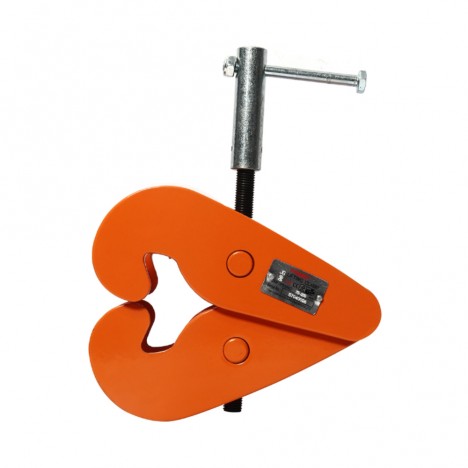
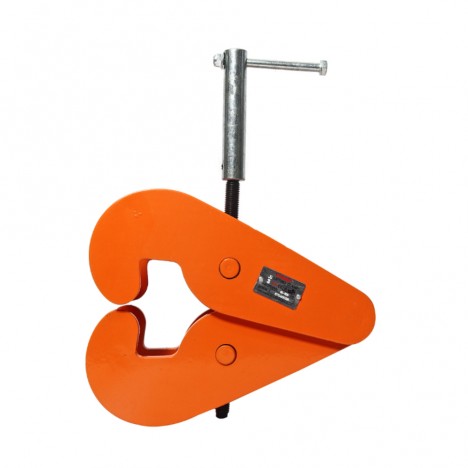
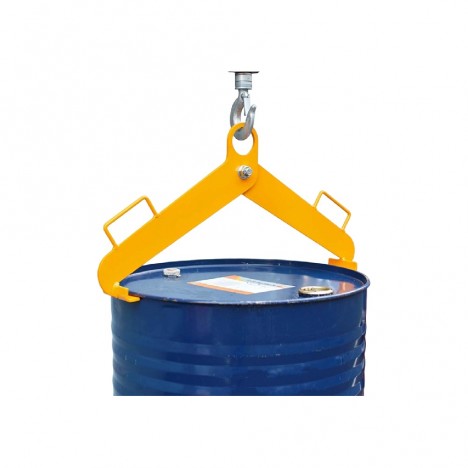
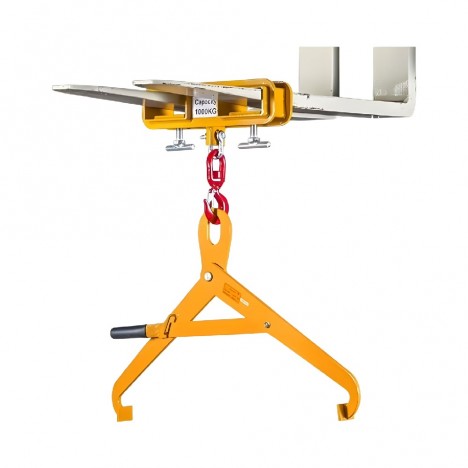
Have you ever seen how large steel plates, heavy steel beams, or massive steel structures are transported? These items are not only heavy, but also extremely dangerous to lift without the proper equipment. That is precisely the role of an essential tool known as "Lifting Clamp"
Lifting clamps don't come in just one design, nor are they one-size-fits-all for every type of steel. There are numerous types, each engineered for specific applications. Using the wrong type or not knowing how to operate them correctly can cause steel to slip and fall, leading to damage or severe accidents.
Today, we're doing a "deep dive" into lifting clamps. We'll introduce you to commonly used types, explore the tasks each is best suited for, explain how to select the right one, and cover essential rules you must keep in mind to ensure your steel lifting operations are safe, worry-free, and as efficient as possible.
What is a "Steel Lifting Clamp" and Why is It Important?
To put it simply, a steel lifting clamp is a specialized device designed to grip and secure steel—whether it's steel plates, beams, steel pipes, or various steel structures—so they can be lifted up and down or moved steadily and safely using cranes, hoists, or other lifting machinery.
It is a vital link because it allows us to precisely grip immensely heavy steel workpieces without having to wrap chains or wire ropes directly around them, which could potentially damage the workpiece or result in inadequate stability.

3 Key Things to Check Before Buying a "Steel Lifting Clamp"
When choosing to buy a steel lifting clamp, there are 3 main factors you should carefully consider:
1. Working Load Limit (WLL): How much weight can it hold?
This is the very first and most critical factor you need to check. The Working Load Limit (WLL) is the maximum weight that the steel lifting clamp can safely lift, as specified by the manufacturer.
- Never exceed the rated capacity: Always keep firmly in mind that you must strictly avoid lifting loads that exceed the clamp's capacity. Doing so could cause the clamp to be damaged, deformed, or broken, which can lead to the suspended steel load dropping and causing serious hazards.
- Calculate the weight carefully: Before operation, you must determine with certainty how much the steel being lifted weighs. Then, select a clamp with a capacity at least 20-30% higher than the steel's weight to provide an adequate Safety Factor.
2. Jaw Type: Which type of steel is it suitable for?
Steel lifting clamps come with a wide variety of jaw designs. Each type is engineered to grip steel with specific shapes and lifting configurations. Here are the commonly used types:
2.1 Vertical Plate Clamps
Jaw characteristics: Features sharp, serrated gripping teeth with a spring lock on one side.
How to use: Used for gripping steel plates vertically—such as lifting steel plates off the ground upright or turning plates from horizontal to vertical.
Suitable for:
- Lifting steel plates vertically up and down
- Turning steel plates from horizontal to vertical
- Transporting steel plates vertically
Things to know:
- Some models feature an automatic locking mechanism where the jaws clamp down tighter as the load increases.
- Ensure that the clamp's teeth remain sharp and in good condition to achieve optimal grip.
- Do not perform angular lifting beyond the manufacturer's specified limits, as this may damage the clamp.
- The grip range for the thickness of the steel plate is usually specified; it must be selected to match the thickness of the steel.
2.2 Horizontal Plate Clamps
Jaw characteristics: The jaws are relatively flat and are usually used in pairs or sets (2-4 units) to distribute weight.
How to use: Used for gripping steel plates horizontally to lift or transport them horizontally.
Suitable for:
- Lifting steel plates off a stack horizontally
- Transporting steel plates horizontally
Things to know:
- Should always be used in pairs or sets for good balance and even weight distribution.
- Ensure that the steel is securely gripped before starting the lift.
2.3 Beam Clamps / Girder Clamps
Jaw characteristics: Designed to securely clamp onto the flanges of steel beams (I-Beam, H-Beam).
How to use: Clamp onto the flange of the steel beam, then use a hoist or crane to lift the beam.
Suitable for:
- Lifting and moving all types of steel beams (I-Beam, H-Beam, L-Beam)
- Used for installing steel beams in structures
Things to know:
- Must select a clamp size suitable for the flange width of the steel beam.
- Always ensure the clamp is fully engaged with the beam before lifting.
2.4 Pipe Clamps
Jaw characteristics: Curved or U-shaped design to securely cradle the steel pipe.
How to use: Wrap around the steel pipe, then use a hoist or crane to lift.
Suitable for:
- Lifting and moving large and long steel pipes
- Installing steel pipes in various systems
Things to know:
- The clamp size must be selected to match the pipe diameter.
- Some models may include rubber pads to prevent scratches on the pipe surface.

3. Quality, Materials, and Standards: For Maximum Safety
Investing in steel lifting clamps is definitely not an area where you should overlook quality, as it directly involves safety.
- Material: Should be made of high-quality alloy steel with exceptional strength and durability, not easily bending or cracking under heavy loads.
- Safety Standards: You should choose steel lifting clamps manufactured to international standards such as EN 13155 (European standard for lifting attachments), ASME B30.20 (American standard for below-the-hook lifting devices), or other recognized standards. Having CE markings or quality certificates will provide greater confidence.
- Proof Load Testing: Quality steel lifting clamps typically undergo factory proof load testing to verify their strength and safety.
Other Important Things to Know for Using "Steel Lifting Clamps" Efficiently and with Maximum Safety
In addition to the 3 main points mentioned above, here are other critical things you must keep in mind before and during the use of steel lifting clamps.
- Inspect Before Every Use: Before each use, you must thoroughly inspect the condition of the clamp.
- Check for any cracks, chips, bends, or damage.
- Check that the gripping jaw teeth are still sharp and in good condition, without wear or chipping.
- Test the locking mechanism or spring to ensure it still functions properly and remains strong.
- If any abnormality is found, even minor, do not use it under any circumstances.
- Use Correctly According to the Manual: Each model and type of steel lifting clamp has a clear user manual. You must read and understand the correct operating procedures as well as the limitations specified by the manufacturer.
- Avoid Shock Loading: Rapid or jerky lifting and lowering can overload the clamp and potentially cause the steel to slip out. Always lift and lower loads smoothly and in a controlled manner.
- Mind the Lifting Angle: For vertical plate clamps, some models may have lifting angle limits. Do not lift steel at an incline angle exceeding the specified limit, as this will exert forces in an improper direction and may cause damage.
- Never Modify: You should never attempt to modify, repair, or weld additional reinforcement onto steel lifting clamps yourself, as this can alter the material properties and make it unsafe to use.
- Store Properly: After use, clean the clamp and store it in a dry place away from moisture and chemicals to extend its service life.

Choose the Right "Lifting Clamp" for Safe Heavy-Duty Work
Lifting Clamps It is an essential piece of equipment for lifting and moving all types of steel. Selecting a clamp suitable for the steel's weight and type, as well as understanding the jaw types and key operational tips, is of utmost priority.
Investing in high-quality, standardized steel lifting clamps and using them correctly will help your work run smoothly, efficiently, and most importantly, stay safe from severe accidents that may occur. Do not overlook the importance of this tool, ensuring every lift is safe and worry-free.