


 EN
 ไทย


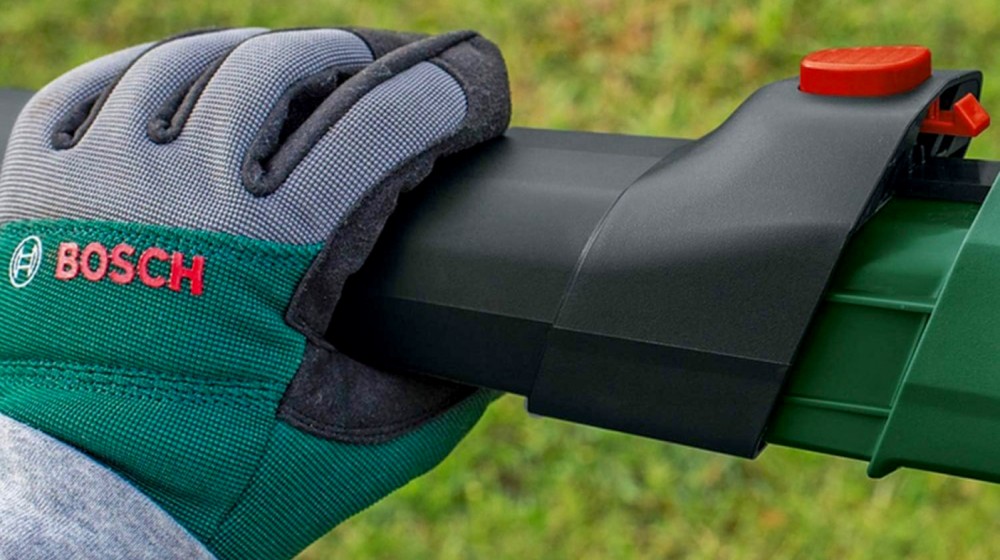
Customers Also Purchased


Work gloves are essential gear that every technician should have—whether you're an electrician, mechanic, carpenter, welder, or general handyman—because our hands are the first line of defense directly exposed to risks, whether it's heat, sharp metal shavings, or even engine oil. Many people might think that just wearing any gloves is enough, but the truth is: if you choose the wrong type, not only will they fail to protect you, but they can also increase risks—such as slipping, losing grip, or worse, leading straight to injuries.
In this article, we'll take you through Safety Gloves each type in an easy-to-understand way: which jobs they work best for, what happens if you accidentally use the wrong ones, along with pro tips on choosing the right gloves for your work like a true professional!
What are work gloves and what do they do?
Work gloves are like armor for our hands; they are personal protective equipment (PPE) specifically designed to keep our hands safe from various hazards encountered on the job.
- Heat – like working with freshly welded steel or metal straight from a furnace
- Cold – jobs that require being in cold storage or frequently facing extreme cold
- Chemicals – such as acid cleaners, oils, or corrosive liquids
- Electricity – wiring and circuit work that requires specialized gloves to prevent electric shock
- Cuts, punctures, and abrasions – like cutting steel, sawing wood, or handling sharp workpieces
- Impact – work where heavy objects could fall on hands or heavy tools might drop and strike
Provides a better grip on tools
Some types of work gloves aren't just meant to be worn passively; they feature specially enhanced surfaces, such as PU or latex rubber coatings, so when holding screwdrivers, wrenches, or various equipment, your hands won't easily slip. This helps you grip tools with confidence and also reduces the chance of dropping items on your feet or damaging workpieces.
How many types of work gloves are there, and what jobs are they suitable for?
General Work Gloves
Sometimes called "multipurpose gloves" because they are so versatile. They are suitable for light-duty tasks such as general maintenance, parts assembly, or even warehouse packing. These gloves are comfortable, flexible, and breathable. They come in various materials, such as PU-coated fabric that prevents slipping, or snug-fitting latex that is convenient to use—ideal for tasks that don't involve severe sharp objects.
Cut Resistant Gloves
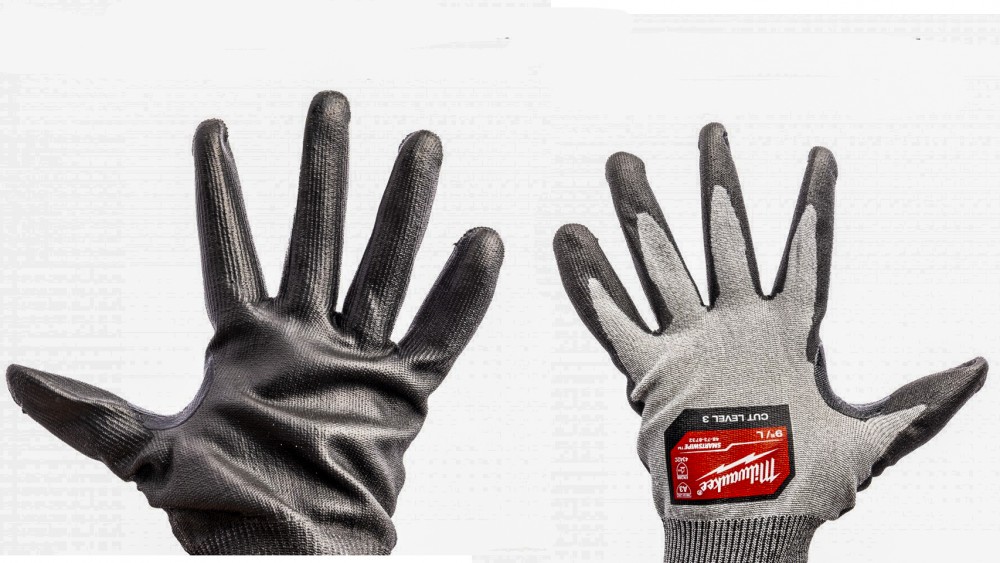
Suitable for tasks that require frequently handling or contacting sharp objects such as knives, saw blades, or metal scraps that can easily cause cuts. These gloves are designed to offer excellent cut resistance, usually made from extra-strong materials like HPPE, fiberglass, or Kevlar. Anyone who regularly works with sharp workpieces will find these gloves to be a trusted companion.
Impact Resistant Gloves
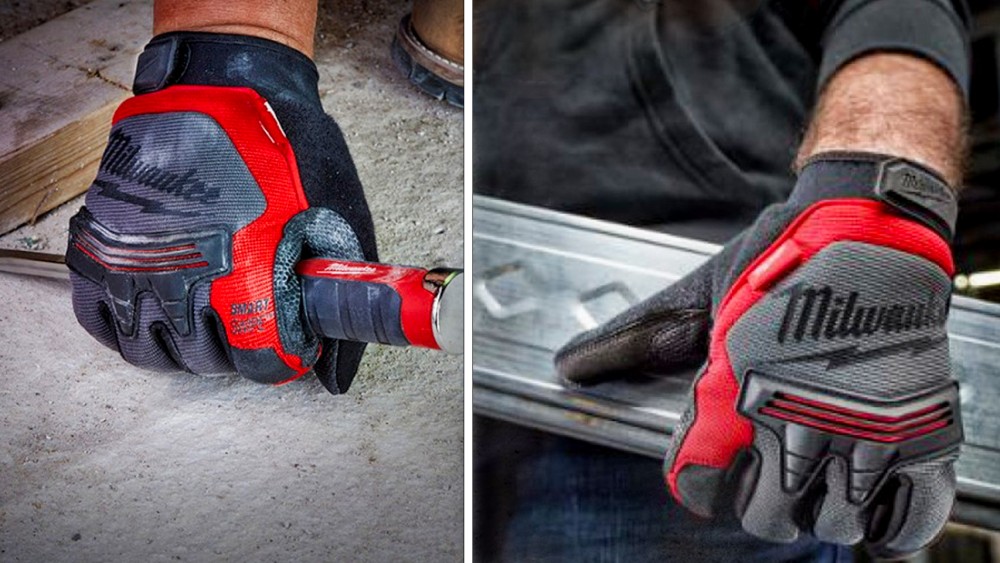
These gloves are commonly seen in automotive mechanic work or construction, where heavy objects are handled all the time. The gloves feature impact-absorbing pads on the knuckles and the back of the hand. When a hammer accidentally misses, or tools and materials are dropped, they absorb much of the shock, significantly reducing accidental hand injuries. Ideal for rugged tradespeople working with heavy tools every day.
Heat Resistant Gloves
These gloves are ideal for work involving fire or extreme heat, such as welding, metal casting, or working near furnaces and open flames. Using general-purpose gloves could cause them to melt onto your hands. Therefore, you must choose gloves with dedicated heat-resistant layers, often made of genuine leather or non-flammable materials, to ensure your hands won't get scalded or burned during such heavy-duty tasks.
Electrical Gloves
An absolute must for electricians, because electrical work is no joke. Choosing the wrong gloves can be life-altering. The gloves used must be specialized and certified to international safety standards, such as ASTM or IEC. This guarantees that if you accidentally touch live wires or active circuits, they will genuinely protect you against electric shock—not just dust and scratches.
Chemical Resistant Gloves
These gloves are suitable for work involving liquids where just a single drop can severely damage your hands, whether strong acids, concentrated bases, or engine oils. Using the wrong glove type will definitely lead to trouble. Gloves used for these chemicals must be made from materials like nitrile rubber, PVC, or butyl, as they offer great corrosion resistance. Anyone working in this field should always keep a pair on hand.
Hazards That Can Occur from Using the Wrong Type of Work Gloves
Cut-resistant gloves that are not heat-resistant: Blistered hands from welding
Some people assume that wearing cut-resistant gloves is enough to be safe, so they grab them for welding work, thinking that avoiding sharp edges is all that matters. But they overlook the intense heat from welding. In the end, gloves that aren't heat-resistant melt right onto the skin! What was supposed to be a safe task ends up causing painful injuries. Don't assume any glove will do just because you're wearing one; if it doesn't match the job, it can unknowingly become a hazard.
General rubber gloves used for electrical work: Electric shock hazard
Ordinary rubber might be waterproof, but that doesn't mean it insulates against electricity. Many people mistakenly grab standard dishwashing gloves for electrical tasks, assuming it's fine. In the end, they face a severe risk of electric shock if the gloves lack the required safety certifications. Using the wrong type of glove for electrical work is extremely dangerous—never be careless!
Work gloves that are too thick for precision work: Inaccurate tool handling
For tasks like tightening tiny screws or assembling electronic circuits, high precision is required. If the gloves you wear are too thick, your hand movements become clumsy, feeling bulky and awkward to grip, which can easily lead to mistakes—just like trying to hold a screwdriver with stiff, unresponsive fingers.
Non-oil-resistant gloves: Slippery hands, dropping tools on oneself
When repairing engines, who hasn't experienced hands covered in oil making it impossible to grip anything? That is exactly why you need oil-resistant gloves with anti-slip grip. If hands are slippery, tools can easily slip out, and if you're unlucky, dropping them onto your body or feet means unnecessary injuries. Always choose gloves suited to your work conditions—it's far better than regretting it later.
How to Choose the Right Work Gloves for Your Job
Start by identifying the type of work
For example, for jobs involving fire or hot metal like welding, the gloves used must be specifically heat-resistant. Don't just grab a pair of cloth gloves hoping they will do the trick, because if something goes wrong, instead of protecting you, they will end up causing you injuries.
Check safety standards
Good gloves aren't just about looking cool; they should also meet reliable safety standards, such as EN388 for cut resistance, ASTM for electrical work, or EN407 for heat resistance. Simply put, if these symbols are on the packaging, you can be confident that they have been tested and aren't just meant for light scratch protection.
The size must fit your hands properly
Gloves that are too big are like wearing an XL shirt when you wear a size M; they are loose, slip off easily, and make handling anything awkward. On the other hand, if they are too small, it's like wearing children's gloves—so tight that your hands swell, blood circulation is cut off, and they feel completely uncomfortable. How could anyone work with agility like that, right? Therefore, the size must fit properly; they should be snug yet allow your fingers to move freely to really work well.
Choose materials suitable for the risks
- Cut hazards: If your work involves using utility knives, cutting metal, or frequently handling sharp objects, you must choose gloves made from HPPE or Kevlar. These materials resist sharp edges well and certainly won't tear easily.
- Oily work: If your job frequently involves handling engines or parts stained with oil, nitrile gloves are recommended because they are non-slip, do not absorb oil, and help you grip tools with much more confidence.
- Electrical work: If your work involves wiring or there is a risk of contact with electricity, you must use special rubber gloves tested to safety standards; otherwise, there is a very high risk of electric shock.
Consider durability and value for money
You don't necessarily have to buy the most expensive gloves in the store, because good quality doesn't always have to come with a high price tag. Look for reusable models that don't tear easily and have a longer lifespan. This offers much better value, is genuinely functional, and saves money in the long run.
Are cheap work gloves really always unsafe?
Don't assume that cheap items are always bad. Nowadays, many brands make budget-friendly gloves that actually offer great quality. If you choose the right type for the job and check the specifications carefully before buying, you can get a great product without overpaying, while still enjoying complete safety.
> Safety Gloves Good gloves aren't about buying expensive ones, but choosing the right ones for the job