


 EN
 ไทย


Customers Also Purchased
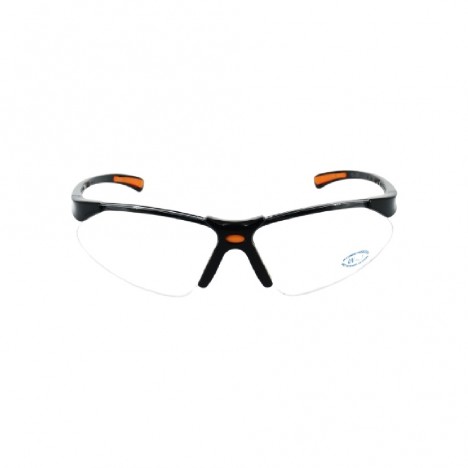
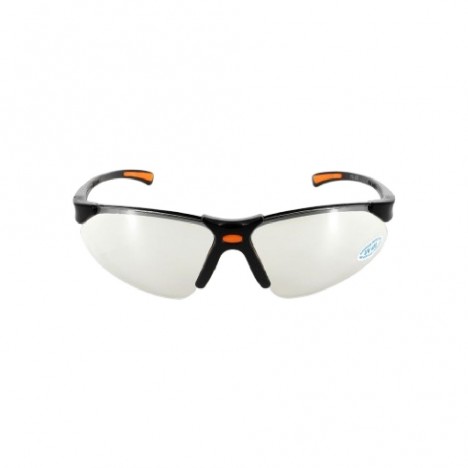
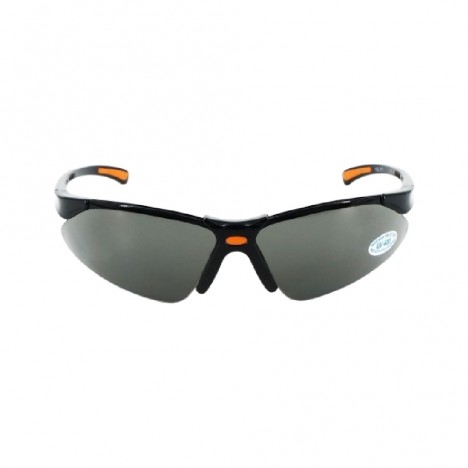
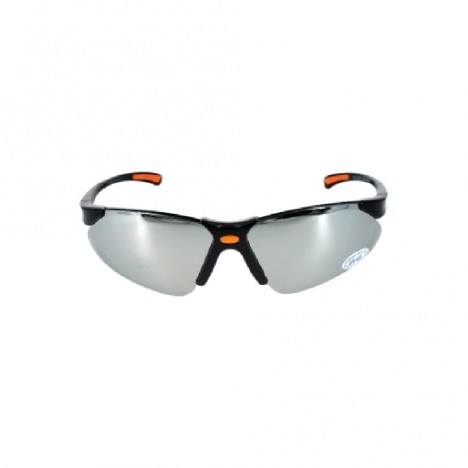
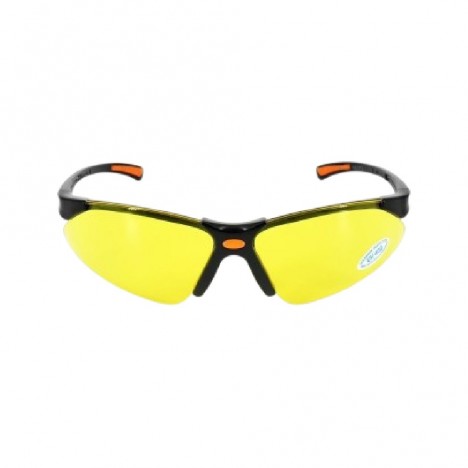

Many people who have had to wear safety glasses Safety Glasses Anyone who wears them all day probably knows well that wearing for safety and wearing without getting a headache are two completely different things, right? Sometimes glasses that offer top-notch protection can, after being worn for a while, cause throbbing temples, pinch your ears, or slip off with just a slight movement—breaking your focus and making you want to take them off all day long!
In this article, we'll take you through what to look for before buying if you want to wear safety glasses for extended periods all day without suffering. We can tell you it's not difficult at all, and knowing these techniques before choosing will help you get safety glasses that are comfortable, safe, and keep you working smoothly all day long without any more headaches!
Why is wearing safety glasses without getting a headache so important?
Anyone who has to wear safety glasses all day—especially those working in factories, auto repair shops, construction sites, or jobs exposed to dust, fumes, debris, or various chemicals—knows well that wearing safety glasses constantly is no easy task. Particularly when the glasses aren't ergonomically designed for our head shape, or when prolonged wear leads to headaches, ear pain, or eye fatigue. Safety glasses that are genuinely good don't just protect against hazards; they must also be "painless" to wear, allowing us to work continuously, maintain focus, and feel safe throughout the day. If you choose poorly, problems will follow:
- Temple pain caused by temples that squeeze too tightly. You might not feel it right away, but wearing them all day causes pain so intense you just want to take them off.
- Ear pain caused by rigid temples pressing behind the ears, which can even leave some people with red marks or bruises.
- Loose glasses that slip off frequently, requiring constant readjustment—making work difficult and frustrating.
- Blurred vision caused by low-quality lenses; wearing them for extended periods feels like looking through a cloudy film, causing unnoticed eye strain.
- Eye irritation and headaches caused by intense glare reflecting into the eyes, especially for those working outdoors in the sun or in factories with harsh lighting.

What to look for before buying safety glasses for all-day wear
1. Weight of the safety glasses
Lightweight glasses help reduce pressure on the bridge of the nose and temples, leaving you without the feeling of extra weight dragging on your face. Anyone who has ever worn heavy glasses all day and suffered from a tired head or a sore nose will understand how great lightweight frames are. However, be cautious not to choose glasses that are so light they become flimsy, as they might be brittle or break easily, compromising safety during heavy-duty work.
2. Temple and frame materials
The temple material should be flexible, such as TPE or rubberized plastic, as this prevents the temples from being too rigid and pinching your temples or ears, making them much more comfortable to wear. Even better are materials with a soft-touch texture, like silicone or matte-finish plastic, which won't chafe your skin or cause burning and irritation during long hours of wear like conventional hard frames. Additionally, they help prevent the glasses from slipping off easily.
3. Lens clarity and protective coatings
The lenses must provide crisp, clear vision without optical distortion or tricking the eyes, and crucially, they should have no annoying air bubbles. Anyone who has worn glasses with distorted visuals knows how much eye strain it causes. Choosing glasses with UV protection coating is even better, as it shields your eyes from sunlight or bright factory lights. An anti-reflective coating also helps reduce harsh glare, keeping your eyes comfortable and preventing headaches. For anyone frequently exposed to intense light, this truly makes a huge difference.
4. Anti-fog and scratch-resistant lenses
Safety glasses worn all day should feature an anti-fog coating, as many jobs involve transitioning between hot and cold environments—such as technicians moving from air-conditioned rooms out into the heat, or working in steamy areas. Anti-fog glasses eliminate the need for frequent removal and wiping. In addition, an anti-scratch coating is essential to extend their service life.
5. Ergonomic Design
Safety glasses should be designed to fit your face properly—not so loose that you have to keep pushing them up, or so tight that they feel like they are pinching, especially around the nose and temples. Glasses with soft nose pads offer much greater comfort, and adjustable angle temples help provide a snug yet comfortable fit. This lets you wear them for long hours without feeling constant pressure on your face. Easy on the eyes, easy on the head—you might even forget you're wearing them!
6. Ventilation
Some safety glasses models really prioritize comfort by including small ventilation vents to help reduce condensation when worn in hot environments or when stepping out of an air-conditioned room into humid heat. You won't have to worry about fogging up and constantly taking them off to wipe down. They also prevent heat buildup around the eyes, so you won't feel stuffy or get a throbbing headache from heat trapped beneath the lenses. Easy on the eyes and head—anyone who wears them for extended periods knows these small vents are true lifesavers.
7. Choose a Headband Style (For Certain Tasks)
In certain situations, such as tasks requiring constant head movement, looking left and right all day, or jobs where a hard hat must be worn at all times, glasses with a headband can be a huge help. They distribute the glasses' weight instead of pressing only on your temples or ears, while keeping the eyewear securely in place so it won't easily slip off when bending over, looking up, or moving vigorously. Anyone who has had their glasses blown off by strong winds or drop from their face while looking up at work knows that headbands are fantastic!
8. Prescription Eyewear Compatibility (If Applicable)
For those who already wear prescription glasses, don't worry about having to stack two heavy pairs on your head! Nowadays, there are safety glasses designed to be worn comfortably over prescription eyewear (OTG). Alternatively, you can order custom prescription safety lenses directly for your safety glasses. This eliminates the burden of wearing two pairs, preventing heavy head pressure or temple pinching all day. It's convenient, safe, and looks great too.
Choosing Safety Glasses Suited to Your Job Can Also Reduce Headaches
Welding and Heavy Metalworking
- Choose Dark Lenses (Shade 3-5)
- Ideal for those who weld steel, cut metal, or work with bright glare all day, as dark lenses help reduce direct light hitting the eyes. Anyone who has accidentally glanced at a welding arc knows how blinding it is. This shade level helps prevent eye fatigue, burning sensations, and evening headaches when you head home.
- Provides direct protection against glare, eliminating the need to constantly squint or turn away from intense light. It prevents eye fatigue, allowing you to work continuously without frequent breaks.
- Full-coverage wrap-around design protects from all directions. You won't have to worry about sparks or dust flying in from the sides—just like having a miniature shield guarding your eyes at all times.
Woodworking, Grinding, and General Construction
- Use clear, distortion-free lenses that provide a crisp view without causing dizziness. Choose an anti-fog coating for working across fluctuating hot and cold environments, eliminating the need for frequent wipe-downs that disrupt your workflow. An anti-scratch coating is also essential to guard against dust, wood chips, and flying debris, ensuring peace of mind and extending the eyewear's lifespan.
- Lightweight and comfortable to wear, without pressing on the nose or pinching temples. Anyone who has worn heavy glasses all day and suffered headaches knows that lightweight frames are the real deal. Wear them and forget they're even on, letting you focus on your work without constantly adjusting them.
Cold Storage and Air-Conditioned Rooms
- Anti-fog lenses: Anyone working in air-conditioned environments or frequently entering and exiting cold storage knows how frustrating lens fogging can be. It impairs vision and forces you to constantly take them off to wipe them down. Anti-fog lenses ensure a smooth workflow without worrying about cloudy vision, keeping everything crystal clear.
- Flexible temples: Safety glasses should offer comfort in addition to protection. Flexible temples won't pinch your head or hurt your ears; they provide a balanced fit that is neither too tight nor too loose, letting you work smoothly all day with zero distractions.
Outdoor work
- UV-protective lenses: Anyone working outdoors all day knows how intense the tropical sun can be. Having lenses coated with UV protection prevents eye strain and stinging, so you don't go home to painful eyes at night, while also helping delay long-term vision deterioration.
- Excellent anti-glare: Anyone who has worked outdoors and had to squint all day knows how much glare hurts your eyes. If safety glasses can cut glare from the ground or shiny metal, it makes working much more comfortable on the eyes without the eye strain that leads to headaches.
- Sunglasses-like style: The advantage of some safety glasses is a cool design that looks just like regular sunglasses. Wearing them doesn't feel overly "work equipment-like", allowing you to wear them without feeling self-conscious when walking past others outside the job site, or even keeping them on while driving to work. Convenient, safe, and stylish all in one!

Examples of Safety Glasses Models You Can Wear All Day Without Headaches
3M SecureFit 400 Series
- Ultra-lightweight at just 19 grams: You barely feel like you're wearing glasses on your face. Ideal for people who have to wear glasses all day—no heavy feeling, no dragging down, helping reduce fatigue on the nose bridge and temples exceptionally well.
- Temples that distribute pressure and reduce headaches: The standout feature of this model is its temples, designed to be flexible and distribute pressure extremely well without pinching your temples or poking behind your ears like ordinary glasses. Wearing them for long periods doesn't feel uncomfortable or like your head is being squeezed all the time. Anyone who has gotten afternoon headaches from wearing glasses knows this feeling well. With this model, it feels light, relieves tension on your head, and lets you work all day long.
- Clear lenses provide sharp, distortion-free vision, and come with UV-protective coating to care for your eyes, preventing stinging and fatigue when working outdoors or in bright light. They also feature an anti-fog coating—anyone moving in and out between air-conditioned rooms and the heat knows how valuable this feature is, eliminating the need to take them off and wipe them down, so your workflow isn't disrupted.
Choosing good glasses is half the battle won. Choosing Safety Goggles & Glasses good ones isn't just about safety, but also about health, work performance, and comfort all day long. If you make the right choice from the start, a great pair of glasses genuinely reduces headaches, temple pressure, ear pain, and eye strain. Consider the criteria recommended in this article and pick the glasses that are right for your work!