


 EN
 ไทย


Customers Also Purchased



1. Safety shoes are heavy, causing foot fatigue when walking for long periods
- This mostly stems from models with steel toe caps or steel midsole plates. While they offer maximum safety, the noticeable trade-off is added weight.
- External materials engineered to be thick and sturdy for impact absorption are great, but sometimes they make shoes feel so heavy it's like walking with dumbbells strapped to your feet!
- Even a slightly too large or too small shoe size has a huge impact. It can make you feel clumsy and move unnaturally, as if you're wearing someone else's shoes.
Solution
- Try switching to composite toe safety shoes instead of steel caps. They are much lighter than steel models while keeping your feet just as safe—no need to worry about foot protection!
- Look for models that feature Kevlar fiber anti-puncture midsoles instead of rigid steel plates. In addition to being lighter, Kevlar is flexible, so your feet won't feel stiff when walking.
- Most importantly, don't forget to pick the right size for a proper fit, complete with insoles that provide good arch support. When your feet are comfortable from the start, you can tackle your entire workday without worrying about foot pain.
2. Stuffy shoes that cause excessive sweating and odor
- Most safety shoes are made of leather or materials engineered to be waterproof and dustproof. While great for protection, the downside is poor breathability—making feet feel hot and sweaty. Wear them for a while, and odors are bound to develop!
- Some models don't even have ventilation holes or moisture-wicking insoles. Wearing them all day feels like putting your feet through a mini sauna.
Solution
- Choose models with a ventilation system, such as breathable mesh panels or removable, washable insoles. This will let your feet breathe a bit and keep them from getting stuffy and sweating profusely all day.
- Consider shoes made with breathable canvas instead of thick coated leather, as leather can sometimes feel overly stifling, especially when working outdoors under the blazing sun.
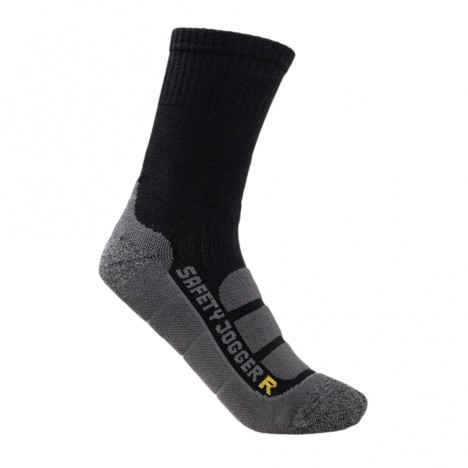
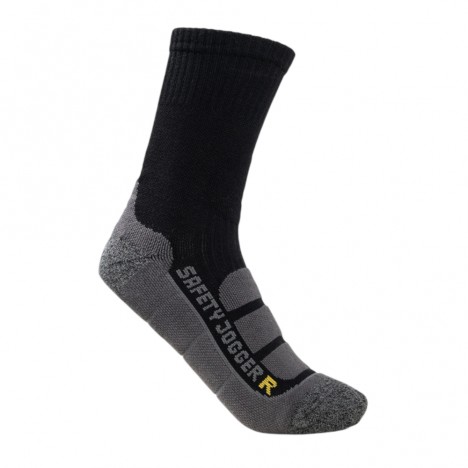
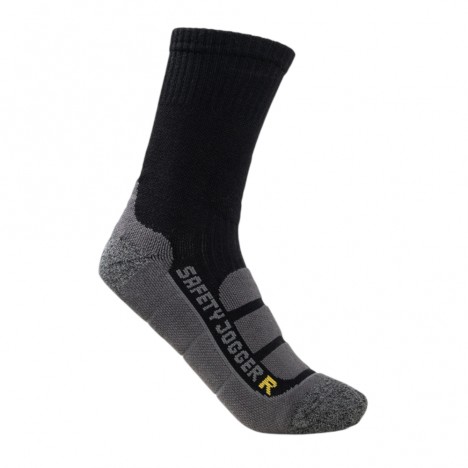
- Another detail that shouldn't be overlooked is your socks! Wear quality socks, like moisture-wicking athletic socks, to help reduce odor and dampness. That way, you won't have to worry about people clearing out when you take your shoes off.
3. Safety shoes pinching, blistered heels, and chafed toes
- Stiff materials around the heel or toe box lack flexibility. When they're brand new, you feel it immediately! The heel in particular is the most notorious hot spot that causes pain until you just have to take them off and rest.
- Many people accidentally choose a size too large out of fear of being too tight, or too small thinking a snug fit is better. As a result, the foot rubs against the shoe edges, causing unexpected chafing and soreness.
- Another point often overlooked is the break-in period—wearing the shoes so they mold to your feet before diving into hard work. Jumping straight into heavy tasks right away can easily catch your feet off guard.
Solution
- Try on shoes so they fit snugly without pinching. Don't assume tighter is always better; sometimes being too tight leads to painful, bruised feet. Be sure to take a few test steps to check that there are no pressure points or strange rubbing sensations.
- If possible, we recommend choosing a model with soft padding around the ankle collar, such as EVA foam or memory foam. It helps absorb pressure on the ankles, keeping them soft, comfortable, and blister-free even after long hours of wear.
- And before putting them through heavy-duty work, try wearing them around the house for 1–2 days. This lets the shoes break in and adjust to the shape of your feet so you won't suffer on the actual job.
4. Slippery outsoles, making it dangerous to work on wet surfaces
- Outsoles that lack tread patterns or deep enough anti-slip grooves might not seem like a big deal at a glance, but walking on wet floors can quickly cause you to slip and nearly fall—especially for anyone frequently working in areas with water or oil spills.
- On top of that, wearing shoes with slick PVC or PU outsoles is a surefire recipe for a slip-and-fall. Walking around commercial kitchens or oily warehouses in them requires constant, extreme caution.
Solution
- Opt for safety shoes with rubber soles featuring deep anti-slip tread grooves, as this type of sole provides exceptional traction so you won't have to worry about slipping and hitting your head on wet surfaces.
- Also check whether the shoes comply with slip resistance standards such as SRC (Slip Resistance Certified). This acts as a reliable guarantee of safety.
- If your work frequently exposes you to water, oil, or chemicals, make sure to pick a model with outsoles specifically designed to resist these substances. You'll gain confidence and be able to walk naturally without tensing up with every step.
5. Safety shoes wearing out fast, loose stitching, and detaching outsoles
- Using cheap shoes that don't meet industrial standards is a common mistake; many assume that just being wearable is enough, but in reality the quality difference is massive. They break down fast, cause injuries sooner, and are simply not worth it.
- The bonding material holding the outsole to the upper isn't durable. Put them through a bit of tough jobsite work and they can peel apart in pieces, completely killing your confidence in wearing them.
- Using them for the wrong application—such as wearing shoes designed for outdoor use in environments with chemicals or extreme heat—will inevitably lead to rapid breakdown and pose serious risks to your feet.
Solution
- Choose models that use Goodyear Welt or Cement Construction, as these methods make the shoes much more durable than standard glue bonding. No matter how rough the terrain, you won't have to worry about the soles coming off during the day.
- Look for shoes certified to standards such as TIS or EN ISO 20345. That's a clear sign they have been tested—giving you peace of mind that they are genuinely safe, not just good-looking.
- Most importantly, choose a model designed specifically for the work you do. For example, if you face rain, they must be waterproof; if you work with chemicals or high heat, choose a model that can handle them. Don't use a single pair of shoes for every field, because ultimately it won't work for every situation.

6. Knee and back pain after wearing safety shoes for long periods
- Hard outsoles with no arch support or shock absorption will make your feet ache terribly over time. Every impact from the ground travels straight up to your knees and back with nothing to absorb the shock.
- Uneven heels or imbalanced sole heights can make walking feel like your legs are different lengths. Over time, this can cause back pain without you realizing it—just like wearing shoes of two different heights.
Solution
- Choose safety shoes with shock-absorbing insoles or built-in arch support. They help cushion the impact on your feet with every step, like having a built-in cushion at all times, allowing you to walk longer without taking frequent breaks.
- Opt for models with an Ergonomic Sole Design that distributes pressure evenly. Walking or standing all day will feel more natural, without strain or tension.
- If your feet still feel fatigued, try adding high-quality replacement insoles, such as gel or memory foam. They'll make the shoes softer, bouncier, and as comfortable as walking on soft cushions all day.
7. Can't find good-looking safety shoes to wear outside of work
- Most safety shoe designs focus heavily on protection, sometimes overlooking aesthetics entirely. Wearing them immediately signals "work shoes"—a look clearly meant for the construction site!
Their overall appearance tends to be bulky and chunky. Wearing them with weekend jeans or a sharp shirt might look a bit mismatched, leaving many feeling less agile or stylish outside of work.
Solution
- Today, there are sporty and street-style safety shoes that are almost indistinguishable from everyday footwear. Some look just like stylish sneakers—you can easily wear them out with friends!
- We recommend choosing versatile neutral colors like black, gray, white, or earth tones. They pair easily with various outfits and don't overtly stand out as safety shoes.
- However, don't forget: no matter how fashionable they look, always ensure the model still meets certified safety standards. That way, you get both style and safety in a single pair.

How to choose the right safety shoes for your work
Warehouse and material handling work
Choose a lightweight model with a strong, impact-resistant safety toe cap. This type of work involves lifting and lots of walking; if the safety shoes are too heavy, fatigue will quickly set in. Still, remember safety comes first—they must protect against falling objects.
They should feature slip-resistant and puncture-resistant soles. In warehouses or loading docks, floors are often slippery or littered with sharp debris that hurts to step on. Good shoes will give you confidence and peace of mind with every step.
Outdoor construction work
You should choose high-cut models because when walking on rough terrain or climbing up and down frequently, ankles can be easily injured. Having safety shoes that cover the ankle will help lock the ankle in place, greatly reducing the risk of sprains.
In addition, safety shoes should be waterproof, dustproof, and equipped with a puncture-resistant midsole plate, as construction sites often have rain, dirt, mud, and sharp debris everywhere. Models specifically designed to handle these conditions will allow you to work with peace of mind without worrying about getting your feet wet or being pierced by sharp objects.
Electrician / Mechanic Work
Avoid safety shoes with steel toe caps because steel easily conducts electricity, which may not be safe in electrical emergencies. It is recommended to choose composite toe caps instead; they are much safer, lightweight, and even more comfortable to wear. Choose safety shoes with excellent slip resistance and built-in electrical insulation. When walking in wet areas or dealing with electrical wires, you won't have to keep worrying with every step whether you'll get an electric shock today.
Cold Storage or Wet Area Work
Safety shoes must be 100% waterproof, because just having wet feet ruins half your work mood—not to mention the musty smell and foot discomfort. The soles of safety shoes must absolutely not slip, because in areas like this, just a slight slip could cause an accident right away. If you have to enter and exit cold storage rooms all day, it is recommended to choose rubber boots with cold-insulating lining. This will keep your feet warm without the worry of them getting too damp or cold.
Light Office Work or Field Administrative Work
Choose a lightweight model with a good design and impact-resistant toe caps that aren't too bulky. It will keep you looking sleek at work, allowing you to walk anywhere without feeling like you're wearing armor on your feet. If you have the choice, models that look like leather shoes or sneakers are even better, because they can be worn both on and off duty without needing to change your safety shoes every time you visit clients or head to the market.