


 EN
 ไทย


Customers Also Purchased
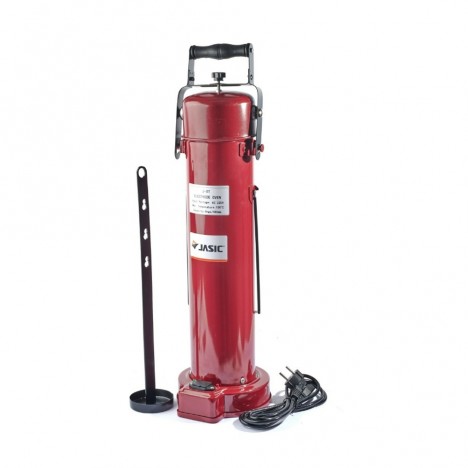
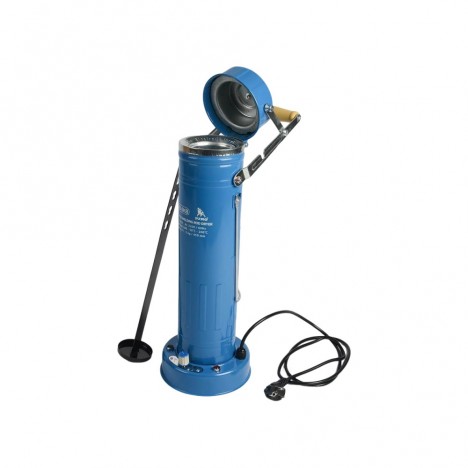
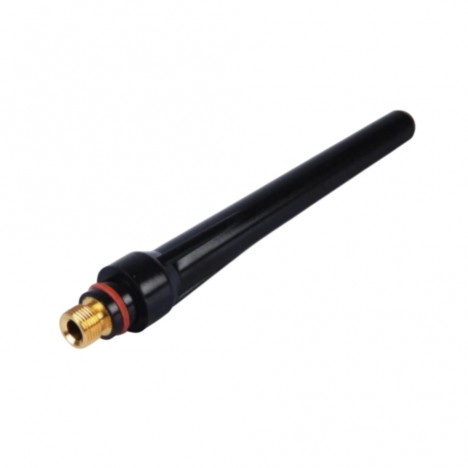

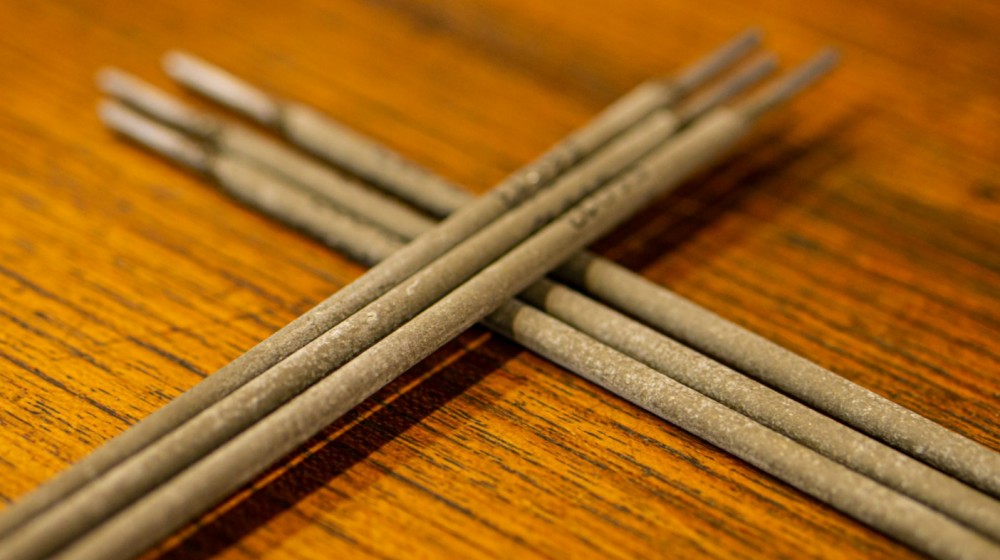
Welding electrodes are tools that, although appearing small and simple, are actually much more complex than you think. Joining two workpieces firmly together depends not only on the welder's skill, but also on the properties of the welding electrode—such as its fusion capability, post-weld strength, and compatibility with the equipment and materials used.
In this article, I'm going to have a straight, clear chat about what welding electrodes are really like. What are the common misunderstandings people have? And how much do these misunderstandings affect actual usage? Let's take a look at each point.
1. Any welding electrode works with any machine
Has this ever happened to you? You go to buy a welding machine and the salesperson tells you, "You can just use standard welding electrodes," and then hands you an E6013 electrode. Sure, this type of electrode works with general welders, but their idea of "standard" and yours might not be the same.
The term "standard electrode" to some might mean an electrode that is easy to buy, inexpensive, and suitable for multiple types of work. But in reality, each type of welding electrode has unique properties that may not be compatible with every type of welding machine.
Therefore, before deciding to grab a welding electrode to use, ask yourself first: what kind of welding machine do you have? Is it single-phase household power or three-phase power? And what type of steel are you welding? Because if the match is incorrect, the electrode may be hard to strike, the weld bead won't look good, or worse, the weld will fail quickly despite your best efforts.
So, what types of welding electrodes are there really?
Before choosing the right type of welding electrode, we must start by understanding what kinds are available in the market and how they differ. If you choose the wrong one from the start, no matter how skilled you are, the work will still turn out imperfect.
- Flux-coated welding electrodes (Stick Welding) used with MMA machines
- MIG welding wire is bare wire used with MIG welding machines featuring an automatic wire feed system and CO2 shielding gas
- TIG welding rod is a solid rod used with TIG welding machines, requiring a filler rod separate from the electrode, operated by manual control and inert gas (such as Argon)
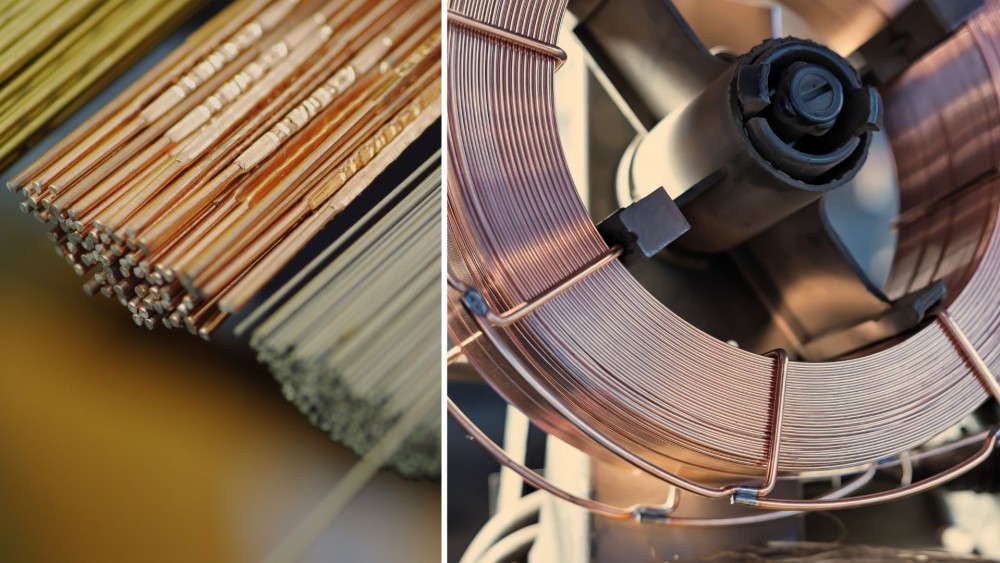
Welding electrodes are not universal
Because each type of wire/rod is designed to work with specific welding machines and materials, using the wrong type can lead to problems such as poor fusion, brittle weld beads, or unnoticed porosity in the weld bead.
2. The higher the voltage/current, the better the welding electrode works
Many people believe that you should always turn the power up high because "high power welds smoothly and the wire flows well." Is that true?
This belief comes from the experience that with higher power, the electrode seems to melt and flow smoothly, welding is faster, and work appears to progress quicker. In reality, unnecessarily high power can do more harm than good. Especially for those who are not yet skilled at bead control, setting the power too high makes the electrode hard to control, easily causes burn-through or excessive penetration on steel plates, and risks creating porosity or excessive spatter, with potential damage to both the machine and the workpiece.
Only partially true, and dangerous too!
Setting the power too high has more downsides than you might think and can impact multiple aspects—whether it's the quality of the weld bead, the lifespan of the machine, or wasted material costs. Keeping the power at an optimal level helps the electrode melt properly, creates smooth and consistent weld beads, and minimizes work defects.
Furthermore, for novice welders who are not yet accustomed to controlling pace and arc angle, cranking the power too high makes practicing even harder because you have to manage an electrode that melts too quickly. Setting the right power is just as important as honing your welding skills.
- Causes the weld bead to burn, and the electrode melts too fast to control
- Generates a lot of spatter, wastes electrodes, and ruins the workpiece
- The welding machine heats up faster, reducing its service life
So, how should you set the power?
Base it primarily on the size of the welding electrode, for example:
- 2.6 mm electrode uses approximately 60–90 Amps
- 3.2 mm electrode uses approximately 90–130 Amps
Remember that each welding machine model may yield different results. It is recommended to run a test first, then adjust accordingly, or refer to the instructions provided with that specific welding machine.
3. Welding electrodes can be stored indefinitely; they have no expiration date.
Many people store welding electrodes for years and use them casually, thinking, "A solid item like this won't go bad." This might sound reasonable at first glance, as welding electrodes seem durable and hard to damage. However, welding electrodes—especially flux-coated ones—are extremely sensitive to moisture. Storing them for a long time without proper sealing can noticeably degrade their welding performance, causing issues like weld porosity, poor fusion, or cracking after welding.
Moisture accumulated in the electrode's flux coating can also cause hydrogen to diffuse into the weld metal, making the weld brittle and prone to cracking in the long run. This is a major concern, particularly in high-load applications or structural work where safety is critical.
The truth is, welding electrodes do have a shelf life.
When flux-coated electrodes are exposed to moisture, the coating absorbs water and begins to degrade. Using them while damp or without re-baking before welding leads to weld defects such as internal porosity, micro-explosions during welding, or poor weld bead adhesion to the workpiece.
So, how should welding electrodes be stored for a long service life?
- Store in a dry place, away from sunlight and water.
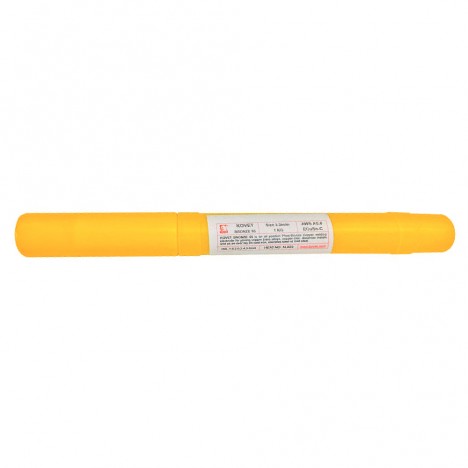
- Once a box is opened, if not used completely, store the remaining electrodes in a sealed container or an airtight vacuum box.
- Certain types of electrodes, such as E7018, should also be baked in an oven before use.
Don't hesitate to discard old electrodes; if they ruin the work, it will cost you far more time.
4. All brands of welding electrodes are the same.
Some people prioritize the cheapest option, satisfied as long as it has the same classification code, without considering the differences in material quality and manufacturing standards across brands. Even with the same classification, melting consistency, weld bead cleanliness, and post-weld durability can differ significantly.
Electrode quality is not measured by the classification number alone.
Even with the same electrode classification, manufacturing standards, flux composition, and core wire properties can vary widely. All of these factors affect weld cleanliness, structural integrity, and arc smoothness.
Experienced welders can tell immediately when an electrode is substandard because the weld bead will be uneven or produce excessive spatter, wasting time on post-weld clean-up. In some cases, the weld must be ground out and redone entirely, costing both time and money.
- High-quality welding electrodes produce a smooth, uniform weld bead.
- Low spatter reduces time spent grinding it off.
- Overly cheap electrodes may suffer from issues such as inconsistent core wire diameter or easily flaking flux.
Pro-Tips from the Welder
If you are working on an important project or one where the weld seam is exposed, it is better to choose a reliable brand of welding wire/electrode. Don't risk it with cheap, non-standard wire, because apart from wasting time on cleanup and rework, you also risk getting a weak weld or visible defects such as porosity, spatter, or uneven seams.
In addition, good quality wire typically has consistent manufacturing quality control, making it easy to weld, melting consistently, and reducing troubleshooting issues during welding. Paying a bit more is much more worthwhile in terms of both results and the overall reliability of the weld.
5. Any welding electrode will do, as long as it sticks together
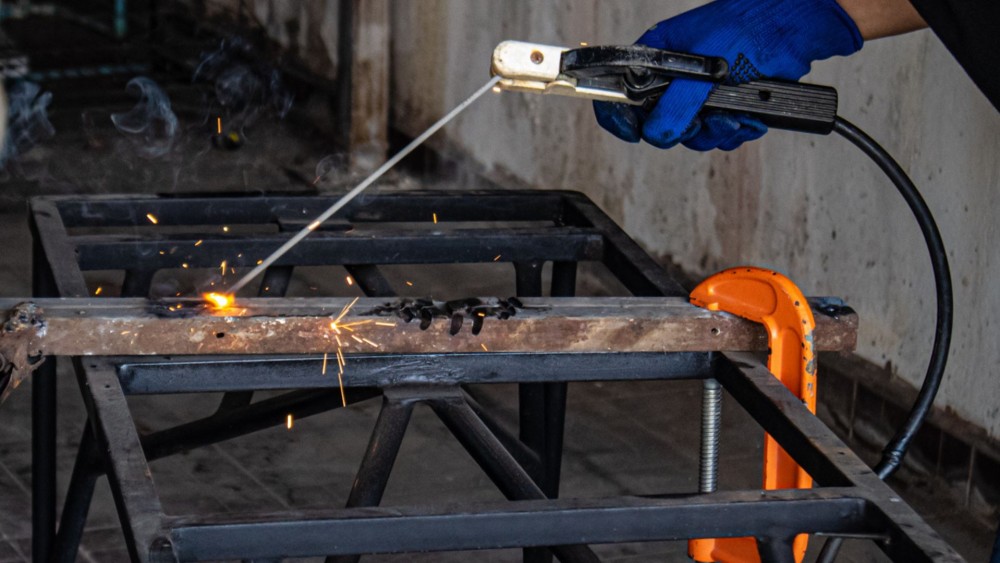
This mindset is very dangerous. Welding isn't just about sticking pieces together; it must withstand stress, load, and actual use under various conditions such as vibration, heat, or repetitive impacts. If the weld seam lacks quality, even if it seems solid at first, long-term problems may arise.
A weak weld seam can become the weak point of an entire structure, leading to workpiece failure or accidents in real-world use, such as in steel frameworks, buildings, trailers, or furniture. Paying attention to weld seam quality is therefore not just about aesthetics, but about the safety and overall durability of the entire project.
What makes a good weld?
- The weld seam must have sufficient penetration, not just surface adhesion.
- Free from porosity, gas pockets, or discontinuities.
- Must be welded continuously, at the correct angles and positions.
Welding carelessly might hold up at first, but before long it fails, causing cracks, leaks, or workpiece breakage.
6. One type of welding electrode can be used for all metals
This is a common misconception, especially among welding beginners. Seeing steel, they assume the same electrode works for everything because they believe all steel is identical—whether it's square tubing, sheet metal, or thick plate. They end up using the same electrode grade for all of them without considering the type of metal or the mechanical properties of the workpiece.
This understanding might suffice for simple tasks or hobby welds, but for serious work—such as load-bearing structures or outdoor applications—using the wrong wire can quickly lead to weld failure. For example, welding galvanized steel or high-strength steel with standard electrodes can cause cracks, fractures, or premature rusting.
Different metals require different electrodes/wires
- Mild steel uses E6013 or E7018 electrodes
- Stainless steel requires electrodes made specifically for stainless steel, such as E308L
- Aluminum uses MIG or TIG wire designated specifically for aluminum only
Using the wrong wire/electrode for the material doesn't just mean poor bonding; it causes premature failure, rapid rusting, or a structure that is much weaker than it should be.
Summary: Welding wire, a small material of great importance
Welding wire may seem like a basic, ordinary consumable, but it is a critical component of welding that affects the quality, strength, and safety of every type of workpiece. Careless selection or even minor misunderstandings can lead to unexpectedly severe damage, whether in small repair jobs or large-scale construction projects.
I hope this article helps provide new perspectives and encourages you to be more careful when using welding wire—from selecting the right type, storage methods, brand, to current settings. Everything is connected to the end result you desire.
Therefore, before starting any welding job, don't forget to choose Welding Wire the right one for your machine, the right one for the job, and the one that best suits your goals.