


 EN
 ไทย


Customers Also Purchased
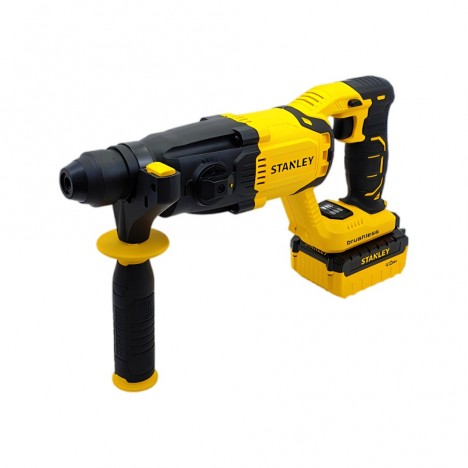
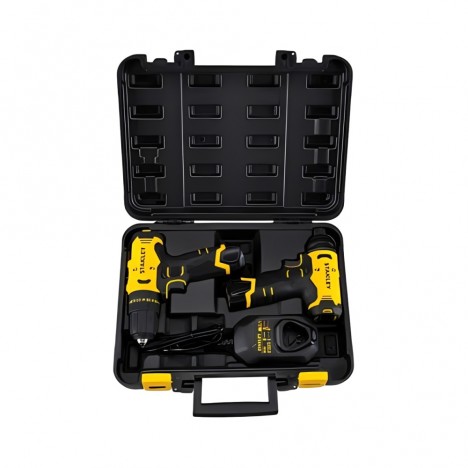
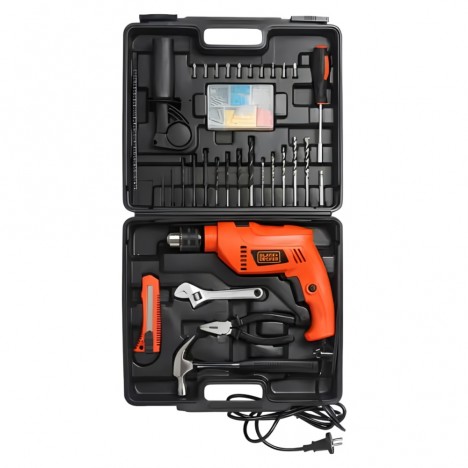


Furthermore, many electric drill models that are simply plug-and-play are designed for versatile use, such as drilling wood, steel, or plastic. But when it comes to masonry work requiring impact force, they fall short of expectations.
This article will help you understand what to look for if you want to use an electric drill for concrete, whether an impact system is necessary, and which type is truly suitable—along with tips to help you operate safely and make the most out of your tools.
Why is drilling concrete different from drilling wood or steel?
Let me start by explaining that materials like mortar, brick, or concrete have rather unique characteristics: they are both hard and brittle at the same time. They aren't solidly dense like steel—which only requires shearing force to drill—nor are they smooth-grained like wood, which is easily penetrated just by rotation. Instead, they are filled with microscopic pores distributed throughout the material, creating resistance and accumulating high levels of heat while drilling.
Because of this, drilling concrete requires more than just rotational force. Using a standard drill without impact action—even with a genuine masonry drill bit or running at maximum speed—might still fail to drill as deep or as fast as needed. It also risks burning the drill bit, overheating the electric drill's motor, or damaging the tool.
What standard electric drills lack is repetitive "impact force" that helps the drill bit gradually penetrate through the material by pulverizing the concrete bit by bit while rotating. Standard electric drills do not have this function, and that is the main reason why a drill used for concrete must be a model equipped with an impact/hammer mechanism.
Summary of differences in materials and required forces
- Wood: Rotational force is sufficient; easy to drill, no impact force needed.
- Metal: Requires high shearing force, proper speed, and dedicated drill bits, but no impact.
- Mortar/Brick/Concrete: Requires both rotational and impact forces in tandem.
If you use the wrong type of drill, you may encounter these problems:
- Burned drill bits due to accumulated heat
- Unable to penetrate, or only drilling shallow holes
- Motor overworked to the point of overheating
- Premature wear and tear or damage to the drill tool

Getting to know the types of electric drills
Before choosing or using an electric drill for concrete, the first thing to know is that electric drills come in several types. Some models are designed only for wood or steel, while others are built to handle concrete as well. Understanding the types of electric drills will help you make a more accurate decision, avoid buying the wrong type, and most importantly, get the job done properly without wasting effort, damaging your tools, or facing frustrating issues later on.
1. Standard Electric Drill (Drill / Rotary Drill)
This type of electric drill uses only a motor to rotate the drill bit, with no hammering action. It works perfectly fine for drilling wood, plastic, or thin metal sheets. But what if you want to drill into concrete? The answer is: you will definitely struggle. Concrete is very hard, and without hammer action to assist, the drill bit will bind, fail to penetrate, or even burn out from excessive friction.
Rotation-only electric drills are sometimes labeled on the box as "Rotary Drill." Don't confuse this with a rotary hammer—that one is called a Rotary Hammer.
2. Electric Impact Drill / Hammer Drill
This is it! The go-to tool that many people use for drilling concrete walls. With an "impact" or hammering mechanism that adds a light rhythmic tapping action alongside the rotation, it makes drilling concrete much easier. While not as powerful as a rotary hammer, it is more than sufficient for typical home wall drilling, such as brick, plaster, or relatively thin cast concrete.
3. What about a Rotary Hammer?
If you are drilling thick concrete, drilling all day, or working on a job site that requires speed and depth, a rotary hammer is the better choice. It delivers high impact energy using a genuine piston-driven hammering mechanism, rather than just the vibration of a standard hammer drill. However, it is also considerably more expensive and heavier.
Can a standard electric drill drill concrete?
To speak frankly, just like tradesmen do: if you ask whether a standard electric drill can drill concrete, the answer is yes, but you must realize you are pushing the tool beyond its limits. You have to accept that the motor will be strained, the bit will wear out quickly, and the job won't be as easy as using the right tool for the task—because a standard drill simply wasn't designed to drill hard materials like concrete in the first place.
Whenever professional tradesmen see someone drilling into a concrete wall with a regular drill, they immediately say: "If you care about your tool, don't do that often." It might manage one or two holes, but with repeated use, the motor will begin to bog down, the sound will change, the bit will burn, and eventually you will have to replace both the tool and the bit—wasting both time and money.
- Use an appropriate drill bit Such as a carbide-tipped masonry drill bit
- Set a sensible drilling depth Because a standard drill lacks hammer action, drilling too deep can cause it to overheat or burn out.
- Drill in intervals and take pauses To prevent the drill bit from overheating
But if you ask whether I recommend it, my advice is to use a hammer drill instead. Its efficiency is definitely better, it saves time, and it won't easily ruin your drill bits.

Why is the hammer action so important?
Because drilling concrete doesn't just require rotational force; it needs to shatter the concrete into powder so the bit can gradually advance. If an electric drill lacks hammer action, rotation alone is definitely not enough.
How does the hammer mechanism work?
The hammer mechanism of an electric drill (especially an Impact/Hammer Drill) uses a ratcheting gear mechanism that rotates and strikes rhythmically, transferring hammering force to the drill bit. This makes drilling concrete walls several times easier and, crucially, doesn't require exhausting manual pushing force. On the other hand, the hammering action of a rotary hammer uses a small piston to deliver full-force blows along with rotation, which is many times more powerful than a geared mechanism, allowing it to drill through thick concrete effortlessly when using the right bit.
Having impact power without the right drill bit won't pierce through!
Many people misunderstand, thinking that having an impact drill is enough to drill through anything. The truth is, you also need to use the right drill bit, such as a masonry drill bit with a carbide tip. And if drilling with a rotary hammer, you must also use SDS drill bits; otherwise, both the bit and the machine might be damaged.
How to choose an electric drill suitable for masonry drilling?
- Check if it has an impact/hammer mechanism: Make sure it is really an "Impact Drill" or "Hammer Drill". Some models have similar names but lack an impact mechanism.
- Choose an appropriate wattage: If you plan to drill masonry frequently, choose a drill with a power rating of 600W or more.
- Check the weight and size: For long drilling sessions, choose a model that is not too heavy to prevent hand fatigue.
- Variable speed mode: Helps make starting holes easier and allows precise control.
Techniques for effective masonry drilling
When drilling into masonry—whether for hanging items, mounting equipment, or installing wall anchors for structural work—what many people rarely talk about are the little techniques that make drilling easier, faster, and prevent machine damage. Knowing these from the start will help you work like a pro without wasting time re-drilling, making mistakes, or burning out drill bits. Especially for beginners just starting to use an electric drill, understanding the correct steps and methods for drilling into masonry helps you work more safely and saves a significant amount of effort.
1. Start with an accurate drilling mark
Use a pencil or marker to mark the spot first, then use a small drill bit to make a gentle pilot hole without rushing, preventing the bit from wandering off position.
2. Gradually increase pressure—no need to push with all your strength
Let the tool do the work through its own mechanism. Do not push too hard, as excessive force can cause the bit to overheat or wear down the tool prematurely.
3. Always use hammer mode when drilling masonry
Don't forget to switch the electric drill mode from rotary only to rotary hammer (if the tool has the option), because this is the system truly built for drilling masonry.
4. Always wear protective gear
Before you start using an electric drill to drill concrete, never overlook safety. Concrete debris, dust, or the loud noise from drilling can all adversely affect your body. Wearing protective equipment is not just an option—it is a habit you should practice every single time. Basic protective equipment includes:
- Goggles / Glasses
- Dust Mask
- Anti-Slip Gloves
- Earplugs (if working for long periods)

5. Choose drill bits suitable for drilling concrete
Choosing the right drill bit is just as important as the electric drill itself. No matter how powerful the tool is, if you use the wrong type of bit, it won't penetrate, wasting materials and time, and potentially damaging both the machine and the bit. Choosing a concrete drill bit suitable for the job is essential knowledge before drilling. Choose concrete drill bits as follows:
- Carbide Tip bits: Hardened tip, highly wear-resistant, drills into concrete effectively
- SDS or SDS-Plus bits: Used specifically with rotary hammers to deliver full impact force
- Do not use metal or wood drill bits: Because they will burn out or break easily
Conclusion: Does an electric drill for concrete need an impact/hammer mechanism?
If you only drill wood, plastic, or thin metal, a standard electric drill is sufficient, as these materials are not as hard as concrete, are easy to drill, and do not require heavy impact force. But if your goal is drilling concrete—whether it's seemingly thin plastered brick walls or hard, thick poured concrete—an impact/hammer mechanism is undeniably essential.
Finally, if you're still unsure whether your drill can handle concrete, check if the tool has a "hammer/impact" mode. If it doesn't, it might be time to find Electric drills or a good hammer drill that is truly suited for the job!


