


 EN
 ไทย


Customers Also Purchased


In an era where cool weather is practically nonexistent in our country, many households are starting to pay more attention to air circulation. Spending all day at home with poor air quality can be quite frustrating, right? When we think of fans, many people only picture standard floor fans. But in fact, there are two other types of fans that people often confuse: exhaust fans and ventilation fans. With similar names and looks, how should you choose?
What Are Exhaust Fans and Ventilation Fans?
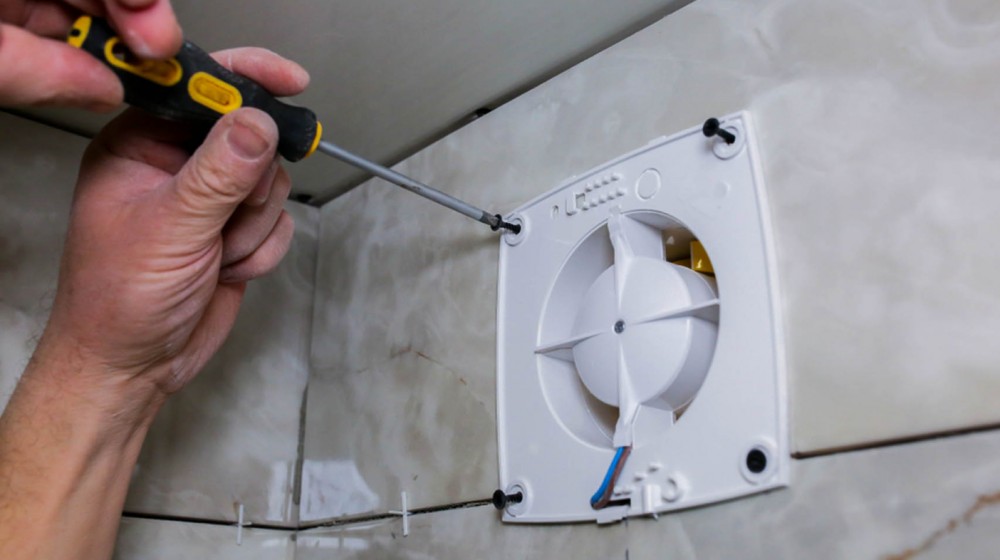
What is an Exhaust Fan?
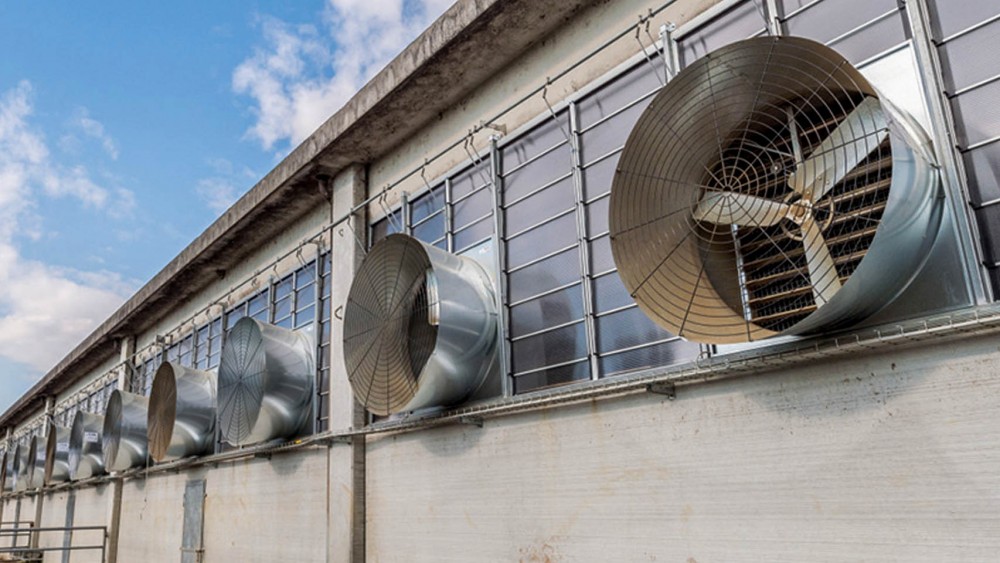
What is a ventilation fan?
Common Misunderstandings That Many People Still Confuse
- At first glance, many people think these two types of fans are completely identical because their names are similar and they look alike. However, there are real differences! An exhaust fan is technically a type of ventilation fan, but their primary functions are not the same. Using the wrong one for the wrong application will definitely cause confusion.
- Some people accidentally buy an exhaust fan and install it in a room that actually requires an intake fan, such as a wine cellar or a server room. After using it for a while, the air inside doesn't circulate as expected; what's more, server equipment can overheat because there is no incoming airflow to help dissipate heat. This is a classic case of buying the wrong unit and wasting your money with regret.
What Applications Are Exhaust Fans Suitable For?
- Bathrooms Bathrooms are areas where a lot of moisture accumulates. Just taking a shower for a few minutes makes the entire room damp. Without an exhaust fan to help vent the moisture, musty odors, mold, and algae will inevitably show up uninvited.
- Kitchens They are excellent at exhausting smoke, cooking odors, and steam out of the house. This is especially true for homes with closed kitchens where cooking sends smells and smoke drifting throughout the house. Having an exhaust fan helps the kitchen breathe easier, allowing you to cook without worrying about odors lingering on sofas or curtains.
- Storage Rooms or Rarely Opened Rooms Storage rooms, document archive rooms, or laundry rooms that stay closed all day long often become unintended heat traps because there is no fresh air circulating. If you've ever opened a door and felt like stepping into an oven, that's your sign that an exhaust fan is needed to help vent the air!
- Air-Conditioned Offices / Bedrooms Even in air-conditioned rooms where we assume the air is already clean, the reality is that indoor air doesn't circulate as well as we think. Installing an exhaust fan helps air circulate better—preventing stuffiness and moisture, and effectively reducing musty smells. Plus, it also prevents the air conditioner from having to work as hard.
What Applications Are Ventilation Fans Suitable For?
- Factories or Warehouses Large spaces like factories or warehouses tend to get hot and stuffy quite easily due to machinery, workers, and large amounts of stored goods. Installing ventilation fans improves air circulation. Although they may not focus on extracting odors like exhaust fans do, they clearly focus on lowering temperatures and enhancing airflow, making the environment much more comfortable to work in.
- Office Buildings or School Buildings They help air circulate more effectively, eliminating stuffiness—almost like introducing a cool, refreshing breeze to everyone inside the building. Whether for employees, students, or regular occupants, the space will immediately feel noticeably airier, more open, and far more pleasant to be in.
- Living Rooms or Bedrooms with Poor Airflow Try using an intake ventilation fan to draw cool air in from outside instead. It gives the feeling of opening a door to let a natural breeze into the room without having to open the windows, making the indoor atmosphere noticeably fresher.
- Control rooms, server rooms It is great for reducing heat buildup from electrical equipment like servers or control units, especially in rooms with no windows or ventilation openings at all. Pairing it with other fans or cooling systems works even better, as they team up to cool the room down quickly, so you don't have to worry about equipment crashing from overheating.
Exhaust fan vs. ventilation fan: which consumes more electricity?
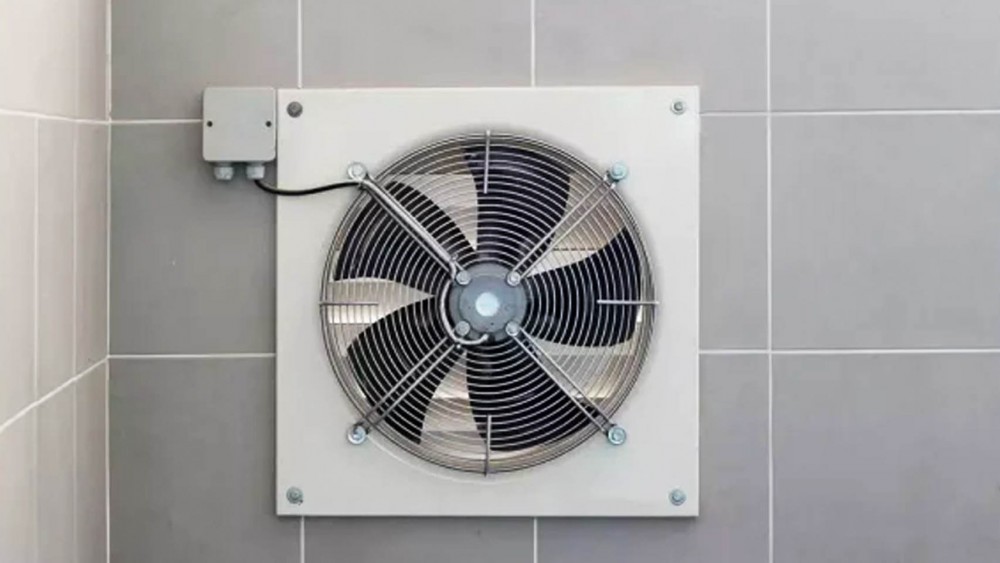
There is honestly no fixed answer here because it really depends on the size and actual usage. If it's just an exhaust fan installed in a bathroom and used for a few minutes a day, your electric bill will barely move.
However, if it's a large ventilation fan running all day in a factory or warehouse, that will definitely consume noticeable electricity, as it requires high airflow and runs continuously all day. Therefore, before buying, choose one that matches the room size and usage duration, so you don't have to scratch your head when the electric bill arrives!
Caution! Misapplication wastes your money
- Using an exhaust fan in a room that requires fresh air intake—such as an air-conditioned room or a room with high occupancy—can turn the space into a mild vacuum with insufficient airflow, making breathing uncomfortable and creating negative pressure that feels stuffy, leaving you feeling strangely uneasy.
- On the other hand, if you use an intake fan in a room with chemicals, fumes, or strong odors—such as an auto repair shop or spray-painting booth—undesirable contaminants may be blown straight back into the room. It feels like you're blowing in good air, but the bonus is strong, unpleasant odors instead.
- Most importantly, if installed in the wrong direction, air can circulate backward and get completely mixed up, resulting in no benefit at all. Sometimes you even have to remove it and reinstall it, wasting money, time, and your patience!
> 6 maintenance and cleaning tips for exhaust fans
How to choose the right one for the job and avoid wasting money
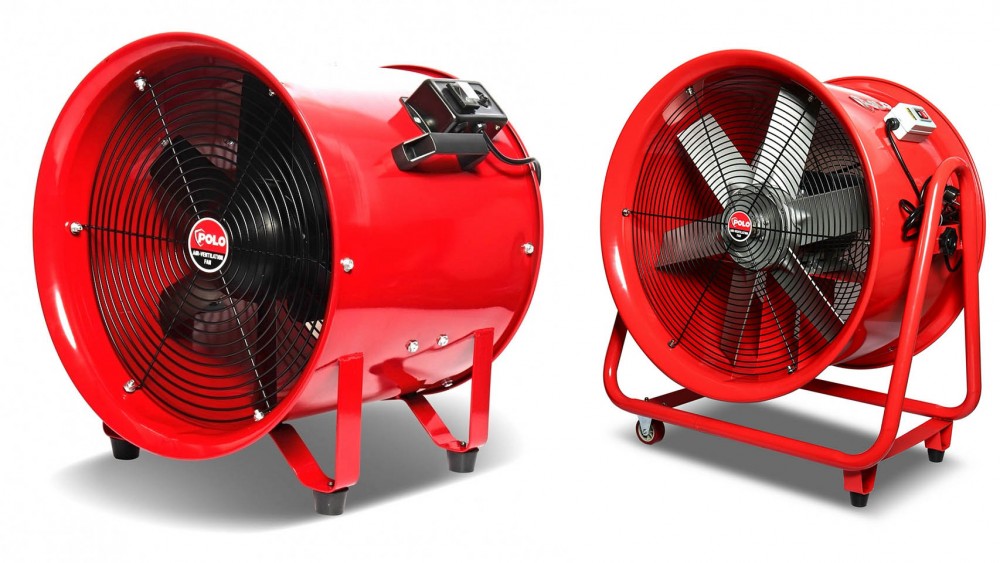
First, check whether you want "air out" or "air in"
If your room has musty, damp odors or cooking fumes and you want to get rid of them quickly, choose an "exhaust fan." It acts like a helper that sucks unwanted elements out of the house without requiring you to open windows and let dust in.
However, if your room is enclosed and the air is so stagnant that it feels hard to breathe, and you want to bring in cool air from outside, choose an "intake ventilation fan." It's like opening the door to let natural breezes in effortlessly.
Check the nature of the space: enclosed or open
For fully enclosed rooms without windows or air vents, start by installing an exhaust fan first so that unwanted elements like odors or moisture can be removed. If the air still feels stagnant, add an intake fan to help air circulate more smoothly, noticeably freshening up the space!
Choose the right size for the room
First, look at the room dimensions—width, length, and height—and then calculate the appropriate airflow rate, such as m3/h or CFM. It sounds technical, but simply knowing how big your room is helps you choose a fan with the right capacity—neither too weak to be effective nor too powerful that it wastes unnecessary electricity.
Consult a technician or dealer
If you're really not sure which type is right for your room, don't rush into buying one blindly. Sometimes after purchasing and actually installing it, it doesn't fit the purpose. When problems arise, it's not just a waste of money, but also a waste of time and mood—and you might even have to tire yourself out taking it down and reinstalling a new one. Consulting a technician or a dealer a bit will ensure certainty right from the start and give you much more peace of mind.
Conclusion
Duct Fan and ventilation fans serve different purposes, even though they may look similar. If you choose the right one for your space and function, it will help your home or building have better air circulation, improve health, and even help save on electricity bills.