


 EN
 ไทย


Customers Also Purchased


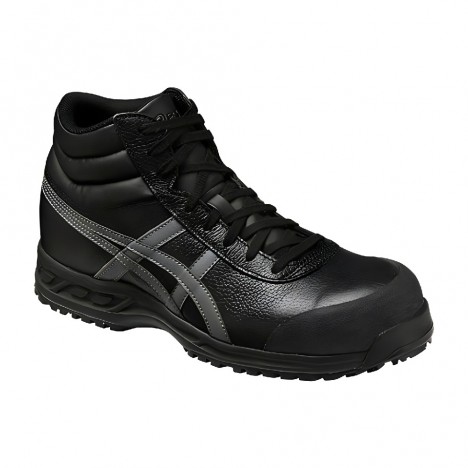
If you are one of those people with flat feet or wide/high-instep feet and have to wear safety shoes for work every day, you probably know the feeling—it's not easy at all to find a pair that fits properly, doesn't squeeze, isn't uncomfortable, and can be worn all day long! That's because most safety shoes are designed with a standard average fit, rarely taking diverse foot shapes into account—especially for those with specific foot types like flat feet or wide/high-instep feet that require more care than average.

Understanding Foot Shapes: Flat Feet vs. Wide/High-Instep Feet
What are flat feet?
What are wide/high-instep feet?
Effects of ill-fitting shoes for both foot types
- Foot pain, arch or heel pain; after walking for a while, it feels like constant pressure on the feet.
- Blisters, water blisters, or abrasions on toes due to shoes pinching and rubbing all day long.
- Unexplained knee or hip pain caused by an improper gait from forcing the feet into an unnatural weight-bearing posture.
- Feeling rapid fatigue when wearing shoes, walking with less confidence, and needing frequent rest stops.
Common problems when wearing safety shoes
1. Safety Shoes Pinching the Forefoot
2. Outsole Lacks Arch Support
3. Thin, Hard Insoles with No Support
4. Safety Shoes Feeling Completely Tight Even in Your Usual Size

How to Choose Safety Shoes
- Choose Shoes with a Wide Toe Box Shoes with a wide toe box are an essential choice for those with flat or thick feet. They help distribute pressure evenly without squeezing the toes, making them much more comfortable to wear without having to tense up your feet or endure pain all day. Additionally, they help prevent blisters, bruised toenails, and red marks typically caused by tight shoes.
- Check the Upper Material. Look for shoes made from flexible materials, such as soft genuine leather or high-grade synthetic leather that conforms to the shape of your foot. This prevents the shoes from pressing down excessively on your instep, offering far greater comfort. Particularly for those with high insteps who find everything too tight, switching materials will make your feet thank you after every step.
- Choose Models with Removable Insoles. Shoes aren't always designed to support every curve of your feet. Selecting a model with removable insoles allows you to insert custom arch support insoles. Especially for flat-footed individuals, these inserts distribute weight much more effectively, reduce daytime fatigue, and provide noticeably better comfort than standard footwear.
- Avoid Shoes with Overly Stiff Soles. The sole is the heart of shoe comfort. If it's too rigid, you'll feel fatigued after just a few hours. Therefore, opt for flexible options, such as PU or rubber soles with soft foam cushioning inside. They absorb impact during prolonged walking or standing, giving you a springy, soft feel that eliminates the sensation of walking barefoot on concrete tiles all day.
- Choose Models with Special Sizing or Wide Fit (Wide Fit / Extra Wide). Some brands cater to wide feet by offering dedicated sizing. If you see "Wide" or "W" after the size (such as 42W, 43W), that's a great sign! It means the shoes are specifically made to avoid pinching and tightness, perfectly suited for those with thick or wide feet to give you instant relief.
Tips for Adjusting Safety Shoes to Fit Your Feet
- Use Arch Support Insoles. If you have flat feet and tire quickly after walking just a bit, try adding arch support insoles. These are specifically designed to support the arch of the foot, restoring the natural curvature to make walking far more comfortable. They are easy to find at general health product stores, such as Scholl, Footlogics, or other specialized brands, offering an immediate noticeable difference!
- Use Pressure-Relieving Gel Pads. If your forefoot feels squeezed or pressured, making walking uncomfortable, try using forefoot or localized gel pads. They help alleviate pressure from the top, providing a softer, cushioned feel like a mini shock absorber. This brings instant comfort and is perfect for those who walk a lot, stand all day, or frequently deal with pinched feet.
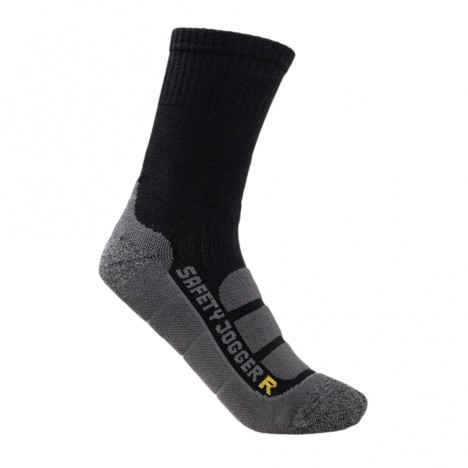
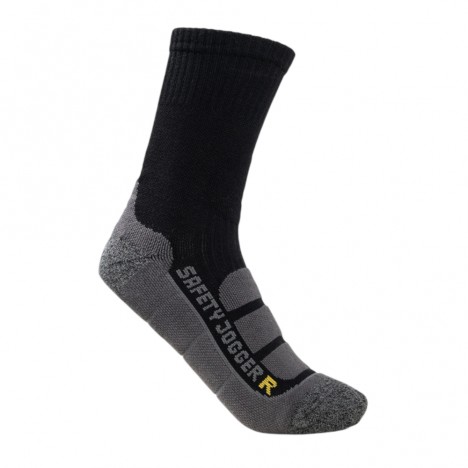
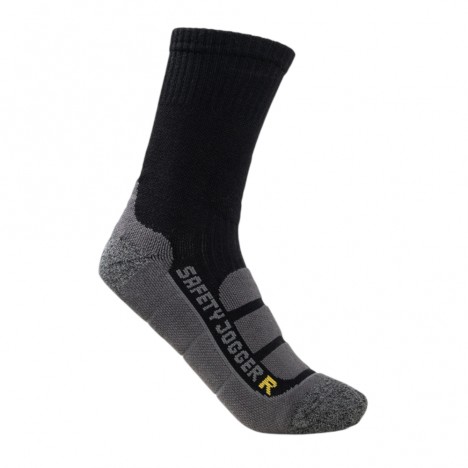
- Wear Socks with Arch Support Functions. Modern socks are surprisingly advanced! There are designs with reinforced footbed zones that provide excellent arch support for flat feet. Choose moderately thick, cushioned socks that aren't overly bulky for a much more comfortable fit. It feels like having a miniature mattress under your feet all day, keeping you pain-free and energised even after prolonged walking.
- Avoid Tying Shoes Too Tightly. Do not pull the shoelaces overly tight, especially across the instep. Over-tightening creates pressure points that cause hidden discomfort and aching as you walk. Tie them securely yet leave enough room for your feet to move naturally, allowing for breathability and comfort all day without needing to take them off during lunch breaks.
Conclusion
Choosing or adjusting safety shoes to fit your foot shape, especially for those with flat or thick feet, is not as difficult as you think. Simply understand your feet well enough, keep an eye on pressure points that cause pain or fatigue, and adjust your shoes to meet your needs—comfort will naturally follow.