


 EN
 ไทย


Customers Also Purchased


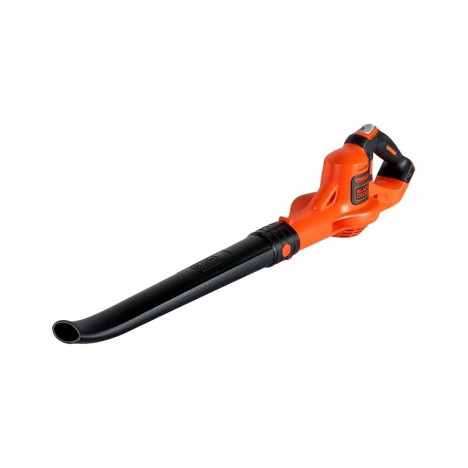

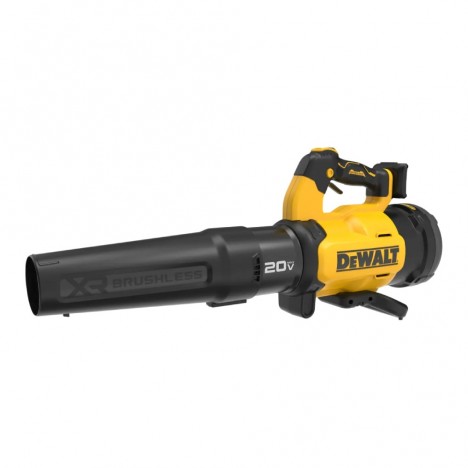
That's because blowers actually vary widely in terms of air velocity, nozzle types, power sources, and special functions—such as models with vacuum and dust bag capabilities, wide or narrow nozzles, and differing air volumes. If you don't understand which type is suitable for what kind of job, you might not achieve optimal performance or could run into frustrating issues.
So, I've gathered 7 common problems that occur when using blowers, along with easy-to-understand solutions.
1. Weak airflow, blowing without moving any dust
This definitely happens, especially for those who buy a compact blower or choose an airflow that doesn't fit the task. For example, intending to blow leaves on the lawn but buying a blower designed for tight crevices—it barely makes a dent on wide open surfaces. Some people assume that all blowers are powerful enough for outdoor work, which really isn't true, because machines designed for precision work focus more on accuracy than blowing force.
Another related issue is when we use an underpowered machine and repeatedly blow over the same spot, hoping it will clean up faster. It ends up wasting more time and sometimes causes dust to become even more airborne than using a powerful blast all at once. Therefore, choosing a machine that matches the nature of your work is extremely important. If you make the wrong choice from the start, no matter how good the machine is, you won't get optimal performance anyway.

Solution:
If you want to blow dust inside the house but grab an outdoor blower, it might blow your belongings all over the place. Or if you use a lightweight machine for heavy-duty work, it will overheat quickly and break down fast. That's why choosing the right machine for the job type from the start is so crucial.
- Check specifications before buying by looking at air speed (km/h or m/s) and air volume (m³/min).
- Choose a machine with adjustable speed/airflow settings for greater versatility, such as using low airflow for electronics or high airflow for outdoor tasks.
2. Annoyingly loud or disturbing others
Some blower models, especially high-airflow models or those with powerful motors, tend to be very loud. When working indoors or early in the morning, the sound can easily penetrate walls. Especially with corded models that use large motors, you will continuously hear the sound of the motor spinning along with the blasting air. Sometimes it feels like having a massive vacuum cleaner running right next to your ears.
Besides disturbing others, it can also cause stress during long work sessions. Some people use them in an office or environments that require concentration, and it's easy to get complaints from coworkers or people nearby. That's why the noise level of a blower is certainly an important factor.
How to fix it:
If you are dealing with noise issues from a blower, I recommend looking for models labeled as Low Noise or featuring built-in acoustic insulation. These models are typically engineered to run quieter than standard ones, making them ideal for home use, workshops, or shared living spaces.
Additionally, plan your usage wisely: avoid operating it during quiet hours like early mornings or late evenings. Even if the noise doesn't bother you much, it might be far more disruptive to others than you realize. If running it at these times is unavoidable, using earplugs or noise-cancelling earmuffs will significantly reduce work-related stress.
3. Airborne dust scattering and making things messier than before
This problem happens almost everywhere because a blower is not a vacuum cleaner; it blows dust away from its original spot into the air. If you blow aimlessly without planning, instead of getting clean, things will become messier. Dust flies into cabinets, under sofas, or floats up into your nose. Especially when blowing in an air-conditioned or closed, unventilated room, dust will circulate in the room much longer than usual.
Many people mistakenly think that blowing dust off the floor solves the problem. But in reality, this dust settles onto walls, ceilings, or furniture, forcing you to clean a second time—or sometimes just moving dust from one spot to another. That is why before using a blower, you must have a plan for how to manage the airborne dust, rather than just blowing it away.
Some may think just blowing dust out of sight is enough, but in fact, blowing without a plan can create new problems instead of fixing them. If you let dust scatter uncontrollably, it will stick to walls, small crevices, or settle back in the same spot, wasting time on a second cleanup.
There's a solution:
I recommend viewing a blower not as a direct cleaning tool, but as an aid to move dust to an easier spot to handle. If you plan ahead—such as blowing dust into a single pile and then using a vacuum cleaner or broom to collect it—it will help clean the room much faster and minimize dust scattering everywhere.
- Blow dust into a single concentrated area first, then use a broom or vacuum cleaner to collect it.
- Open doors and windows for proper ventilation.
- Wear an N95 dust mask when working in enclosed or poorly ventilated spaces.
4. Blowing circuit boards, causing components to detach or become damaged
Many people think blowers can be used with all types of circuit boards or electrical equipment, assuming that since it's just air without direct contact, it should be safe. However, that's not actually the case. The airflow from some blower models is extremely strong, especially if they are not designed for delicate work. Such forceful airflow can easily tear delicate ribbon cables from the board or spin small internal fans in the wrong direction, leading to damage.
Blowing too closely without judging the distance properly makes the risk of dislodging small components very high, especially when repairing computers, laptops, or electronics with tightly packed, fragile parts. Therefore, before using a blower on these tasks, ensure the tool has adjustable airflow speed and always start at the lowest setting.
Prevention method:
In practice, using a blower not specifically designed for this purpose can cause air to strike small components violently, dislodging them from their original positions, or cause static electricity that damages the circuitry.
- Choose a unit with adjustable airflow speeds and always start at the lowest setting to ensure the airflow will not impact or damage small parts.
- Blow from a distance of about 15–20 cm away from the circuit board to disperse the airflow and avoid excessive impact force.
- Use a rubber nozzle if available, as this type reduces impact if it accidentally hits components directly and also helps prevent static electricity build-up.

5. Tool heats up quickly, cannot run continuously
Many blower models, especially compact or budget-friendly ones, often suffer from heat build-up when operated continuously for more than 10–15 minutes. Some units even trigger an automatic cut-out—which is a great safety feature, but it interrupts workflow if continuous operation is required. At times, the tool can get so hot it is uncomfortable to hold. This issue stems from inadequate cooling systems or an undersized motor that cannot handle sustained heavy loads.
Using a blower in an already hot environment or blowing continuously without rest accelerates heat build-up even further. Sometimes it becomes so hot that the housing warps or unusual noises occur. Not only does this risk damaging the tool, but it also poses a hazard to users if handled without realizing it has overheated.
Another common cause is dust accumulating in the ventilation slots, which prevents proper heat dissipation, forcing the motor to work harder and heat up twice as fast.
Prevention method:
Running a blower continuously for long periods can cause heat build-up that impacts performance and tool life. I recommend using it in intervals, such as running for 10 minutes and resting for 5 minutes, allowing the motor and cooling system time to cool down. This helps prevent the tool from overheating, tripping thermal cut-outs, or breaking down mid-job. In addition, avoid working under direct sunlight or in high-temperature areas, as external heat will rapidly exacerbate internal heat build-up.
If you know you will be running the tool for extended periods regularly, such as for cleaning tasks at job sites or warehouses, we recommend choosing an industrial-grade blower or a model with an effective cooling system, such as a built-in cooling fan or large ventilation vents. These models handle heavy-duty, continuous operation much better than standard units.
6. Airflow is skewed, not blowing straight
This issue can stem from several causes, such as a loose nozzle, cracks, or debris clogging the air passage, preventing the airflow from hitting the intended target or scattering erratically and resulting in poor cleaning results. Sometimes, the tip of the nozzle or the tube may be deformed from impacts or frequent drops, altering the direction of the airflow.
Additionally, if the air tube or nozzle contains dirt from oil residue or thick dust build-up, the discharged airflow can become uneven or swirl back toward the blower itself. Beyond reducing efficiency, this increases the risk of dust being drawn back inside the tool.
Solution:
In some cases, using a blower in dusty environments or using a worn-out nozzle that cannot blow straight causes uneven air dispersion, resulting in swirling dust that can be drawn back into the tool. Proper nozzle maintenance and regular cleaning are therefore essential, ensuring targeted airflow and reducing the risk of dust entering to damage the motor and internal fan.
- Check that the nozzle is securely attached.
- Remove the nozzle to wash and wipe it clean regularly.
- Do not use with wet or damp debris, as it can cause clogs inside.
7. Dust bag fills up quickly or falls off easily (if applicable)
For blowers with a vacuum mode and a dust collection bag, this is considered a very convenient feature because it allows you to blow and collect dust at the same time. However, a common issue people encounter is that the included bag is quite small. In actual use, it fills up in just a few minutes, forcing you to empty it frequently and disrupting your work rhythm. Some models also have issues with attachment points that aren't secure enough, causing the bag to come loose during use or allowing dust to blow back out—turning a quick cleaning task into having to clean all over again.
Solution:
If used in high-dust areas such as warehouses, storage rooms, or wide-open spaces, a small bag can disrupt continuous work. Some people even have to resort to DIY solutions to replace it with a larger bag or find alternative accessories, because the factory-included bag doesn't quite meet real-world needs.
When used in large areas or environments with a lot of dust, having to stop frequently to empty the bag or dealing with it falling off during use significantly reduces the blower's efficiency. Therefore, preparation and choosing accessories suited to each type of job are crucial. For example, if possible, consider purchasing a spare dust bag with a larger capacity or using a bag with a secure locking mechanism, which will help reduce these issues in the long run.
- Make sure to check that the bag is securely installed every time before turning on the machine.
- Empty the dust bag frequently; do not let it get overfilled.
- If there is a choice of bag sizes, choose one with a larger capacity or buy extra spare bags.

Conclusion
Some of these problems may seem minor, but when encountered, they can be quite frustrating. Many people might start with the expectation that simply buying a blower is all it takes, but in real use, there are fine details that require more understanding and attention than you might think.
Choosing a machine suited to the job and knowing how to maintain it properly will not only extend its lifespan but also help reduce recurring, nagging problems. Some issues can be prevented right from the purchase, such as selecting a model with appropriate airflow or a low-noise mode. However, other issues need to be resolved through proper usage habits, such as blowing in a direction that controls dust dispersal or resting the tool when it overheats.
We hope this article helps those planning to buy or currently using a blower to operate it more smoothly and cost-effectively. If anyone has further questions or would like recommendations on specific models, feel free to reach out and chat with us.
Blowers There are many types, models, and sizes available. Just choose the one that matches your work, and most of these nagging problems will be greatly reduced.