


 EN
 ไทย


Customers Also Purchased
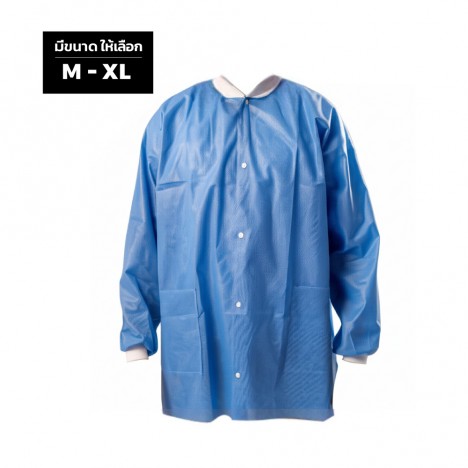
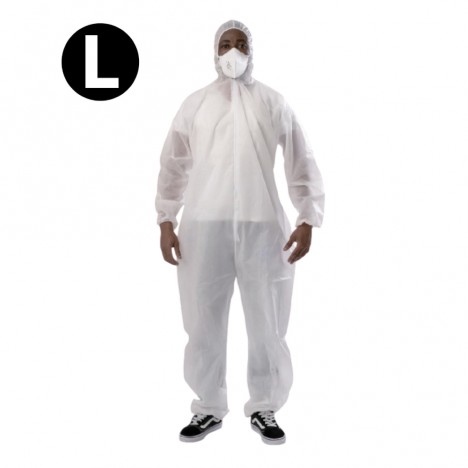
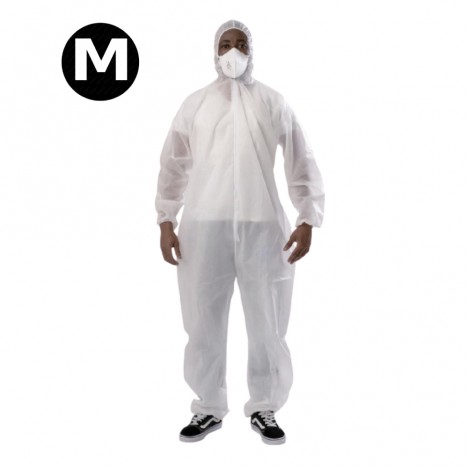
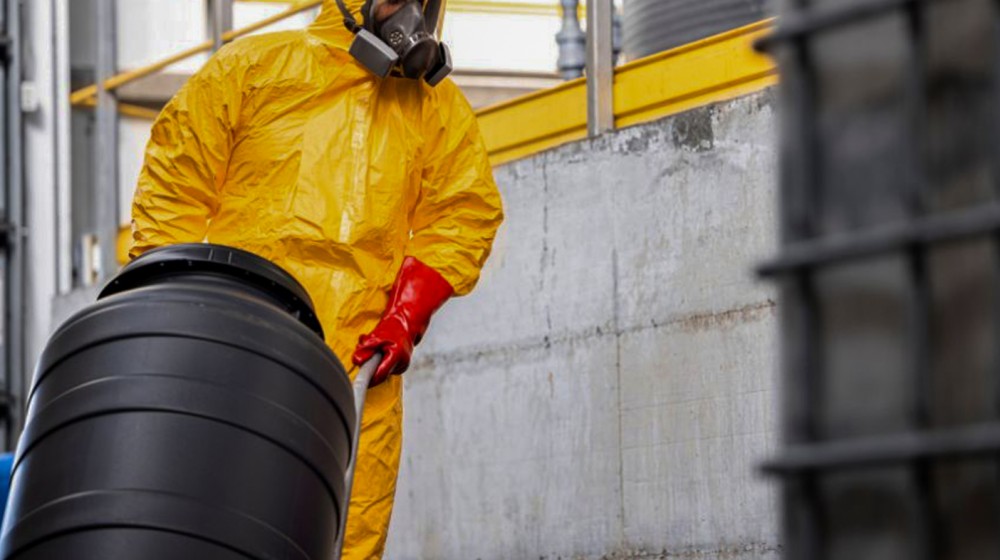
Whether you are a novice technician just starting out, or you have just been assigned to work in areas with chemical hazards—whether in factories, agriculture, spraying, or even general cleaning—you might have heard the classic phrase, "Wear Chemical Protective Clothing it first, better safe than sorry!" But wait a minute! The truth isn't that simple. Chemical protective suits aren't just something you throw on and forget; using them incorrectly can actually be more dangerous than not wearing one at all. In this article, we'll expose 7 misconceptions that beginners often make without realizing it, explained clearly and simply so you can apply them right away!
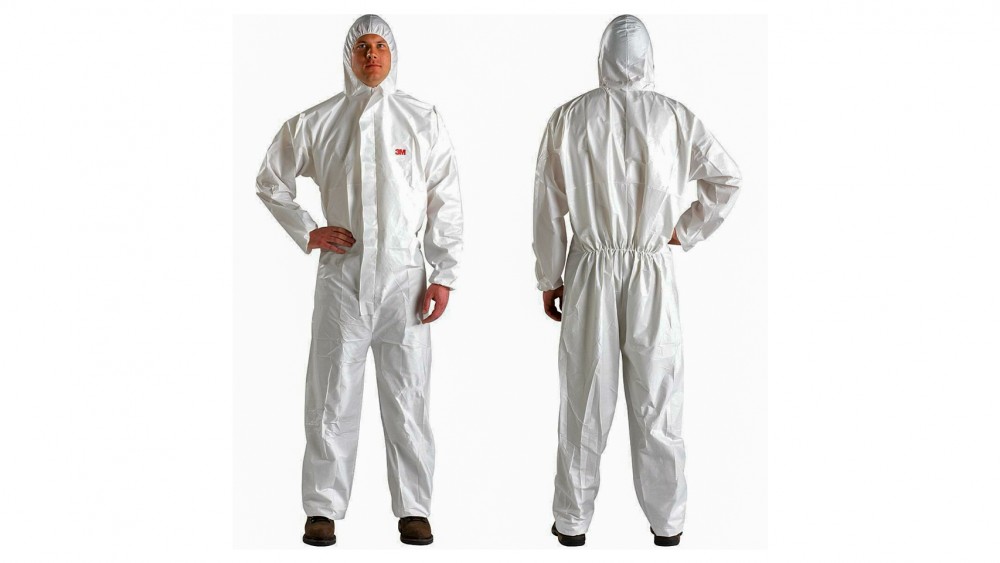
1. All chemical protective suits offer the same level of protection
Many people might think that just having a chemical protective suit on hand and wearing it for any job brings complete peace of mind—it looks cool and professional. But did you know? That mindset is a silent trap of unnoticed risk. Not every chemical protective suit is designed to protect against everything, and if you choose the wrong one, it might not protect against anything at all! That's why we must first understand "which chemical protective suit is suitable for what type of work"; otherwise, wearing it is like using a fashion cape to shield against chemicals.
Chemical suits are not one-size-fits-all in terms of protection. In fact, there are several levels, each designed for different substances. Some suits handle liquid splashes easily, but heavy vapors or gases might penetrate right through. Some suits are only suited for light-duty tasks. Wearing the wrong suit for the wrong job carries serious risks.
- Example: You might choose a Type 6 suit for light tasks like spraying disinfectant with only fine mists floating around. But if the actual worksite has strong chemical vapors in the air, this suit definitely won't hold up. Light-duty suits work for light tasks, but for heavy-duty jobs, you must choose accordingly!
2. Thicker chemical protective suits are always safer
A chemical protective suit that looks thick might give a sense of being "solid and definitely safe," but technically speaking, that doesn't mean it will always resist chemicals. Some suits are thick because they are made of rubber or PVC, which repels water well, but they haven't been tested against certain chemicals—in short, they look thick but have no substance. On the other hand, some suits that look very thin, like Tyvek, have passed rigorous standards. Moreover, wearing a thick suit unnecessarily can make you feel suffocated, hot, and drenched in sweat, which can lead to chafing, irritation, or exhaustion before the job is even done!
Don't mistake thick chemical protective suits for magical armor. In reality, thickness is not an indicator of how well a suit protects. What really matters is the material used and the test results according to standards such as ASTM, EN, or ISO, which specify what types of chemicals the suit is suitable for and the level of protection it provides.
- Example: Tyvek chemical protective suits look thin, as if they wouldn't offer much protection, but the truth is they have passed Type 5/6 standards and protect very well against dust and liquid sprays. In contrast, some PVC chemical suits may look thick and impressive, but without testing or standard certifications, they might just look cool while offering no real protection at all!
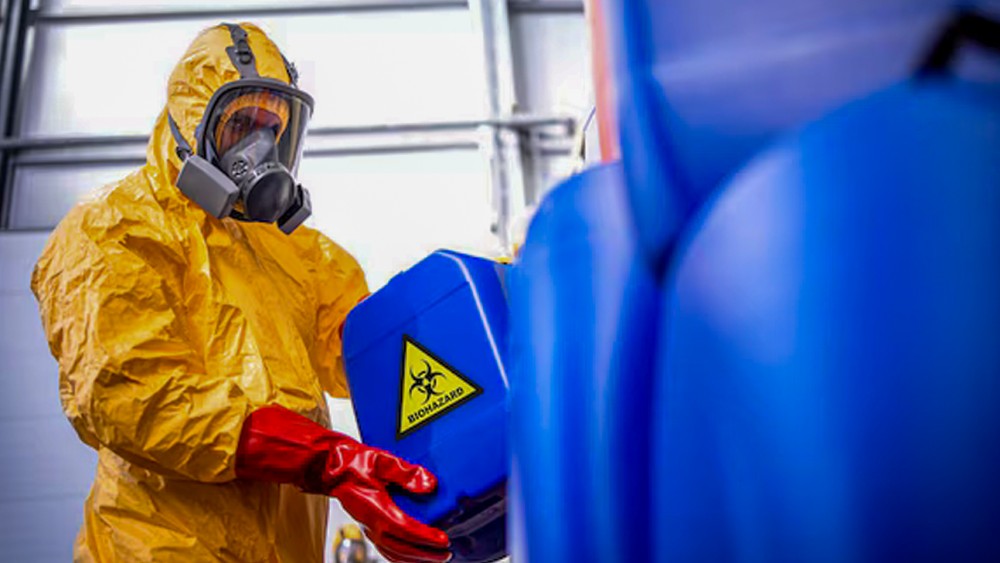
3. Level A chemical protective suits are better for every job; using them is the safest bet
Remember that Level A chemical protective suits are designed for extreme situations, such as encountering airborne chemical vapors or entering hazardous areas where the leaked substance is unknown—scenarios we typically don't encounter every day in routine work.
Wearing it at the wrong time not only feels suffocating, exhausting, hot, and hard to move in, but it can also make you lose focus on your work because you're constantly fussing with the suit—plus, the cost is very high. Therefore, it's better to choose one that matches the job. It saves money, saves effort, and keeps you just as safe.
Level A chemical protective suits are suitable for specific situations, such as rescue operations in areas where the chemicals are unknown or where severe toxic vapors/gases linger in the air. But if you use it for spraying chemicals in an orchard, frankly, it's a waste of money and a pointless drain on your energy.
- Example: You have to spray weedkiller in your backyard under the hot sun. If you wear a Level A suit that covers your entire body complete with a self-contained breathing apparatus, with a total weight exceeding 10 kg, rest assured that the first 10 minutes will feel like leg day training!
4. Any respirator mask works just the same
Finding a full-face mask lying around and immediately putting it on with your chemical suit? Wait a minute! Don't assume that just because a mask is large or looks similar, it can be used interchangeably. Each type of mask has its own specific function. Wearing the wrong type is practically like opening the door wide for toxic substances to enter. Some people think wearing one brings peace of mind, but in reality, you might be breathing it deep into your lungs without even realizing it!
Each type of respirator mask also has its own specific function, just like specialized tools. For instance, those that filter dust/particles (P), those designed for organic vapors (A) such as thinners or paints, or those that filter inorganic vapors (B) like ammonia or chlorine. Wearing the wrong type is just like wearing nothing helpful at all!
- Example: Imagine grabbing a P3 dust mask to spray thinner or weedkiller filled with chemical vapors—that mask wasn't designed to filter those at all! Instead of protecting you, it turns out you're breathing them directly into your lungs without even knowing it.
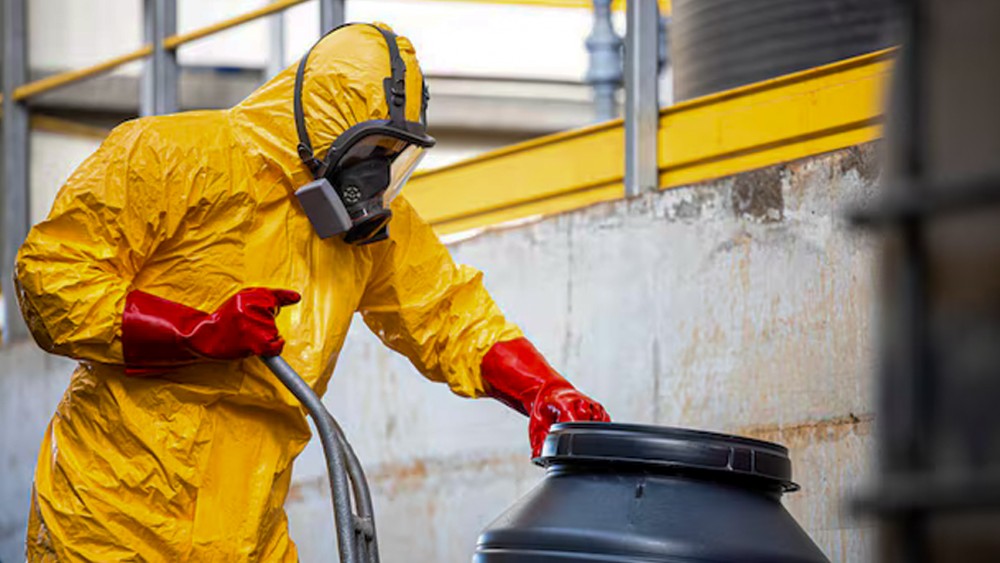
5. Just wearing a chemical protective suit is enough; no need for other accessories
Just picture it: wearing a flawless full-body suit, but walking barefoot or in flip-flops and stepping on chemical residue on the floor, or using bare hands to grab equipment with chemical residue. That's just like wearing armor on half your body while leaving the other half wide open to attack. In reality, wearing a chemical protective suit should be thought of as a "system" rather than just focusing on the suit itself. Chemicals don't choose to hit only your torso; your arms, legs, hands, feet, and face are all exposed to potential contact. Therefore, for genuine safety, you need the complete set!
Most chemical protective suits are designed to protect the torso. But if you don't wear gloves, boots, or safety goggles, it's like having armor while leaving multiple vulnerable spots exposed.
- Example: Wearing a chemical protective suit to spray chemicals, but forgetting chemical-resistant gloves; 10 minutes into spraying, your hands start turning red and stinging, and you wonder if the suit is leaking—when in fact, your hands are directly exposed to the chemical.
6. Reusing a chemical protective suit is totally fine
Because disposable chemical protective suits are designed for single use only. It's not about wanting you to be wasteful, but because the material is engineered to withstand chemicals for only a single cycle, and after use, its structure can deteriorate without you even knowing it.
Importantly, some people think that just wiping it down and hanging it to dry is enough. But certain chemicals penetrate into the fabric invisibly, and washing with plain water doesn't help at all. Moreover, if you wear it again in hot or humid weather, the material might crack, fray, or leak immediately—without even waiting to look visibly soiled! Chemical protective suits Disposable types are designed for single use for safety reasons. If reused, the material structure may degrade, allowing chemicals to penetrate without your knowledge.
- Example: You finish spraying, rinse the suit with water, and hang it to dry. The next day you wear it again; exposed to the hot sun, the material degrades, and chemicals end up seeping through the fabric without you even realizing it.
7. Just looking at the price and appearance is enough; no need to check labels or standards"
Some people choose a chemical protective suit simply because it looks good, looks cool, makes them look professional in photos, or sometimes just because it's noticeably cheaper, thinking it's fine for temporary use. But hold on! Looking cool and staying safe are not the same thing. If the suit has no standard labels or isn't certified for actual chemical protection, no matter how good it looks, it's just like wearing a fashion cloak into a toxic hazard zone. The label on the suit and safety standard certifications are the most critical factors! They tell you what the suit actually protects against, whether it has been tested, and what types of applications it is suitable for.
- Examples of chemical protective suits Cheap items without a Type symbol or any standard may just be ordinary dust coveralls. If you use them with real chemicals, you are essentially risking your life.
wearing Chemical Protective Clothing properly is not just a matter of safety, but also of knowledge, understanding, and responsibility for your own health and that of those around you.