


 EN
 ไทย


Customers Also Purchased
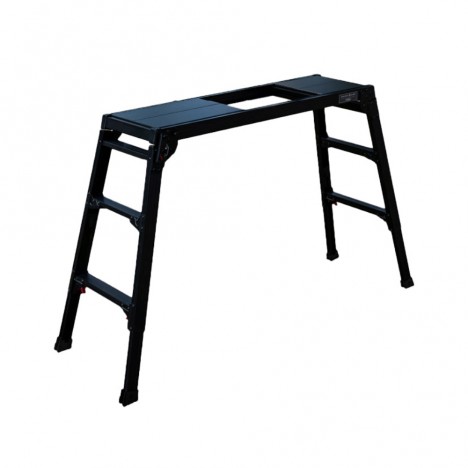
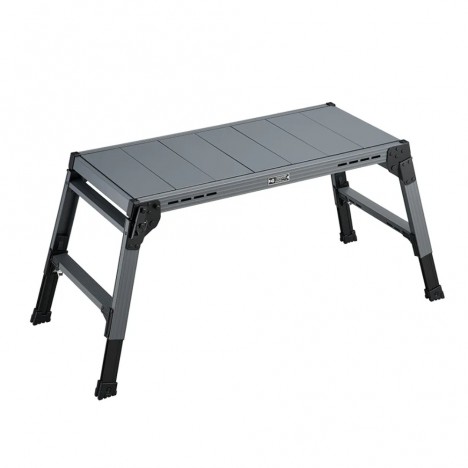

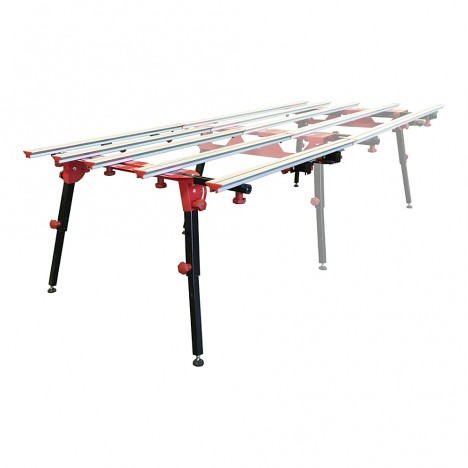

Even if you have Workbenches a workbench that is sturdy, made of quality materials, and spacious, without the right accessories it can become just an empty bench that doesn't meet the needs of certain tasks. A complete workbench requires several key elements—especially accessories that enhance agility, safety, and work efficiency.
What are workbench accessories, and why are they important?

Why are accessories necessary?
- Helps organize tools for easy access
- Clamps workpieces securely in place without slipping or coming loose
- Reduces fatigue and accidents caused by improper posture
- Enhances safety, such as preventing electric shock, short circuits, or slip hazards
Must-have workbench accessories
1. Bench Vise
A bench vise helps clamp wood, metal, or plastic workpieces firmly during tasks such as sawing, sanding, drilling, filing, or even assembling parts. This eliminates the risk of hand injuries from tools while also delivering more accurate and standardized results. If you work without a bench vise, you'll find it difficult to hold the workpiece securely by hand while handling tools, especially with power tools like grinders or drills, which can be dangerous.
Popular types
- Swivel Vise: Features a 360-degree rotating base, ideal for adjusting work angles in limited spaces.
- Heavy Duty Vise: Used for metalwork or high-impact tasks such as hammering and cutting.
- Woodworking Vise: Suitable for delicate woodworking tasks without marring workpieces, used for planing or joinery work.
Tips
- Mount it on the corner of the workbench for all-around usability, without obstructing the main workspace, making it convenient to clamp workpieces that extend beyond the bench—especially when dealing with extra-long materials.
- Choose the right size for the task: for example, a 5–6 inch jaw size is suitable for general work, but if working with large pieces or requiring high clamping pressure, a vise size of 8 inches or larger may be needed for stability and safety during use.
2. Clamps
- F-Clamp / Bar Clamp: Ideal for work requiring clamping across long spans or joining wood together. The width can be adjusted as needed, providing firm and steady clamping pressure.
- C-Clamp: Strong and highly pressure-resistant, ideal for tasks requiring a tight grip in tight spots, such as securing steel to a bench or in corners where other clamps cannot be used.
When to use?
- When the workpiece is too large for a bench vise, such as wooden planks or steel beams exceeding the length of the bench, using clamps helps securely fasten the piece to the bench edge or a wooden guide.
- When multiple clamping points are needed simultaneously to ensure the workpiece remains evenly aligned throughout, such as while gluing wood or assembling frames.
- Used temporarily during workpiece assembly, such as while aligning parts before fastening screws, driving dowels, or waiting for adhesives to dry, without needing to hold them by hand for a prolonged time.

3. Pegboard
- Keep tools clearly visible, easy to grab, and convenient to store. Reduces equipment search time and enhances workflow continuity, especially when using multiple tools within the same project.
- Hanging positions can be customized according to usage, whether categorizing by tool type or organizing by actual usage sequence.
- Keeps the workbench clutter-free and reduces accidents caused by falling tools or items scattered across the workspace, creating a safe and professional work environment.
Installation Method
- Mount on the wall behind the workbench or on the rear steel frame of the bench, choosing a position that is easy to reach, does not block the line of sight, and does not obstruct frequently used primary equipment.
- Use a variety of hooks, such as single hooks, double hooks, screwdriver holders, socket hooks, cord loops, or multipurpose hanging rails, to organize tools in detail and customize them according to individual workflows.
4. Power Strip and USB Outlets
Conveniently connect power tools without having to run long cords from the wall, reducing the risk of tangled cords or tripping hazards while working, especially when using continuously powered tools such as electric drills, grinders, or small air compressors. Charge accessories such as electric screwdrivers, phones, tablets, or even spare batteries for cordless tools, keeping them ready for use at all times without interruptions mid-project.
Recommendation
- Choose a model with a built-in circuit breaker to protect against short circuits or overcurrent that could damage equipment or cause accidents. If a problem occurs, the breaker system will trip and cut power automatically.
- Use power strips that meet TISI standards (TIS 2432 or equivalent) to ensure safety, especially when used in areas with high-power tools or humid environments.
5. Workbench Lamp
Increase spotlighting for tasks such as using rotary tools, drilling, or detailed work, especially in areas with heavy shadows or inadequate overhead lighting, which may cause errors or poor workpiece visibility. Reduce shadows and glare from ceiling lights that can disturb vision or cause eye fatigue, especially when working for long hours on small or highly detailed workpieces.
Popular Types
- Clamp Lamp: Easy to install and convenient to move. Ideal for workbenches with limited space or those who need non-permanent task lighting. Can be detached and repositioned as needed.
- Articulated Arm Lamp: Highly flexible, allowing precise adjustment of lighting angle and distance. Suitable for precision work such as electronics, assembling small parts, or drafting.
Tips for Selecting and Installing Workbench Accessories
Choose Based on the Work You Do Regularly
- Woodworking = Must have clamps of various sizes, a woodworking vise, a dust collection bag, a task light for precision work, and an organizer box for wooden dowels and wood screws.
- Metalworking = Bench vise, anti-fatigue mat, heavy-duty tool storage rack, high-power-rated power strip, and a fire extinguisher near the workbench.
- Machine Repair = Tool pegboard, power strip, task light, categorized spare parts organizer, and a turntable for parts assembly and disassembly.
You Don't Need Everything in One Day
- Start with the essentials first, such as a vise, clamps, and a power strip, as these are fundamental tools used across various types of work and provide safety when starting out.
- Gradually add items based on actual usage experience. For example, add drawers when you find you need more storage space, or add a task light when working in low light. This approach helps save budget and ensures you choose accessories that match your real needs.
Install Safely
- Securely fasten accessories to the workbench frame using screws, bolts, or clamps suitable for the bench's material to prevent wobbling or loosening during use, which could cause hazards or damage to workpieces.
- Ensure wiring is safe and does not clutter the workspace. Route wires along the edges of the bench, use cable clips or conduits for organization, and provide ventilation clearance for plugs or electrical devices to prevent heat buildup.
Workbenches is just a basic foundation, but what turns it into a professional workspace is the "accessories" that make working more convenient, safer, and better organized.