


 EN
 ไทย


Customers Also Purchased
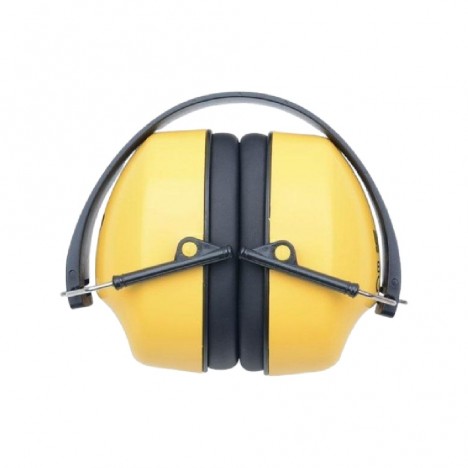
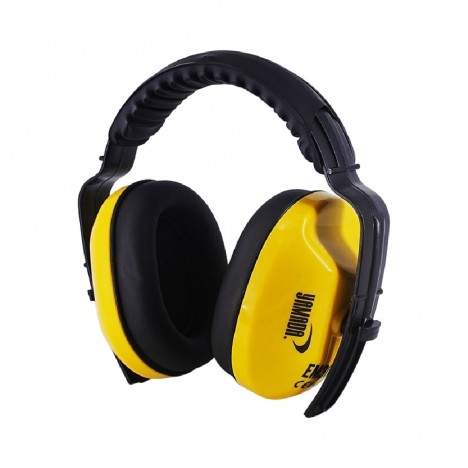

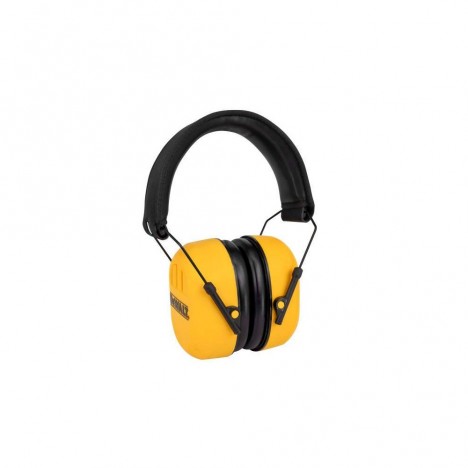

Noise, an unseen formidable enemy. Have you ever felt that when working in loud environments, such as construction sites, lathe shops, or even warehouses with continuous forklift sounds, your concentration periodically lapses? Or even in an open-space office where phones ringing, keyboards clattering, and buzzing conversations are rampant, why do you feel fatigued faster than usual? One answer is noise, which slowly destroys our concentration, ability to focus, and even our mental health. Can equipment like noise-reducing earmuffs really help? Or are they just safety accessories that make you feel protected without genuinely impacting work efficiency? In this article, I will take you on a deep dive into this topic in detail, so that once you finish reading, you will realize that "Earmuffs" offers far more benefits than you thought!

Understanding noise: it's worse than you think
How does loud noise affect the brain?
Our brain works best with focus in a quiet environment or with consistent background sound, such as soft music. This type of sound does not disturb the nervous system and helps stimulate focus to a certain extent. However, sudden loud noises—such as steel grinding, machinery that constantly changes pitch, or even laughter and phone calls from people in the same room—force the brain to expend energy processing and filtering them out. This not only reduces work efficiency but also increases stress levels and triggers mental fatigue faster than usual.
Workplace noise is more prevalent than you think
Some people think noise only exists in factories, but in reality, these sounds permeate almost every workplace.
- Office workers deal with phone calls, meetings, typing sounds, or even high-frequency air conditioning hums, which may not be very loud but continuously disrupt concentration.
- Warehouse workers face beeping forklifts, impact sounds from lifting heavy objects, and public address announcements.
- Machinists, welders, or mechanics encounter cutting, drilling, grinding, engine sounds, or compressors running all day long.
- Customer service staff in open areas have to endure customer conversations or relentless ambient noise.
All these sounds, although seemingly minor at first, add up throughout the day to affect focus, decision-making ability, and even long-term mood far more than you might think—ranging from minor misjudgments to unconsciously accumulated stress.
What are earmuffs, and how do they work?
Earmuffs use sound-absorbing materials such as special foams or gels to prevent external noise from directly entering the ears. The structure of earmuffs includes both sound-absorbing layers and ear cushions that seal snugly against the ears to reduce vibrations of sound waves entering the ear canal. Most models reduce noise by 20–37 decibels, which is sufficient to turn loud factory noise into a soft hum that no longer disturbs the brain. Noise reduction at this level allows users to still hear essential ambient sounds without being completely cut off from the environment, while lowering noise levels into a range that is safe and comfortable for long-term work.

Why do earmuffs help you work better?
Reduces stress caused by noise
Many people don't realize that loud noise is a form of "noise stress" that gradually undermines focus and mental health without them noticing. High-frequency noise or volumes exceeding 85 decibels stimulate the central nervous system, causing the body to continuously release stress hormones such as cortisol and adrenaline. Over the long run, this impacts mood, decision-making, and work efficiency.
Wearing earmuffs is therefore not just about protecting your ears from loud noise; it also blocks out distracting sounds, helping the brain calm down naturally. Without having to expend excess energy continuously filtering and handling external noise, tension is reduced and you can immediately focus better on the task at hand.
Enhances focus on detail-oriented tasks
For tasks requiring precision—such as lathe turning, soldering, welding, fine measurement, or even data analysis—having uninterrupted focus significantly boosts productivity. Because these jobs require precise hand control and decisions based on complex information, even the slightest noise can lead to mistakes that shouldn't happen.
Wearing earmuffs creates a private quiet space for the user even in busy environments. It allows you to concentrate on tiny details like millimeter-level adjustments, variations in sound, or vibrations, and helps you maintain a steady workflow without losing focus.
Allows you to work longer without feeling fatigued
Noise forces the brain to expend more energy than usual because it constantly has to process and filter out unnecessary stimuli. Even for sounds we aren't intentionally listening to—such as footsteps, doors opening and closing, or the rhythmic hum of machinery—the brain still continuously detects and analyzes them, resulting in an unnoticed drain on mental energy. Blocking out sound with earmuffs is therefore not merely about eliminating annoyance; it genuinely reduces cognitive load. This keeps you from tiring quickly, helps maintain focus, and significantly extends the duration of high-quality work.

Precautions when using earmuffs
- If used in environments where listening for warning alarms is necessary, such as certain types of factories, it could be dangerous if warning sounds are missed—especially machine alerts or emergency evacuation alarms. When choosing earmuffs, consider types equipped with features that allow certain warning sounds to remain audible, or use them alongside visual and light-based alert systems instead of purely audible ones.
- Wearing them continuously for extended periods without breaks may cause discomfort or heat buildup, especially in hot and humid climates or in unconditioned factories. Taking regular breaks to remove them will help keep you comfortable all day and reduce the risk of skin irritation around the ears.
- You must choose the right size and fit; otherwise, they may cause headaches or ear soreness, especially models with high clamping force. Choosing earmuffs with soft ear cushions and an adjustable headband structure allows for prolonged use without fatigue.
Not suitable for every situation
Certain jobs—such as those requiring real-time communication with others or teamwork in open areas—may not be suitable for fully sealed earmuffs, as they might cause you to miss critical information or immediate interactions. Examples include production line technicians, field communication personnel, or control room operators. Opting for earmuffs with an ambient sound mode or built-in microphone systems for radio/intercom communication ensures you can still collaborate with others without compromising the hearing awareness required for such roles.
How to choose the right earmuffs?
Consider the noise levels in your work environment
- Noise levels of 80–100 dB (e.g., factories, construction sites, machine shops): Choose a high NRR model (30dB or higher) to reduce noise to levels that are safe for hearing and allow you to work without having to endure loud noise all day long.
- General office noise (50–70 dB): Choose a lightweight, comfortable model or one with Active Noise Cancelling (ANC) to help reduce minor distractions—such as keyboard typing sounds, quiet chatter, or air conditioning noise—allowing you to focus more on your work without losing communication with others.
Comfortable to wear, no headaches
This is very important: you should try them on before buying (if possible), because head shapes and sensitivity to clamping pressure vary from person to person. Some models may be too tight and cause annoying head pinching, while others may be too loose to provide effective noise reduction. If trying them on in person isn't possible, check reviews from users with similar usage conditions—such as working outdoors, wearing them all day, or using them with eyeglasses—to evaluate fit, ear cushion softness, and comfort during extended continuous wear.
Summary
To put it simply: earmuffs don't just block loud noise; they clearly improve quality of life and work performance. They may seem like a minor piece of equipment, but they have a profound long-term impact on physical and mental health, especially if you have to work in an environment where noise disturbance is standard.