


 EN
 ไทย


Customers Also Purchased
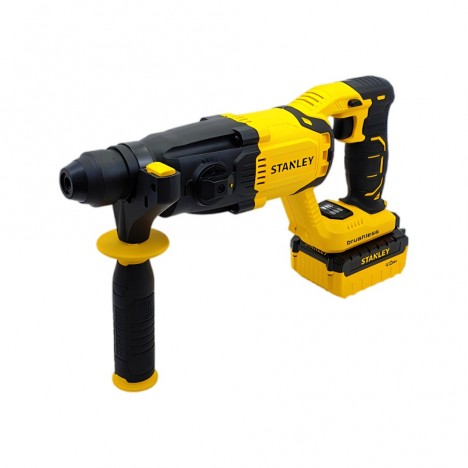
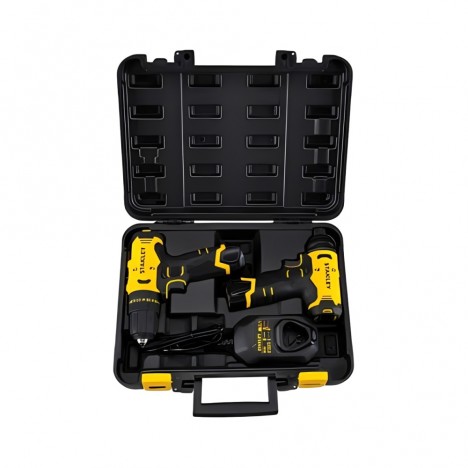
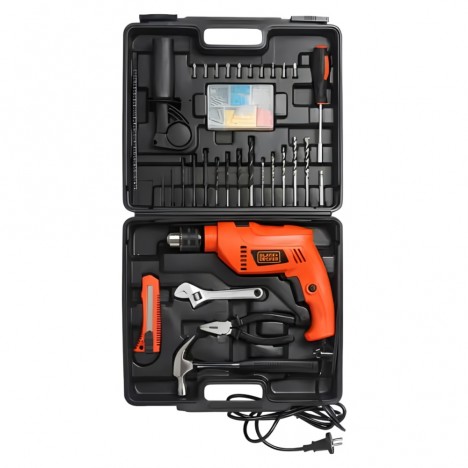


Before getting to know wattage, I was one of those people who used to choose an electric drill based on its looks or popular reviews, ignoring key specs like electric power wattage. I thought it probably wasn't any different from the voltage of a cordless drill, just indicating how much power it consumes. Little did I know, this wattage number directly impacts power and stamina, just like an athlete's muscles. If you pick too low a wattage, the electric drill motor might strain, working unnecessarily hard until it overheats, risking motor burnout. And what if you choose too high a wattage? You might end up paying more for both the electric drill itself and the electricity.
Another point I find interesting is that an electric drill's wattage also reflects the user's skill level. Lower-wattage electric drills are easier to handle and lighter in weight, making them ideal for DIY beginners. High-power electric drills, on the other hand, focus more on performance, featuring impact modes, chiseling modes, and the like, which might require expert control to prevent drilling completely out of control and damaging walls.
Alright, this article will drill, drill, drill deep into "wattage" in an easy-to-understand way, complete with tips on choosing the right electric drill without making mistakes! Whether it's for wood, masonry, steel, or even small DIY tasks around the house.
What is a Watt...?
Watts (a little bit of theory) are the unit of measurement for electrical power in all electrical appliances, especially power tools like electric drills. Wattage indicates the level of electrical power the tool can receive and utilize, which directly affects torque, rotational speed, and drilling capability. For example, a 400-watt electric drill might be suitable for light work such as drilling wood or plastic, whereas an electric drill of 800 watts or more can drill through concrete, thick steel, or run continuously without overheating quickly.
Many people mistakenly think "the higher the wattage, the better!" But hold on! That's not always the case. You must consider it alongside how you use it, frequency of use, and whether the tool is suitable for the task. For instance, assembling wooden furniture at home doesn't require a high-power 1000-watt electric drill, because besides wasting energy, it also makes the tool unnecessarily heavy.
Watts, Torque, RPM: The Drill Trio
When evaluating electric drill performance, W it doesn't work alone; it has two close companions working right alongside it: Torque and Rotational speed (RPM - Revolutions per Minute) All three work hand in hand, directly impacting the ability to drill through various materials. Think of it like a car engine

- Wattage (Watt): The higher it is, the more power it has to drill into hard materials or operate continuously without overheating easily. It is often the primary factor indicating the drill's ultimate limit.
- Torque: Rotational force that affects drilling into thick materials like steel or concrete. The higher the torque, the less likely the drill bit will stall under resistance, allowing for deeper and more precise drilling.
- Rotational speed (RPM): Indicates how fast the tool spins. It's suitable for drilling thin materials or repetitive drilling in materials like wood, acrylic, or aluminum, which don't require high force but need smooth, fast results.
Comparison Example
- A 350W drill with low torque and high RPM is suitable for drilling wood, drywall, and light DIY tasks.
- An 800W drill with high torque and medium RPM is suitable for drilling steel, concrete, and installation work that demands ultimate power stability.
Therefore, when choosing an electric drill, don't just look at the wattage alone! Instead, look at the overall system working together. Especially if you need a versatile tool covering multiple materials or situations, understanding these three components will help you pick the right tool for your needs and get maximum efficiency.
How much power is enough? Choose the right drill wattage for your work (and your heart)!
Choosing the right electric drill for the job doesn't depend on brand or price alone; it relies on understanding the tool's basic specifications—especially "wattage", which determines how well the electric drill can perform in different working conditions. Sometimes, a high-wattage drill might not be the best answer for every situation, as it could be overkill or too difficult to handle for beginners.
So, let's take a look at examples of each drilling type—whether it's wood, masonry, metal, or various crafting tasks—to see how much wattage an electric drill needs to be just right: not too heavy, not too light, and providing the highest efficiency in real work.
Wood Drilling
For general woodworking such as installing shelves, drilling MDF, or moderately thick solid wood, an electric drill with just 350–500W is considered sufficient. They often come with high RPM (over 2,500 RPM) to drill smoothly through wood without splintering.
- Recommended wattage: 350W – 500W
- Highlights: Lightweight, comfortable in hand, easy to control, perfect for beginners learning to drill, or effortlessly hanging pictures and shelves at home. Plus, the high speed drills wood super smoothly!
Masonry / Concrete Drilling
For drilling into house walls—such as installing air conditioners, curtain tracks, or mounting a TV on solid concrete walls—you will need an impact drill. Because masonry and concrete are much harder and more durable than other materials, choosing the right electric drill will get the job done quickly and smoothly.
- Recommended wattage: 600W – 900W+
- Key features: The drill must have a hammer mode (combining a hammer and drill in one) and an auxiliary side handle.
- Caution: Use bits specifically designed for concrete; do not use wood drill bits.
Metal Drilling)
Steel is a tough and hard material that requires the right speed combined with high torque. The electric drill used should not be less than 600W so it can drill deep into metal without causing the motor to overheat too quickly.
- Recommended wattage: 600W – 800W
- Technique: Use HSS (High-Speed Steel) drill bits, and apply a bit of cutting oil/lubricant to make drilling easier.
Routing / Multi-purpose DIY Work
Crafts or home decoration projects, such as drilling for wiring, installing cable raceways, or drilling plastic sheets, acrylic, PVC, etc., can be done with a medium-power electric drill. Focus on maneuverability and rotational speed rather than sheer brute force.
- Recommended wattage: 400W – 600W
- Advantages: Lightweight machine, agile, works well in confined spaces, ideal for crafts or home decoration tasks that demand maneuverability.

So how do you know which electric drill wattage will truly hit the spot for you?
Understanding how electric drill wattage affects performance is fundamental to ensuring you don't buy the wrong type of tool, overspend unnecessarily, or damage the electric drill through improper use. Electric drills that look similar, differing by only a few hundred watts, can produce markedly different results in actual use—especially when transitioning from drilling wood to masonry or steel, which have vastly different hardness and resistance.
In this section, let's explore each factor influencing the right electric drill wattage selection—from the nature of the task and frequency of use to your skill level—so you can choose an electric drill with confidence and maximize its long-term efficiency.
1. Most Frequent Type of Work
Choosing an electric drill's wattage should start with assessing what type of work you mostly use the tool for. If you are a furniture maker or a DIYer focusing on wood, plastic, or light household drilling, around 350–500W is considered sufficient because it is easy to control, lightweight, and energy-efficient. However, if you are a contractor or frequently install wall-mounted fixtures such as curtain rods, TV mounts, or drill into masonry and steel, an electric drill with over 700W is more suitable, as it provides the penetration power needed for hard materials without straining the machine.
2. Frequency of Use
Another crucial factor not to overlook is how often you use it. If you only use an electric drill once a month or just for small weekend tasks, there is no need to buy an expensive top-tier machine, as it may not be worth the investment. But if you use the drill almost daily, such as in a factory, woodworking shop, or construction site, choosing a machine with high wattage and a good cooling system will help reduce heat buildup, extend service life, and significantly reduce the risk of motor failure.
3. User Skill Level
Are you a beginner or a pro? If you are just starting out with power tools, it is generally better to begin with a machine of moderate power. Practice controlling downward pressure and precision until you're proficient before upgrading to high-powered tools once you're comfortable. High-wattage electric drills produce a lot of torque and can easily slip out of hand; improper control can lead to misdrilling or accidents.
Guidelines for Electric Drill Usage by Wattage
I'd like to emphasize again that choosing an electric drill based on wattage isn't just about picking the highest power number. You should consider the context in which the drill will be used—such as at home or on a jobsite, how long per session, and what materials you drill most frequently—because each wattage range offers a different experience in terms of torque, tool weight, and safety.
For light-duty tasks like drilling thin wood or assembling furniture, under 400W fits the bill due to its light weight, ease of use, and energy savings. The 400–600W range is ideal for general users needing a versatile all-rounder that can drill various materials, including wood, thin steel, and plastic. Meanwhile, those needing heavy-duty use or regularly drilling masonry, steel, or thick concrete should opt for drills rated at 600W and above to ensure steady, continuous drilling power, particularly in construction or repair work demanding machine durability.
Furthermore, pro-grade electric drills with 800W or more often come equipped with supplemental features such as hammer mode, auxiliary handles, advanced cooling systems, and continuous drilling capabilities without overheating. These are ideal for jobs demanding continuous duty and high precision, such as steel structure installation, structural drilling, or industrial applications.
- Under 400W: Suitable for light tasks, drilling thin wood, ceiling boards, and general household use.
- 400W – 600W: Covers general tasks across wood, plastic, and thin steel; an all-purpose drill for beginners.
- 600W – 800W: For drilling tasks requiring higher power, whether concrete, hardened steel, or large-scale installation projects.
- 800W and above: Pro-grade machines for continuous use on construction sites, renovation work, and commercial installations.

Conclusion
If a power drill were a car, watts would be horsepower—indicating how powerful the tool is. But remember, horsepower alone isn't enough; torque, gearing systems, and other additional features also come into play. Therefore, before deciding to buy a power drill, always remember to consider watts, the type of work, and accessories together.
A good power drill doesn't necessarily have to have the highest wattage, but rather be the one best suited to "the work you do." In the end, the right tool will help you work faster, save effort, and be much safer.
Whether you are a novice technician or a beginner DIYer, before deciding to buy, Electric drills take a moment to pause and ask yourself, “What do I drill most often?” Then choose the wattage accordingly. You are sure to get a worthwhile tool that lasts long.