


 EN
 ไทย


Customers Also Purchased


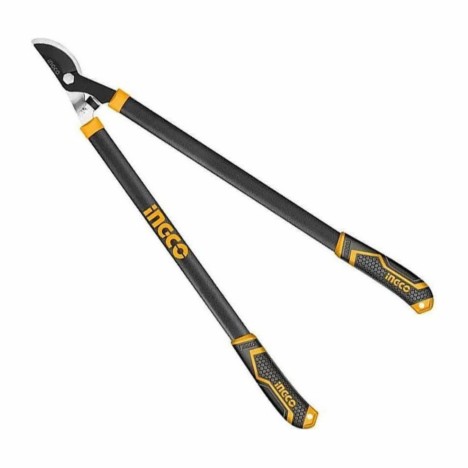
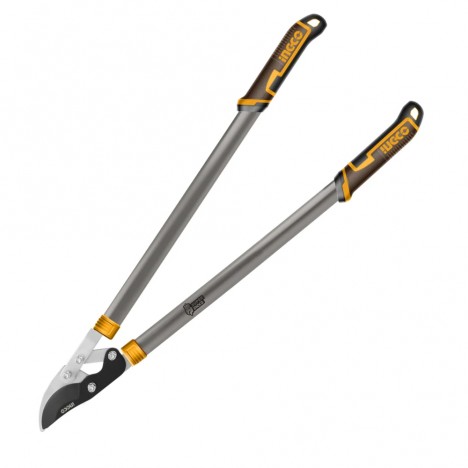

Pruning Shears Keeping our trees and gardens beautiful, full of blooming flowers, and abundant with fruit is not easy—and it takes more than just watering and fertilizing. Pruning branches is another crucial step that many often overlook. Many may have wondered, "When is the best time to prune?" or "Why do plants sometimes look worn out or fail to bloom as expected after pruning?" The answer is that there isn't just one single right time; it depends on the plant species, the weather, and proper pruning techniques.

Why Is Pruning with Pruning Shears So Important?
Stimulate More Flowering and Fruiting
Control Plant Shape to Be Beautiful and Orderly
Promote Plant Health and Vigor
When Is the Best Time to Prune? The Ideal Timing
Pruning in Winter (Plant Dormancy Period)
- Allows the tree ample time to fully heal wounds caused by pruning.
- Reduces the risk of pathogen and pest infections, as the cool and dry weather during this period is not favorable for pathogen growth.
- Prepares the tree for shooting new shoots, blooming, and fruiting in the next season, especially for fruit trees that flower in the summer or rainy season, such as mango, durian, and longan.
Precautions
- Do not prune too many branches at once, as this may cause tree stress and slow down recovery.
- Avoid pruning on excessively cold days, as pruning wounds may heal slowly.
Pruning during the rainy season
The rainy season is a period when plants grow rapidly due to receiving sufficient water and high humidity, making it ideal for new shoots and canopy expansion. However, it is also a high-risk period for infection and rot, as the environment is ideal for the growth of fungi and bacteria.
- Small branches can be pruned to stimulate new leaf growth or post-rain flowering.
- Can be used to shape the canopy during the growing period.
- Pruning should be limited to small or strictly necessary branches only.
- Avoid cutting large branches or a large number of branches during periods of frequent rainfall.
- Use pruning wound sealant to minimize moisture contact with the cuts.
- Check the weather forecast before pruning; if heavy rain is expected, wait until the rain stops before cutting.
Precautions
- Be cautious of disease spread in the orchard, especially downy mildew, powdery mildew, and other fungi.
- Avoid pruning during waterlogged or excessively soggy soil conditions, as this may exacerbate root rot.
Pruning during the summer
Summer is a time when trees are accumulating energy and preparing for major future growth. Plants bloom profusely and flush new leaves vigorously, but extremely hot weather can affect the healing of pruning wounds.
- Helps shape the canopy and reduce branch density.
- Stimulates the tree to develop new branches and flower well in the following season.
- Pruning some branches helps maintain a balanced tree canopy and reduces overcrowding.
- Prune in the morning or evening to avoid extreme midday heat.
- Avoid pruning too many branches at once, as the tree may lose significant moisture and become stressed.
- Use a pruning sealant to prevent the cuts from drying out and rotting.
- Water and nourish the tree adequately after pruning.
Precautions
- Avoid pruning in intense direct sunlight, as the cut wounds may dry out excessively and easily rot.
- Watch out for tree dehydration after pruning, especially in extremely hot weather.

How to Care for Trees After Pruning with Pruning Shears
After tackling various branches with pruning shears at the right time and using the proper techniques, trees need extra care so their wounds heal quickly, stay infection-free, and return to looking their best! This ensures they are ready to bloom and bear fruit in the seasons to come.
Maintain Proper Soil Moisture
- Maintaining proper soil moisture is essential after pruning, as trees require water to heal wounds and stimulate new shoot growth.
- Water in the morning or evening to prevent rapid moisture evaporation during midday.
- Be careful not to overwater to the point of waterlogging, as this can cause root rot and tree deterioration.
- If possible, mulch the base of the tree with materials such as straw, rice husks, or dry leaves to help retain moisture and lower soil temperatures.
Apply Fertilizer to Help Trees Recover Quickly
- After pruning, trees expend a lot of energy repairing wounds and sprouting new shoots. Applying fertilizer provides essential nutrients to speed up recovery.
- Choose a fertilizer with moderate to high nitrogen (N) content, as nitrogen stimulates the growth of new leaves and branches.
- If you want to promote flowering, apply a high-phosphorus (P) fertilizer at a later stage.
- Avoid over-fertilizing, as it may shock the tree or cause salt buildup in the soil.
Inspect for and immediately eradicate pests or diseases if found.
- After pruning, the tree has open wounds that serve as entry points for pests and diseases.
- You should inspect the trees regularly to watch for abnormal signs, such as yellowing leaves, dried leaves, spots, or pest infestations.
- If pests or diseases are found, promptly apply appropriate disease or pest control products, choosing types that are harmless to the trees and the environment.
- An integrated management approach should be used, such as pruning infected branches in combination with using biological control agents.
If pruning cuts are large, a wound dressing or pruning sealant should be applied to protect against fungi and insects.
- Large pruning cuts are susceptible to infection and rot.
- Applying a pruning sealant helps tightly seal wounds, reducing moisture and preventing fungi, bacteria, and insects from causing damage.
- Nowadays, eco-friendly wound sealants are available, including natural compounds and safe synthetic formulations.
- The sealant should be applied immediately after pruning so the wound is protected from the very beginning.
Conclusion
Pruning has a major impact on tree health and appearance. Choosing the right timing and proper pruning techniques will help trees grow well, produce abundant flowers and heavy fruit yields, and look neat and beautiful. In addition, post-pruning tree care should not be overlooked, allowing the tree to recover and be ready for growth in the next season. Remember to use proper tools, maintain cleanliness, and choose the right pruning time according to tree species so that your garden stays beautiful, blooms abundantly, and delivers bountiful harvests every year!