


 EN
 ไทย


Customers Also Purchased

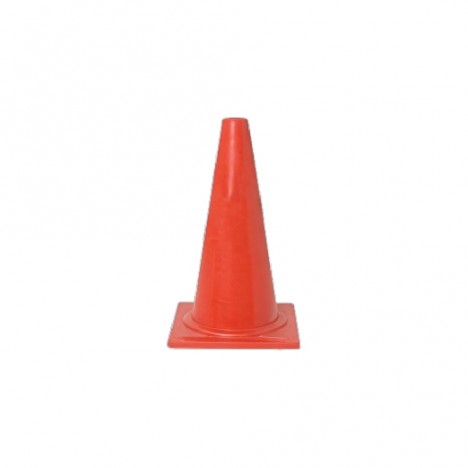
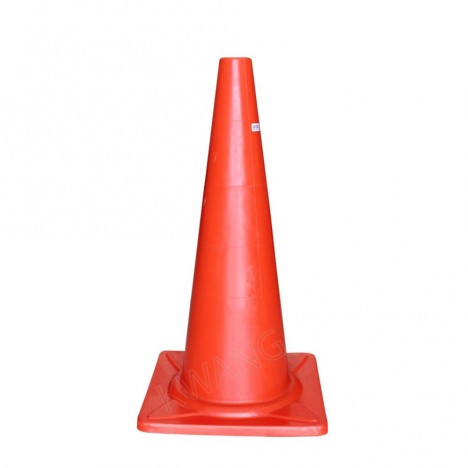
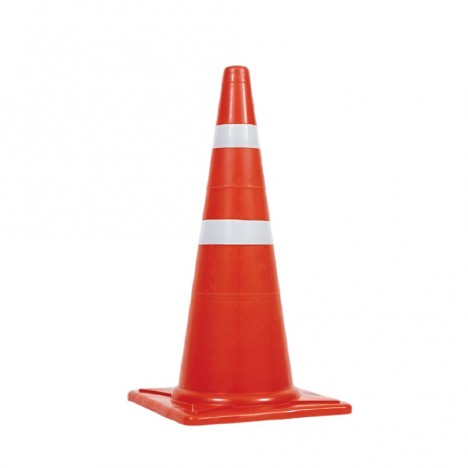
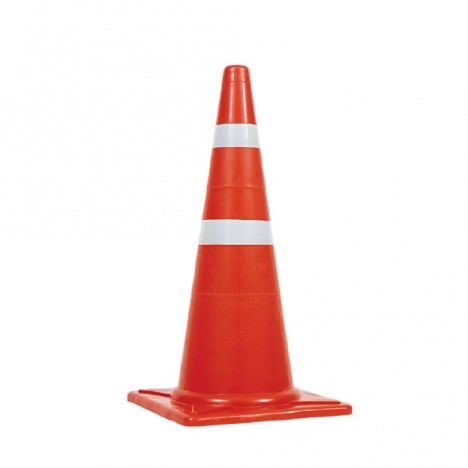
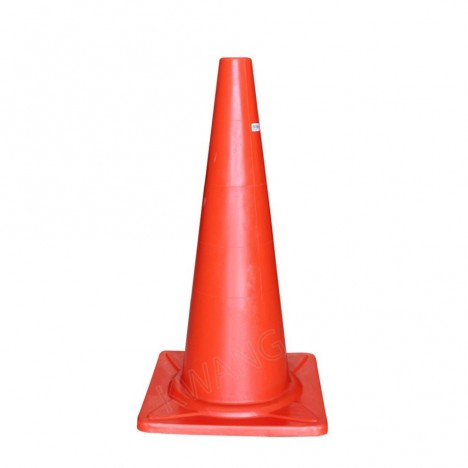
Have you ever noticed that the "color of Traffic Safety Equipment" that we see every day are not just for decoration or catching the eye? In reality, each color has a specific meaning defined by safety standards. Misusing them can lead to confusion, increase the risk of accidents, or even result in legal fines.
This article will introduce you to the meanings of different colors on traffic equipment, supported by announcements from the Department of Highways and relevant regulations, ensuring you can use them correctly, confidently, and safely.
Why Do Traffic Equipment Have Different Colors?
In traffic systems, color serves as a universal language that everyone understands without needing translation. Whether Thai or foreign drivers, simply seeing the color of traffic equipment immediately conveys whether to proceed with caution, stop, or slow down. This is why choosing the right color is no trivial matter; improper use can lead to confusion and preventable accidents.
The use of colors in traffic equipment is also a legal requirement, as stipulated in the Ministry of Transport Notification on Standards for Traffic Signs and Road Safety Devices B.E. 2549 (2006) as well as nationwide guidelines enforced by the Department of Highways to ensure consistency and maximum safety in traffic management.
Meaning of Each Traffic Equipment Color
1. Orange – Temporary Warning / Construction Zones
- Meaning: Orange symbolizes temporary caution, especially in areas undergoing changes such as road construction, maintenance, or infrastructure installation. Orange is chosen because it attracts attention well from a distance, standing out clearly day and night. It also signifies "human work in progress," a potential hazard zone requiring motorists to slow down or temporarily avoid the area.
- Examples of traffic equipment: Orange traffic cones, construction warning signs, plastic barriers.
- Good to know: Using orange traffic equipment at night requires adequate reflective strips or materials for safety. Failing to use reflective equipment that meets standards may constitute a violation of Department of Highways regulations, and site supervisors could face legal liability in the event of an accident.
- Reference: Highway Traffic Signs Installation and Maintenance Manual B.E. 2562 (2019) by the Department of Highways, which mandates orange warning equipment with standardized reflective materials in construction zones.

2. Red – Prohibition / High Danger
- Meaning: Red is a clear stop signal used to prohibit specific actions—such as no entry, no parking, or no U-turns—or to alert to dangers that must be strictly avoided. It is commonly found in strictly controlled traffic zones such as intersections, narrow lanes, or merge points where minimizing risk is critical.
- Examples of traffic equipment: STOP signs, No Parking signs, No U-Turn signs, red-and-white barricade tape.
- Good to know: In traffic management, red signifies mandatory, absolute orders. Road users should pay close attention to red devices, such as STOP or No Entry signs, as they mark high-risk locations. Ignoring or violating them endangers not only yourself but also other road users, especially in urban areas or school zones where red devices strictly regulate speed and driving behavior.

3. Yellow – Caution / Reduce Speed
- Meaning: Yellow acts as an advance warning signal crucial for accident prevention, particularly in hazard-prone areas like sharp bends, steep slopes, intersections, crosswalks, or abrupt direction changes. This color prompts drivers to prepare for upcoming roadway conditions—whether by slowing down, increasing focus, or watching out for hazards that might not be visible from afar.
- Examples of traffic equipment: Curve warning signs (left/right), pedestrian crossing signs, intersection warning signs, rubber speed bumps.
- Good to know: Yellow is not only used for warnings, but also serves to divide road conditions between a "controlled area" and a "transition zone", such as village entrances or school fronts. Designing yellow signs must therefore take into account both text legibility and nighttime visibility. According to TIS 2316-2563 standards, yellow traffic devices are required to have retroreflective properties so they can be recognized even in low-light conditions or heavy rain, directly affecting a driver's split-second decision-making.

4. White – Directing Traffic / Boundary Lines
- Meaning: In traffic systems, white is used to indicate clear boundaries and directions of travel, such as dividing traffic lanes, stop lines, pedestrian crossings, or even directing vehicle movements in parking areas. Especially in urban areas or multi-lane roads, white plays a crucial role in organizing traffic and reducing confusion for drivers navigating complex traffic conditions.
- Examples of traffic devices: White road markings (solid line = do not change lanes, dashed line = lane change permitted), zebra crossings, traffic signs with a white background and black letters used for informative signs, and red-and-white barricade tape used for temporary work or prohibited areas.
- Good to know: White is also the foundation of non-verbal communication in traffic. When combined with patterns—such as solid lines, dashed lines—or other colors like red or black, it can communicate distinctly different meanings. For example, red-and-white curbs mean parking is prohibited at all times, while diagonal white stripes across the road designate pedestrian stop zones. Recognizing these signals helps drivers make faster, more accurate decisions without always relying on written explanations or additional signs.

5. Blue – Information / Service Signs
- Meaning: In traffic management, blue communicates non-regulatory and non-mandatory information, such as route guidance, location directions, or service points. This is particularly useful in areas where drivers may need extra details to make decisions, such as near intersections, expressways, or community service zones. Blue is therefore used to clearly convey that "this information is optional" rather than an order or a warning to be obeyed.
- Examples of traffic devices: Directional signs pointing to main roads, blue signs marking accessible parking spaces for persons with disabilities, and emergency exit signs in parking structures or public buildings.
- Good to know: Although blue is not directly tied to regulations, using it in improper locations—such as replacing warning or prohibitory signs—can cause misunderstandings and lead drivers to make errors, like perceiving a hazardous zone as merely an option or mistakenly believing parking is allowed in restricted areas. Furthermore, when using blue in strictly controlled traffic zones, text and symbol designs should be clear to avoid confusion with mandatory or warning signage.

6. Green – Options / Recommended Routes
- Meaning: Green in traffic management is used to display recommended or alternative routes that drivers can take safely. Unlike red or yellow, it is not an immediate command, but rather informative guidance that helps make advance route planning more effective. Especially in congested or complex traffic conditions—such as multi-level interchanges, expressway junctions, or interprovincial highways—green helps reduce anxiety and provides drivers with safe choices for decision-making.
- Examples of traffic devices: Bypass guide signs, expressway entrance signs, alternative route signs for congested traffic, government office or tourist attraction directional signs, and emergency exit signs in large parking lots.
- Good to know: Green is not only meant for route guidance, but also plays an essential role in reducing driver stress when navigating unfamiliar areas, especially for long-distance or night drivers. Properly designed green signs help drivers confidently plan turns, lane changes, or exits in advance, which is why they are often integrated with digital mapping or GPS displays to enhance navigational accuracy.

Using the wrong color risks both accidents and fines
Although many people might think that the color of a traffic device does not matter much, color is actually the most direct communication tool in the traffic system because it conveys meaning instantly without needing to read descriptions. Choosing the wrong color can cause driver misunderstandings—such as seeing a green sign in a restricted area and interpreting it as merely advisory, leading to violations and accidental crashes.
In addition, numerous field misuse cases are commonly found, such as:
- Using blue or green traffic cones in construction zones where orange should be used, making them hard to see from a distance.
- Using black-and-white tape (typically used to demarcate safe areas) in areas that should be off-limits, such as around hazardous machinery.
- Installing curve warning signs with a red background, causing people to misinterpret them as prohibitions rather than warnings.
Beyond directly affecting safety, it can also lead to legal liabilities if traffic equipment is installed without complying with the types or colors specified in official standards, such as:
- If a prohibition sign is installed using a background color that does not comply with regulations, such as white or blue instead of red,
- or if equipment is installed in public areas, such as highways or in front of government buildings, without permission,
such cases may constitute an offense under Sections 14 and 148 of the Land Traffic Act, B.E. 2522 (1979), which carries penalties of both fines and imprisonment, especially if it is proven that the equipment or installation caused an accident or traffic congestion.
Therefore, whether you are a driver or the person responsible for installation, understanding colors and the proper use of traffic equipment is an important matter that should not be overlooked.

Conclusion: Understand Colors = Understand Safety
The color of Traffic Safety Equipment is not just a matter of design or aesthetics, but a universal language that plays a crucial role in every traffic system, from major roads to factory walkways. Choosing traffic equipment with colors that match their actual purpose is therefore not just about appearance, but about conveying a message that directly influences the behavior of road users.
When we understand that each color has a specific function—such as red for prohibitions, yellow for warnings, or green for guidance—we can better plan the installation or use of equipment, reducing the chance of accidents, increasing communication clarity, and demonstrating care for everyone's safety in that area.
Always remember: using the right color in the right place, at the right time, and with the right meaning not only creates safety, but also helps reduce legal risks, builds confidence for road users, and systematically elevates the standards of your area.