


 EN
 ไทย


Customers Also Purchased




Safety helmets, commonly known as "hard hats", are head protection devices designed to shield against impacts, falling objects from heights, lateral blows, or even electrical contact in certain cases. Safety helmets therefore play an essential role in every industry, whether in construction, electrical work, factory operations, or even inspection and maintenance tasks, as head-injury accidents can be fatal or cause permanent disability. But did you know? Even if a safety helmet shows no visible exterior damage, using it past its lifespan means it may no longer protect you as intended, and the danger of using an expired helmet is more severe than you think.
How long is the typical lifespan of a safety helmet?
Lifespan according to manufacturer recommendations
Generally speaking: Safety Helmet The lifespan is typically 3-5 years from the date of manufacture (not the date first used), depending on the materials used and the environment where the helmet is operated. For example, if the helmet is continuously used outdoors and regularly exposed to sunlight and rain, its lifespan may shorten to just 2-3 years, whereas a helmet used indoors or in a well-controlled environment may last near or up to the maximum recommended lifespan. Additionally, a helmet subjected to even a single impact should be replaced immediately, even if it has not yet reached its expiration date.

Safety helmet lifespan according to safety standards
- ANSI Z89.1 (USA): Does not specify a distinct numerical lifespan in years, but mandates that users inspect safety helmets regularly and replace them immediately upon finding any damage, degradation, or severe impact. It also recommends inspecting the internal harness (suspension) at least once a year or replacing it every 12 months with regular use to maintain standard protective performance.
- EN 397 (Europe): Recommends replacing safety helmets within 5 years from the date of manufacture, even if there is no visible external damage. This standard also emphasizes that helmets must pass tests for strength, impact resistance, penetration resistance, and anti-static capability in certain models, including tests for low-temperature resistance (down to -10°C or -20°C) and heat resistance (up to +50°C). Consequently, operating outside the appropriate temperature range or continuous exposure to chemicals may cause the helmet to degrade prematurely.
- Thai TIS Standard: Conforms to international guidelines, with the Thai Industrial Standards Institute (TISI) requiring safety helmets to pass various property tests such as impact resistance, electrical insulation, and water penetration. It recommends replacing safety helmets within 3–5 years from the date of manufacture, with immediate replacement advised if damage or deterioration is detected, to ensure the helmet continues to protect the user with maximum efficiency.

Factors affecting the lifespan of safety helmets
Safety helmet materials
Safety helmets are often made from materials like ABS (Acrylonitrile Butadiene Styrene) or HDPE (High-Density Polyethylene), both of which are durable, tough, and effective at absorbing impact shock. However, these materials gradually degrade when continuously exposed to sunlight or UV radiation, especially in high-temperature environments. Heat can make the plastic brittle, crack-prone, or discolored, while chemicals such as oils, solvents, or certain acids can accelerate the weakening of the material's structure. As a result, a helmet that looks brand new on the outside may fail to offer full protection in the event of an accident.
Operating environment
- Daily use in intense sunlight, especially in tropical countries like Thailand, exposes the helmet to sunlight and UV rays that accelerate plastic degradation. This makes the helmet brittle, prone to cracking, and diminishes its protective capacity much sooner than it should.
- Frequent exposure to rain, moisture, or chemicals—such as lubricants, cleaning agents, or industrial chemical vapors—can penetrate into the plastic material, degrading its mechanical properties and causing the helmet to crack easily upon impact.
- Leaving it in high-temperature environments, such as inside a car parked under the sun or in an unventilated storage room, causes accumulated heat to alter the molecular structure of the plastic, leading to deformation and brittleness even before reaching its designated lifespan.
Maintenance
Helmets that are well cared for—such as regularly cleaned and not subjected to drops or hard impacts—tend to have a longer service life. Additionally, storing them in a dry place at a stable temperature and avoiding proximity to heat sources or direct sunlight effectively slows material degradation. In larger organizations, having a tracking system for each helmet and assigning personnel to regularly inspect personal protective equipment (PPE) ensures that helmets remain ready for use at all times.
Frequency of use
A helmet used daily compared to one used only occasionally will have a significantly different actual lifespan, even if manufactured at the same time. Frequently used helmets endure impacts, strap tension, sweat, sunlight, and dust on a regular basis, accelerating the wear of both the outer shell and internal components. Furthermore, the likelihood of damage from routine handling—such as drops, bumps, or improper storage—is much higher. Conversely, a helmet stored securely and used only when necessary tends to degrade much more slowly.
Warning Signs That a Safety Helmet Should Be Replaced
Cracks or Deep Scratches on the Helmet
Even if minor, structural damage can severely compromise impact resistance, as cracks or deep scratches act as weak points where the helmet can easily shatter upon collision. A safety helmet works by absorbing and distributing impact forces; if its shell structure or material integrity is compromised, even slightly, the entire force can concentrate on a single point, dramatically increasing the risk of severe head injury.
Faded Color or Discoloration
This is caused by material degradation under UV light, which acts as a catalyst breaking down polymers in the plastic. As a result, the safety helmet's structure becomes brittle, cracks easily, and can no longer absorb impact as effectively. Faded color or discoloration is a clear warning sign that the material has begun losing its protective capability and should be considered for immediate replacement, even if the helmet still looks usable.
Deteriorated, Cracked, or Detaching Suspension
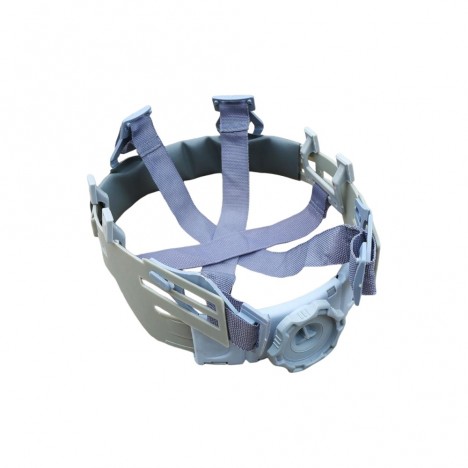
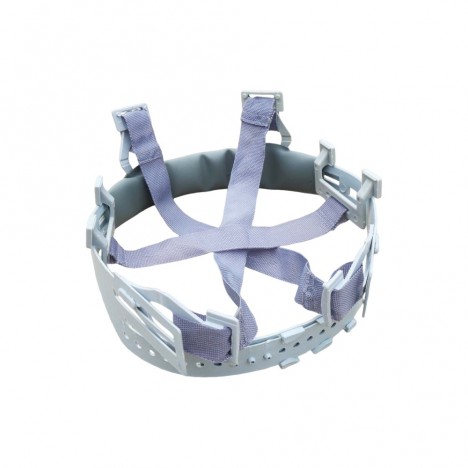
A helmet harness or suspension system that is loose or damaged will prevent the helmet from effectively absorbing impacts. This support system plays a vital role in distributing force and minimizing direct shock to the head. If the straps become loose, cracked, frayed, or lose elasticity, the helmet will not stay securely on the head, risking slippage during an accident or causing impact forces to concentrate on one spot, resulting in greater head trauma even if the outer shell appears intact.
Feels Noticeably Lighter Than Normal
This can result from internal embrittlement and degradation of the material that is invisible to the naked eye, a common symptom in helmets used for a long time or exposed to prolonged heat and sunlight. The internal structure loses its elasticity and impact absorption capacity without showing external signs. When picked up, the helmet feels lighter than usual, which may indicate that its primary protective properties have been completely compromised.
Exceeded Expiration Date from Manufacture
Looking under the brim or inside the helmet, you will usually find a Date Code, often formatted as a circular dial or numerical stamp indicating the month and year of manufacture. This is a crucial indicator for accurately determining the helmet's age. If the helmet is more than 3–5 years old, it should be replaced immediately even if the exterior looks undamaged, as internal structures can deteriorate beyond visual inspection. Referencing the manufacturing date is the safest way to assess service life.

Dangers of Using an Expired Safety Helmet
A degraded helmet cannot absorb impact forces.
When a helmet becomes brittle, even mild impacts—such as objects falling from a low height or accidental bumps while walking—can cause it to fracture or deform instantly. This means the helmet can no longer absorb or disperse impact forces, leaving the wearer's head completely unprotected and at risk of severe injuries, such as skull fractures or concussions, even from seemingly minor accidents.
Electrical Leakage or Short Circuits
A degraded helmet may no longer have any electrical insulation left, as the electrical resistance properties of plastic materials diminish when they deteriorate. This is especially true for helmets used in electrical work, such as working near high-voltage lines, control panels, or substations. If a helmet loses its insulating ability, electric current may leak through the material or cause a short circuit between the head and contact electrical equipment, exposing the wearer to the risk of electric shock without realizing it, which can lead to life-threatening danger.
Decreased safety confidence
Workers or technicians may think they are "safe" while wearing a helmet because the exterior shows no damage. In reality, the helmet may have already reached its expiration date, making it unable to protect against impacts or accidents as it originally did. This false sense of security can make users careless, overlooking the signs of helmet degradation, which can lead to unforeseen incidents resulting in loss of life and organizational damage.
